
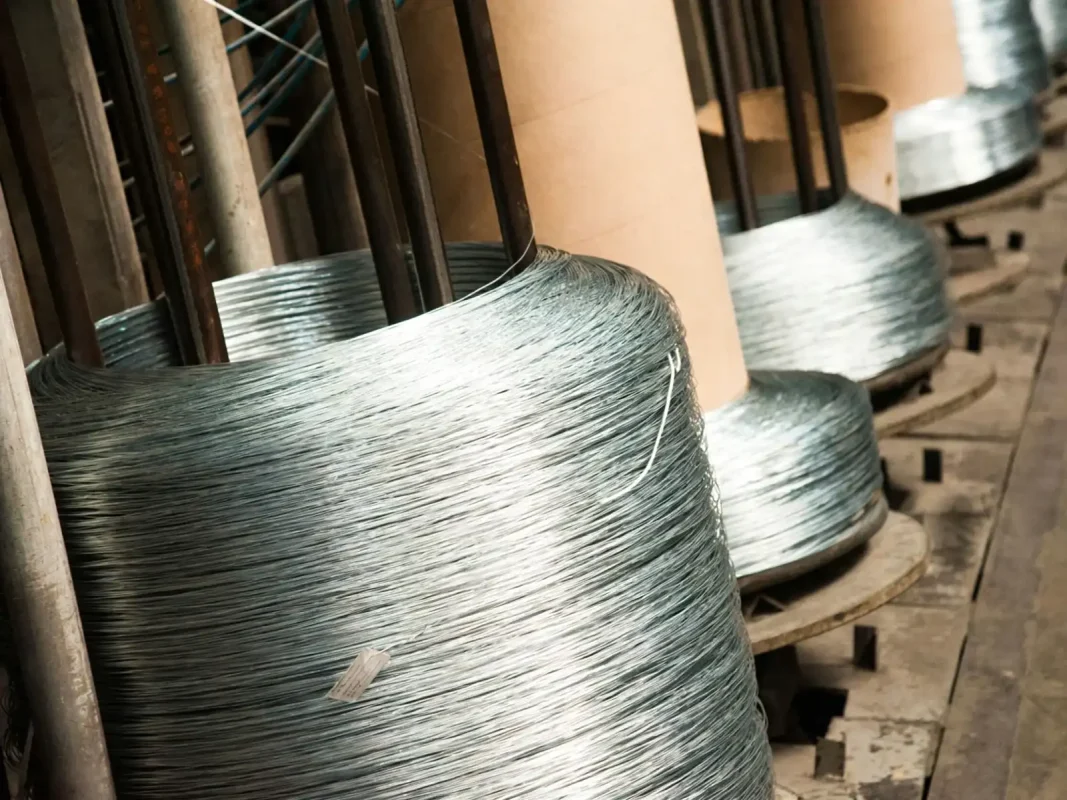
ASTM B550 Zirconium Wire for Chemical Processing: Selection Guide

ASTM B550 Zirconium Wire for Chemical Processing: Selection GuideDirect answer. For Zirconium wire, ...

Nickel 200 Foil Physical Properties: Density, Melting Point and RFQ Guide
Nickel 200 Foil Physical Properties: Density, Melting Point and RFQ GuideDirect answer. For Nickel 2...
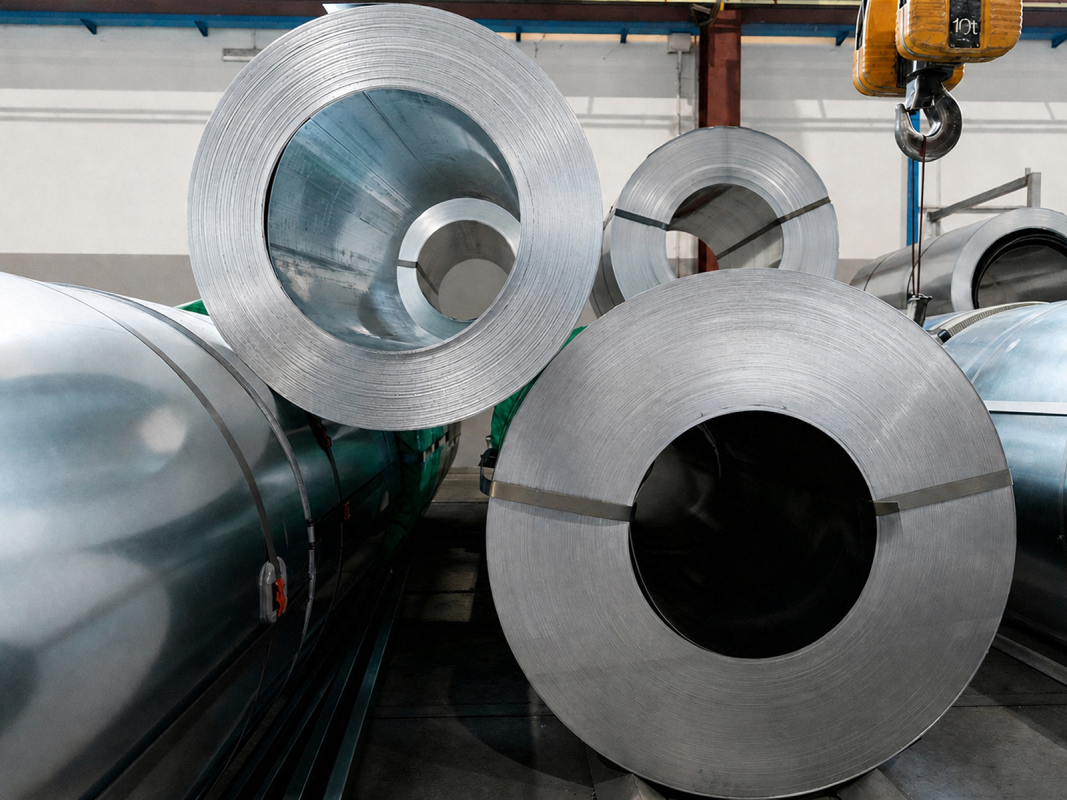
What Are the Alloy Type, Properties, and Applications of Ti-15V-3Al-3Cr-3Sn Titanium Foil?
In aerospace, precision electronics, and high-end manufacturing, material selection often directly a...
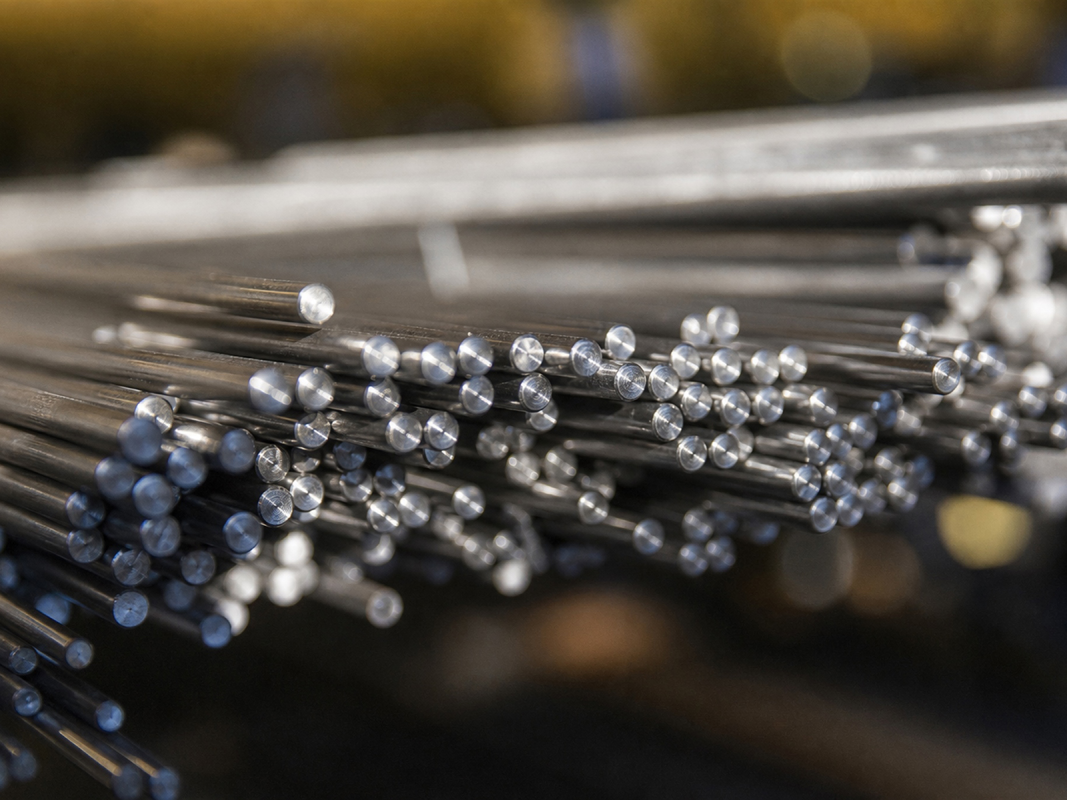
R60705 Zirconium Rod Manufacturing: What Are the Key Process Considerations?
R60705 Zirconium Rod (UNS R60705, Zr-2.5Nb) offers relatively high mechanical strength, creep resist...
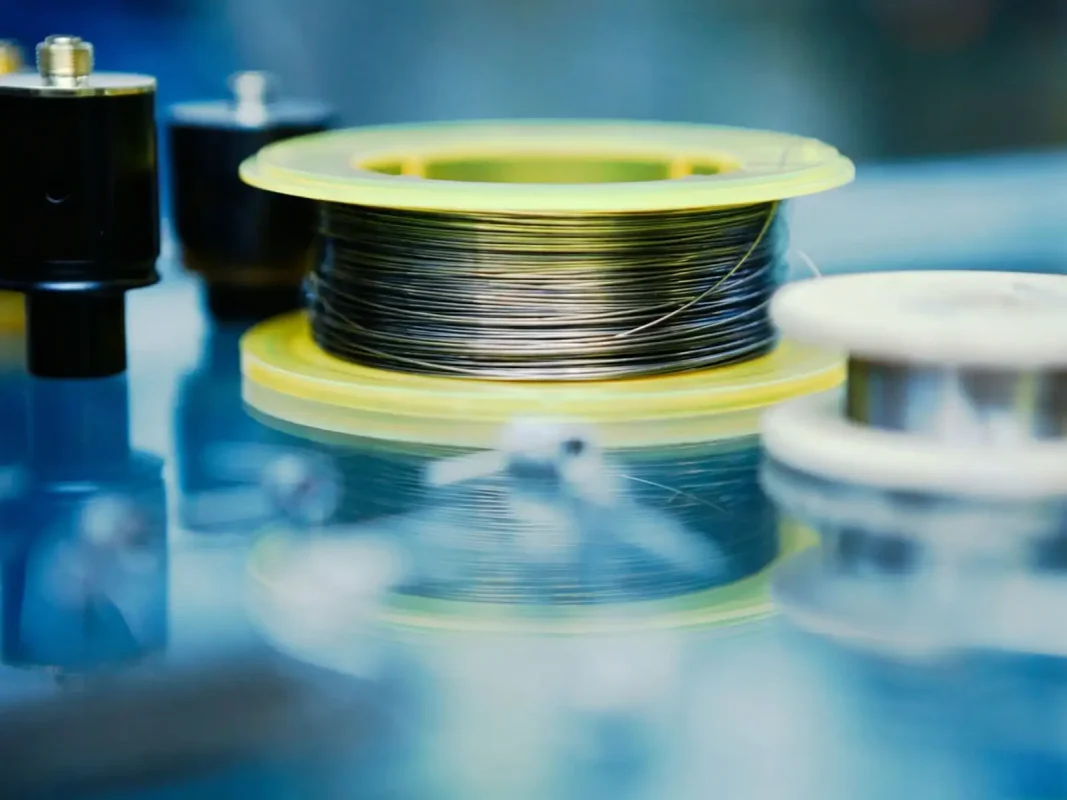
Nickel 200 Wire vs Nickel Alloy Wire: Selection Guide
Nickel 200 wire and nickel alloy wire should be compared by exact grade, material condition and...
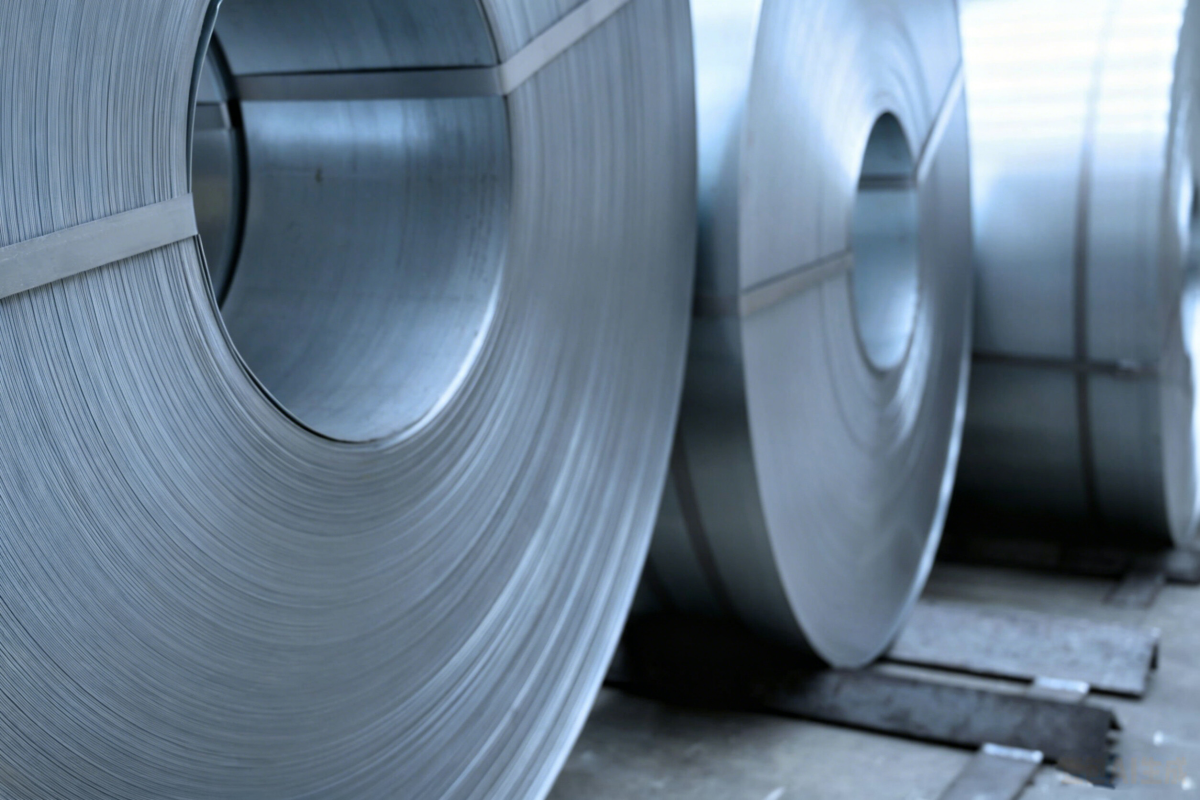
Nickel 200 Foil Thickness Guide: Specification, Tolerance and RFQ Inputs
Nickel 200 Foil Thickness Guide: Specification, Tolerance and RFQ InputsDirect answer. Nickel 200 fo...
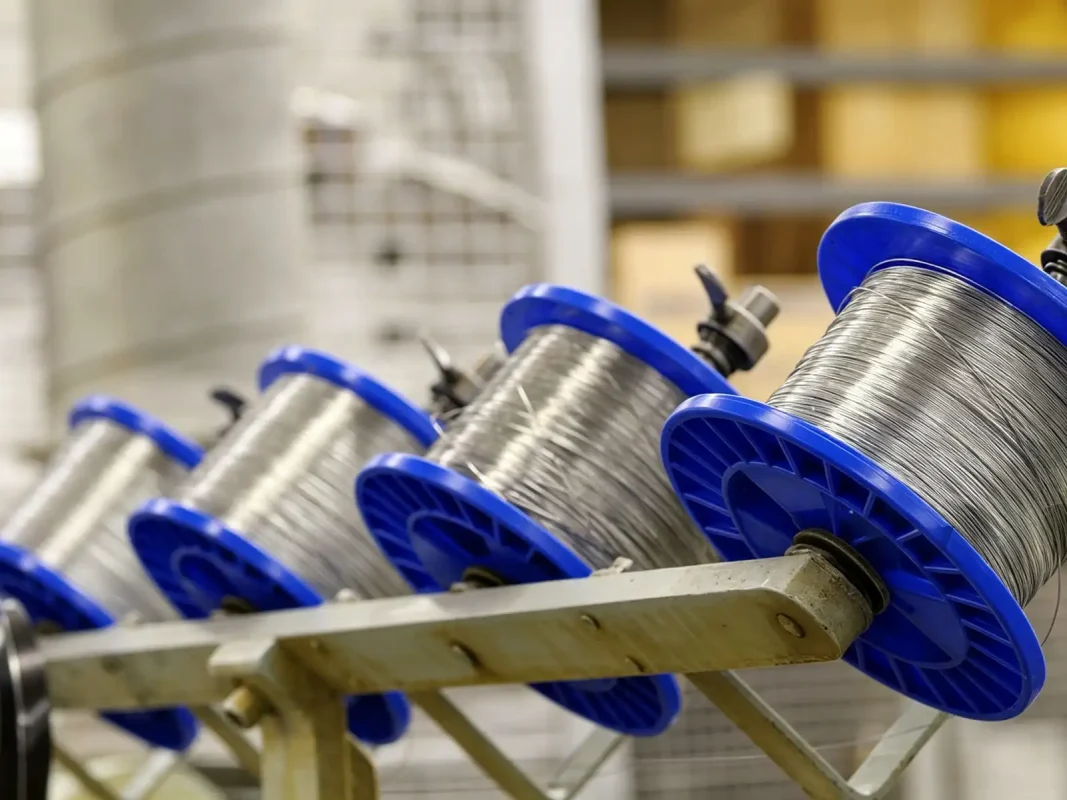
How Should You Select Gr2 Titanium Wire to Ensure Long-Term Performance?
In the industrial material-selection chain, wire selection is often underestimated — it only attract...
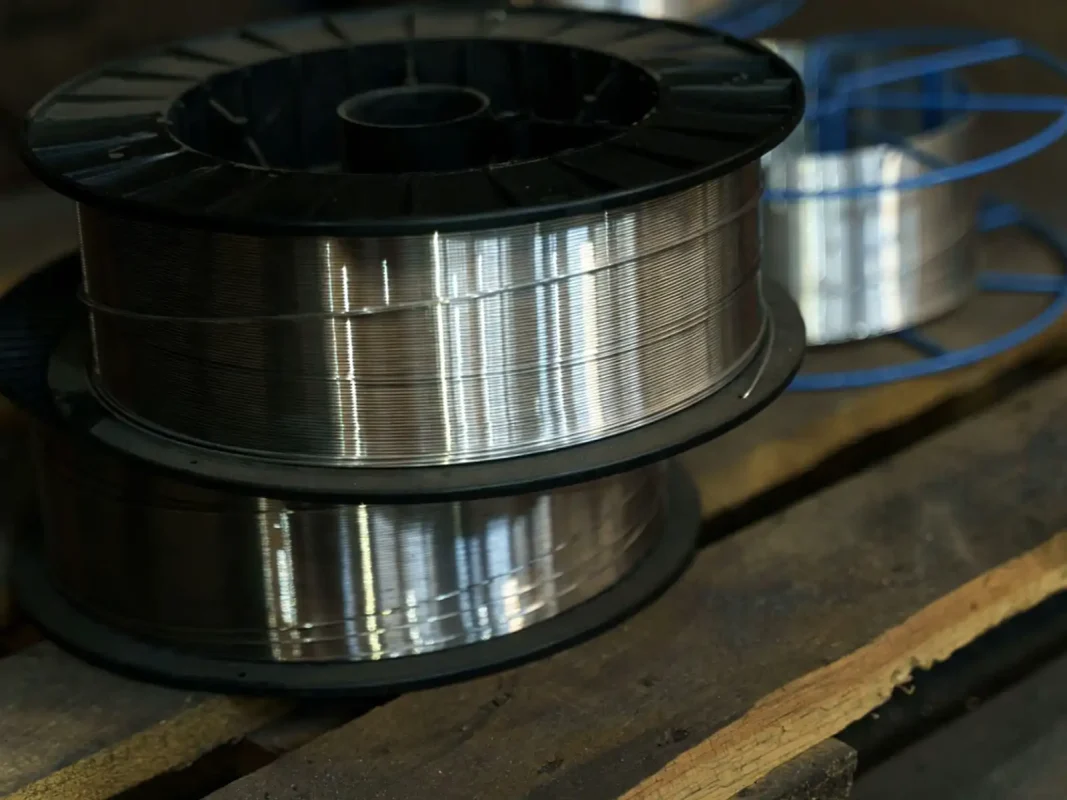
Grade 1 Titanium Wire Fatigue Performance: Test Conditions and Use
Fatigue performance of Grade 1 titanium wire is not a fixed percentage of its tensile strength....
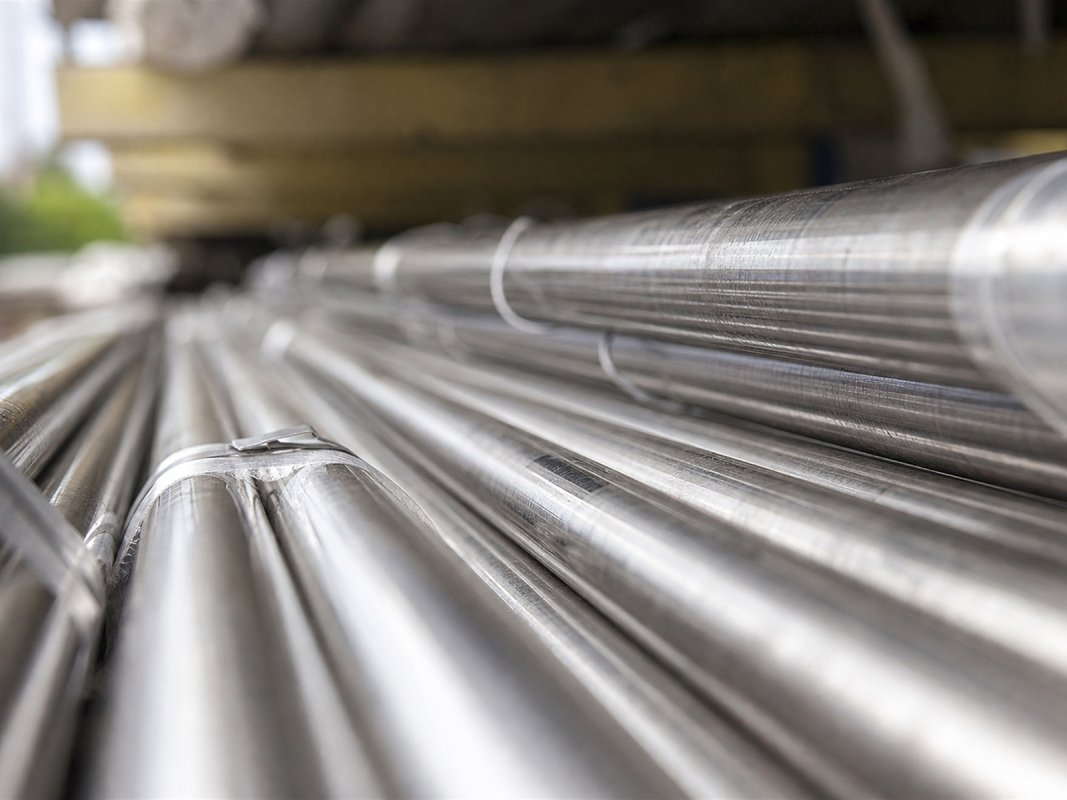
How Is Nickel 200 Bar Used in Industrial Manufacturing?
Nickel 200 bar is used as starting material for machined or fabricated industrial components wh...
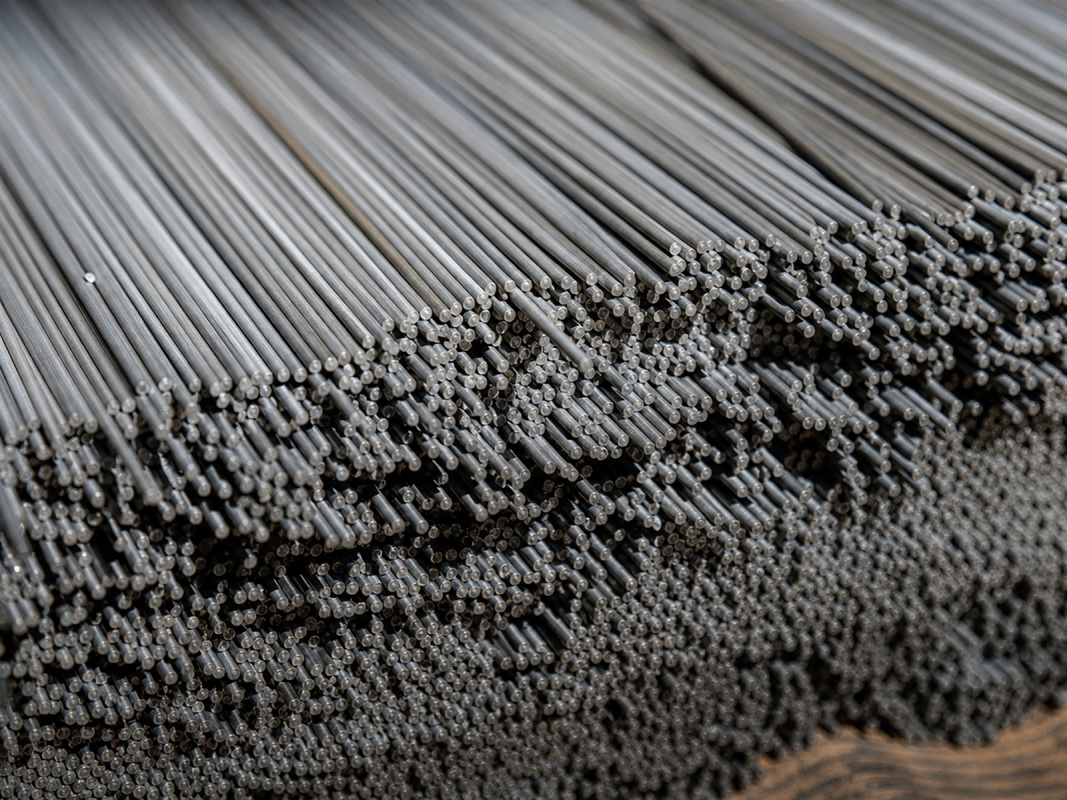
Grade 5 Titanium Bar: Chemical Service and Corrosion Assessment
Grade 5 titanium bar may be evaluated for a chemical-service component, but its corrosion behav...