
Grade 5 Titanium Bar: Chemical Service and Corrosion Assessment
- Gr5 Titanium Bar
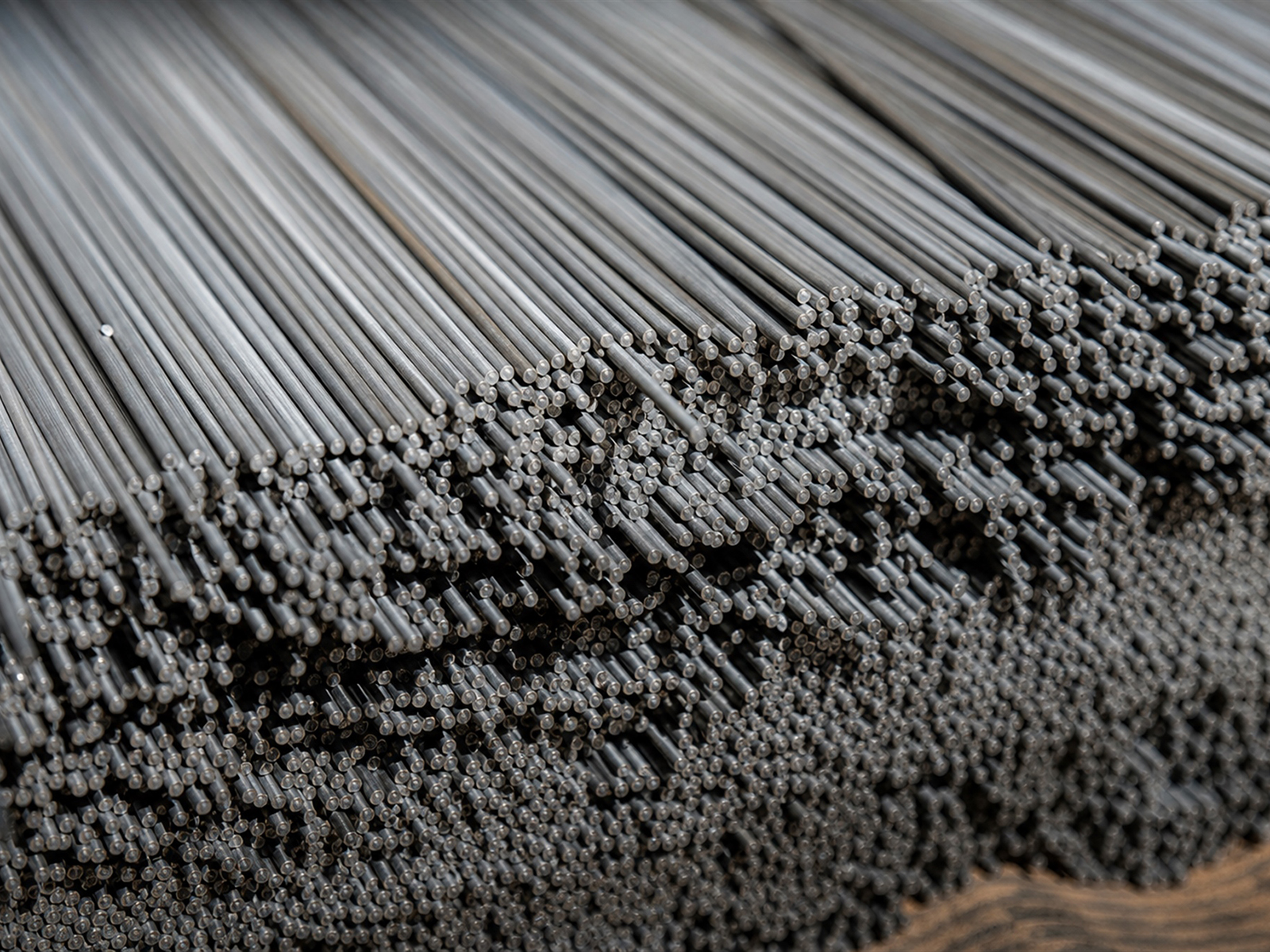
Grade 5 titanium bar may be evaluated for a chemical-service component, but its corrosion behavior cannot be summarized by a single rating for all solutions. The medium, concentration, temperature, impurities, flow, exposure, joints and material condition must be considered together.
Understand the service environment
Titanium’s surface oxide contributes to corrosion resistance in many environments. Its behavior depends on the actual chemistry and exposure; an oxide film does not guarantee immunity to pitting, crevice attack, hydrogen-related damage or failure. Identify normal operation, shutdown, cleaning and upset conditions before selecting a material.
| Environment | Assessment needed |
|---|---|
| Chloride or seawater | Evaluate temperature, oxygen, deposits, crevices, flow and connected materials. |
| Acids | Identify acid type, concentration, temperature, inhibitors and contaminants. |
| Fluoride-containing media | Assess fluoride and acidity carefully; hydrofluoric acid can attack titanium. |
| Alkaline media | Consider concentration, temperature, exposure and hydrogen-related risks. |
Do not use a star rating or fixed corrosion rate from an unidentified test as a design guarantee. Relevant corrosion data or tests should represent the material, fabrication and environment; the responsible engineer determines acceptable corrosion allowance and inspection.
Material specification and fabrication
Grade 5 is Ti-6Al-4V, UNS R56400. ASTM B348/B348M covers annealed titanium bars and billets, including Grade 5, within its scope. State the contracted edition, dimensions, condition, surface and required lot certificate. Machining, welding, surface contamination and joints can influence performance and must be evaluated for the finished component.
Compare materials for the actual project
A comparison with another titanium grade or stainless steel should identify the exact material, service chemistry, temperature and component design. Lower density or a published general resistance description does not establish longer service life or lower total cost. Where failure would affect safety or production, the project authority should approve the material and inspection plan.
Frequently asked questions
Is Grade 5 suitable for every acid?
No. Acid type, concentration, temperature and contaminants matter; hydrofluoric acid and acidic fluoride exposure require particular caution.
Does a material certificate guarantee corrosion life?
No. A certificate documents agreed material characteristics; service suitability requires an application-specific assessment.
Explore the titanium rod category or request a quotation with your material, dimensions, application and required documentation.
Published by: Titanium Valleys
Technical and quality review: The updated content is pending review.