
How Is Nickel 200 Bar Used in Industrial Manufacturing?
- Nickel 200 Bar
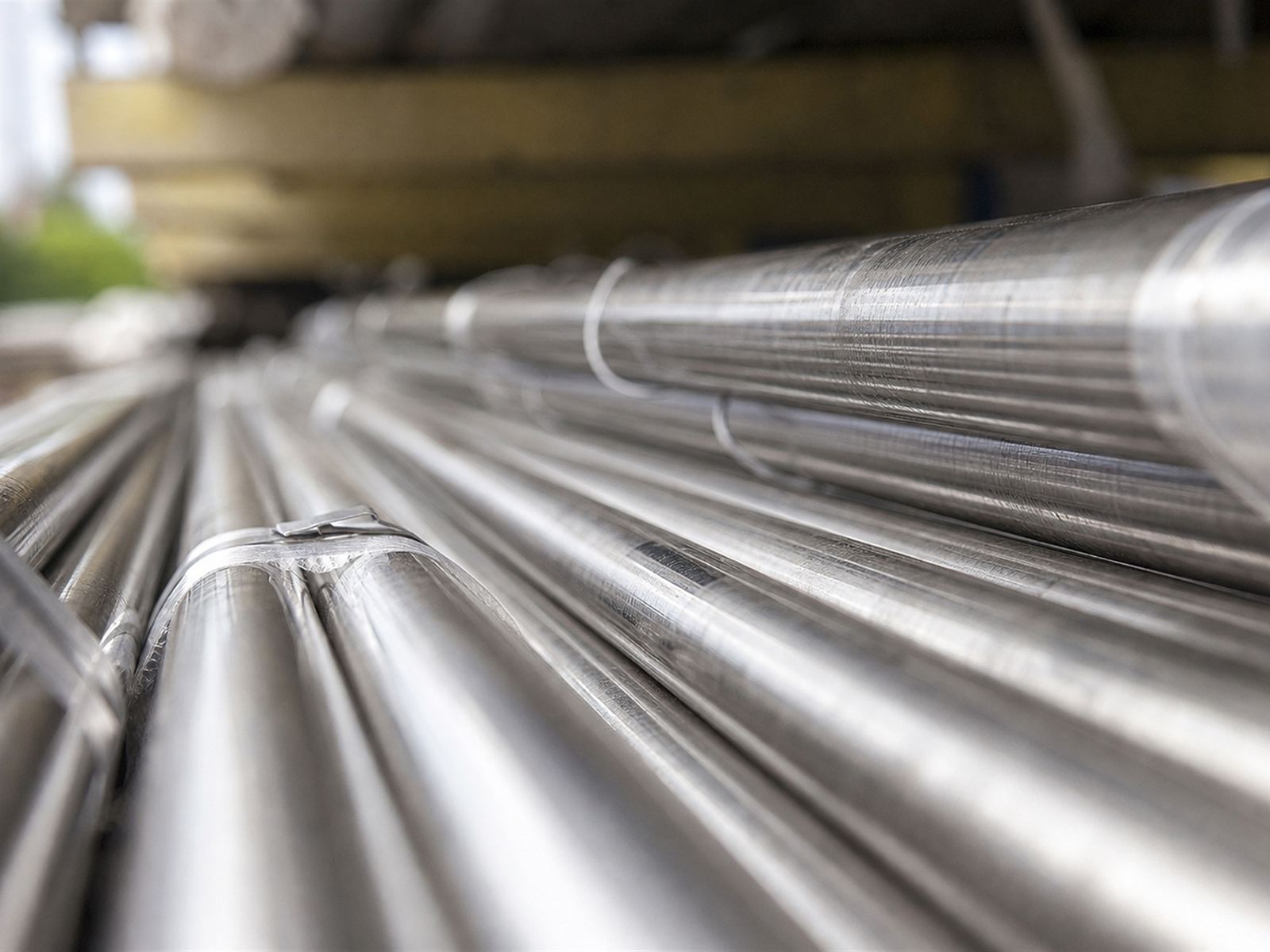
Nickel 200 bar is used as starting material for machined or fabricated industrial components when the specified grade, condition and operating environment suit the design. Selecting a bar requires more than a material name: dimensions, processing, corrosion exposure and required inspection all affect whether it is suitable for a particular part.
Grade, form and specification
Nickel 200 is identified as UNS N02200. Nickel 201, UNS N02201, is a low-carbon nickel grade and should not be substituted without agreement. ASTM B160 covers Nickel 200 and Nickel 201 in rod and bar forms within its stated scope. It is not a general wire specification. State the required standard and edition, grade, form, dimensions and condition on the purchase order, and compare the material certificate with those requirements.
| Order item | Selection detail |
|---|---|
| Material | Nickel 200 (UNS N02200) or the separately agreed Nickel 201 grade. |
| Bar | Diameter or other section, length, dimensional tolerance, straightness and surface requirements. |
| Condition | Delivery condition and any processing or heat-treatment requirements agreed for the component. |
| Records | Applicable specification and edition, lot traceability, required inspection and certificate. |
Where bar may be considered
Bar can be machined into shafts, fittings, fasteners, electrical parts and other components for chemical processing or industrial equipment. These are possible applications, not a guarantee of suitability for a specific service. Designers should assess mechanical loading and corrosion in the actual environment, including temperature, chemicals, concentration, impurities, flow and exposure time.
For caustic or other chemical service, do not assume resistance to every concentration or operating condition. Where corrosion is critical, evaluate relevant evidence or perform a suitable test for the intended environment and fabrication.
Fabrication and performance
Machining, forming and joining requirements should be agreed against the drawing and material condition. Welding procedure, filler, cleaning and inspection must be selected and qualified as required for the component. Dimensions and surface condition can influence processing and should be specified in advance.
Mechanical, electrical and magnetic properties depend on material condition and test conditions. Request the relevant measured or specified properties where they are important; do not assume an exact conductivity, strength, service temperature or magnetic response from the grade name alone. Nickel 201’s lower carbon designation may be relevant to high-temperature material selection, but the final choice depends on the complete service and specification requirements.
Frequently asked questions
Does ASTM B160 apply to Nickel 200 wire?
Its scope addresses rod and bar; select and agree the appropriate specification for a wire order.
Are Nickel 200 and Nickel 201 automatically interchangeable?
No. Confirm the grade and requirements with the component designer and purchaser before substitution.
What documentation can be requested?
Discuss the applicable material certificate, lot identification and agreed inspection items with the supplier when requesting a quotation.
Explore the nickel rod category or request a quotation with the drawing, required material specification, inspection and documentation.
Published by: Titanium Valleys
Technical review: General Manager of the Production Department
Quality review: Quality Inspection Department
Last reviewed: October 20, 2026 (before the latest content update; the updated content is pending review).