
What Are the Properties and Advantages of Ti-15V-3Al-3Cr-3Sn Titanium Foil as a Beta Titanium Alloy?
- Ti-15V-3Al-3Cr-3Sn Titanium Foil
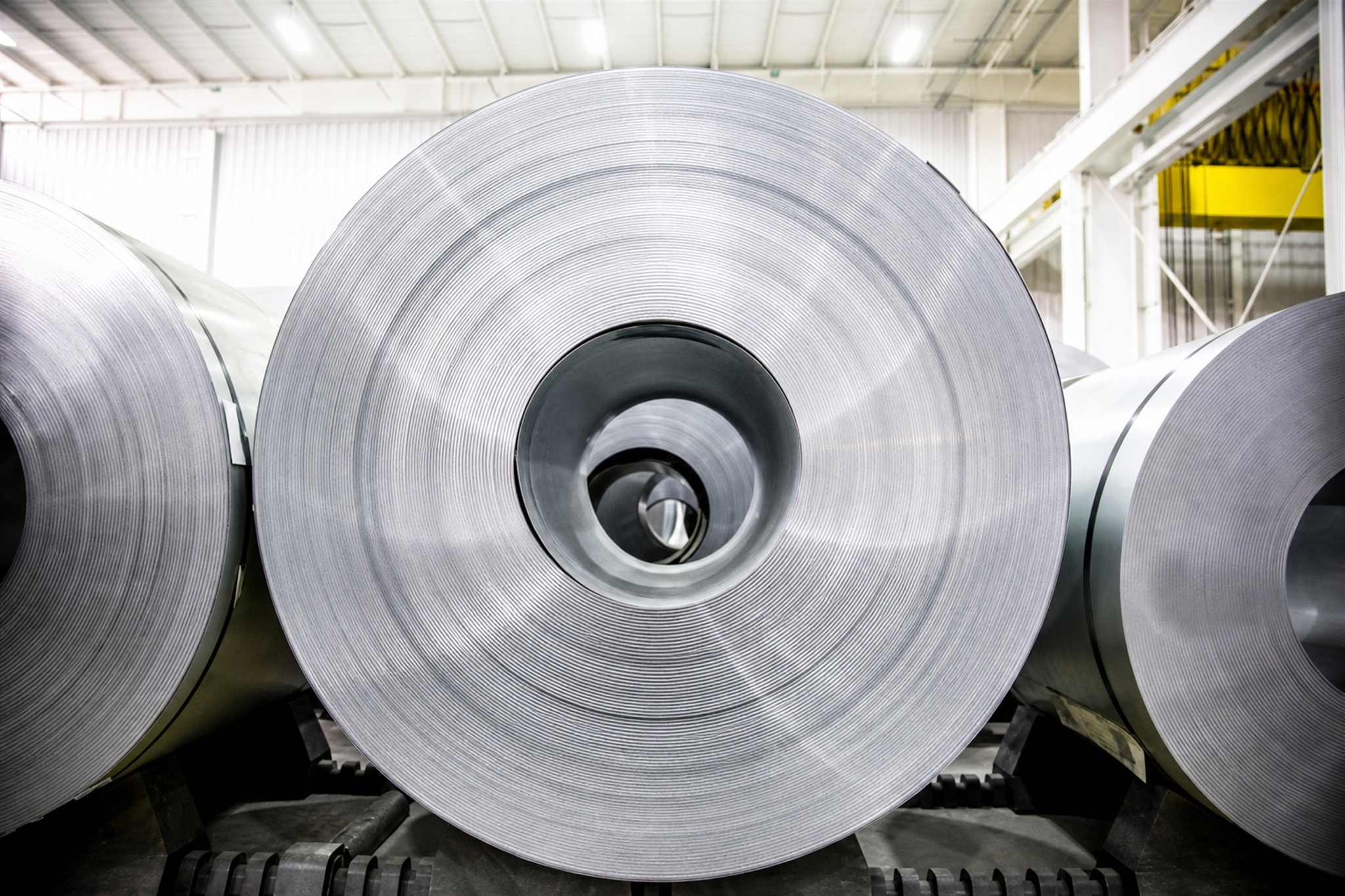
Direct engineering answer. Ti-15V-3Al-3Cr-3Sn Titanium Foil should be evaluated against the finished component, product form, governing specification, downstream process and acceptance evidence. A general property value is an orientation tool; the released drawing, current certificate and inspection plan control the final decision.
In the high-end precision manufacturing sector, material selection often directly affects product performance. Ti-15V-3Al-3Cr-3Sn titanium foil, as a near-β titanium alloy thin strip/foil, has attracted attention in specific applications such as aerospace, precision electronics, and chemical corrosion protection. The alloy’s main characteristic is that cold-forming capability and age-hardening capability can be controlled separately: complex forming is completed in the cold-rolled annealed condition or a user-specified pre-forming condition, and strength is then increased through aging treatment, with the two stages relatively independent. This “form first, strengthen later” process route gives it certain application advantages in complex-shape, high-strength thin-walled parts. This article introduces the material from the perspectives of alloy characteristics, manufacturing processes, performance comparisons, and typical engineering applications.
1. The Nature of the Ti-15V-3Al-3Cr-3Sn Alloy: Why Is It “Near-β”?
Understanding the performance of Ti-15V-3Al-3Cr-3Sn titanium foil starts with its alloying fundamentals. Titanium alloys can be classified by equilibrium phase constitution into α, α+β, and β types, and “near-β” alloys occupy the transitional zone between the α+β and β types.
(1) Synergistic Effects of β-Stabilizing Elements
In Ti-15V-3Al-3Cr-3Sn, vanadium (V) and chromium (Cr) are strong β-stabilizing elements that allow the β phase to be retained to room temperature. Aluminum (Al) mainly strengthens the α phase, while tin (Sn) further improves the alloy’s overall mechanical properties. The combined action of these four alloying elements gives this grade a metastable β-phase microstructure at room temperature and good plastic deformation capability in the processed condition.
(2) Cold-Forming Advantages Brought by the Metastable β Phase
In metastable β titanium alloys, the β phase has more slip systems than the α phase at room temperature, and dislocation motion encounters lower resistance, so cold rolling, stamping, and bending are less prone to cracking. Compared with α+β alloys such as Gr5 (Ti-6Al-4V), Ti-15V-3Al-3Cr-3Sn titanium foil can typically withstand greater bending deformation at the same thickness without fracture, making it suitable for complex curved parts.
(3) Aging-Strengthening Mechanism: β-Phase Decomposition Precipitates α Phase
After aging treatment, the metastable β phase decomposes, and fine α-phase particles precipitate dispersedly in the β matrix. These particles pin dislocation motion, markedly increasing the material’s strength. Forming is completed before aging, so age hardening does not alter the formed shape — which is also why cold forming and age hardening can be controlled separately.
2. Key Manufacturing Steps from Melting to Foil
Producing Ti-15V-3Al-3Cr-3Sn titanium foil is not a simple rolling-thinning operation but a systematic engineering effort involving metallurgical quality, hot working, cold rolling, and surface treatment. Only the key steps are described below; specific supplier equipment parameters are not covered.
(1) Vacuum Melting and Hot-Working Breakdown
Titanium alloys are sensitive to interstitial elements such as oxygen and nitrogen, and interstitial contamination can increase brittleness. Vacuum melting reduces the oxygen partial pressure in the melting environment, controlling alloy purity at the source. Subsequent forging and hot-rolling breakdown refine the as-cast structure, providing a uniform billet for subsequent cold rolling.
(2) Multi-Pass 20-High Precision Cold Rolling
Cold rolling ultra-thin foil requires a roll stack with high stiffness and precise thickness control. The 20-high mill reduces work-roll deflection through multiple levels of backup rolls, minimizing strip thickness variation and enabling stable rolling of strip at the 0.02 mm level. Flatness control is more difficult when rolling wide strip, requiring coordinated matching of the roll stack, tension, and closed-loop thickness-control system.
(3) Continuous Annealing and Surface Cleaning
Multi-pass cold rolling accumulates work hardening, which must be relieved by continuous annealing. A continuous annealing line may use multi-zone independent electric heating control; a maximum equipment temperature of 1100℃ and temperature-control accuracy of ±2℃ represent only the equipment capability ceiling and cannot be equated with the actual annealing process temperature for this alloy. Ti-15V-3Al-3Cr-3Sn titanium foil’s actual recrystallization/softening annealing temperature should generally be controlled in the 720–800℃ range, determined according to thickness, cold-rolling reduction, and target microstructure. If the annealing temperature is too high, grain coarsening, thermal deformation of thin strip, and surface-oxidation risks may occur even under a protective atmosphere.
After annealing, ultrasonic cleaning is used mainly to remove residual oil and particles from the strip surface; if an oxide layer is present, it must be addressed through pickling, grinding, or mechanical deoxidation, since ultrasonic cleaning alone cannot fully remove an oxide layer. After cleaning, surface wetting tension can reach 40 dynes/cm or higher, providing a clean surface foundation for subsequent coating, bonding, and other processes. Annealing and cooling may be carried out with inert-gas or vacuum protection, but a protective atmosphere cannot completely eliminate high-temperature oxidation and dimensional-control risks; atmosphere dew point, residual oxygen, tension, and rapid cooling must still be managed.
3. Performance Comparison: Differences Between Ti-15V-3Al-3Cr-3Sn and Mainstream Titanium Alloy Foils
Engineers often need to compare multiple titanium alloy grades during material selection. The table below summarizes the differences between Ti-15V-3Al-3Cr-3Sn and common titanium alloy foils across key performance dimensions. Strength values in the table are typical ranges or common specification values; actual values should be based on the specific standard, thickness, and heat-treatment condition.
(1) Overall Performance Comparison of Mainstream Titanium Alloy Foils
Comparison Item | Gr1 CP Titanium | Gr2 CP Titanium | Gr4 CP Titanium | Gr5 (Ti-6Al-4V) | Ti-15V-3Al-3Cr-3Sn |
Alloy Type | Commercially pure titanium | Commercially pure titanium | Commercially pure titanium | α+β | Near-β |
Room-Temperature Ultimate Tensile Strength (MPa) | 240–330 | 345–450 | 550–700 | 895–1000 | Annealed: ~700–900; aged: ~1000–1100 |
Room-Temperature Yield Strength (MPa) | 170–240 | 275–345 | 480–600 | 828–910 | Annealed: ~600–800; aged: ~950–1050 |
Cold Formability | Excellent | Excellent | Medium | Poor/significantly limited | Excellent (annealed or cold-rolled) |
Strength Adjustability | None | None | Limited | Limited | High; controllable via aging |
Suitable Applications | Extreme forming | General industrial | Load-bearing structures | High-strength structural parts | Aerospace/high-end precision |
(2) In-Depth Performance Comparison Between Ti-15V-3Al-3Cr-3Sn and Gr5
Performance Dimension | Gr5 (Ti-6Al-4V) | Ti-15V-3Al-3Cr-3Sn |
Alloy System | α+β | Near-β |
Cold-Rolling Reduction Capability | Limited; frequent inter-pass annealing required | Strong; multiple cold-rolling passes possible |
Strength Increase After Forming | Limited | Significant, mainly through age hardening |
Ultra-Thin Foil Processability | Difficult | Stable mass production at 0.02 mm; 0.005 mm managed as a trial item |
Applicable Certification Standards | AMS 4911 (plate/strip), etc. | AMS 4983 / AMS 4984 (thickness range per latest standard) |
Typical Application Positioning | General high-strength structures | Aerospace structural parts and high-end precision components |
(3) Differences in Cold Formability
Gr5 has limited room-temperature ductility and tends to develop edge cracks and strip breakage when cold-rolled to very thin gauges. In the processed condition, Ti-15V-3Al-3Cr-3Sn exhibits forming flexibility close to that of commercially pure titanium, enabling complex stamping, precision bending, and other operations — a standout advantage in thin-walled complex parts.
(4) Freedom in Strength Adjustment
The strength of CP titanium (Gr series) foils is determined primarily by composition and cold-worked condition, leaving a narrow adjustment window. Gr5 has limited age-hardening headroom. Ti-15V-3Al-3Cr-3Sn, by contrast, can control the amount and morphology of α-phase precipitation by adjusting the aging temperature (typically 480–560℃) and holding time, thereby tuning final mechanical properties over a wide range. After aging, ultimate tensile strength is typically about 1000–1100 MPa and yield strength about 950–1050 MPa; in the annealed condition, ultimate tensile strength is about 700–900 MPa with higher ductility, accommodating different engineering scenarios’ requirements for matching strength and ductility.
(5) Physical Properties and Engineering Significance
Ti-15V-3Al-3Cr-3Sn titanium foil has a density of about 4.76 g/cm³, lower than steel (7.85 g/cm³) and nickel-based superalloys, giving it certain advantages in weight-reduction design. The material is generally non-magnetic, but this characteristic is shared by most titanium alloys and does not constitute a differentiating advantage over other titanium alloys. Its corrosion resistance is good and can reduce reliance on additional protective coatings in corrosive environments such as marine and chemical applications, but each application should still be evaluated in light of the medium type and temperature.
4. Typical Engineering Application Scenarios and Key Technical Requirements
(1) Aerospace Thin-Walled Structural Parts
Aerospace structural parts place a high priority on weight reduction, and large thin-walled parts often face difficulties in weight reduction, forming consistency, and high processing scrap rates. Ti-15V-3Al-3Cr-3Sn titanium foil can be formed into complex curved shapes in the annealed or cold-rolled condition and then brought to relatively high strength through aging treatment, making it suitable for thin-walled structural parts that are formed first and strengthened later. The material satisfies the corresponding requirements of AMS 4983 / AMS 4984, but the specific thickness range and supply condition must be based on the latest edition of the standard and the agreement of both parties. For ultra-thin gauges of 0.02 mm and below, the standard’s coverage should be verified, or supply should follow the enterprise specification.
(2) Electronic Components and Precision Structural Parts
Ultra-thin, wide titanium foil can be used for precision structural parts, spring elements, and laminated assemblies in electronic components. Wide-gauge material reduces the number of splices in large-area components, and stable mass-production capability down to 0.02 mm suits certain microformed parts. It should be noted that titanium alloys have lower electrical conductivity than copper and aluminum, so “electromagnetic shielding” should not be the primary basis for selection unless measured data on conductivity and shielding effectiveness support a specific frequency band. If used for electrical conduction or shielding, surface treatment and electrical performance should be evaluated separately.
(3) Precision Instruments and Sensors
Ultra-thin materials tend to develop warpage and residual stress during processing, affecting the dimensional consistency of parts such as sensor spring elements and precision diaphragms. High-precision leveling and precision slitting that control flatness and dimensional tolerances can provide more stable raw material for such parts. This stage should focus on controlling width tolerance, surface quality, residual stress, and edge condition — not just thickness.
(4) Composite Materials and Laminated Structures
In large-area metal-composite laminates, the interfacial continuity of the metal layer and the uniformity of bond strength directly affect structural performance. After surface grinding and cleaning, Ti-15V-3Al-3Cr-3Sn titanium foil can achieve improved surface wetting tension and roughness uniformity, thereby improving interfacial bond quality with resin matrices or ceramic coatings. This application primarily uses thin strip and does not require it to bear primary corrosion or load-bearing duty.
(5) Corrosion-Resistant Cladding and Sealing Elements in Chemical Corrosion Protection
Chemical-equipment linings often develop corrosion weak points due to dense weld seams; wide titanium plate/strip can reduce the number of splice welds. However, foil must be distinguished from lining plate/strip: 0.02–1.0 mm foil is generally not suitable as the primary lining of pressure equipment because of insufficient corrosion allowance and structural stability. Its more appropriate roles are corrosion-resistant cladding, sealing gaskets, composite-plate surface layers, or non-load-bearing anticorrosion patches. If used for equipment lining, plate/strip of adequate thickness should be selected, with design and corrosion-allowance calculations performed.
5. Conclusion
Ti-15V-3Al-3Cr-3Sn titanium foil as a near-β alloy combines good cold formability with high strength after aging, offering application value in specific fields such as aerospace, precision instruments, and chemical corrosion protection. Its “cold forming followed by age hardening, with the two controlled separately” process route makes it suitable for the manufacture of complex thin-walled parts that are formed first and strengthened later. For ultra-thin gauges, special-purpose uses, and standard coverage, item-by-item engineering validation is still required.
FAQ
(1) Q1: What is the essential difference in cold formability between Ti-15V-3Al-3Cr-3Sn titanium foil and Gr5 titanium foil?
Gr5 is an α+β alloy with limited room-temperature ductility; it is prone to cracking during cold forming and is not suitable for complex-shaped parts. Ti-15V-3Al-3Cr-3Sn is a near-β alloy whose ductility in the annealed or cold-rolled condition approaches that of commercially pure titanium, allowing stamping, precision bending, and other operations, with strength then increased through aging treatment after processing.
(2) Q2: How does aging treatment of Ti-15V-3Al-3Cr-3Sn titanium foil affect final mechanical properties?
Aging treatment is typically carried out in the 480–560℃ range. During holding, the metastable β phase decomposes and fine α-phase particles precipitate dispersedly, producing a strengthening effect. After aging, ultimate tensile strength is typically about 1000–1100 MPa and yield strength about 950–1050 MPa. By adjusting aging temperature and holding time, the combination of strength and ductility can be tailored over a wide range.
(3) Q3: What specifications of Ti-15V-3Al-3Cr-3Sn titanium foil can be customized, and what is the minimum achievable thickness?
Stable mass-production thickness ranges from 0.02 to 1.0 mm, with widths of 15–680 mm and lengths customized per customer requirements. The 0.005 mm gauge is a trial/sample specification whose manufacturability and repeatability should be clarified; it should not be confused with stable mass-production gauges. Surface conditions include bright and matte finishes, and supply forms cover coils, strip, and cut-to-length sheet.
Contact Us
Looking for a reliable Ti-15V-3Al-3Cr-3Sn titanium foil manufacturer, supplier, or processing service? A professional titanium materials company with full-process capability from melting to finished products can support specification customization and small-batch prototyping. Contact us: sales@titaniumvalleys.com
References
- Zhang Xiyan, Zhao Yongqing, Bai Chenguang. Titanium Alloys and Applications. Beijing: Chemical Industry Press, 2005.
- Editorial Committee of the China Aeronautical Materials Handbook. China Aeronautical Materials Handbook: Volume 4 Titanium Alloys. Beijing: Standards Press of China, 2002.
- National Nonferrous Metals Standardization Technical Committee. GB/T 3622—2012 Titanium and Titanium Alloy Strip and Foil. Beijing: Standards Press of China, 2013.
- National Nonferrous Metals Standardization Technical Committee. GB/T 3621—2007 Titanium and Titanium Alloy Plates. Beijing: Standards Press of China, 2007.
- C. Leyens, M. Peters (Eds.), translated by Chen Zhenhua et al. Titanium and Titanium Alloys. Beijing: Chemical Industry Press, 2005.
Engineering specification and verification framework
For Ti-15V-3Al-3Cr-3Sn Titanium Foil, state grade, ordered product form, condition, nominal dimensions, tolerances, surface requirement, quantity and documentation in one controlled RFQ. The applicable product-form reference is ASTM B265, subject to the current edition and project-specific requirements. When tensile evidence is required, define the test method and sampling basis; ASTM E8/E8M or ISO 6892-1 may apply where consistent with the order.
| RFQ field | Required detail | Reason |
|---|---|---|
| Material identity | Grade, form, ASTM B265, condition | Prevents unintended substitution. |
| Geometry | Nominal size, tolerance, length or coil form | Defines production and inspection scope. |
| Process context | Forming, machining, joining, etching or assembly | Relates supply condition to actual manufacture. |
| Verification | Certificate, dimensional checks, lot identity | Creates a traceable acceptance plan. |
Risk review and incoming control
Common avoidable risks include tolerance stack-up, unclear condition, surface damage, undocumented substitution and loss of lot identity after cutting. At receipt, reconcile the purchase order, packing label and certificate before release to production. Define any supplementary testing, sampling and report format before quotation rather than after shipment.
Technical FAQ
Can catalogue values approve the material?
No. Final approval must use the ordered form, condition, standard, drawing, process route and service boundary.
What should an RFQ include?
Provide the drawing where available, grade and standard, dimensions, tolerance, condition, quantity, process context, service information and documentation requirement.
Product resources and technical quotation
Review the relevant titanium foil product category. For a drawing-based review, request a technical quotation with the full specification.
References and use note
- ASTM B265, applicable edition, for the ordered product form.
- ASTM E8/E8M or ISO 6892-1 where the project specifies tensile verification.
- Project drawing, purchase specification, certificate and agreed inspection plan.
This engineering note supports procurement specification. It does not replace component design validation or the governing contractual standard.