
Grade 1 Titanium Wire Fatigue Performance: Test Conditions and Use
- Gr1 Titanium Wire
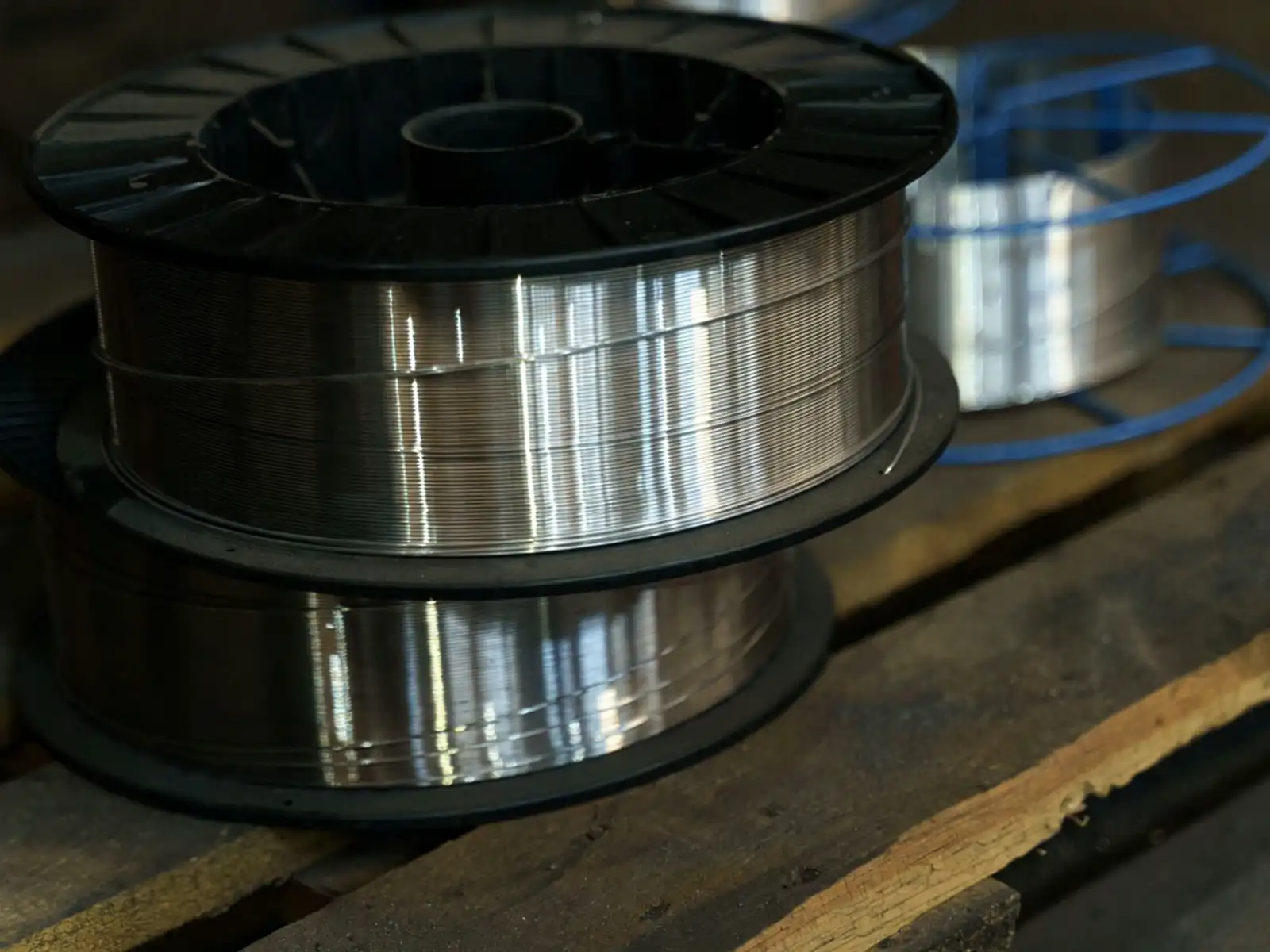
Fatigue performance of Grade 1 titanium wire is not a fixed percentage of its tensile strength. It depends on the material condition, wire surface, specimen geometry and the loading and environment used in the test.
Read a fatigue report
Identify the material grade and lot, wire diameter, condition, surface preparation and test method. Record whether the test uses axial, bending or another loading mode, together with stress ratio, amplitude, frequency, temperature, environment, cycle count and failure or run-out criterion. A result is meaningful only within its stated conditions.
Surface and manufacturing effects
Drawing, bending, joining, notches and surface damage may change local stresses and fatigue behavior. Assess representative wire and finished geometries after relevant processing. A bright appearance or an assumed residual stress does not by itself guarantee a fatigue limit.
Material and fatigue procedures
ASTM B863 covers titanium and titanium-alloy wire as a material specification. ASTM E466 may be relevant to axial force-controlled constant-amplitude fatigue testing of suitable specimens within its scope. The project must select the appropriate test method and acceptance plan; a material certificate or room-temperature tensile test alone does not establish finished-component fatigue life.
Frequently asked questions
Can Grade 1 wire fatigue strength be calculated using a universal tensile-strength ratio?
No. Use results or validated evidence for the material, specimen and loading of interest.
Can an air test be used as a guarantee in a corrosive medium?
No. The operating environment needs its own engineering assessment and evidence.
Explore the titanium wire category or request a quotation with the drawing, required material specification, inspection and documentation.
Published by: Titanium Valleys
Technical review: General Manager of the Production Department
Quality review: Quality Inspection Department
Last reviewed: October 20, 2026 (before the latest content update; the updated content is pending review).