
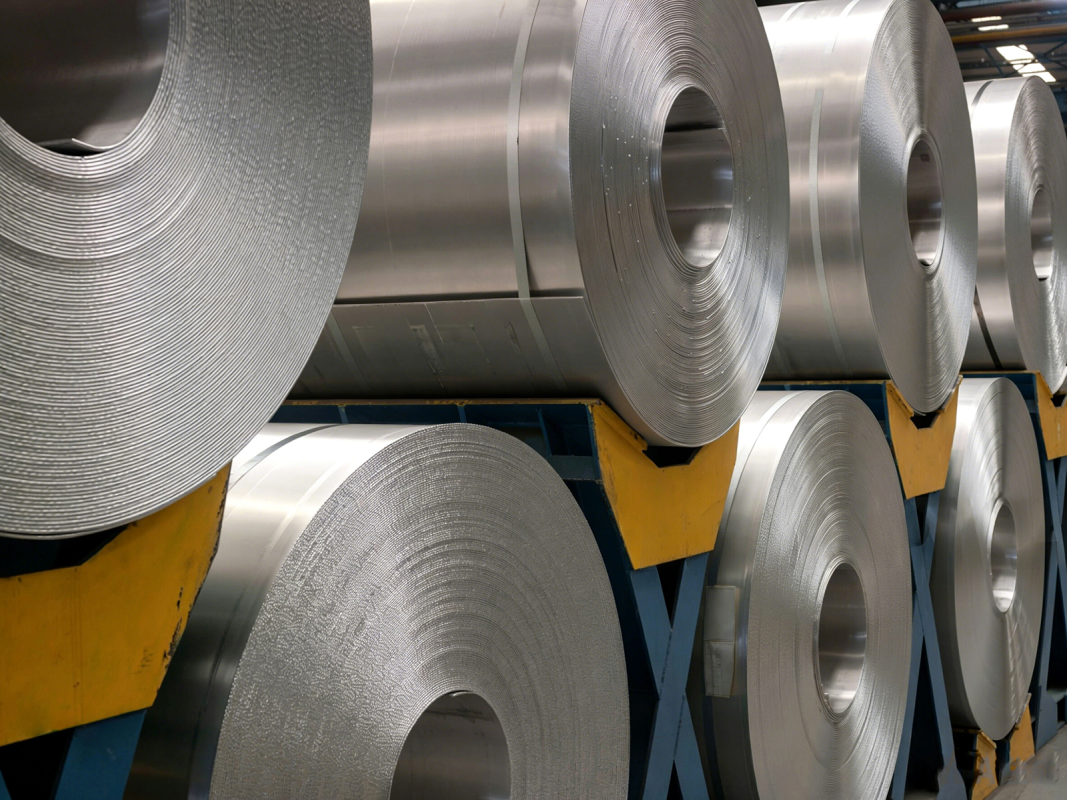
How Do You Select the Thickness of Gr2 Titanium Foil: Standard Sizes, Application Recommendations, and Process Boundaries?

Selecting a thickness for Gr2 industrial commercially pure titanium foil requires distinguishing bet...
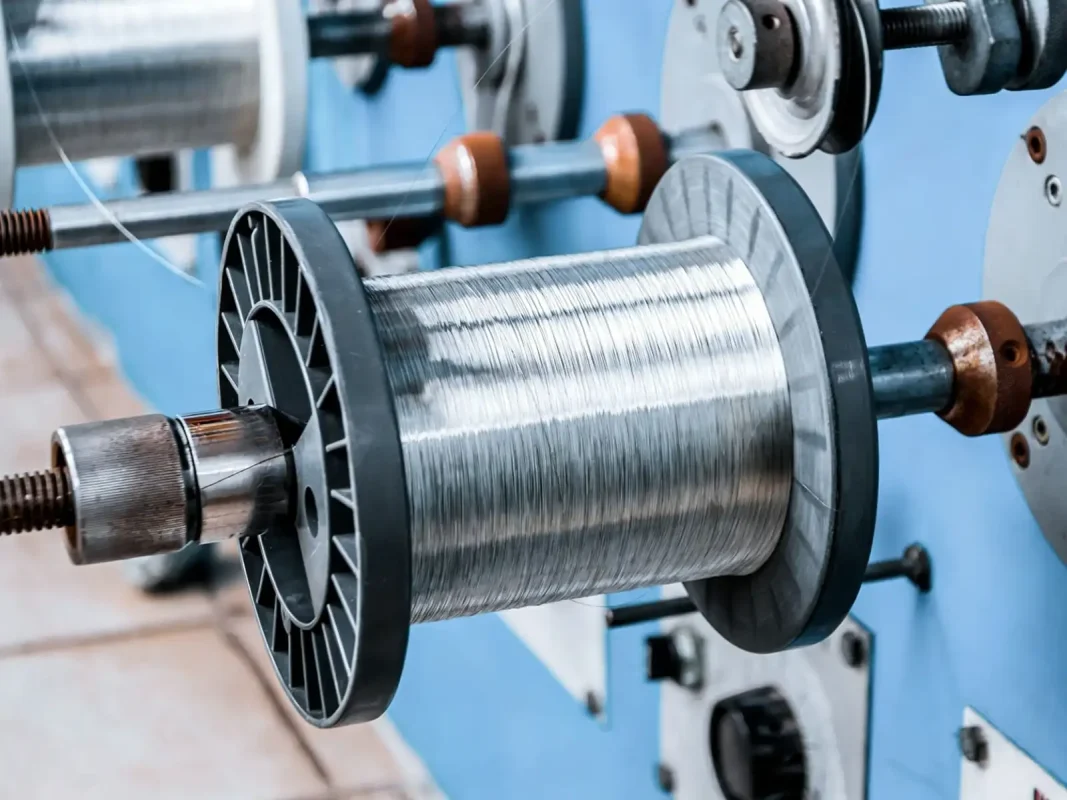
How Do Gr12 Titanium Wire and Stainless Steel Wire Compare in Performance?
In chemical, marine engineering, and oil & gas pipeline applications, a wrong material selection...
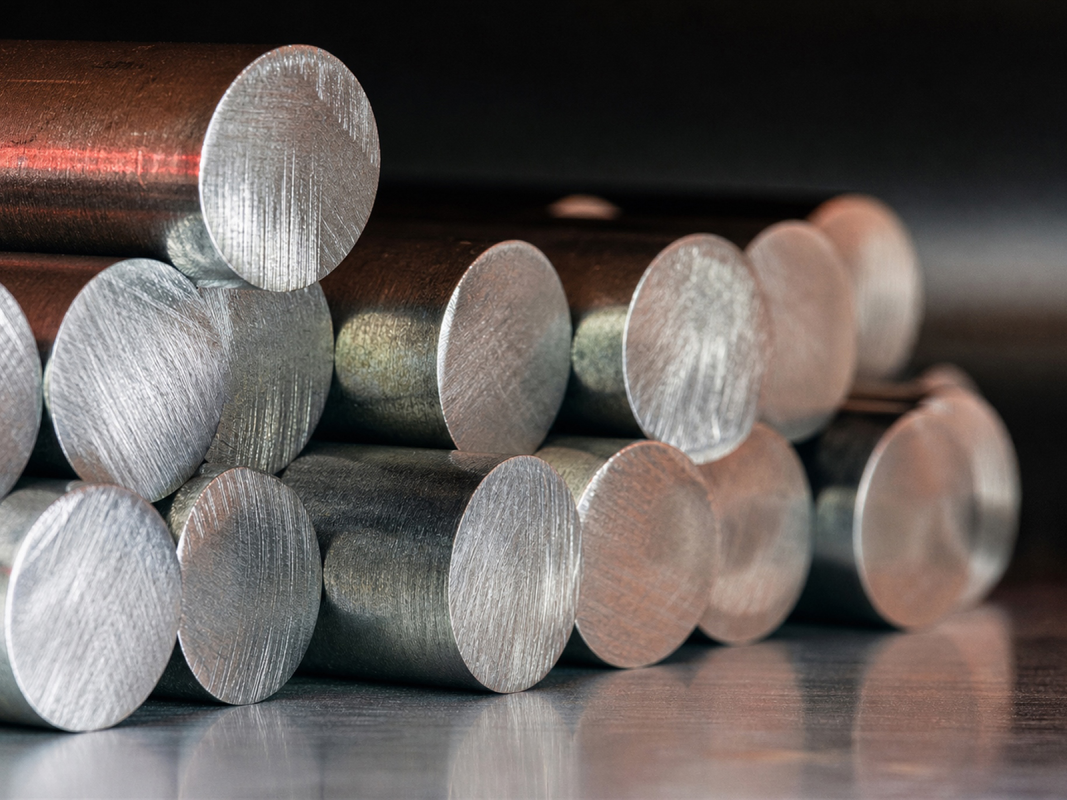
How Can R60705 Zirconium Bars Be Cut Without Damaging the Material?
Cutting R60705 zirconium bar (UNS R60705, Zr-2.5Nb alloy) is not a casual operation. This zirconium-...
How Does the Strength of Gr2 Titanium Foil Compare with Other Metals?
As an industrial-grade pure titanium material, Gr2 titanium foil exhibits outstanding strength chara...
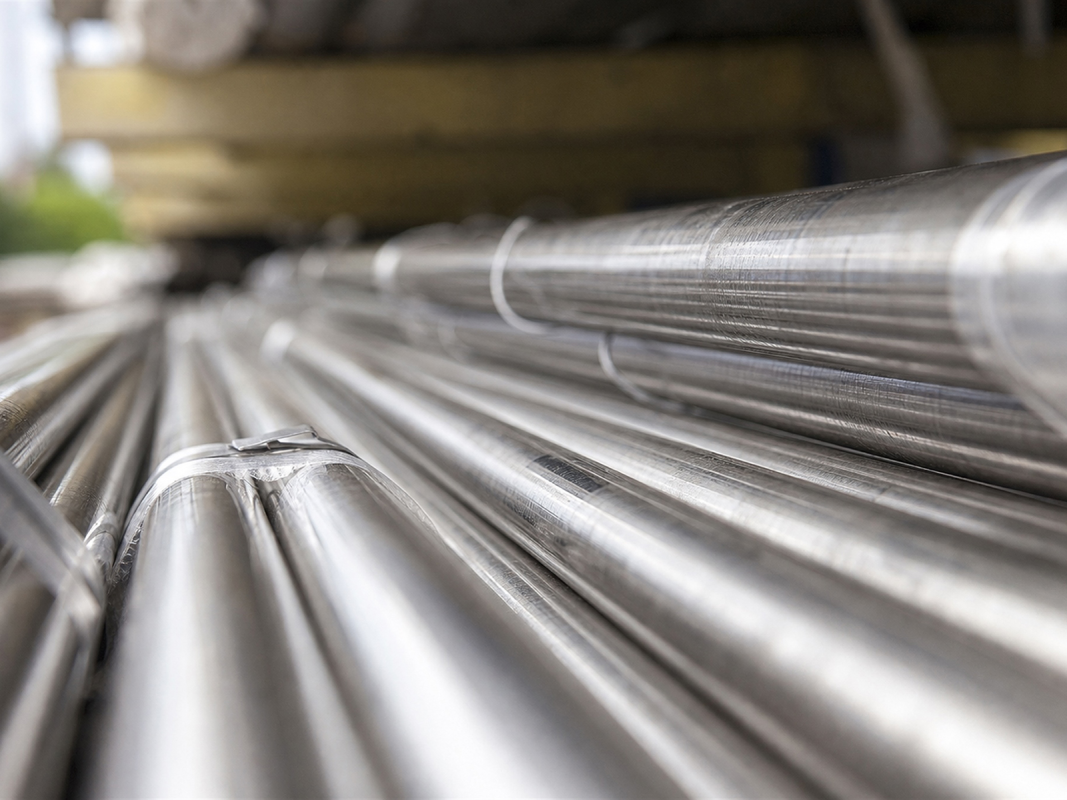
What Is Zirconium R60705 Rod? What Are Its Main Industrial Applications?
Zirconium R60705 Rod is a high-performance zirconium-niobium alloy solid rod based on the UNS R60705...
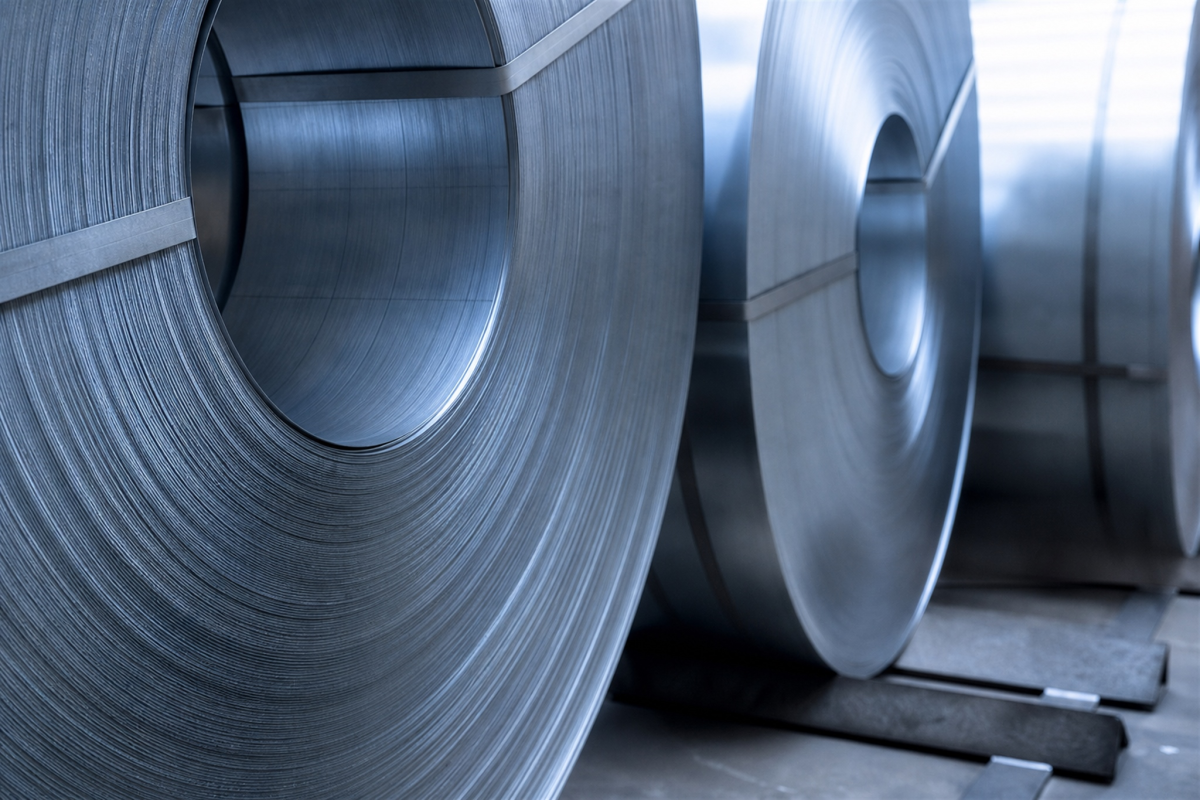
What Should You Know About Everything You Need to Know About Nickel 201 Alloy Foil?
Nickel 201 (UNS N02201) is a low-carbon commercially pure nickel material, whose main feature is tha...
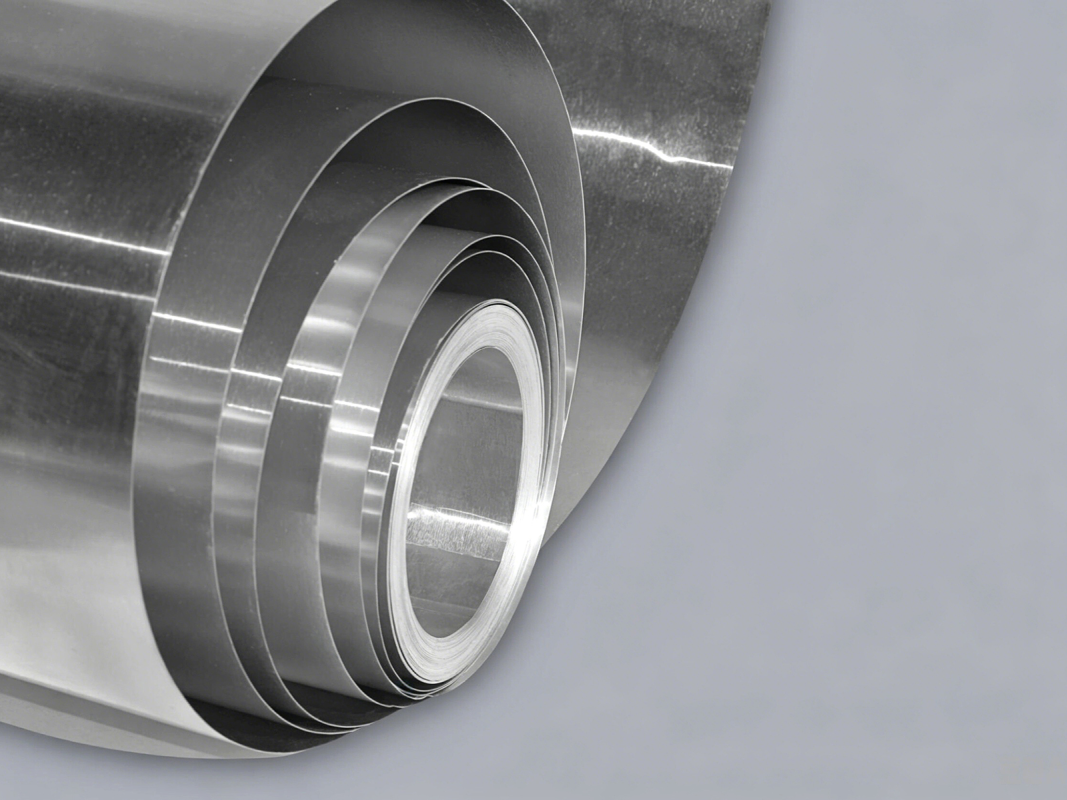
Why Is Zr702 Foil Widely Used in Corrosive Environments?
In today's high-end manufacturing industry, the performance of materials in extreme corrosive enviro...
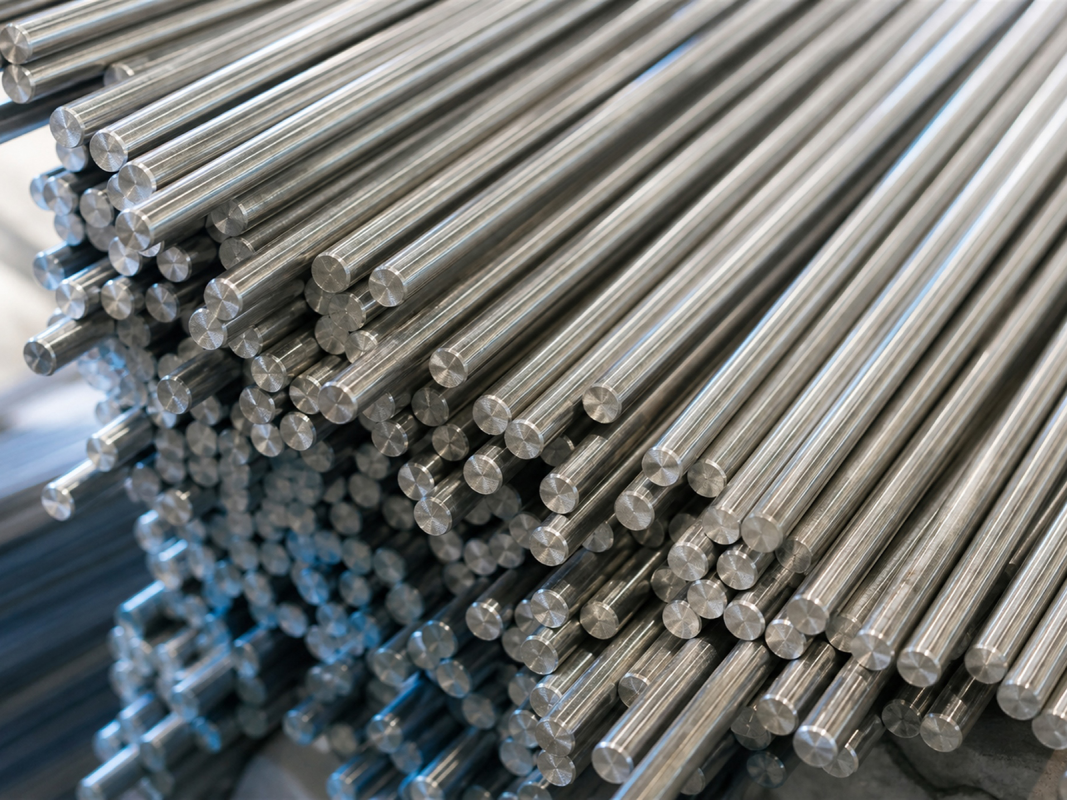
Why Is the Main Advantages of Using TB13 Titanium Rods in Manufacturing Important?
TB13 titanium rods, as a representative material of near-β titanium alloys, demonstrate a unique com...
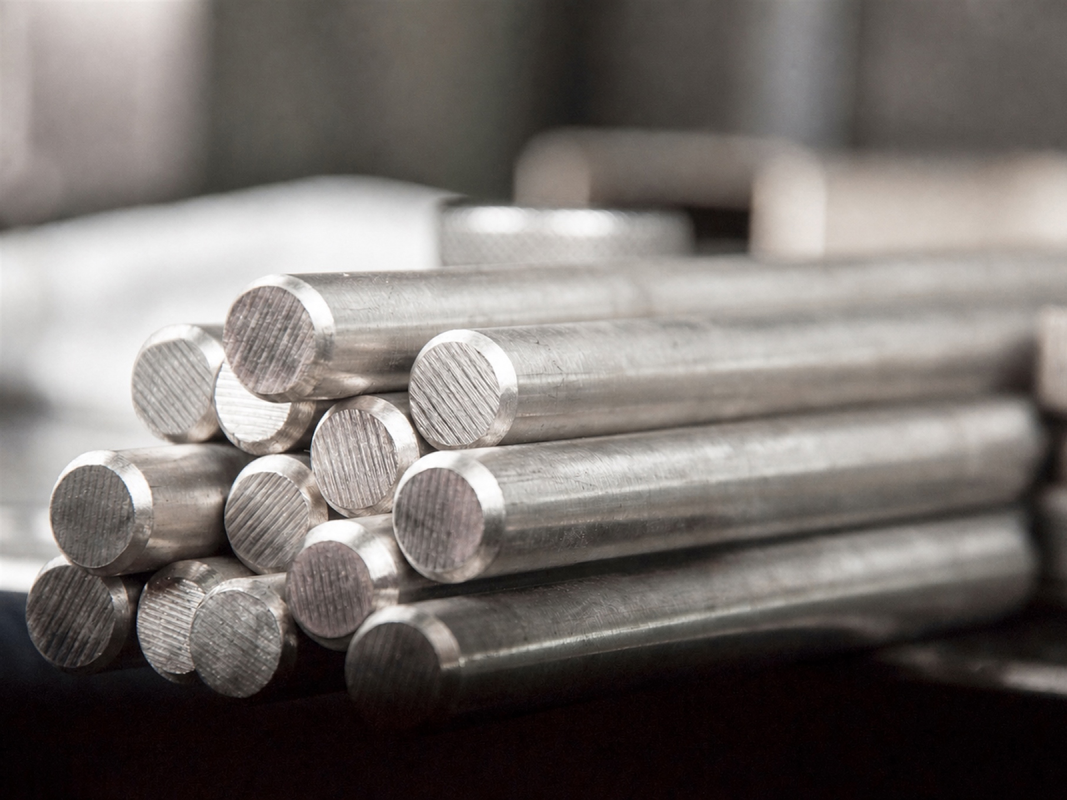
Why Is TB13 Titanium Rod Material Guide, Composition, Properties, and Applications Important?
TB13 titanium rod is a near-β type titanium alloy rod independently developed in China, composed of ...
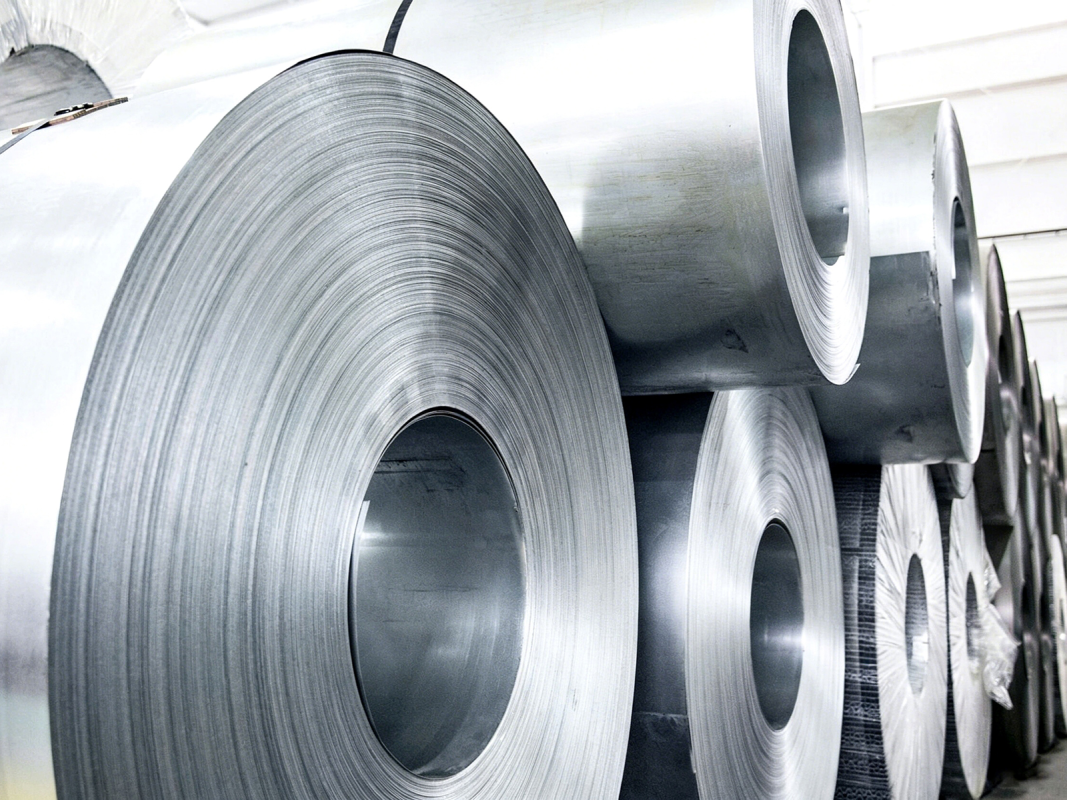
Why Is Nickel 201 Foil Used in Industrial Applications?
The industrial sector is demanding increasingly stringent material performance, and Nickel 201 foil,...