
Nickel 200 Wire vs Nickel Alloy Wire: Selection Guide
- Nickel 200 Wire
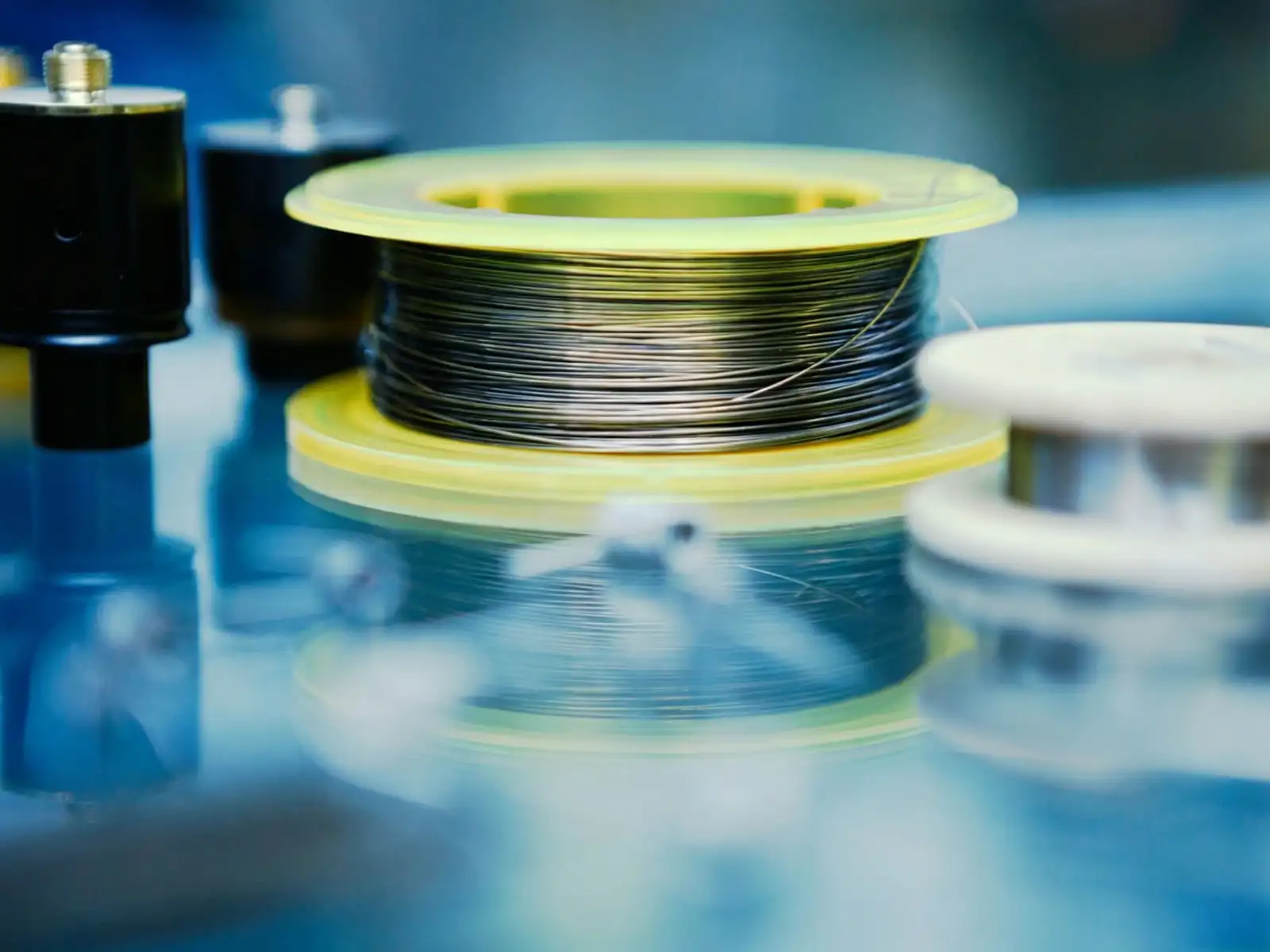
Nickel 200 wire and nickel alloy wire should be compared by exact grade, material condition and intended service. Nickel 200 is identified as UNS N02200; nickel alloys are a broad family with different compositions and properties. No single corrosion, strength or operating-temperature rating represents every nickel alloy.
Material identity and specification
Nickel 200 is commercially pure nickel. Nickel 201, UNS N02201, is a separate low-carbon grade. Other wire materials may include nickel-based alloys selected for particular chemical or mechanical requirements. Specify the exact designation, applicable wire specification and edition in the purchase order.
ASTM B160 addresses nickel rod and bar; it should not be presented as the product-form specification for wire. A composition table from a bar standard is not a substitute for confirming the actual wire order’s specification and certificate.
Compare properties for the same conditions
| Factor | Selection question |
|---|---|
| Electrical or thermal behavior | What property, test temperature and material condition are required? |
| Mechanical performance | What strength, ductility, geometry and loading conditions apply? |
| Corrosion | What medium, concentration, temperature and contaminants are present? |
| Magnetic response | What response is acceptable, and has the exact material been evaluated? |
| Processing | What forming, joining, surface and finished-part requirements apply? |
Do not use one numerical conductivity, fatigue value or maximum service temperature for every grade and condition. For magnetic-sensitive components, identify the actual requirement and check the selected material and processing condition.
Chemical and high-temperature service
Nickel 200 may be evaluated for some alkaline environments. Other nickel alloys may be considered for different corrosion or elevated-temperature requirements, but compatibility depends on the actual medium, concentration, temperature, contamination, flow and fabrication. A generic corrosion table does not replace application-specific evidence.
Nickel 201’s lower carbon designation may be relevant when selecting material for elevated-temperature service. The designer must evaluate the particular environment and required properties; selecting the low-carbon grade does not remove the need to assess sulfur-bearing conditions or other corrosion risks.
Ordering and documentation
Provide grade, wire diameter and tolerance, condition, surface, delivery form, quantity and the required specification and certificate. If the wire is intended as welding filler, state the required filler-metal classification and applicable procedure; general material identity alone does not qualify a welding consumable.
Frequently asked questions
Is every nickel alloy wire better than Nickel 200 in corrosive service?
No. Compare the exact grade and actual service environment.
Can ASTM B160 alone specify a nickel wire order?
Its scope is rod and bar. Agree the appropriate specification for the wire product.
Explore the nickel wire category or request a quotation with the drawing, grade, dimensions and documentation requirements.
Published by: Titanium Valleys
Technical review: General Manager of the Production Department
Quality review: Quality Inspection Department
Last reviewed: October 20, 2026 (before the latest content update; the updated content is pending review).