
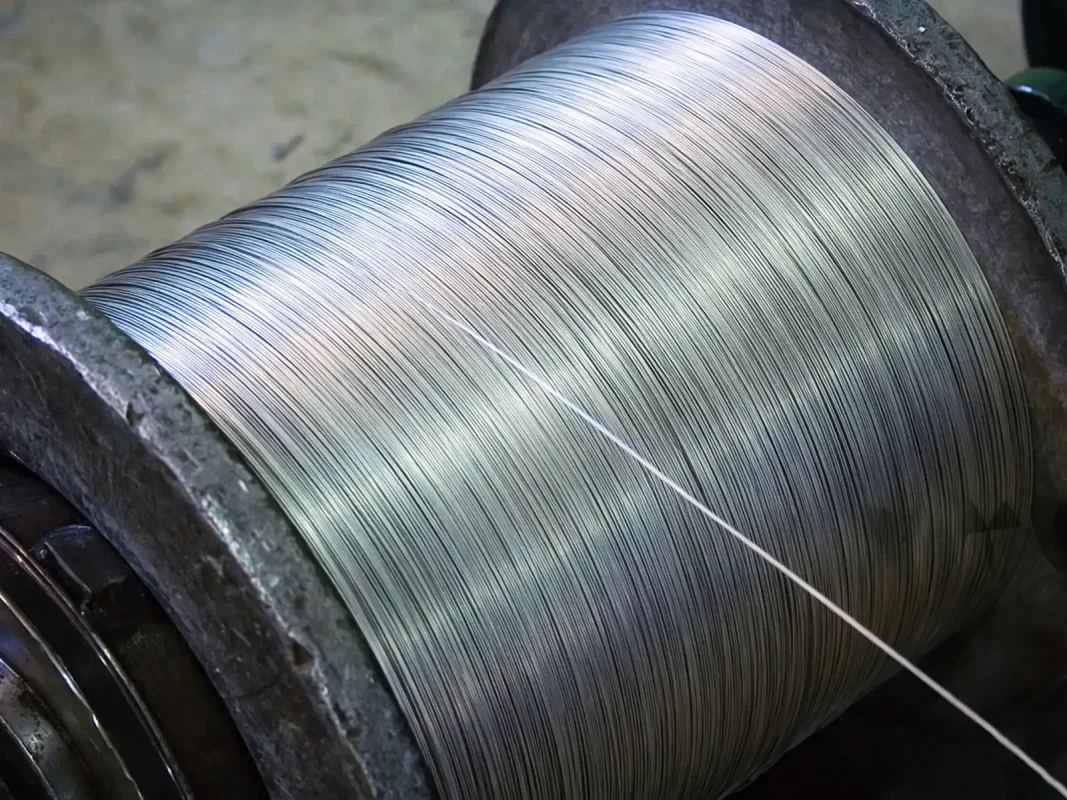
What Are the Key Advantages of Using Gr12 Titanium Wire in the Chemical Industry?

Chemical processing equipment frequently encounters complex corrosive environments, including reduci...
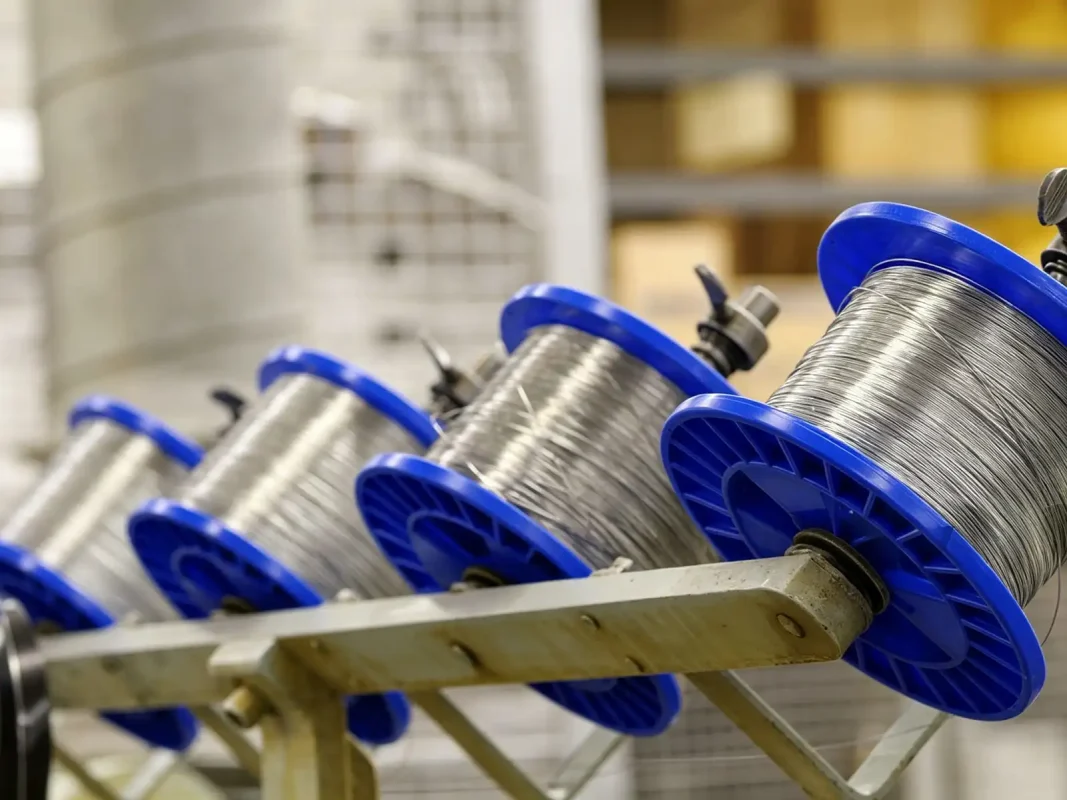
What Are the Chemical Composition and Mechanical Properties of Gr12 Titanium Wire?
Gr12 titanium wire (Ti-0.3Mo-0.8Ni) is a near-α corrosion-resistant titanium alloy wire. Through com...
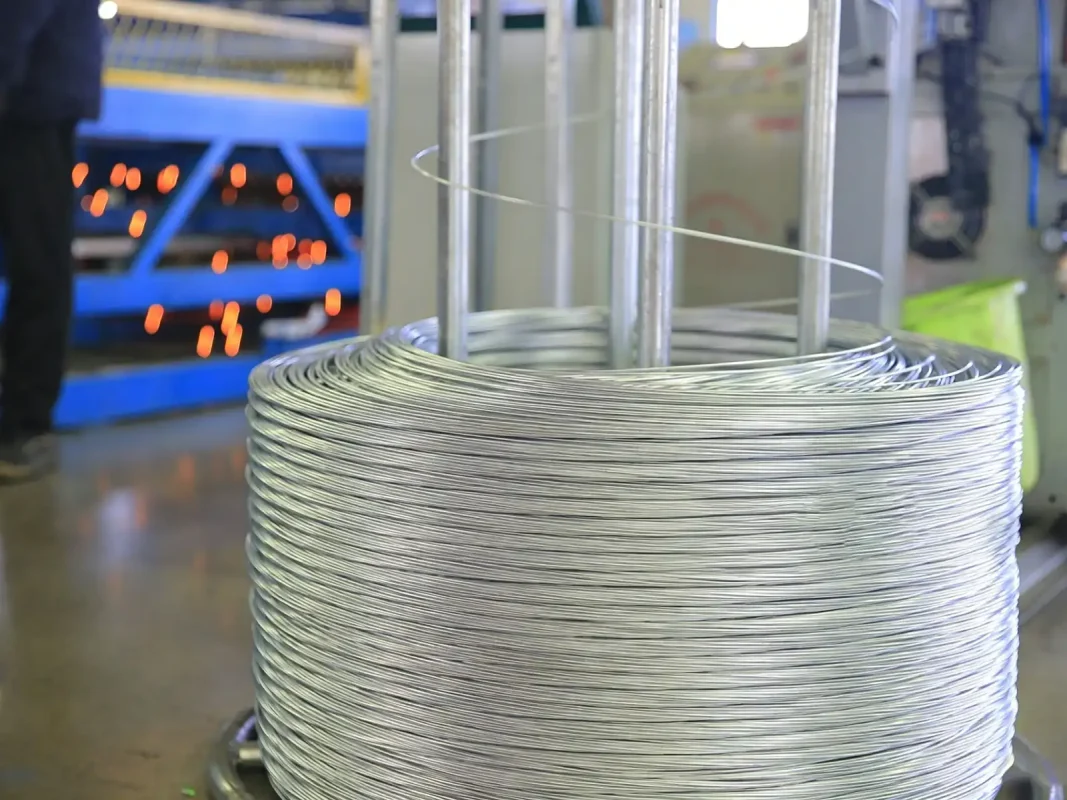
Why Do Engineers Choose Gr12 Titanium Wire Over Traditional Materials?
In industrial scenarios where strong corrosion, high temperatures, and complex media coexist, materi...
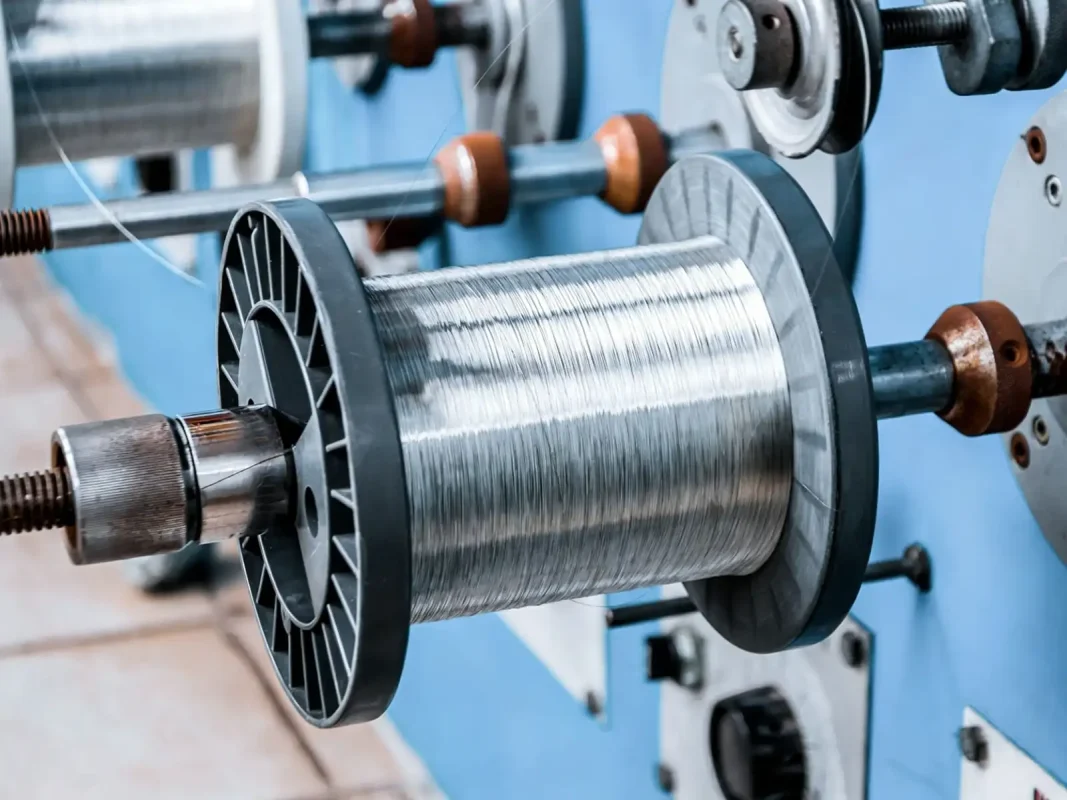
How Do Gr12 Titanium Wire and Stainless Steel Wire Compare in Performance?
In chemical, marine engineering, and oil & gas pipeline applications, a wrong material selection...
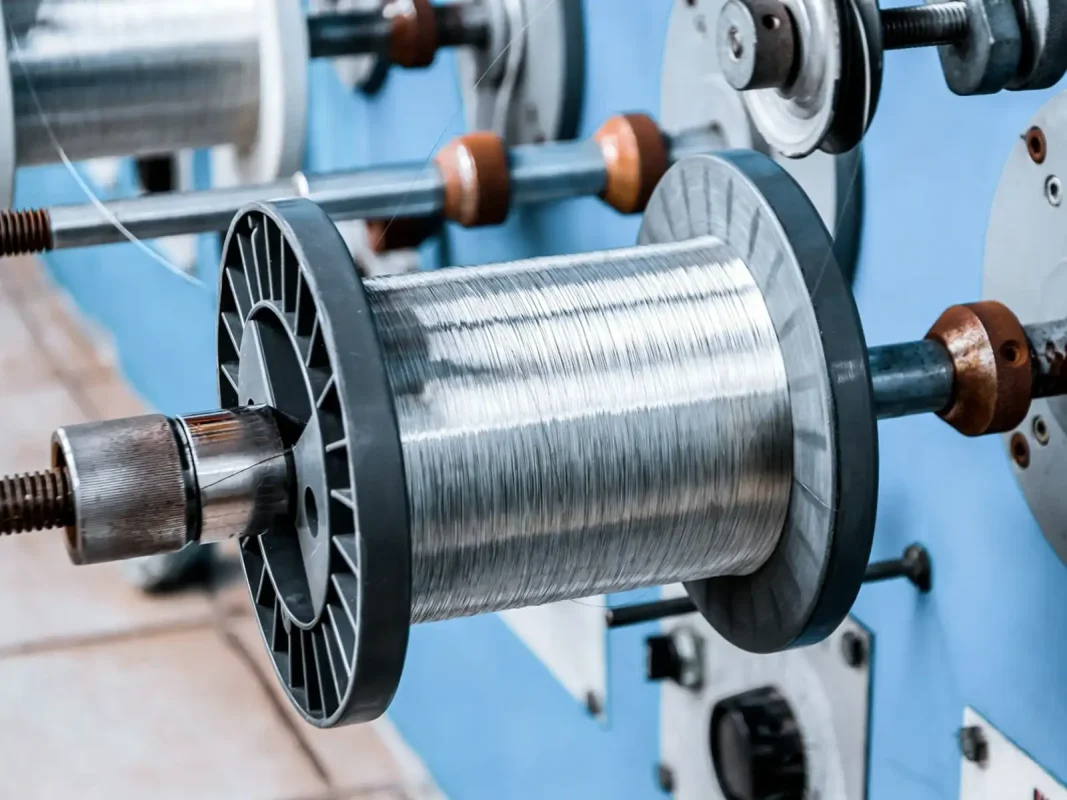
Why Is Learn About the Advantages of Gr12 Titanium Wire in Chemical Production Important?
In the chemical production environment, equipment materials often face multiple challenges: extreme ...
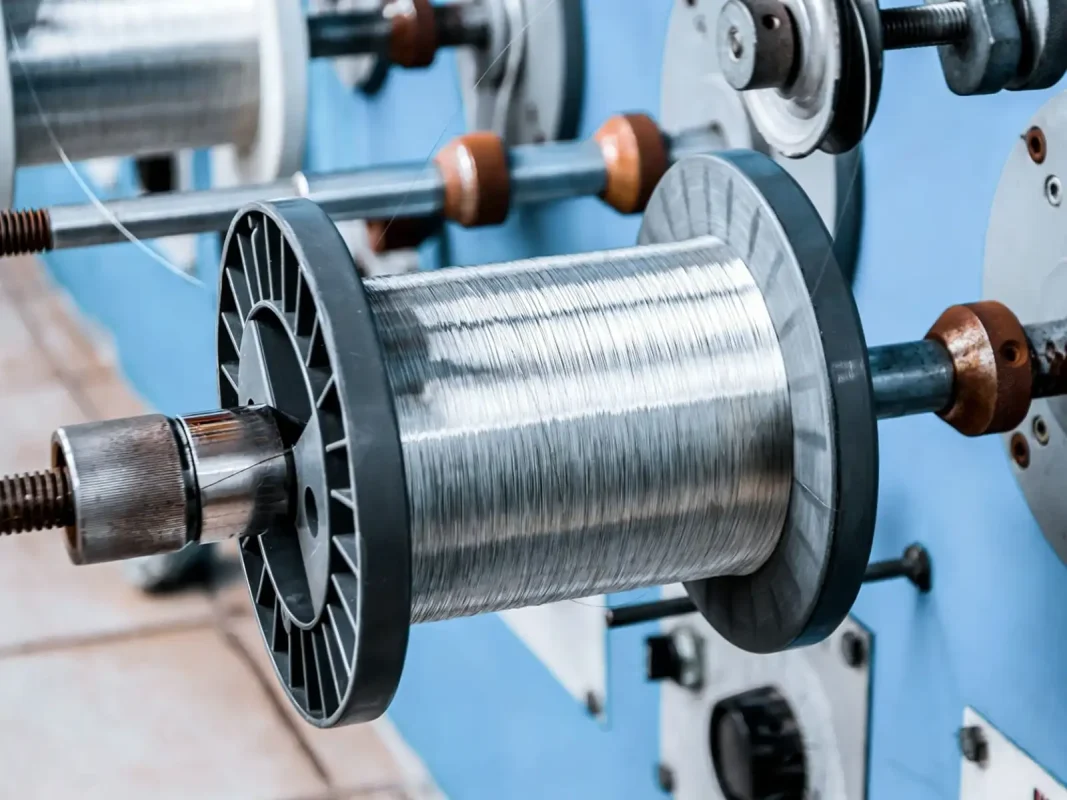
What Are the Differences in Comparison of Gr12 Titanium Wire and Other Titanium Wire Grades, the Best Choice in Harsh Corrosive Environments?
In harsh corrosive environments such as chemical industry, marine engineering, and oil and gas explo...
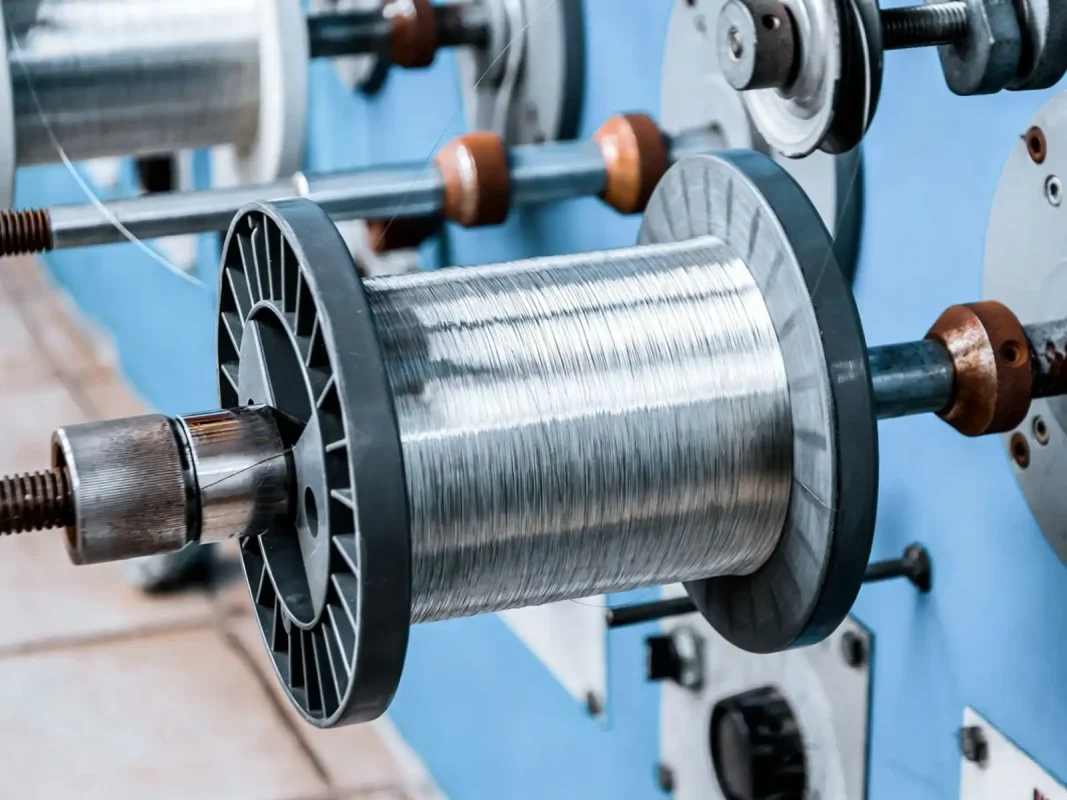
Why Is Gr12 Titanium Wire Performance Analysis, Corrosion Resistance and High Strength Application Advantages Important?
Gr12 titanium wire (Ti-0.3Mo-0.8Ni) is a nearly α-type corrosion-resistant titanium alloy that achie...
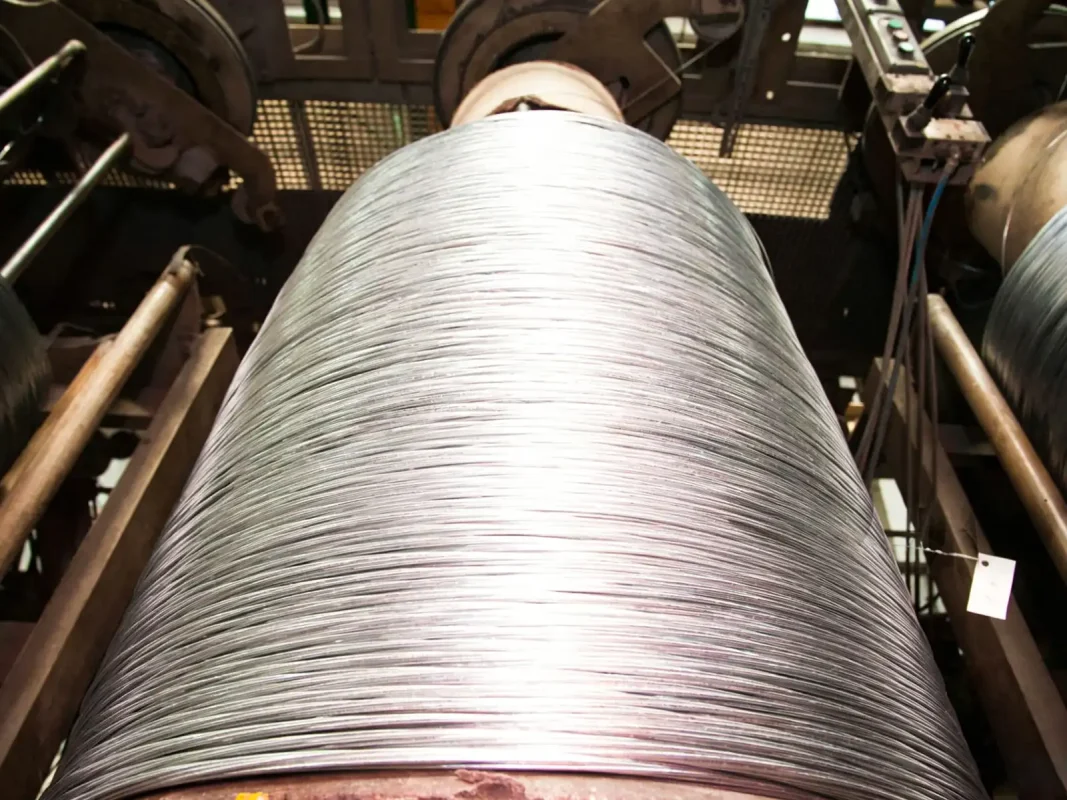
How Is Practical Application Scenarios of Gr12 Titanium Wire in Industry?
Gr12 titanium wire in industrial applications. Grade 12 wire can be screened for a defined indu...
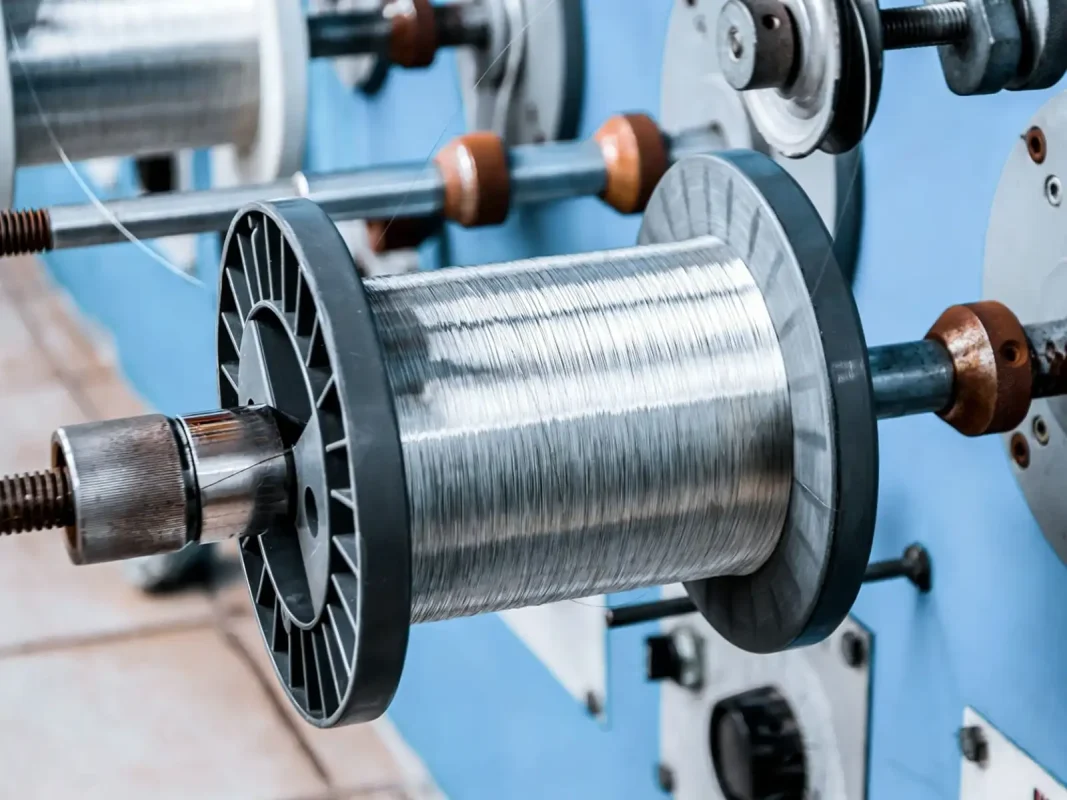
How Does the Strength of Gr12 Titanium Wire Compare to Other Grades?
The tensile strength of Gr12 titanium wire (Ti-0.3Mo-0.8Ni) typically falls within the range of 480–...
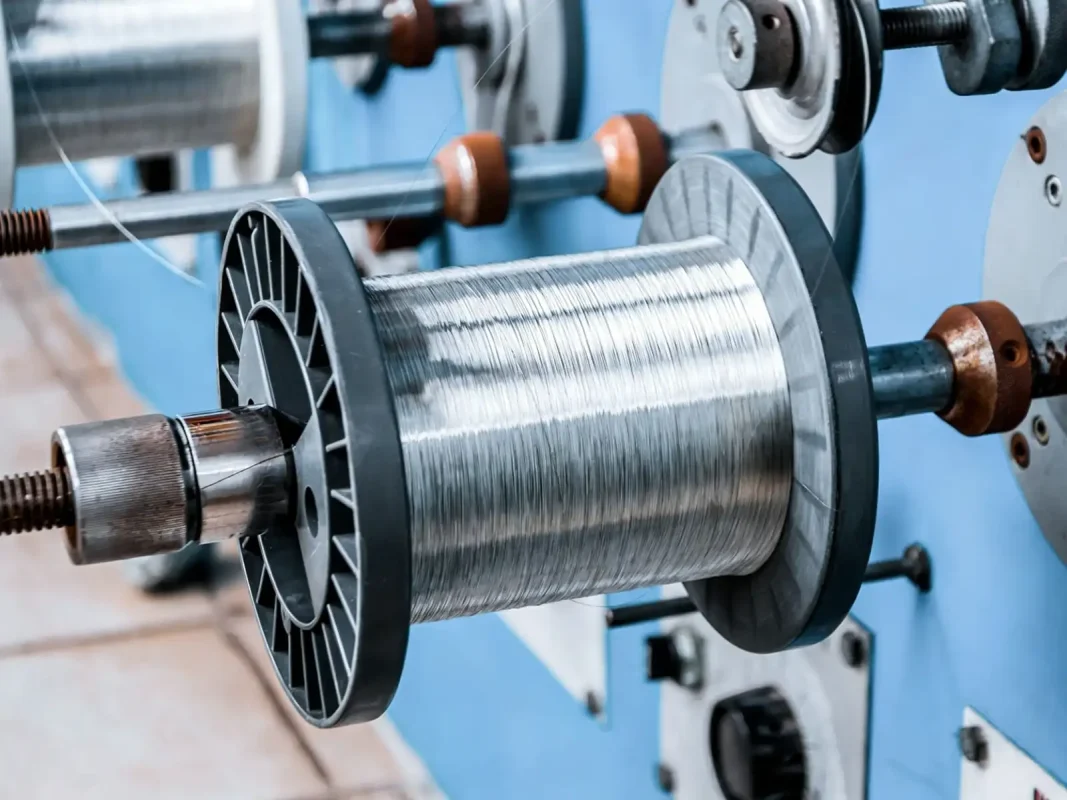
How Can Gr12 Titanium Wire Control Heat Exchanger Crevice Corrosion
When heat exchangers operate in chemical processing, seawater desalination, and energy industries, n...