
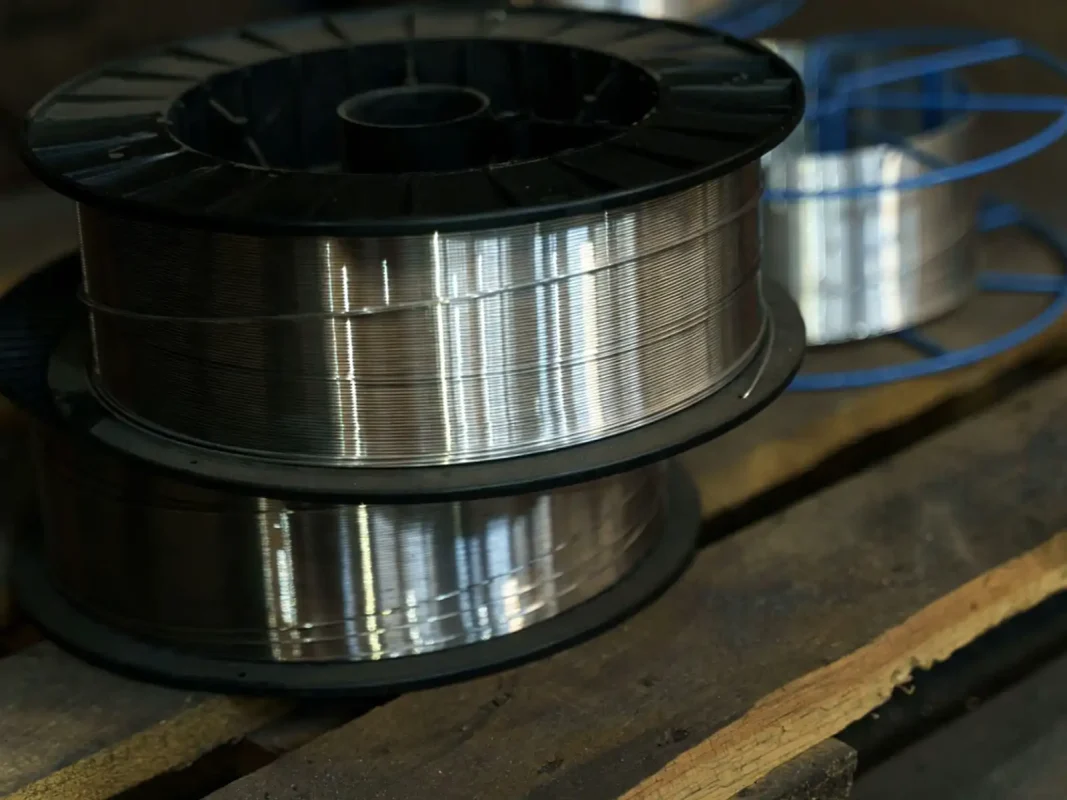
How Does Heat Treatment Affect the Properties of GR1 Titanium Wire?

Heat treatment significantly influences the mechanical properties, formability, and application perf...
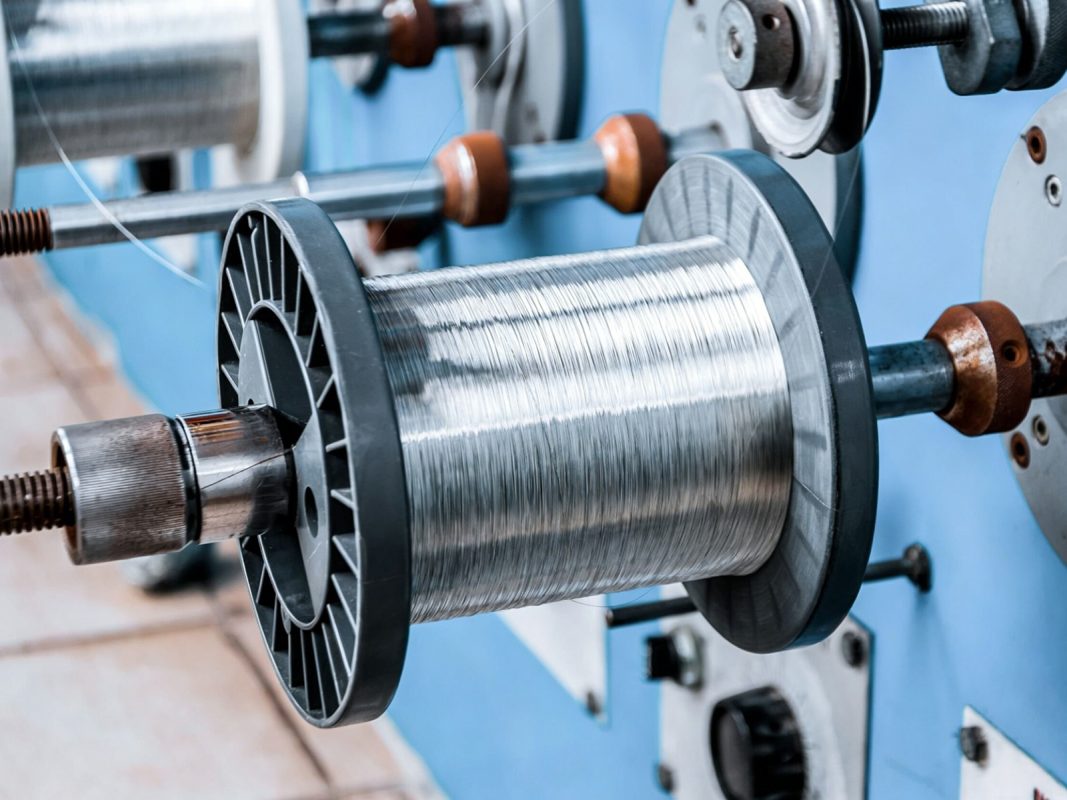
Grade 1 Titanium Wire for Medical Devices: Material Selection and Evaluation
Grade 1 titanium wire may be considered during the design of a medical device when its material...
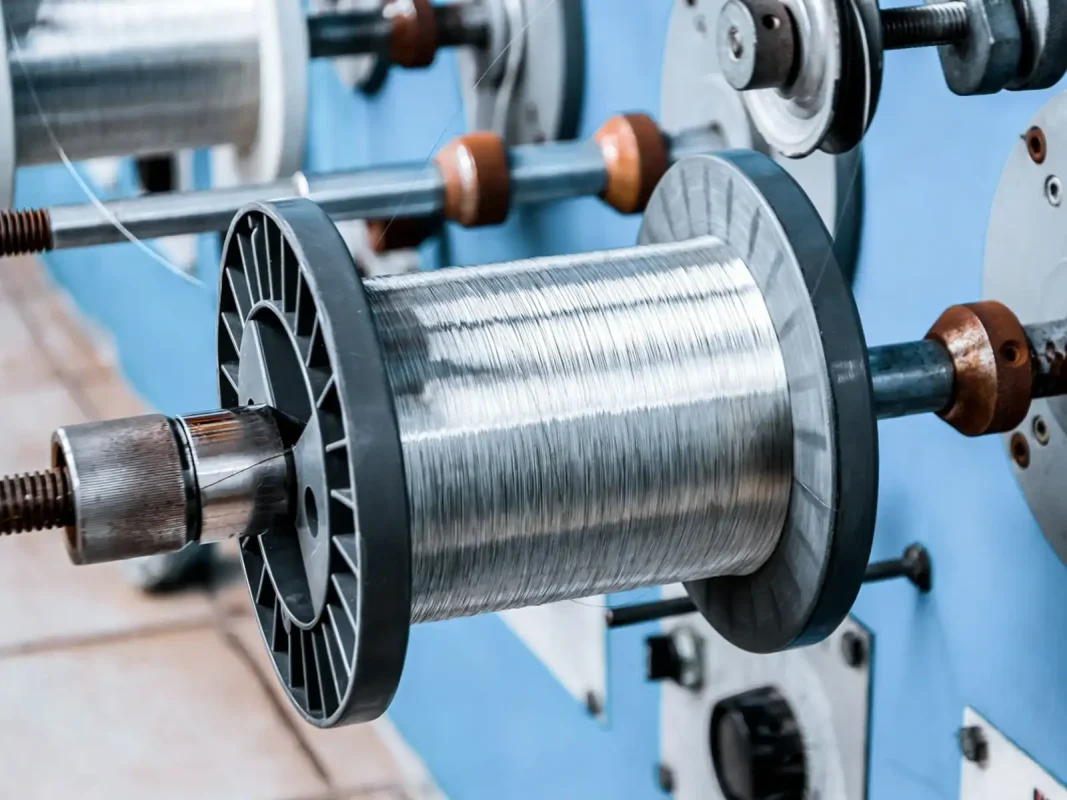
Ultra-Fine Gr1 Titanium Wire Drawing Process and Quality Control: Which Diameter Achieves the Tightest Tolerance?
Gr1 Titanium Wire Ultra-fine Gr1 commercially pure titanium wire (diameter <= 0.1 mm) represents ...
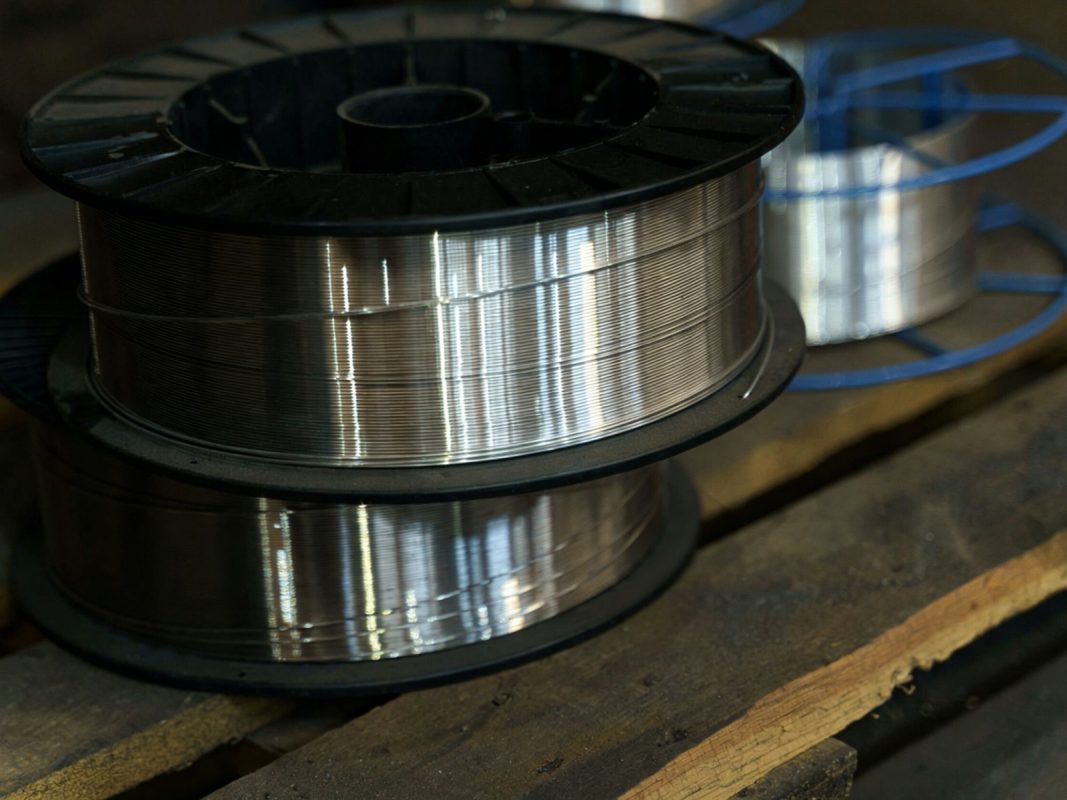
Gr1 Titanium Wire in Spectroscopic Analysis and Electrochemical Experiments: Why Does Material Purity Matter?
Gr1 Titanium Wire In modern scientific research, material selection directly determines the accuracy...
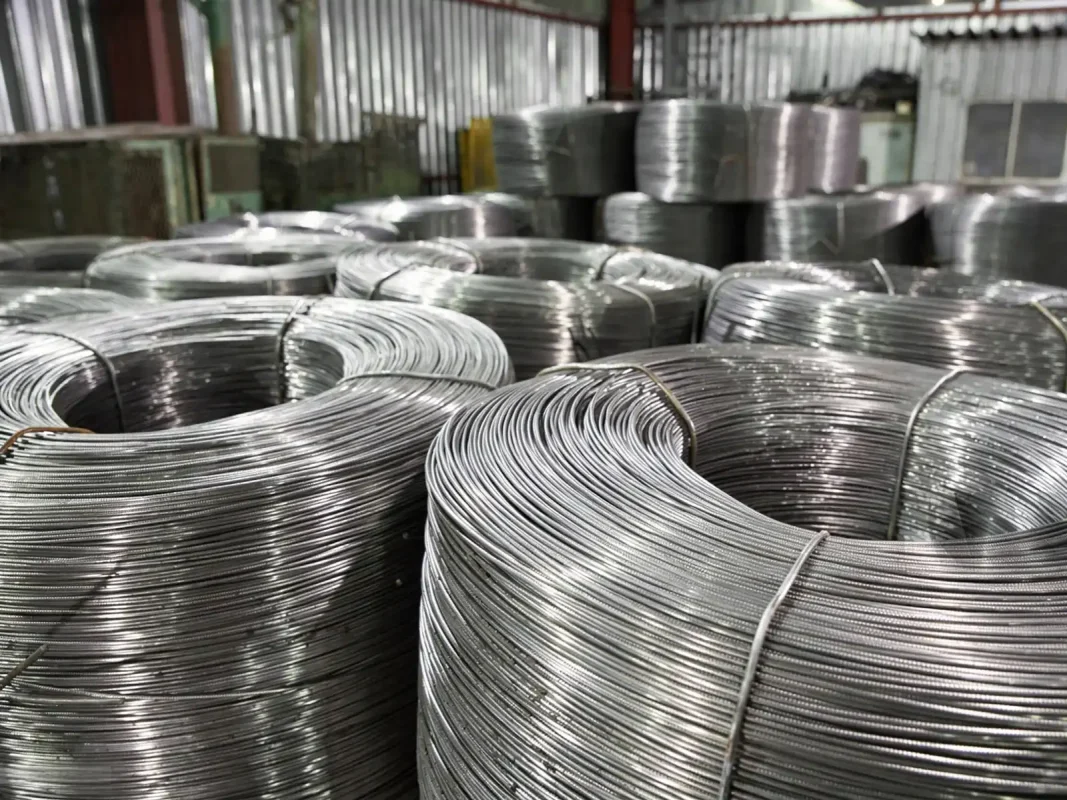
How Is Gr1 Titanium Wire Used in Medical Devices
Grade 1 titanium wire in medical-device programs. Grade 1 / UNS R50250 is an unalloyed titanium...
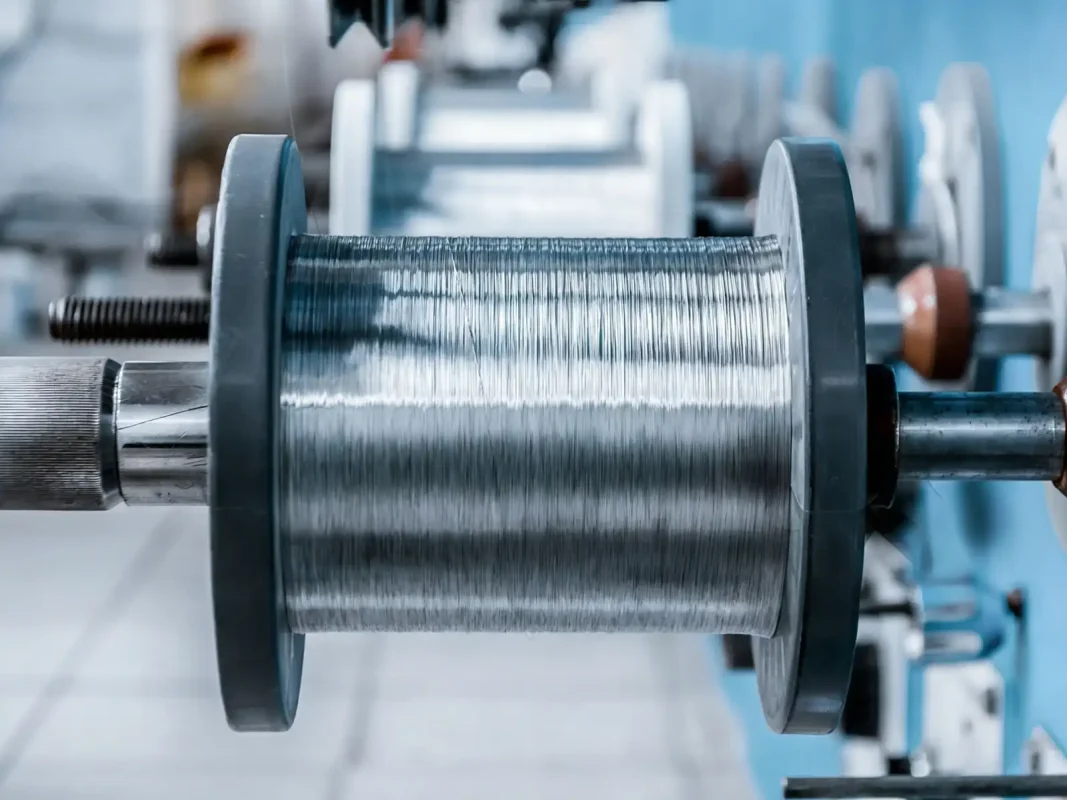
Grade 1 Titanium Wire for Aerospace, Medical and Precision Uses
Grade 1 titanium wire may be considered for aerospace, medical and precision components when th...
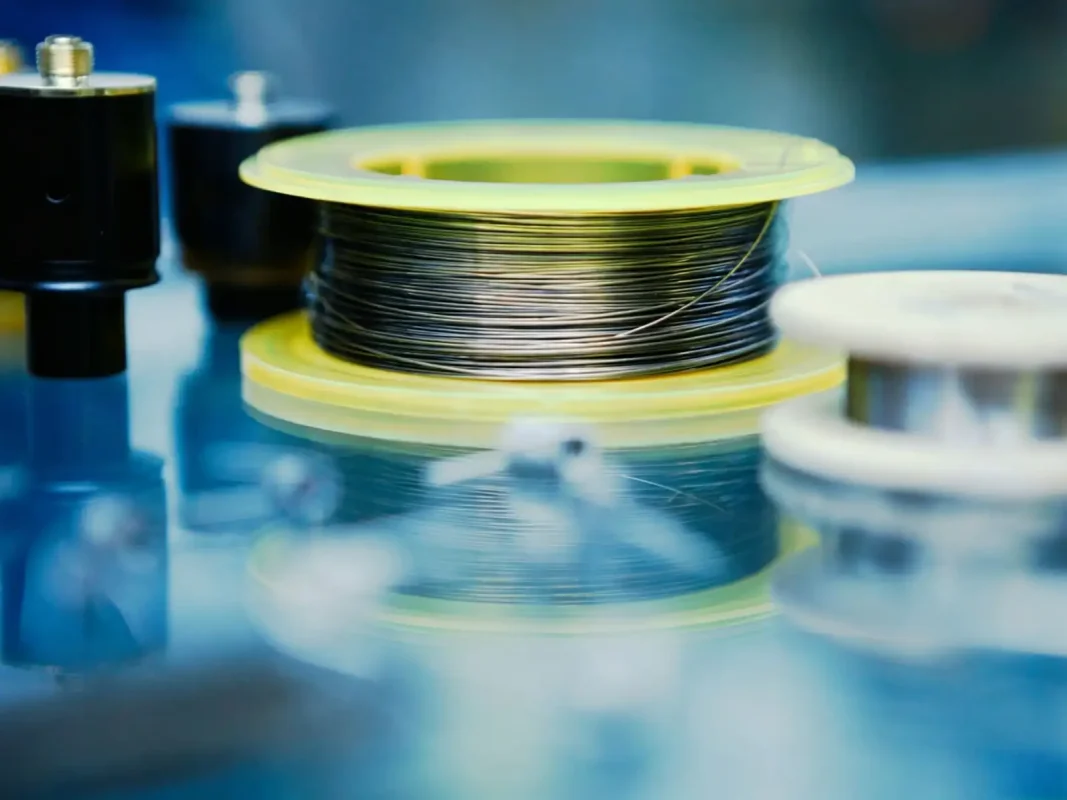
How Does Annealing Affect the Microstructure and Performance of Gr1 Titanium Wire?
Annealing is a decisive heat treatment process in the precision manufacturing of Gr1 commercially pu...
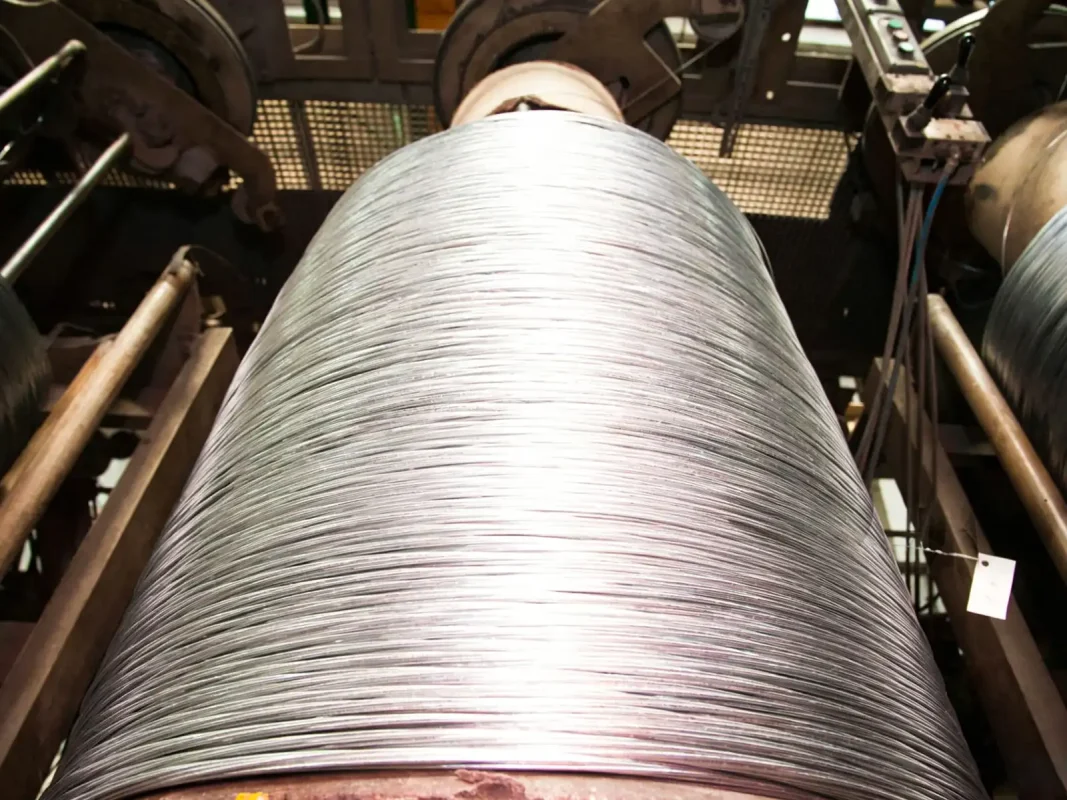
What are the differences between Gr1 and Gr2 titanium wire in terms of purity, strength, and application scenarios?
Selecting the right grade of titanium wire directly affects product performance and cost...
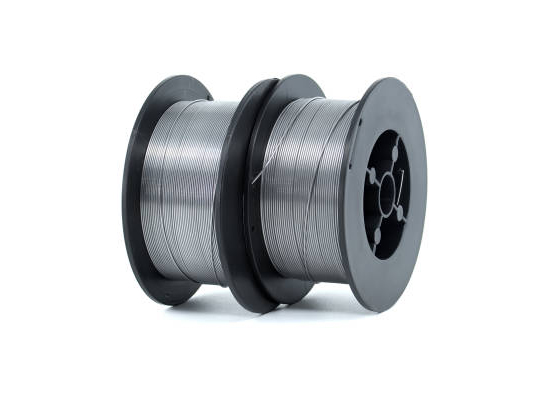
Grade 1 Titanium Wire: Forming, Machining and Joining

Grade 1 titanium wire can be considered for formed or fabricated components when the grade, dim...
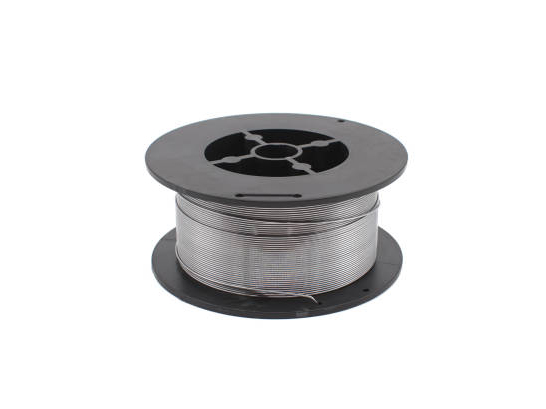
What Are the Key Performance Advantages of Gr1 Titanium Wire in Precision Manufacturing?
Material reliability decides product performance in aerospace, medical device and precision electron...