
How Is Gr1 Titanium Wire Used in Medical Devices
- Gr1 Titanium Wire
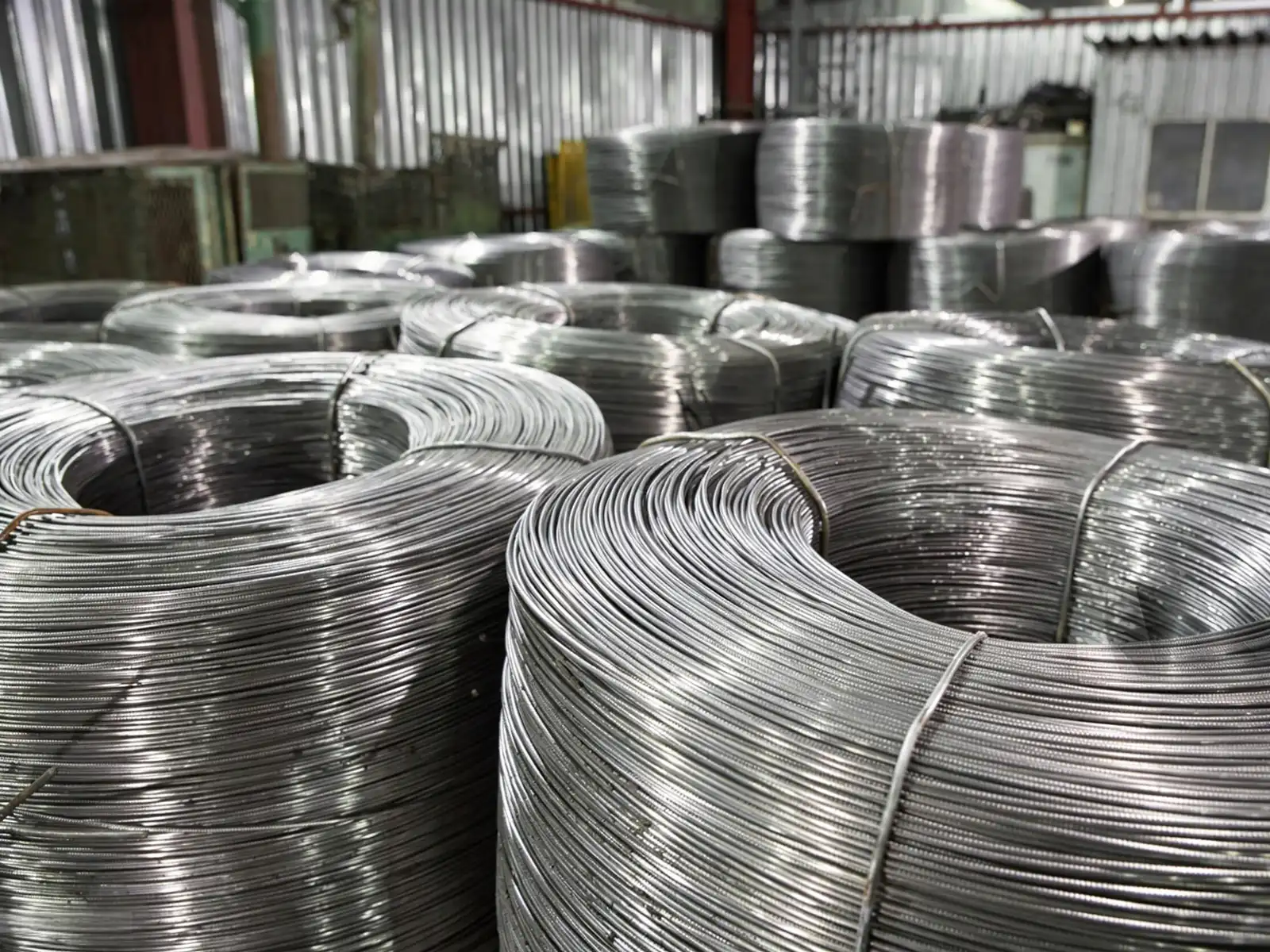
Grade 1 titanium wire in medical-device programs. Grade 1 / UNS R50250 is an unalloyed titanium wire material that may be considered for a device component. The design team must separately evaluate material conformity, wire processing, finished-device biology, mechanical performance and regulatory requirements.
Specify the wire and its intended role
ASTM B863 includes Grade 1 titanium wire. State diameter, tolerance, condition, surface, coil or straight length and required heat/lot certificate. If the program calls for material to ASTM F67, identify its edition and the specific product-form and acceptance requirements on the order. Do not assume one material certificate automatically covers both standards.
Keep clinical claims at device level
Cell adhesion, tissue response, infection risk, implant lifetime and MRI conditions depend on the finished device, manufacturing route and intended use. A raw-wire article cannot infer these outcomes from a titanium grade. The previous article cited a cell-growth percentage and declared MRI safety without identifying a clinical study or device-specific test; those figures are omitted here.
| Question | Who must provide evidence? |
|---|---|
| Material identity and lot tests | Material supplier and purchaser. |
| Cleaning, surface and joining controls | Device manufacturer and process owner. |
| Biological evaluation and MRI labeling | Device manufacturer under the applicable regulatory program. |
For general wire selection see the titanium wire category and the Grade 1 wire properties guide. Send a controlled technical RFQ. Sources: ASTM B863 scope and ASTM F67 scope.
Frequently asked questions
Does Grade 1 wire alone establish implant biocompatibility?
No. Finished-device biological evaluation must consider the actual design and processing route.
Is every Grade 1 wire component MRI safe?
No. MRI conditions require evaluation and labeling of the finished device.
Published by: Titanium Valleys
Technical review: General Manager of the Production Department
Quality review: Quality Inspection Department
Last reviewed: October 20, 2026