
Gr1 Titanium Wire Electrical Properties and Selection Guide
- 429
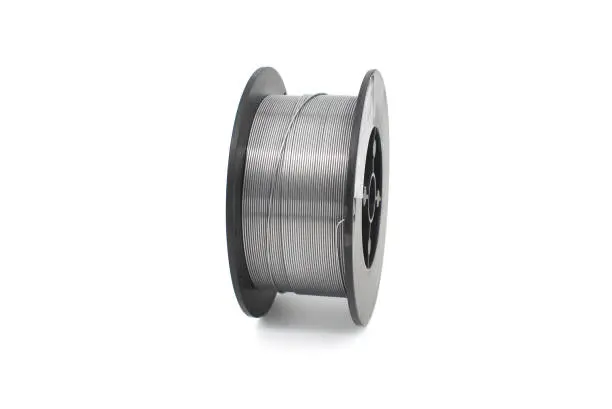
Direct answer. Grade 1 titanium wire can be considered where corrosion resistance, low mass or a titanium surface is required, but its electrical suitability depends on the finished wire geometry, delivery condition, temperature and a defined resistivity test. A single catalog conductivity number is not a guarantee for a finished component.
Specify the material before comparing electrical values
ASTM B863 includes Grade 1 titanium wire (UNS R50250). A technical RFQ should identify the wire diameter and tolerance, coil or straight length, condition, surface, applicable standard edition and lot documentation. If an electrical requirement is important, state a resistivity or resistance acceptance value and the measurement temperature.
How to evaluate conductivity
Electrical resistance changes with specimen length, cross-sectional area, contact arrangement and temperature. Compare published values only when those conditions and units match. ASTM B193 describes a method for measuring resistivity of metallic electrical conductor material; the buyer and laboratory should agree whether it is appropriate for the actual wire and acceptance plan. Request a measured result or a clearly identified reference basis rather than assuming every Grade 1 lot has the same value.
| RFQ field | Required detail | Reason |
|---|---|---|
| Geometry | Diameter, tolerance, length and coil form | Resistance depends on geometry. |
| Material | Grade 1, condition, surface and standard edition | Connects data to the supplied lot. |
| Electrical acceptance | Property, unit, temperature and agreed test method | Makes the result reproducible. |
| Evidence | Certificate and supplementary test report, if required | Supports receipt inspection. |
Application boundaries
For electronics, check whether the material’s measured resistance and joining behavior suit the circuit. For corrosion-service components, assess the actual medium and operating temperature. For any proposed medical device, a wire material specification is only one input. ASTM F67 covers certain unalloyed titanium material for surgical implant manufacture, but a Grade 1 wire listing does not establish ISO 10993 conformance, patient safety or MRI conditions for a finished device. Those require device-specific evidence.
See the titanium wire category for product forms and the Grade 2 stress–strain guide for a separate mechanical-property question. Send the electrical requirement through the technical RFQ.
Sources: ASTM B863 scope, ASTM B193 scope and ASTM F67 scope. Lot-specific values must be verified from the contracted specification and test records.
Frequently asked questions
Does Grade 1 titanium wire have one fixed conductivity value?
No. State the test temperature, wire geometry, delivery condition, measurement basis and required acceptance value.
Does Grade 1 wire automatically meet medical biocompatibility requirements?
No. Material grade and finished-device biocompatibility are separate questions requiring device-specific verification.
Published by: Titanium Valleys
Technical review: General Manager of the Production Department
Quality review: Quality Inspection Department
Last reviewed: October 20, 2026