
Grade 1 Titanium Wire: Forming, Machining and Joining
- Gr1 Titanium Wire
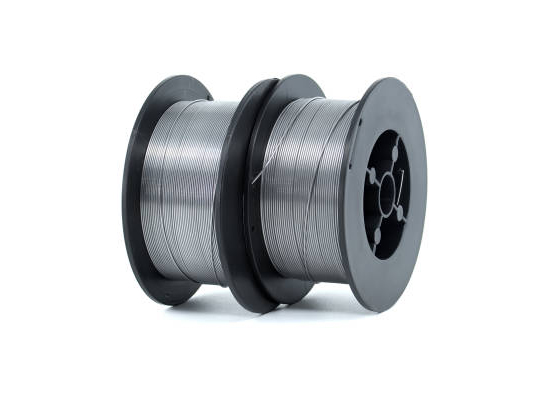
Grade 1 titanium wire can be considered for formed or fabricated components when the grade, dimensions, condition and specification meet the design. Select forming, cutting and joining procedures using the actual wire and equipment; a single process setting or bend radius does not apply to every order.
Material identity and condition
ASTM B863 covers titanium and titanium alloy wire, including Grade 1, within its stated scope. Specify the contracted edition, diameter, tolerance, delivery condition, surface and required certificate. The condition and previous processing affect how a wire behaves during forming. For medical devices or welding filler, confirm the separate specification and classification required by the application.
Forming and cutting
Wire can be assessed for operations such as bending, coiling, drawing or weaving. Performance depends on diameter, material condition, tooling, bend geometry and surface condition. Run a representative trial and inspect for surface damage, cracks, springback and dimensional variation. Agree the bend requirement and acceptance criteria for the intended part rather than assuming a universal bend radius.
For cutting or machining, select tools, support and cooling based on the wire size, equipment and required finish. Protect the material from contamination and verify the finished dimensions. Published processing values for another product are not a substitute for a qualified process.
Joining and welding filler
If the wire is intended as a welding filler, identify the applicable filler-metal classification, chemistry, cleanliness and certification in the order. A general Grade 1 wire designation alone does not establish that the product meets a particular welding filler classification. Select the filler and shielding procedure according to the base metals, joint design and qualified welding procedure.
| Operation | Points to agree |
|---|---|
| Forming | Wire condition, tooling, bend geometry and inspection. |
| Cutting | Length tolerance, edge condition and contamination control. |
| Welding | Filler classification, qualified procedure, shielding and joint inspection. |
| Surface | Finish, cleanliness, permitted defects and measurement method. |
Medical and critical components
The device manufacturer must establish the required material specification and evaluate the finished device, including cleaning, sterilization and biological safety as applicable. Clean-looking wire is not automatically sterile or approved for implantation. Critical industrial and aerospace applications likewise require their own process and part qualification.
Frequently asked questions
Is all Grade 1 wire automatically qualified as welding filler?
No. Confirm the specified filler-metal classification and documentation.
Is there a fixed bend radius for every diameter?
No. Agree and verify the radius for the material condition, geometry and intended component.
Explore the titanium wire category or request a quotation with the drawing, grade, dimensions and required documentation.
Published by: Titanium Valleys
Technical and quality review: The updated content is pending review.