
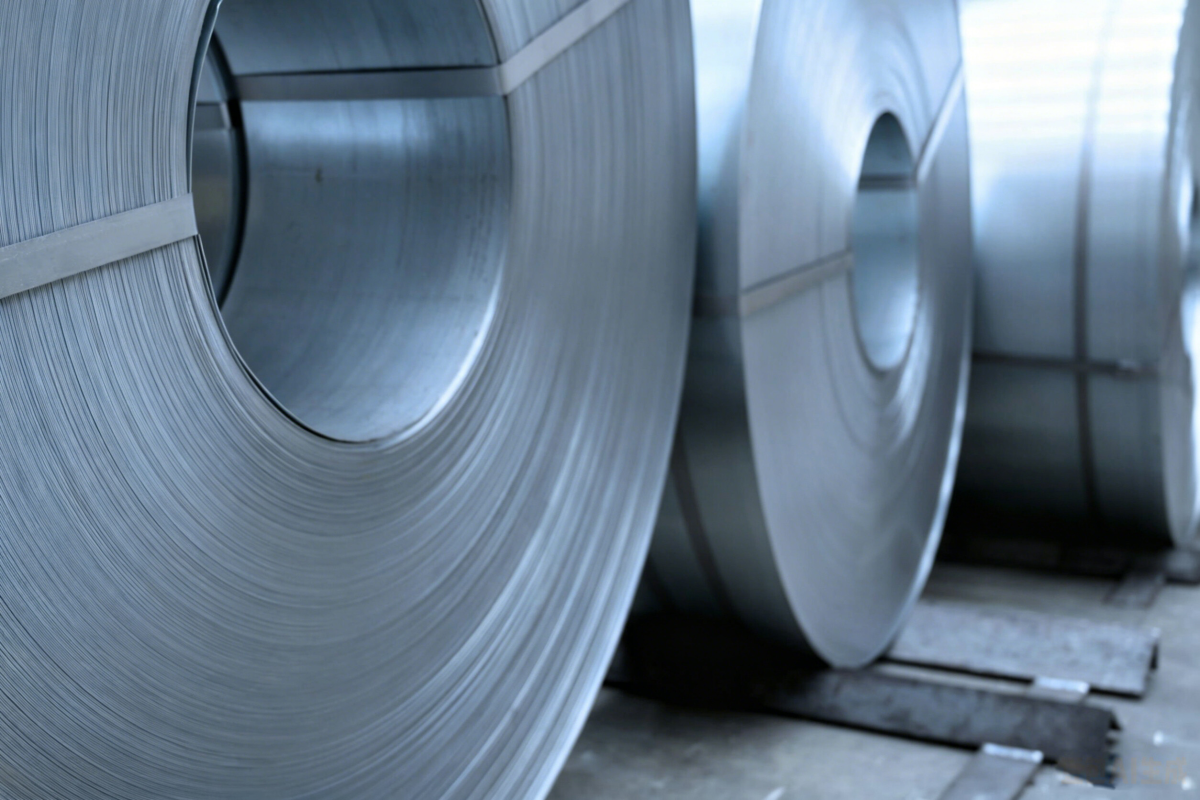
How Do You Choose the Right Gr5 Titanium Foil Thickness?

The thickness selection of Gr5 (Ti-6Al-4V, corresponding to the Chinese designation TC4) titanium fo...
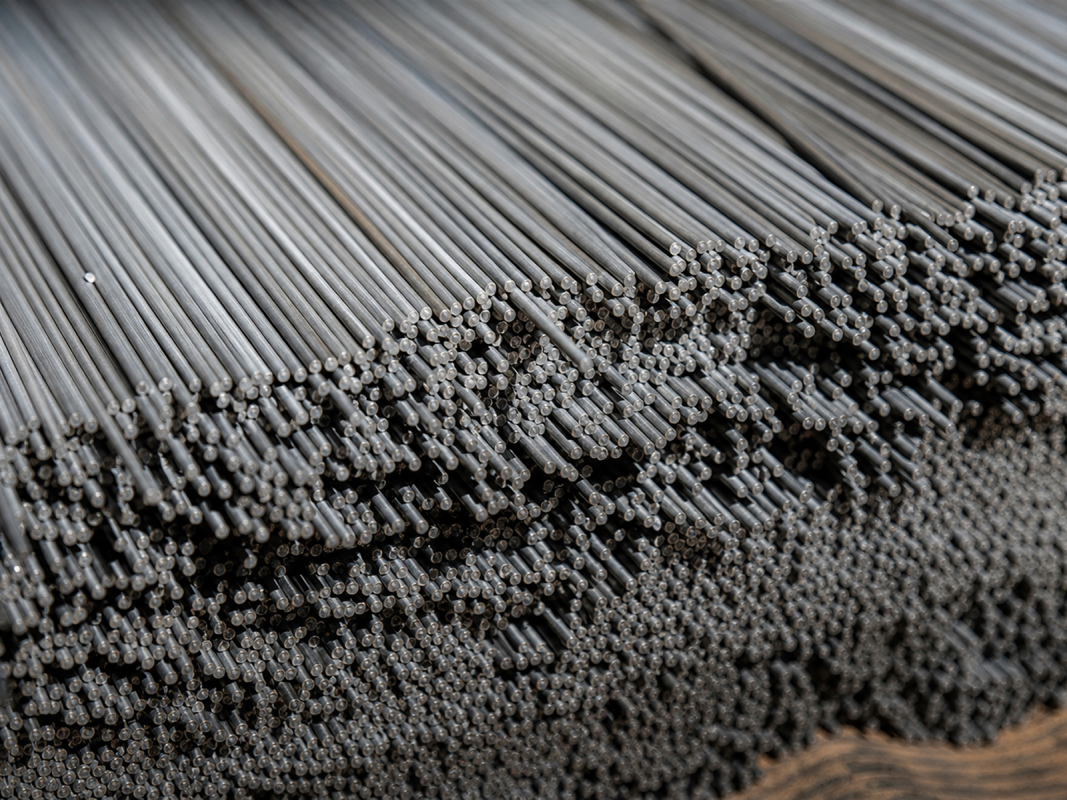
How Do Molybdenum (Mo) and Nickel (Ni) Improve the Corrosion Resistance of Gr12 Titanium Rod?
In chloride environments, moderate-concentration reducing acids, and low-to-intermediate temperature...
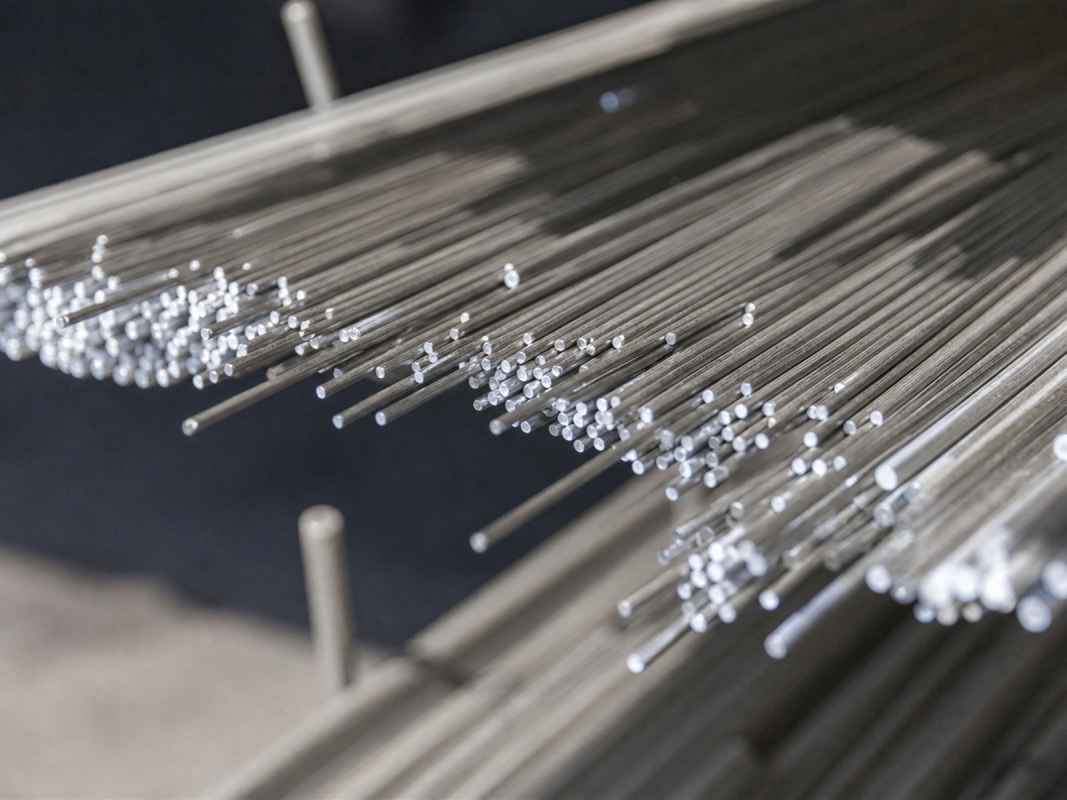
How Cost-Effective Is Gr12 Titanium Rod in the Long-Term Maintenance of Chemical Equipment?
In the life-cycle management of chemical equipment, material selection is often an underestimated de...
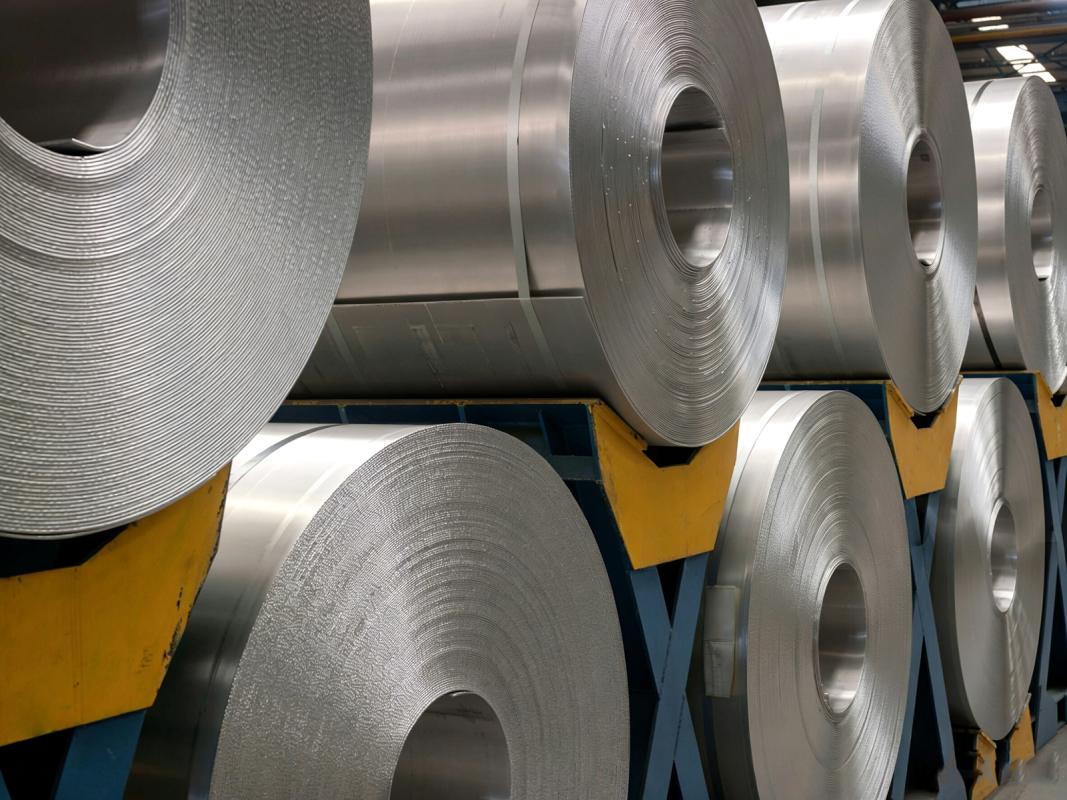
How Can You Identify High-Quality Gr2 Titanium Foil?
Identifying high-quality Gr2 commercially pure titanium foil requires comprehensive judgment across ...
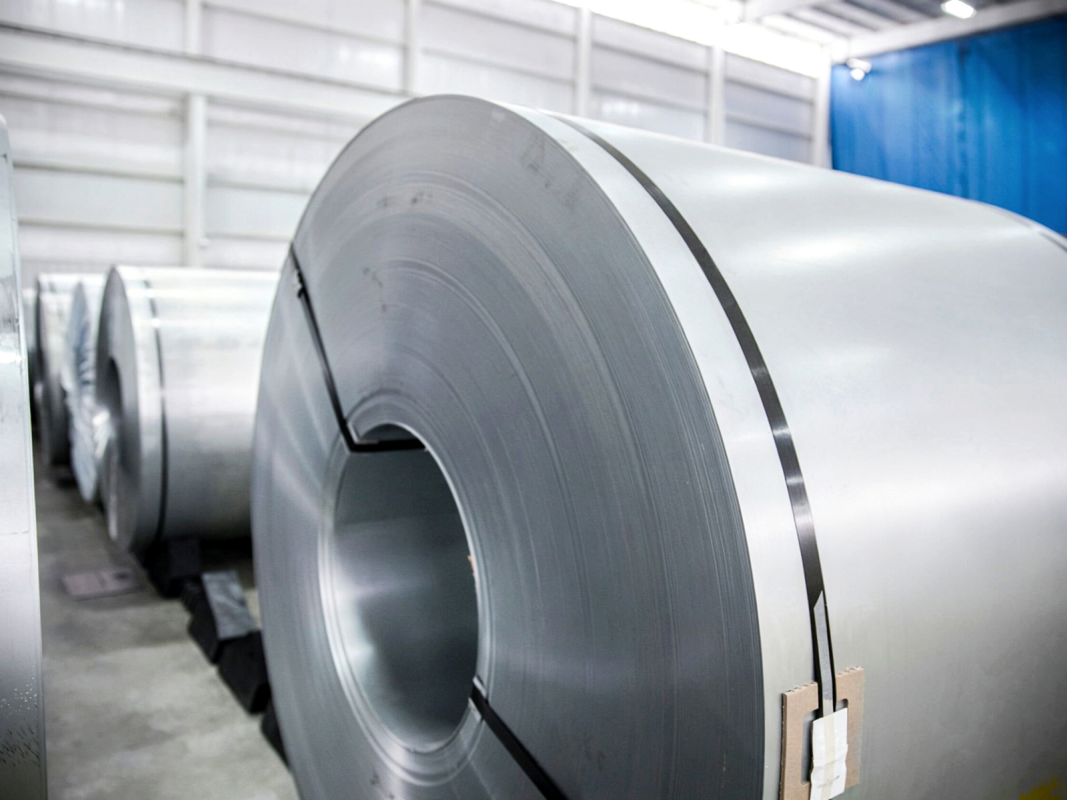
What Is Ti-15V-3Al-3Cr-3Sn Titanium Foil and What Is It Used For?
Ti-15V-3Cr-3Al-3Sn titanium foil is an ultra-thin near-β titanium alloy strip intended mainly for pr...
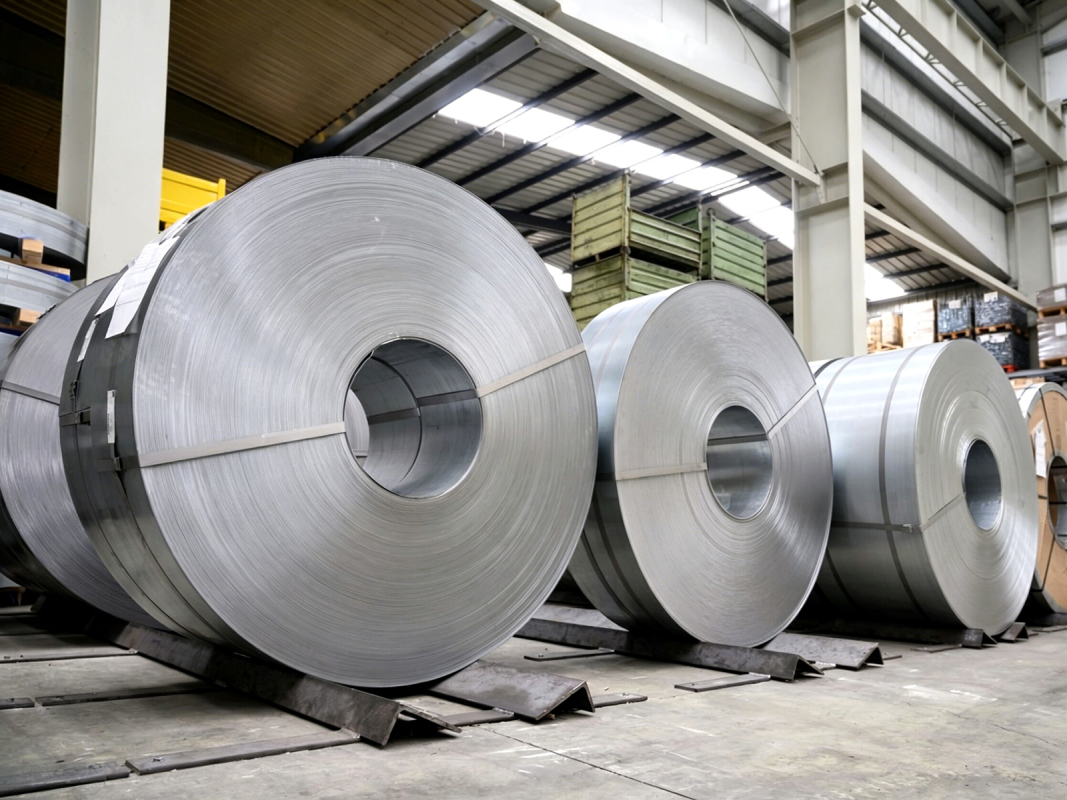
What Makes Ti-15V-3Al-3Cr-3Sn Titanium Foil a High-Performance Aerospace Material?
In aerospace, precision electronics, and high-end manufacturing, material performance often sets the...
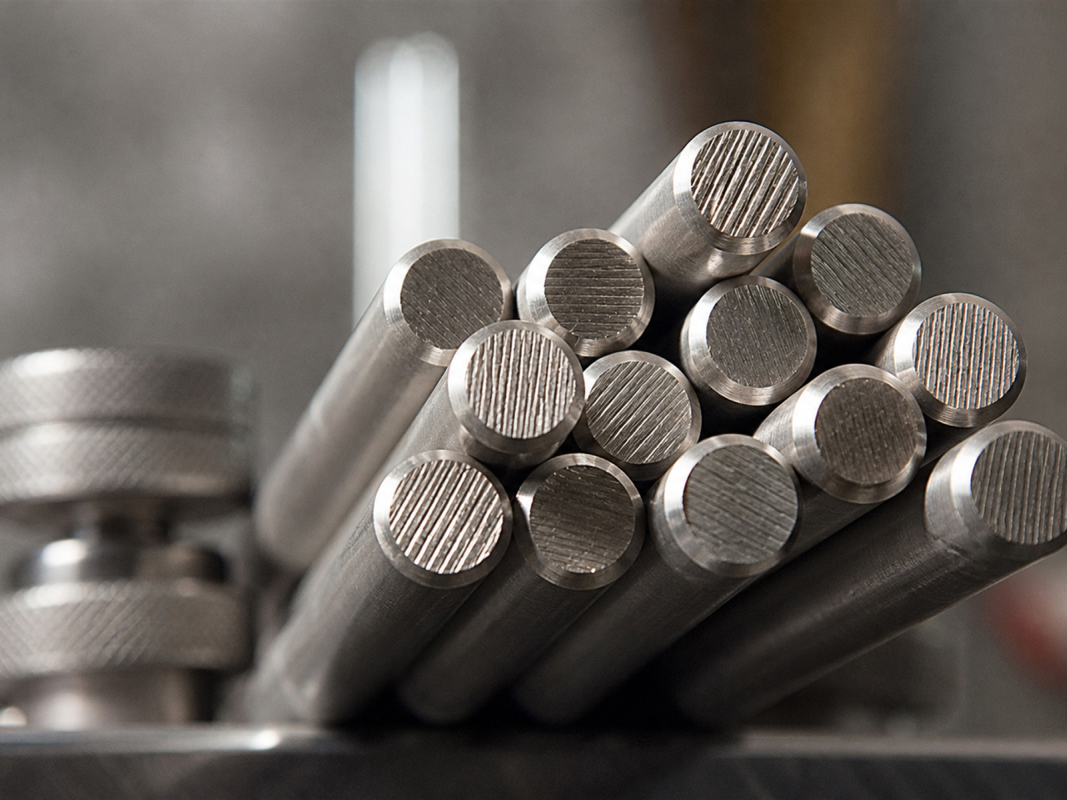
Zirconium 702 vs 705: Grade Selection, Specifications and RFQ Guide
Zirconium 702 vs 705: Grade Selection, Specifications and RFQ GuideDirect answer. Zirconium 702 and ...
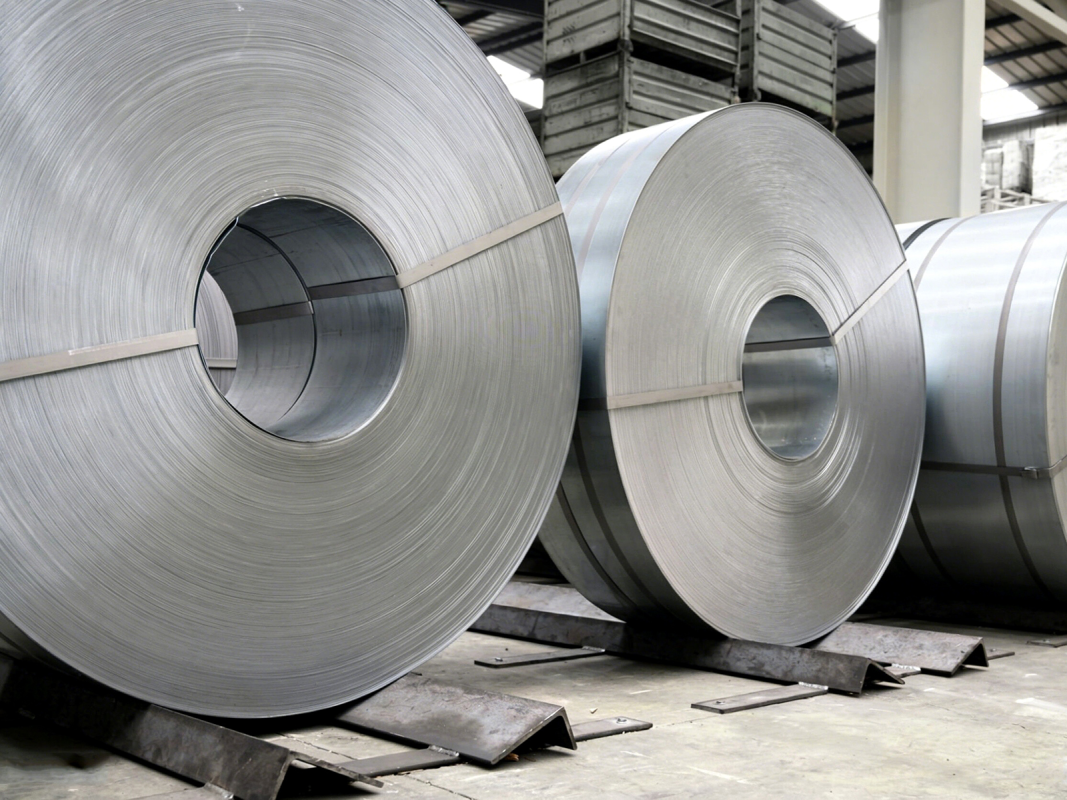
Why Is Nickel 201 Foil a Reliable Material for Corrosive and High-Temperature Environments?
Nickel 201 foil in corrosion and elevated-temperature service. Nickel 201 / UNS N02201 is the l...
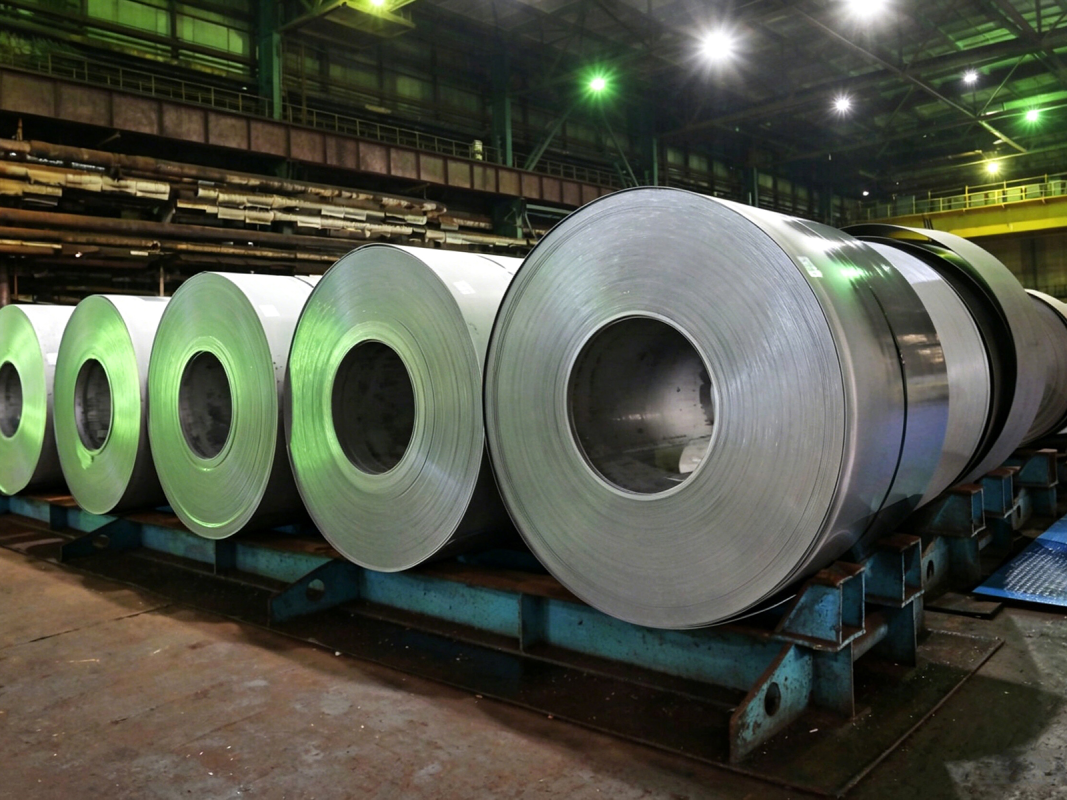
Why Is Grade 5 Titanium Foil the Ideal Choice for Lightweight Aircraft Components?
Aircraft engineers face an unavoidable trade-off in material selection: pursuing lighter weight ofte...
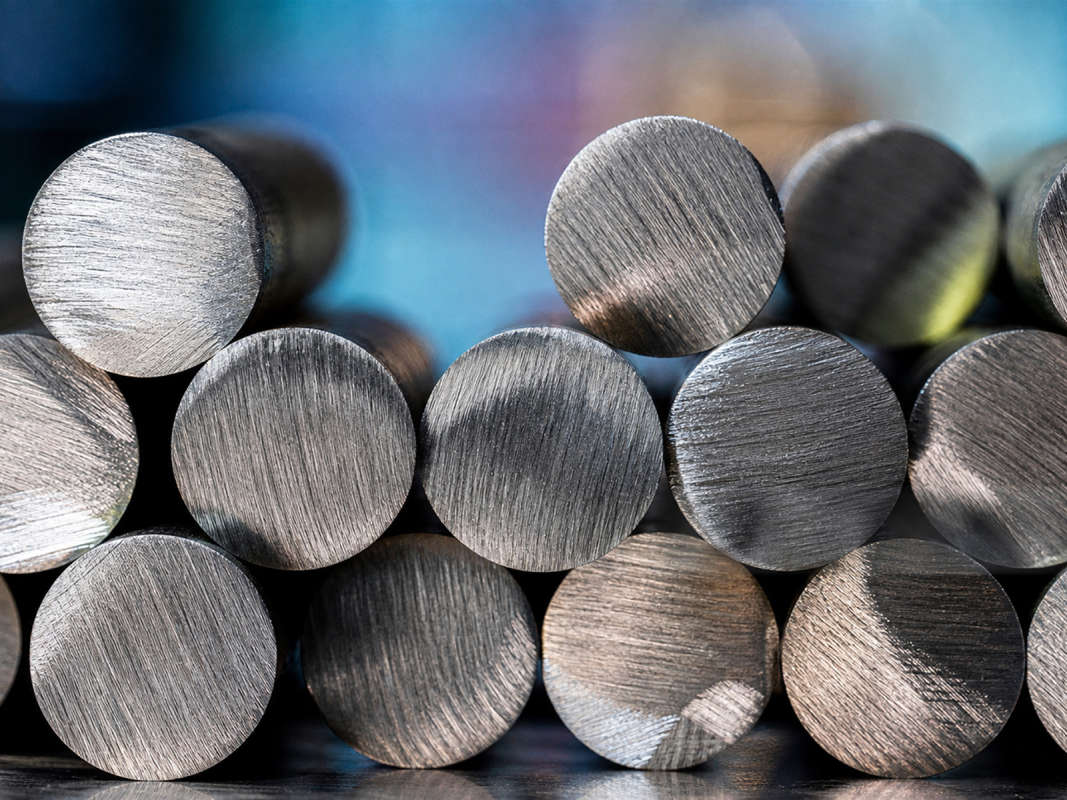
Why Is Gr1 Titanium Bar the Ideal Choice for Marine Engineering Projects?
Marine engineering environments impose demanding requirements on metallic materials: continuous salt...