
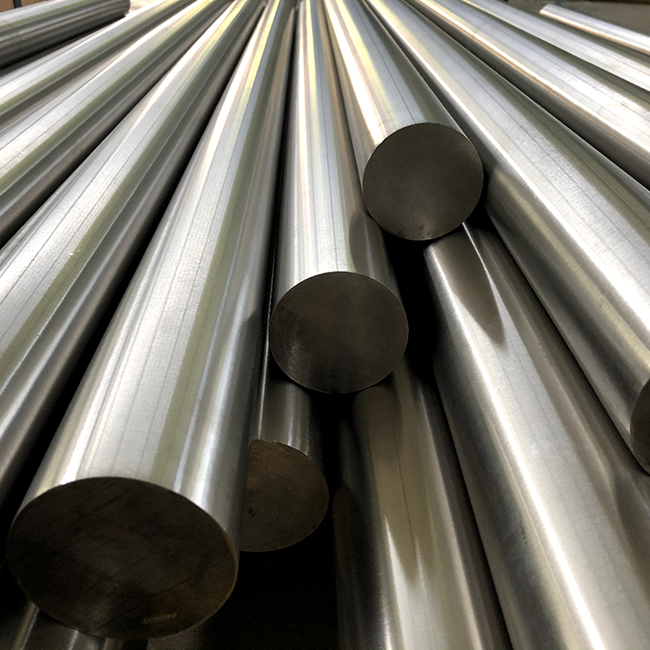
Grade 2 vs Grade 4 Titanium Rod: Selection Guide

Grade 2 and Grade 4 are unalloyed titanium grades. Choosing a rod depends on the required mecha...
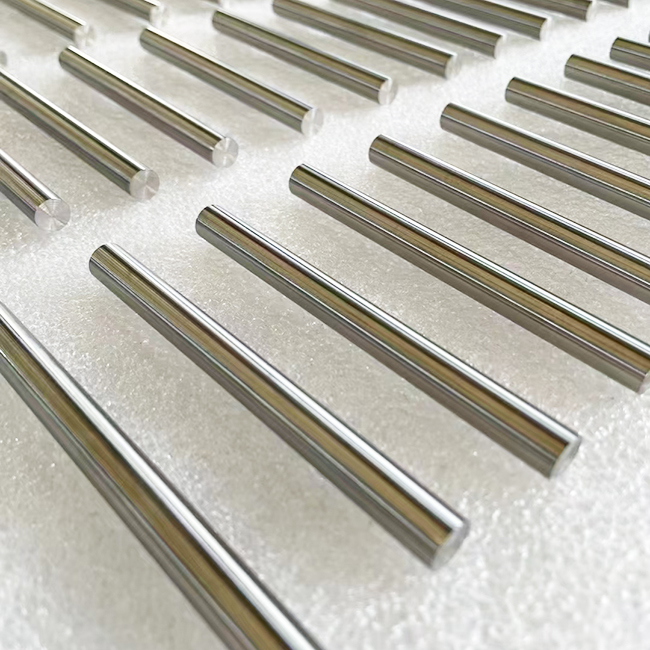
Grade 5 Titanium Rod: Properties, Processing and Applications
Grade 5 titanium rod is Ti-6Al-4V, UNS R56400. It may be selected for a machined or formed comp...
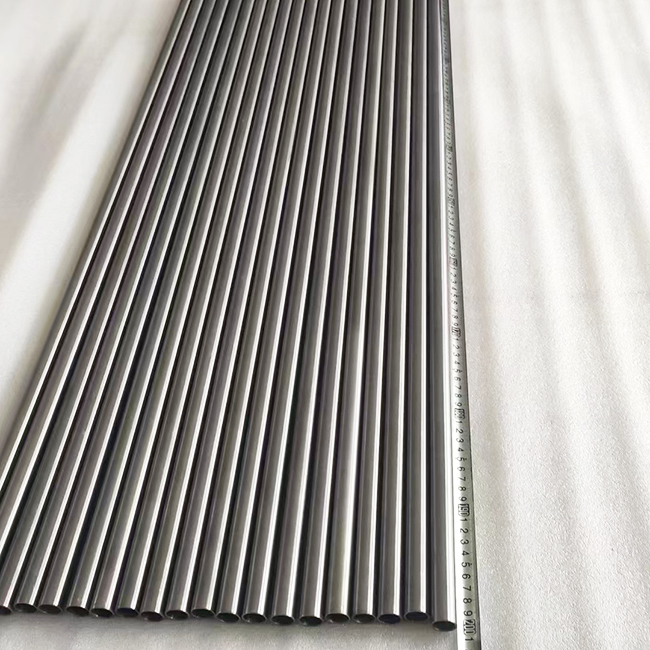
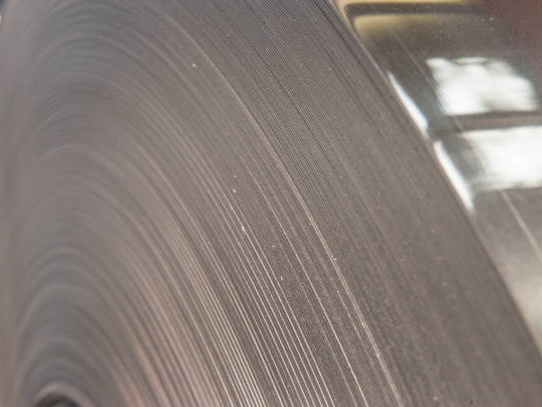
Grade 5 Titanium Foil Elastic Modulus and Stiffness
The elastic modulus of Grade 5 titanium describes its resistance to elastic strain. For foil, ...
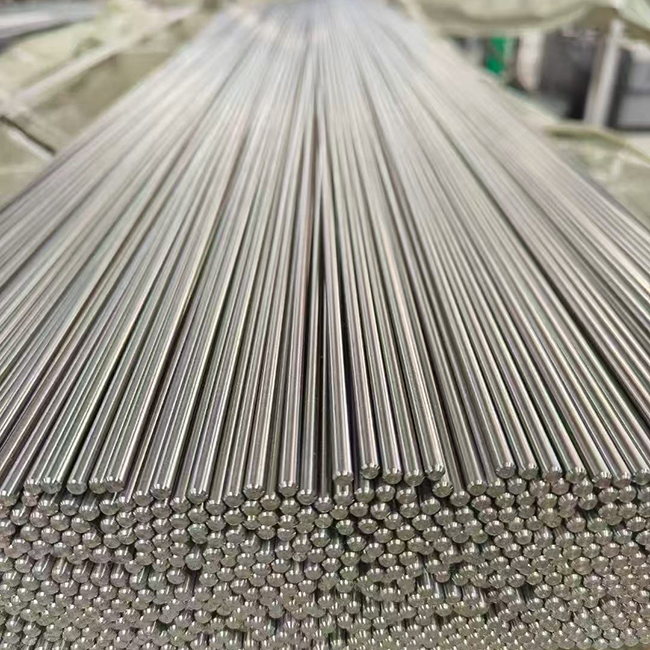
How to Purchase Ni200 Rod What Are the Key Technical Requirements and How to Choose the Right Supplier?
High-quality Ni200 rod must meet ASTM B160 standards. Nickel content must reach ≥99.0%. The material...
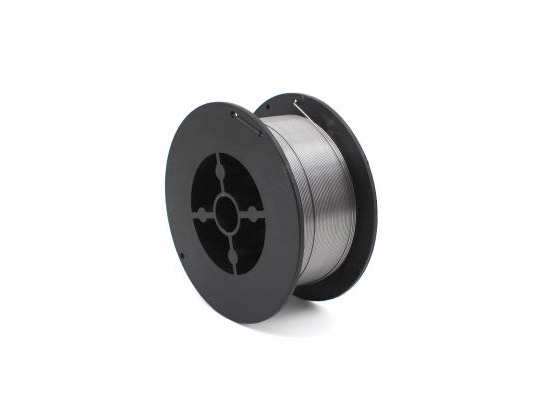
What Are the Differences Between Nickel 200 and Nickel 201 Wire, and How Do You Choose the Right Grade?
In the field of commercially pure nickel materials, Nickel 200 wire and Nickel 201 wire are two of t...
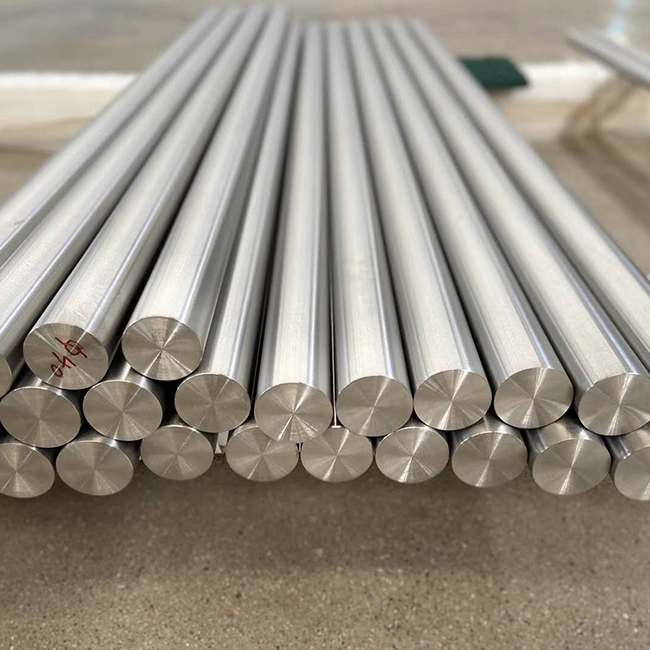
What Is the Full Analysis of Manufacturing Processes for Ni200 Bars?
The production technology of Ni200 bars covers a complete process chain from vacuum melting to preci...
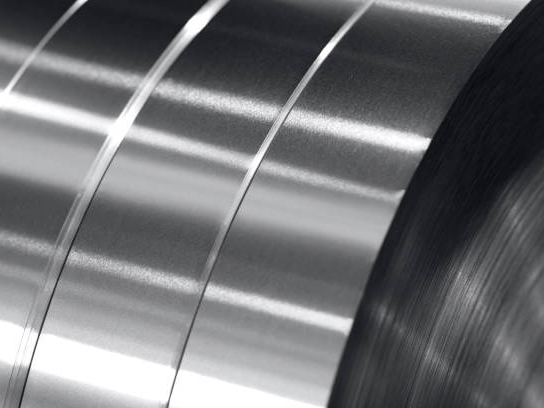
What Are the Mechanical Properties of Nickel 201 Foil, Including Tensile Strength, Ductility, and High-Temperature Stability?
Cluster link: For the main Nickel 201 foil selection guide, see Nickel 201 foil selection guide and ...
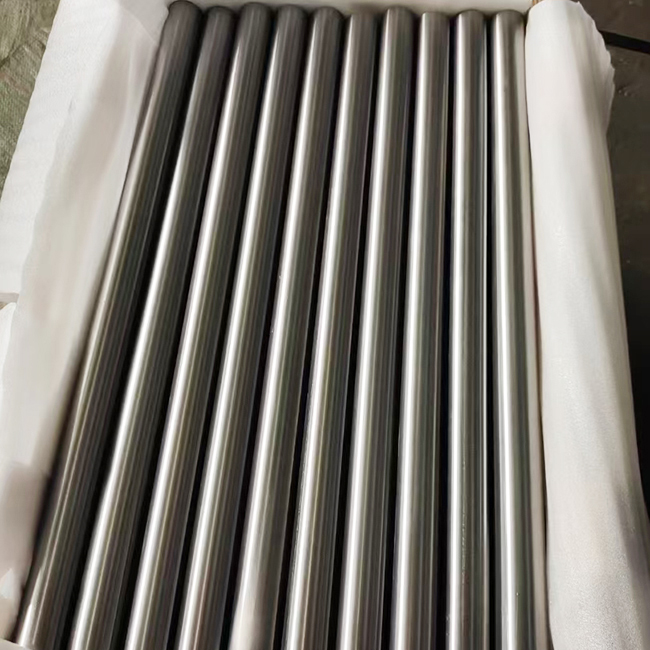
What Is the Grain Structure of Gr12 Titanium Rod and How Does It Control Corrosion Resistance and Strength?
The grain structure of Gr12 tit...
Nickel 200 Foil: ASTM B162 Properties, Thickness and Applications
Nickel 200 Foil: ASTM B162 Properties, Thickness and ApplicationsDirect answer. Nickel 200 foil is a...