
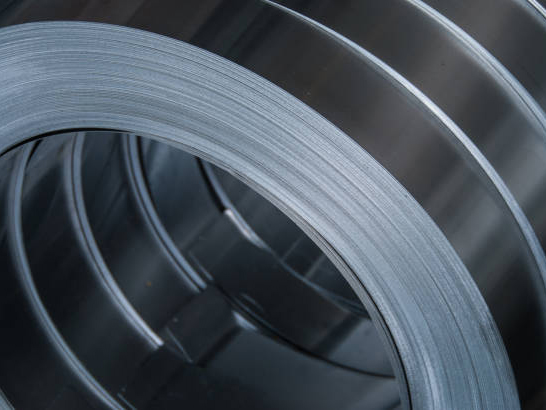
How Does Nickel 200 Foil Benefit the Electrical and Electronic Industries?

Nickel 200 foil delivers great electrical conductivity, stable chemical properties and easy...
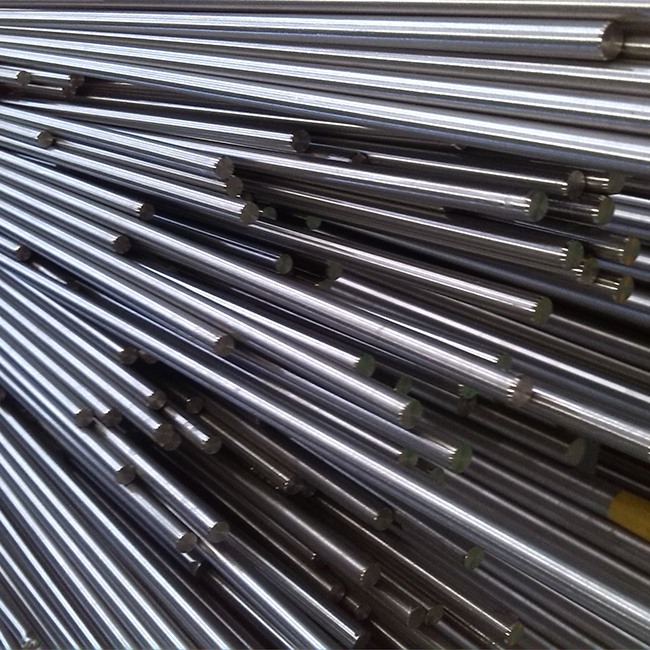
What Are the Chemical Properties and Applications of Grade 2 Titanium Rod in Corrosion Resistance, Lightweight Design, and Material Selection Strategy?
Grade 2 titanium rod for corrosion-service design. A Grade 2 rod can be considered for chemical...
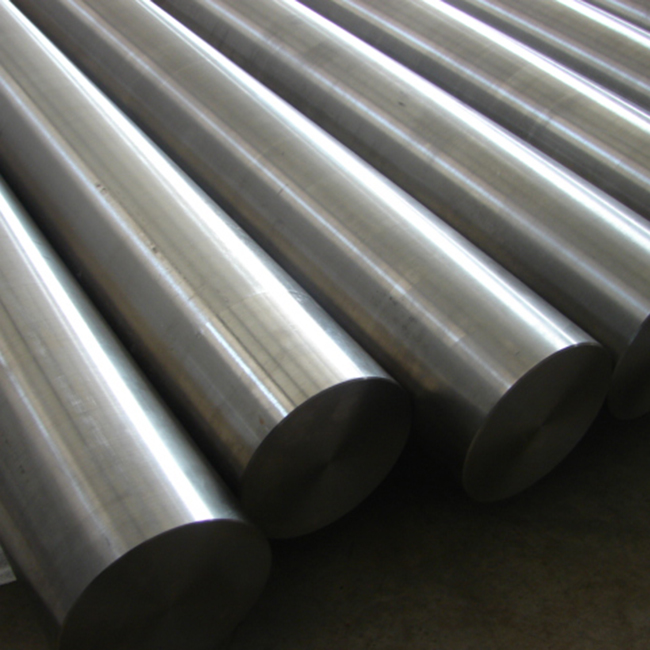
What Makes Ni200 Rod a Preferred Industrial Material for Strong Alkali Resistance, High Purity, and Low Magnetism?
In demanding industrial environments, material choice directly affects equipment life and production...
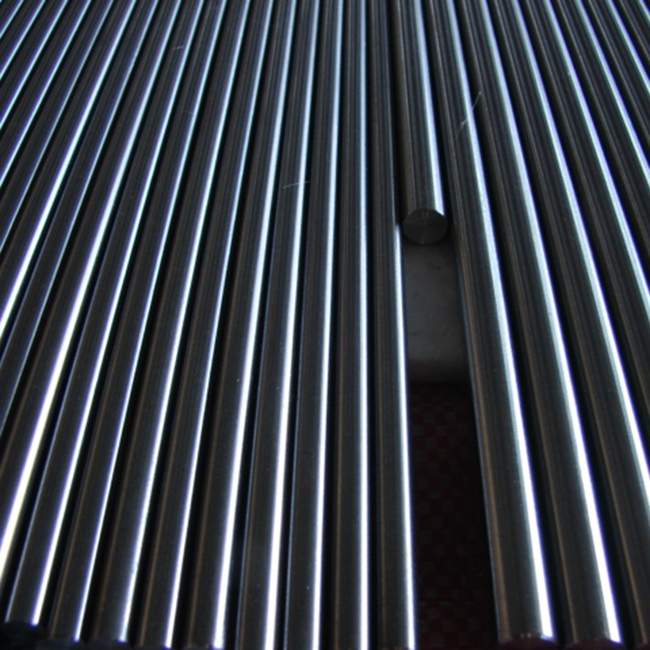
What Are the Key Features of TB13 Titanium Alloy Rod, Including High Elasticity, Precision Manufacturing, and Diverse Applications?
TB13 titanium alloy rod is a Chinese-brand near-beta titanium alloy material. It carries ou...
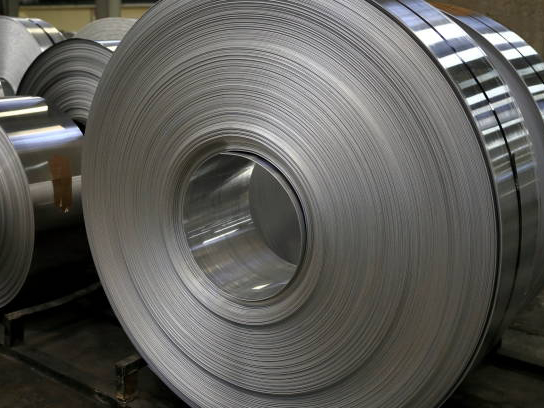
What Are the Industrial Applications and Performance Advantages of Nickel 201 Foil?
Nickel 201 foil is low-carbon high-purity nickel foil. Strict carbon control (C ≤ 0.02%) greatly lif...
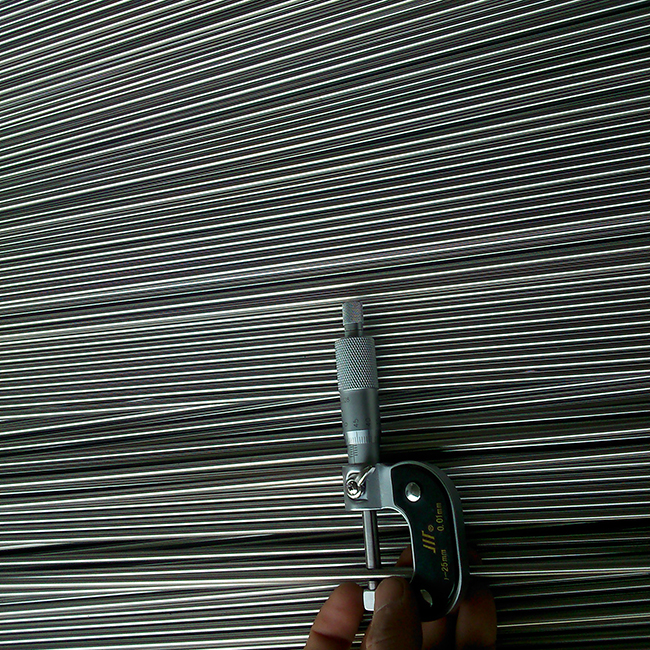
How Does Heat Treatment Change the Performance of Gr1 Titanium Rod
Heat treatment acts as a core processing method to adjust the material performance of Gr1 Titanium R...
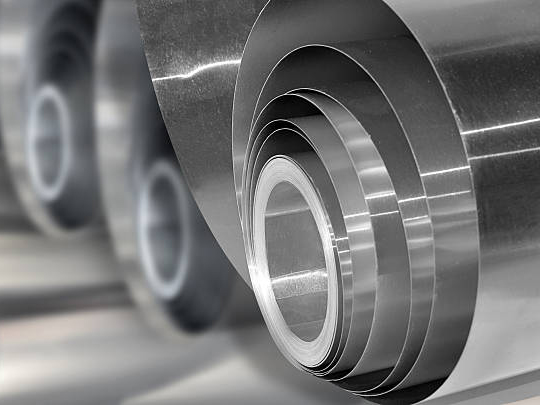
Grade 5 Titanium Foil Anodizing: Process and Quality Control
Grade 5 titanium foil anodizing guide covering surface preparation, process qualification, voltage and time control, oxide color and inspection.
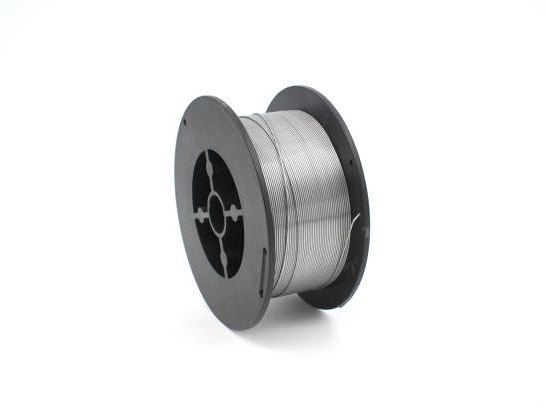
What Are the Applications and Advantages of Premium Chinese Nickel 200 Wire?
Nickel 200 wire can be considered for industrial components where the specified commercially pu...
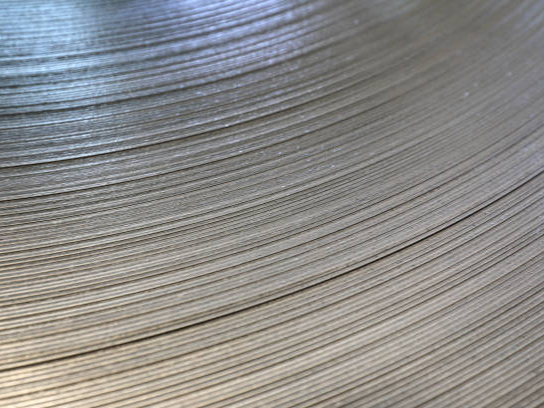
Nickel 200 Foil: ASTM B162 Specifications, Selection and RFQ Guide
Nickel 200 Foil: ASTM B162 Specifications, Selection and RFQ GuideDirect answer. Nickel 200 foil sho...
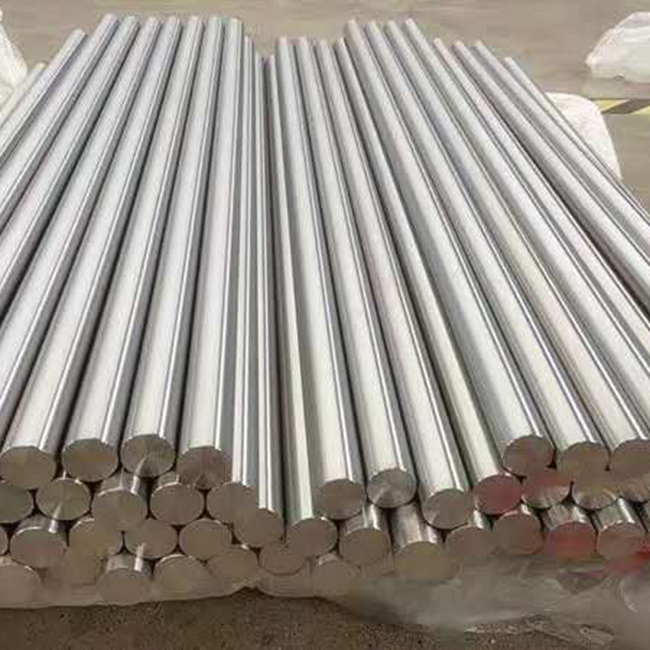
How to Choose TB13 Titanium Alloy Bars
When selecting TB13 titanium alloy bar, confirm the exact grade designation, required chemistry...