
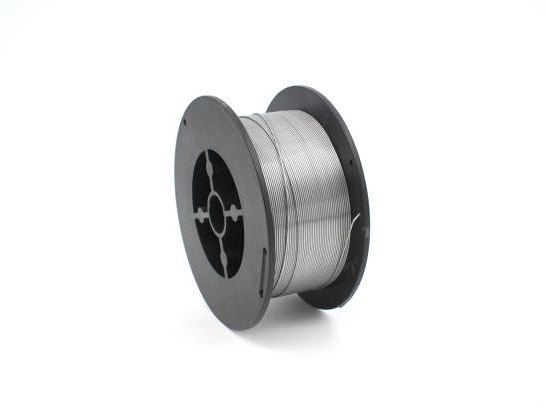
UNS R60705 Zirconium Wire: Properties and Applications

UNS R60705 is a zirconium-niobium alloy commonly called zirconium 705. Wire in this grade may b...
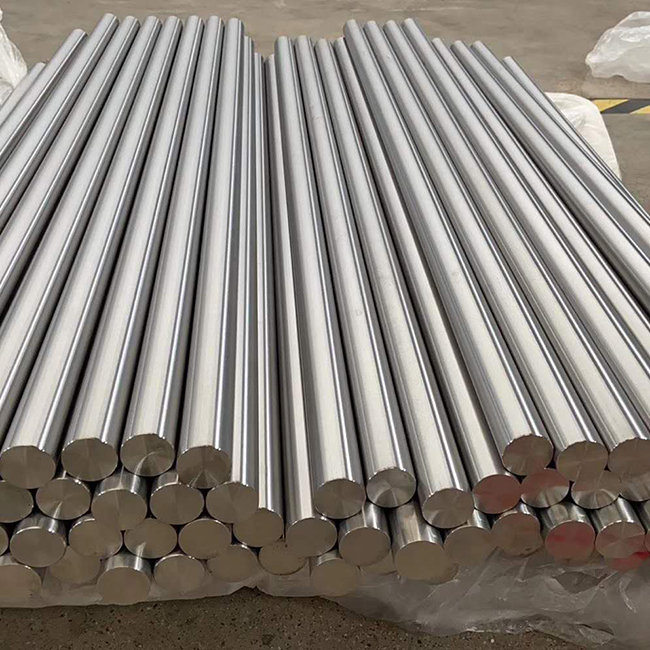
What Are the Main Properties of Gr2 Titanium Rod?
Gr2 titanium rod is the most widely used grade of commercially pure titanium. It holds an important ...
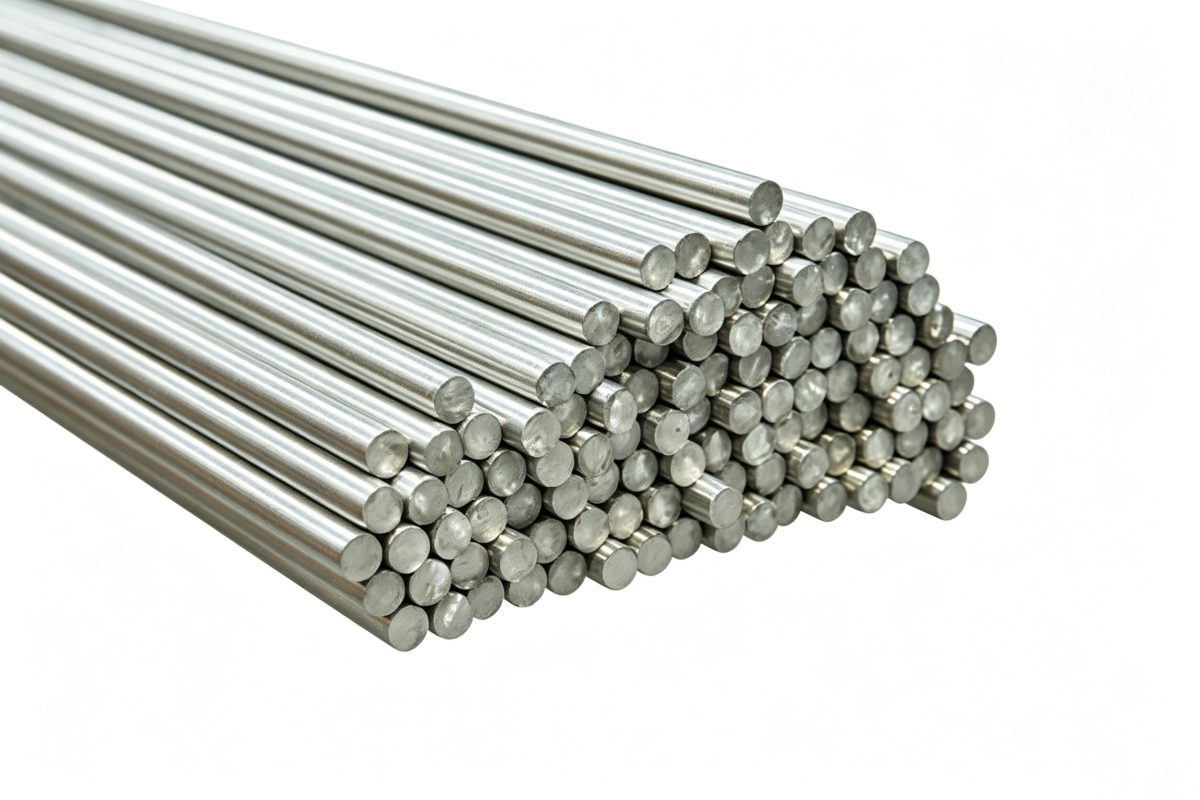
Why Is Grade 2 Titanium Rod Considered an All-Rounder among Commercially Pure Titanium Grades?
Grade 2 rod in the commercially pure titanium family. Grade 2 (UNS R50400) is a common unalloye...
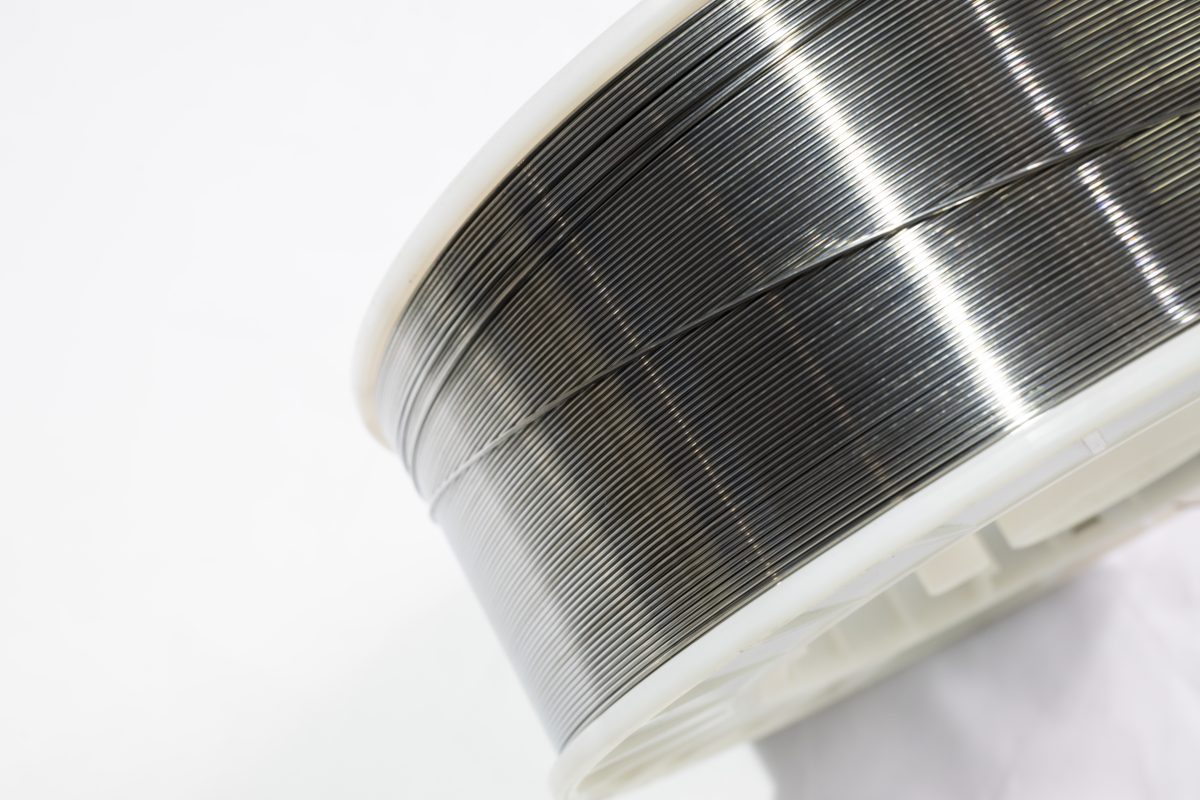
What Are the Composition, Properties, and Industrial Uses of Nickel 200 Wire?
Nickel 200, also identified as UNS N02200, is a commercially pure nickel grade. Wire selection ...
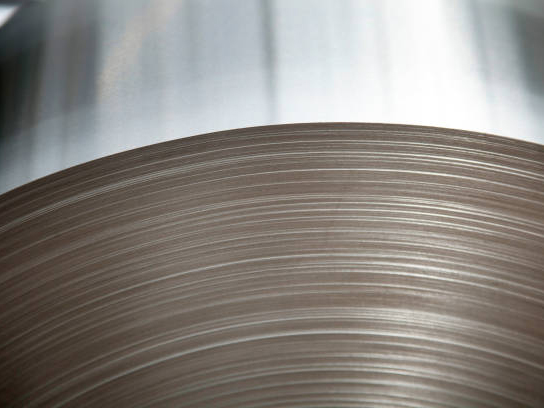
What Are the Properties and Advantages of Nickel 200 Foil?
Nickel 200 foil is a commercially pure nickel material. Its nickel content stays above 99.0%, with t...
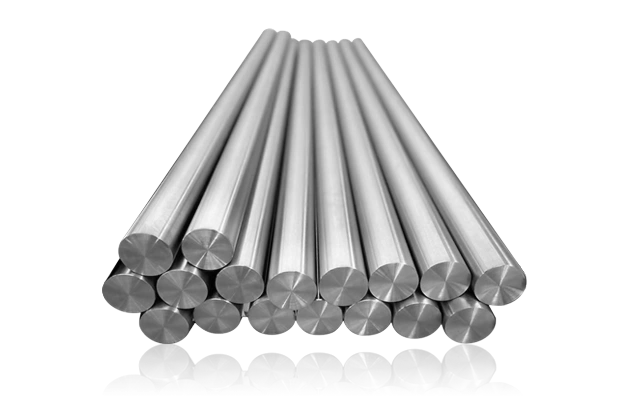
What Are the Eight Core Application Fields of Gr4 Titanium Rod?
Gr4 titanium rod is the strongest grade among commercially pure titanium. It plays an important role...

Grade 5 Titanium Foil: Composition and Application Requirements
Grade 5 titanium foil is based on the Ti-6Al-4V alloy, commonly designated UNS R56400. The appl...
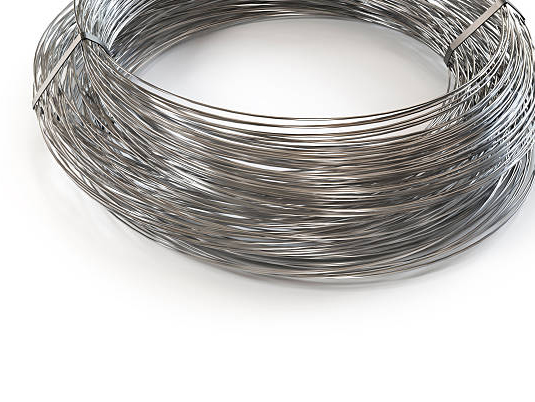
Zirconium Wire: Chemical Applications and Specification Selection
Zirconium and zirconium alloy wire can be considered for a chemical-process component when the ...
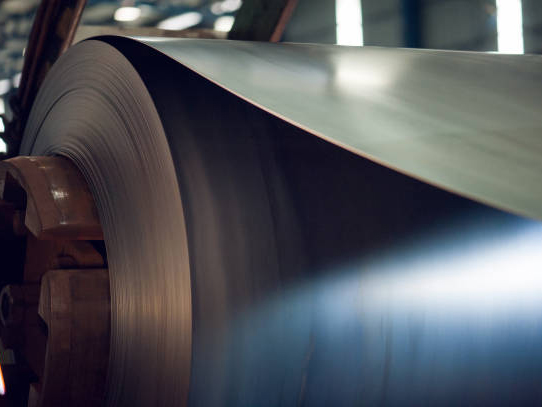
What Are the Coating Process and Applications of Gr1 Titanium Foil?
Gr1 titanium foil has purity above 99.5%. It has good surface performance and workab...
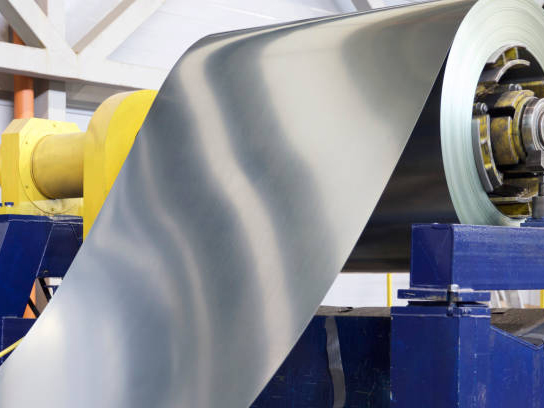
What Is the Shear Strength of Gr1 Titanium Foil?
Gr1 titanium foil has shear strength from 140 MPa to 180 MPa. This value equa...