
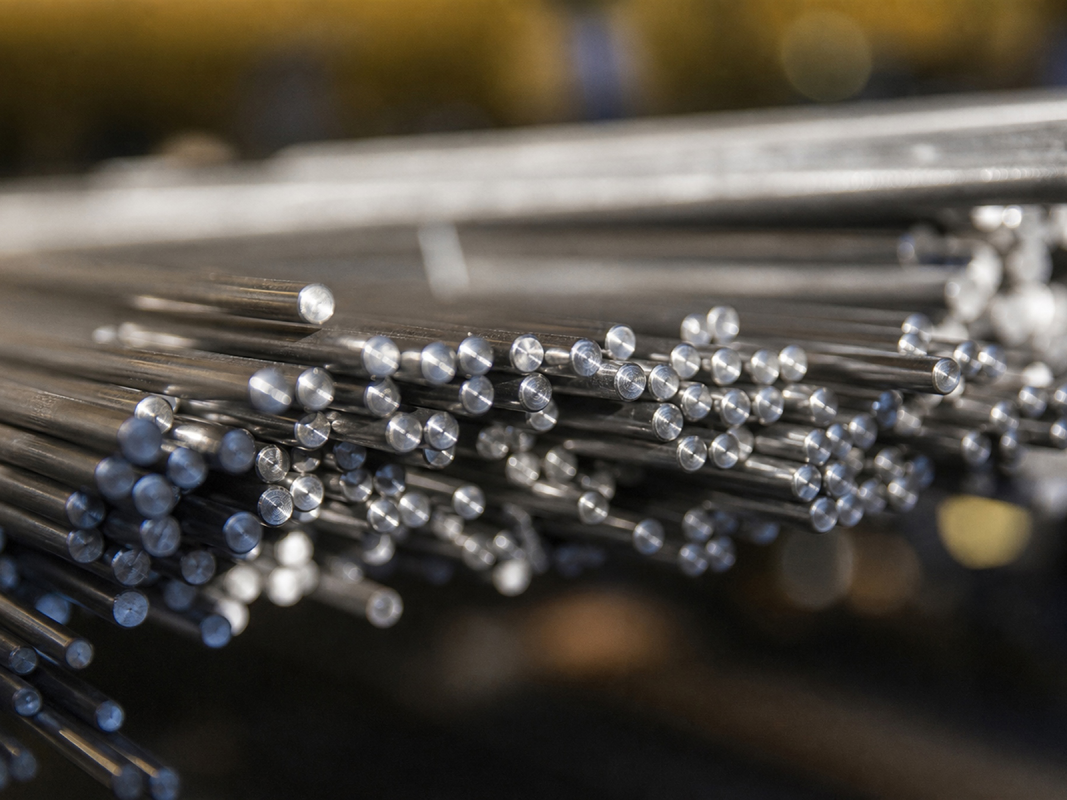
What Is the Creep Resistance of Gr5 Titanium Rod?

Gr5 titanium rod (Ti-6Al-4V alloy) exhibits excellent creep resistance, making it an ideal material ...
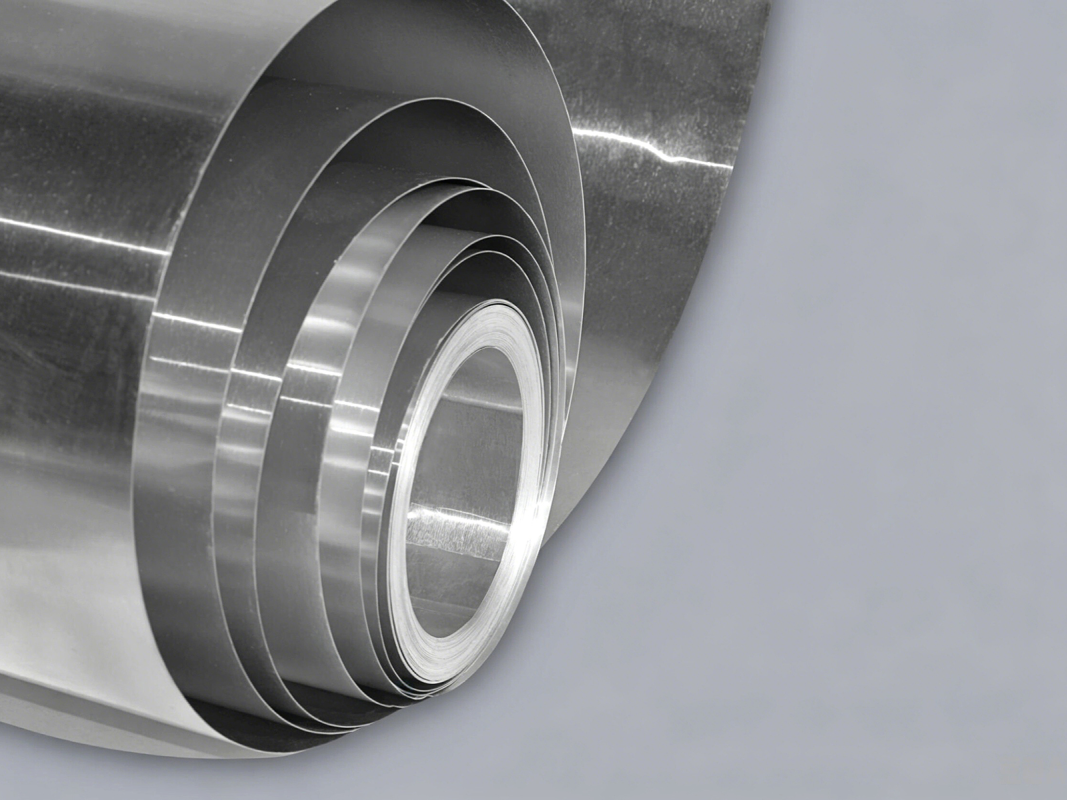
How Is Core Advantages of Gr5 Titanium Foil in Advanced Industrial Applications?
Gr5 titanium foil (Ti-6Al-4V), with its unique α+β dual-phase alloy structure, shows significant adv...
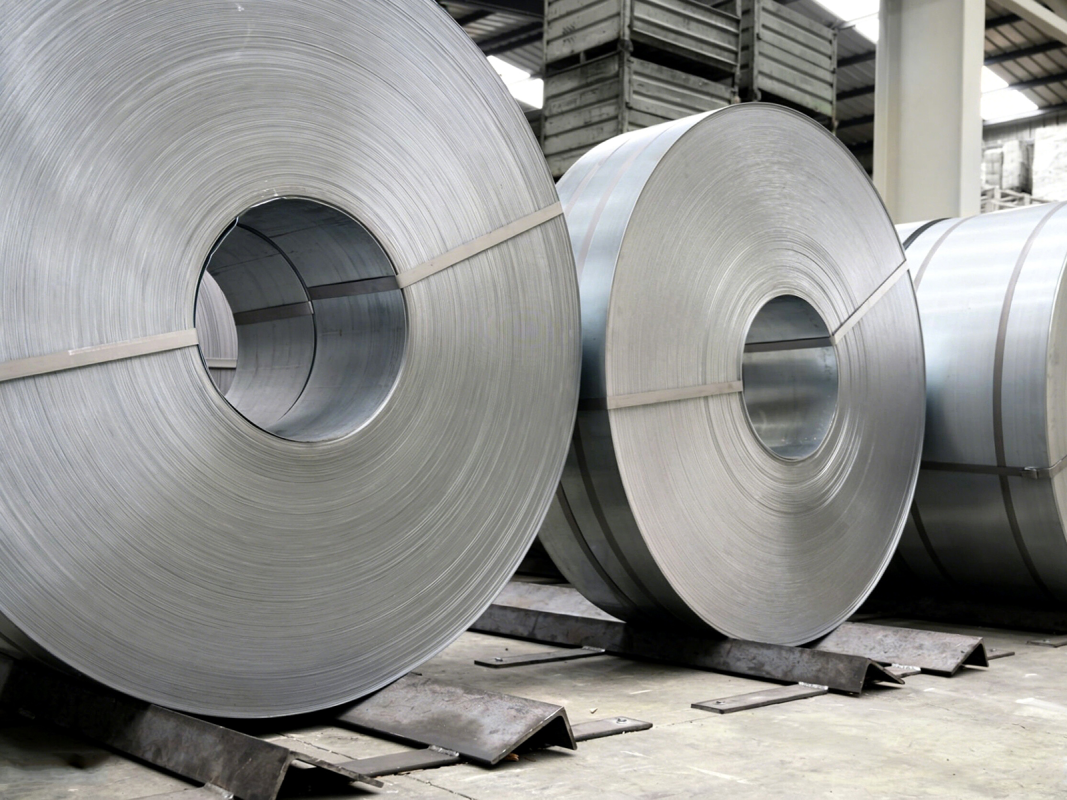
The Difference Between Nickel 201 and Nickel 200: When Must You Choose the Low-carbon Version?
In high-temperature alkaline environments and precision electrochemical applications, material selec...
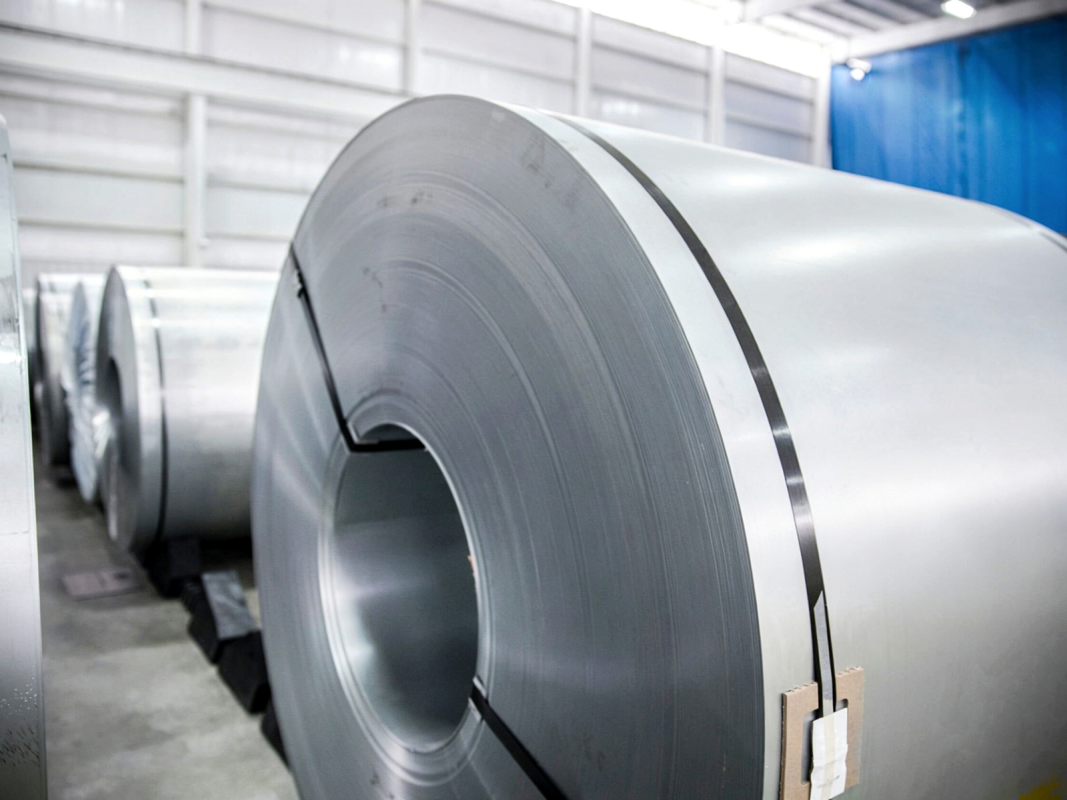
What Are the UNS R60702 Foil Thickness Specification and Custom Manufacturing Guide?
UNS R60702 foil (industrial pure zirconium foil) has become a key material in the fields of chemical...
What Are the UNS R60702 Guide to Chemical Composition and Mechanical Properties of Foils?
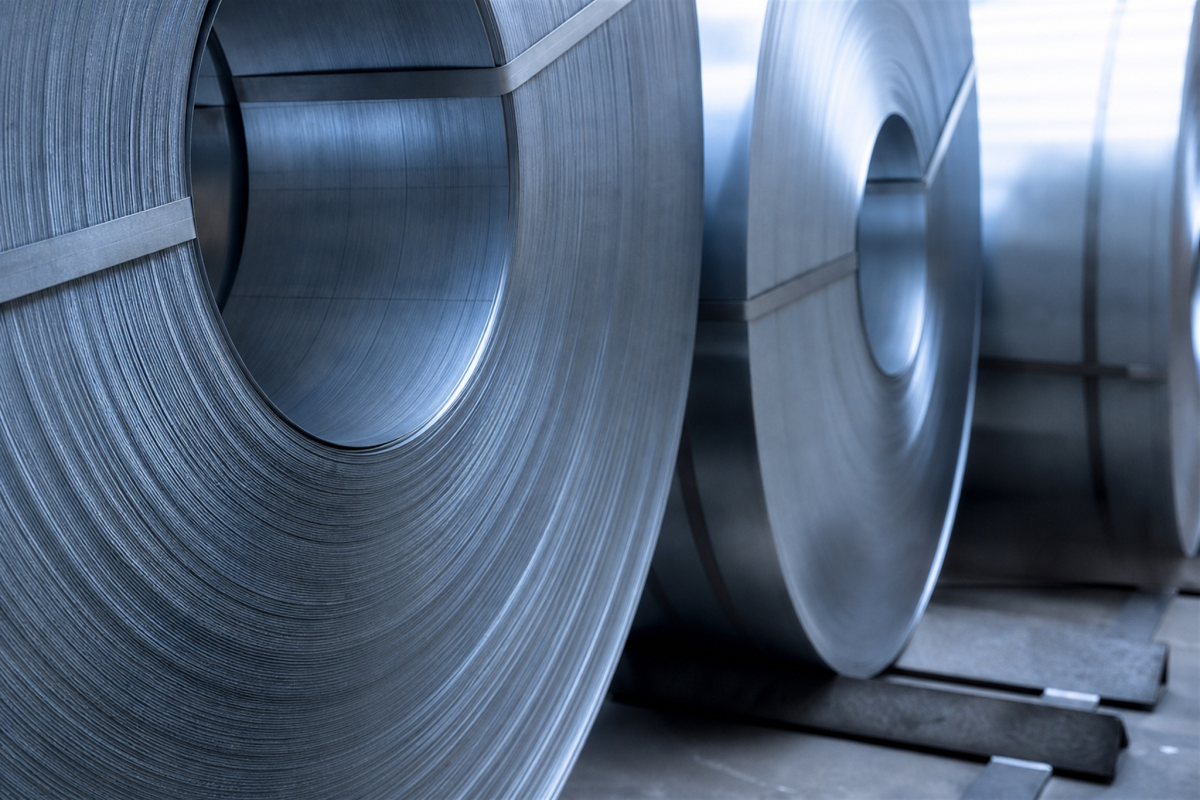
UNS R60702 foil is a high-purity industrial zirconium material. Its core chemical composition is Zr+...
What Processing and Handling Practices Are Recommended for Zr702 Foil?
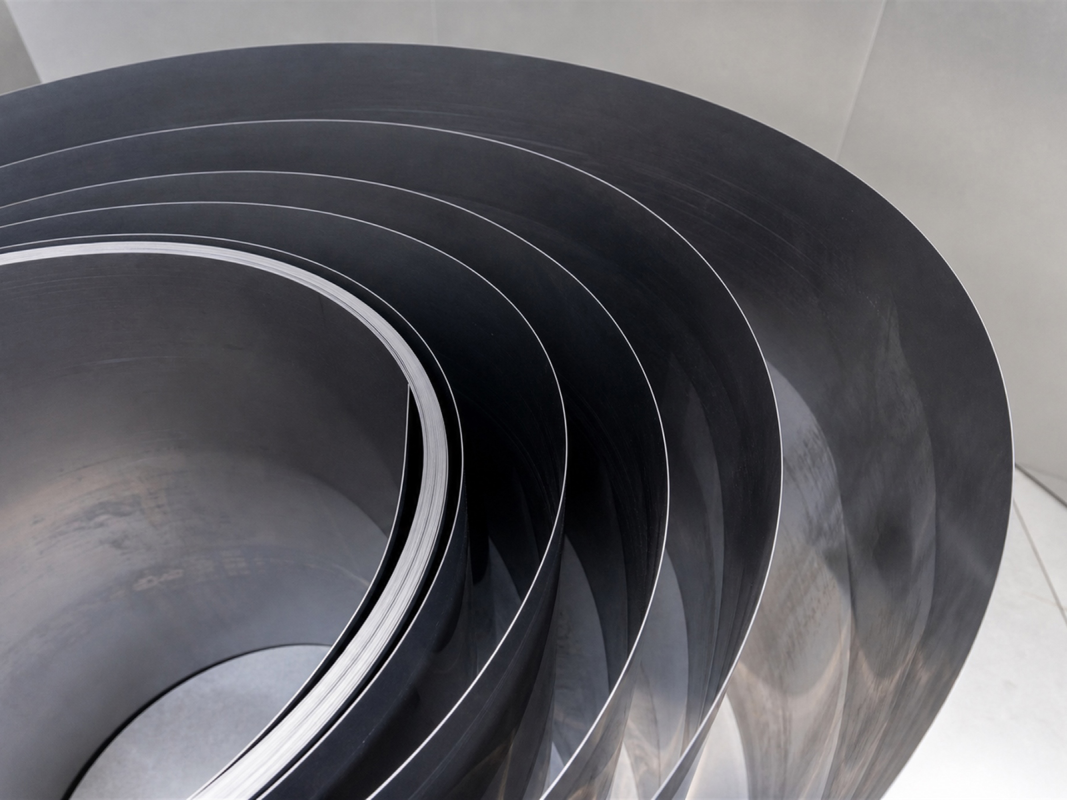
Successful processing of Zr702 foil depends on precise process control and disciplined operating pro...
How to Select High-Quality GR1 Titanium Wire for Efficient Racking Fixtures?
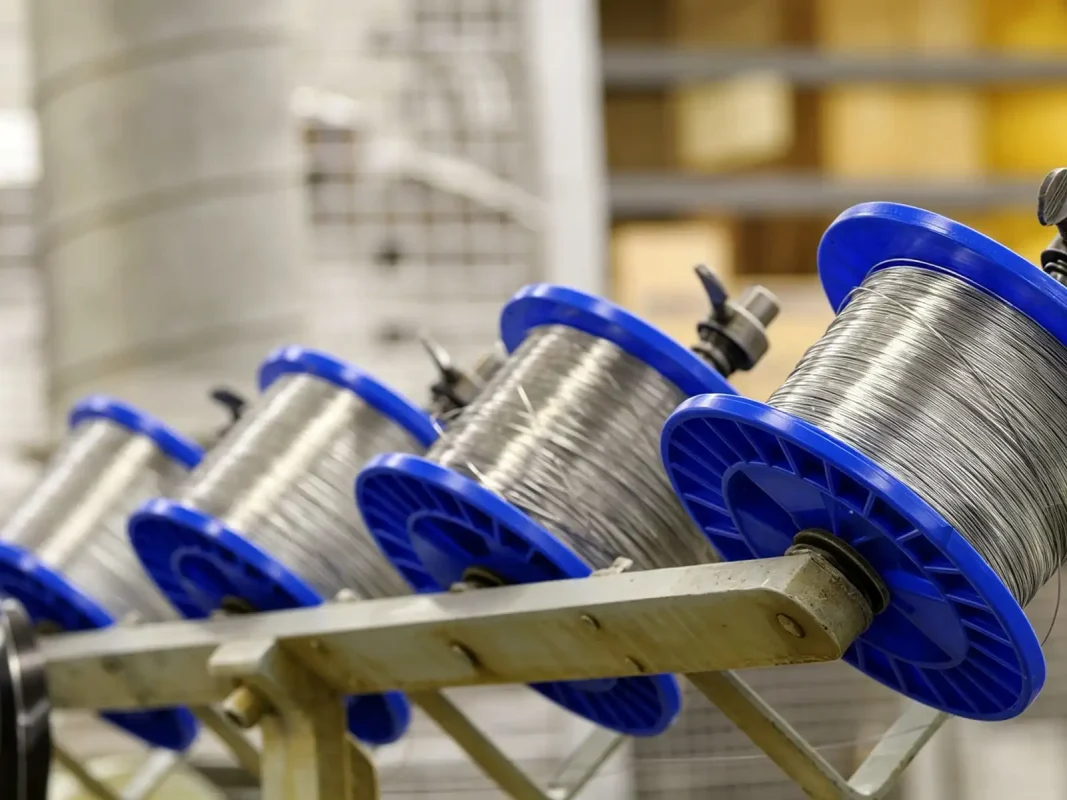
Racking fixtures play a critical role in electroplating, surface treatment, and heat treatment indus...
Is GR1 Titanium Wire Cost-Effective for Long-Term Use?
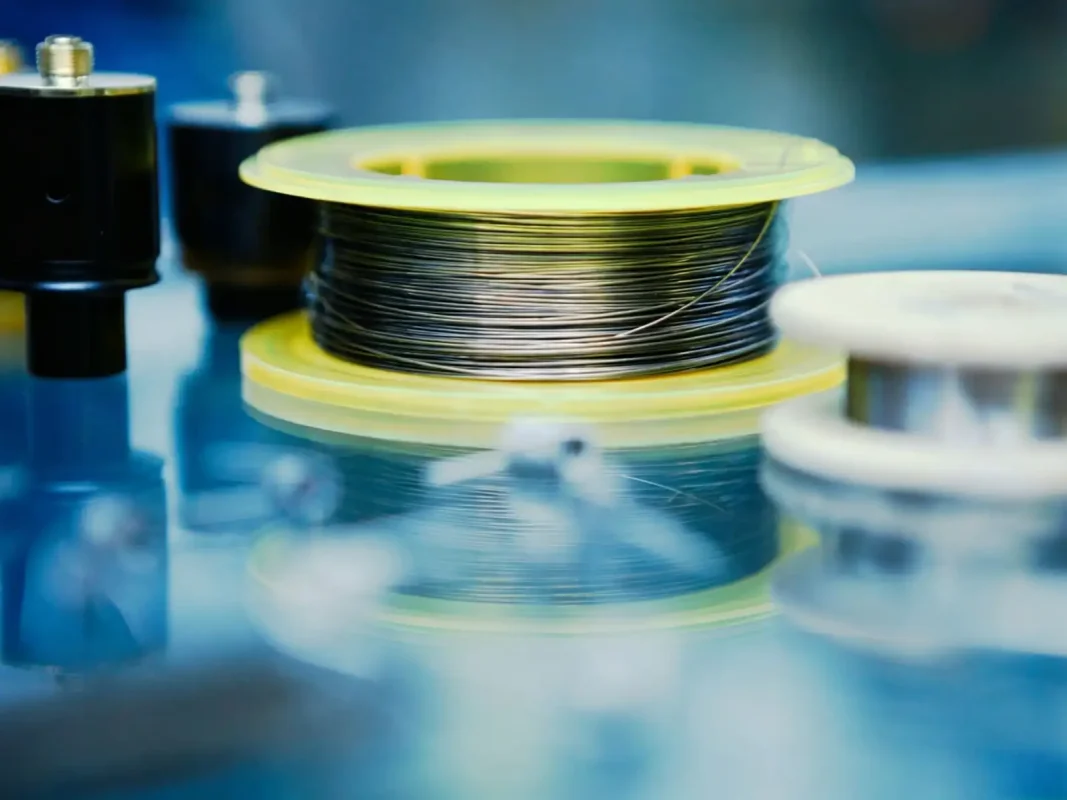
In industrial material procurement decisions, initial cost is rarely the sole consideration. GR1 tit...
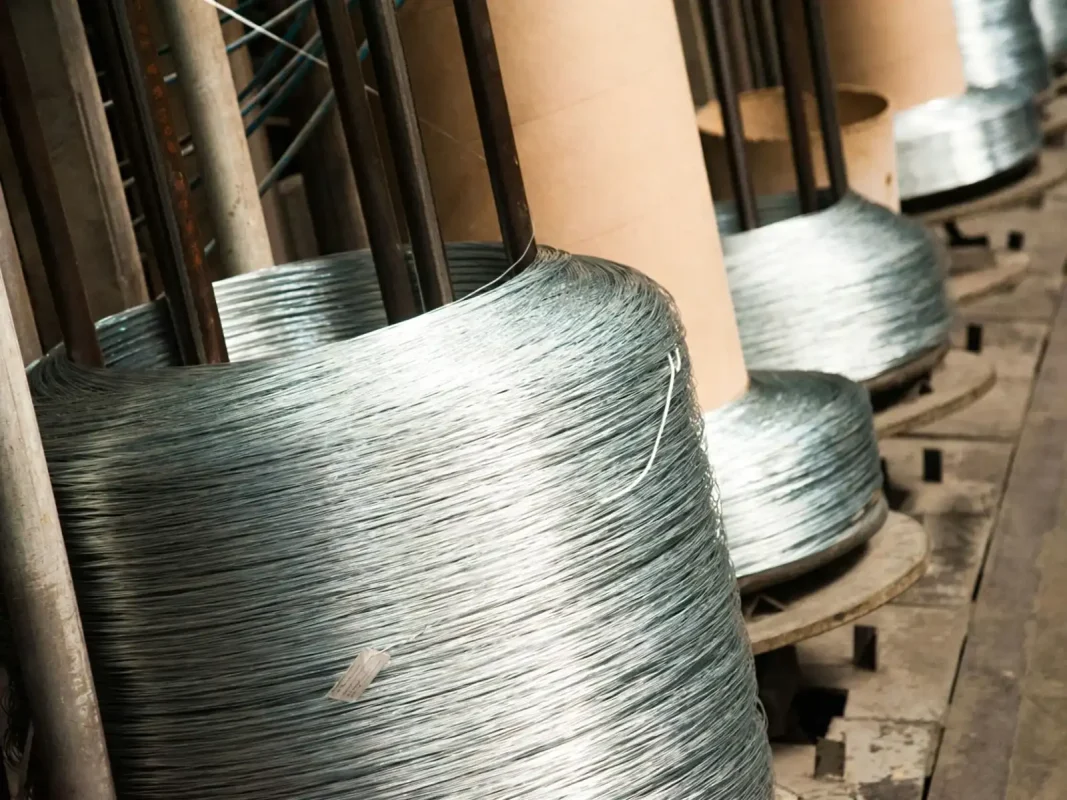
What Are the Applications of ASTM B550 Zirconium Wire in Pyrotechnic Technology and Special Light-Emitting Components
Due to its unique combustion characteristics and light-emitting properties, ASTM B550 zirconium wire...
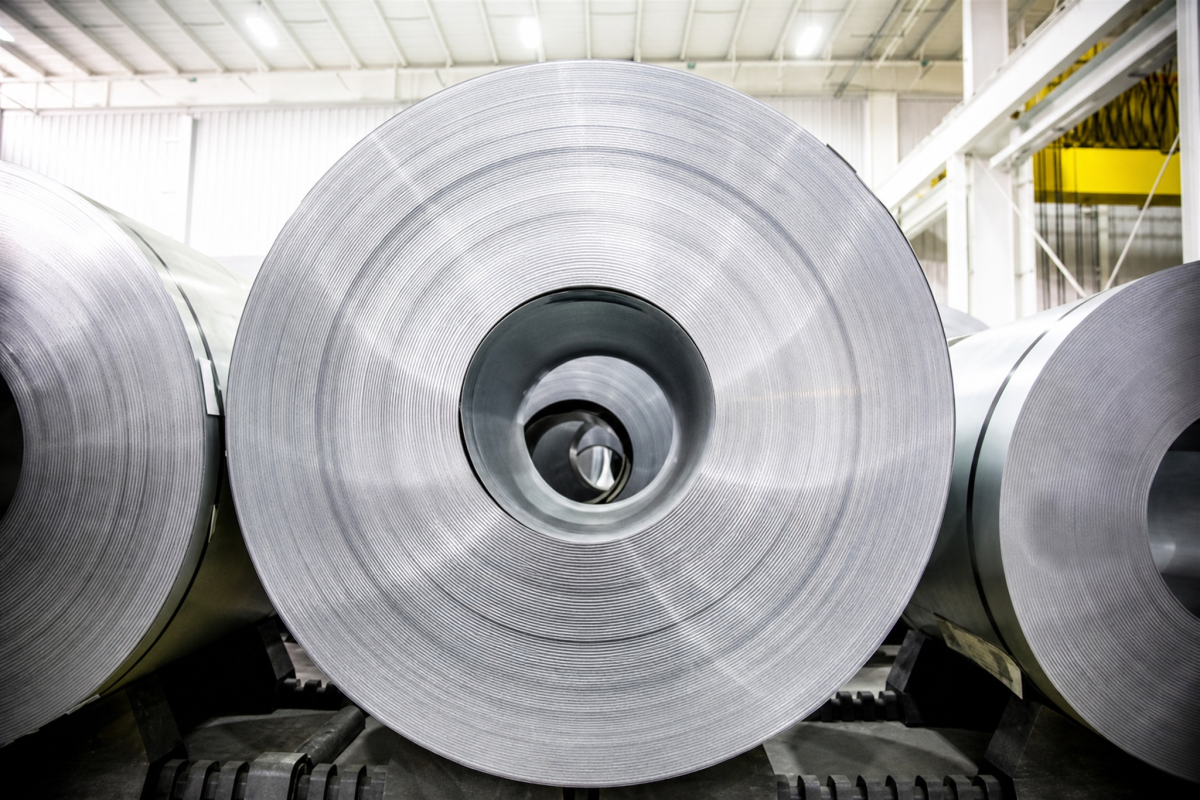
What Are the Common Applications of GR5 Titanium Foil in Medical Devices?
GR5 titanium foil (Ti-6Al-4V) has extensive applications in the medical device sector, primarily con...