
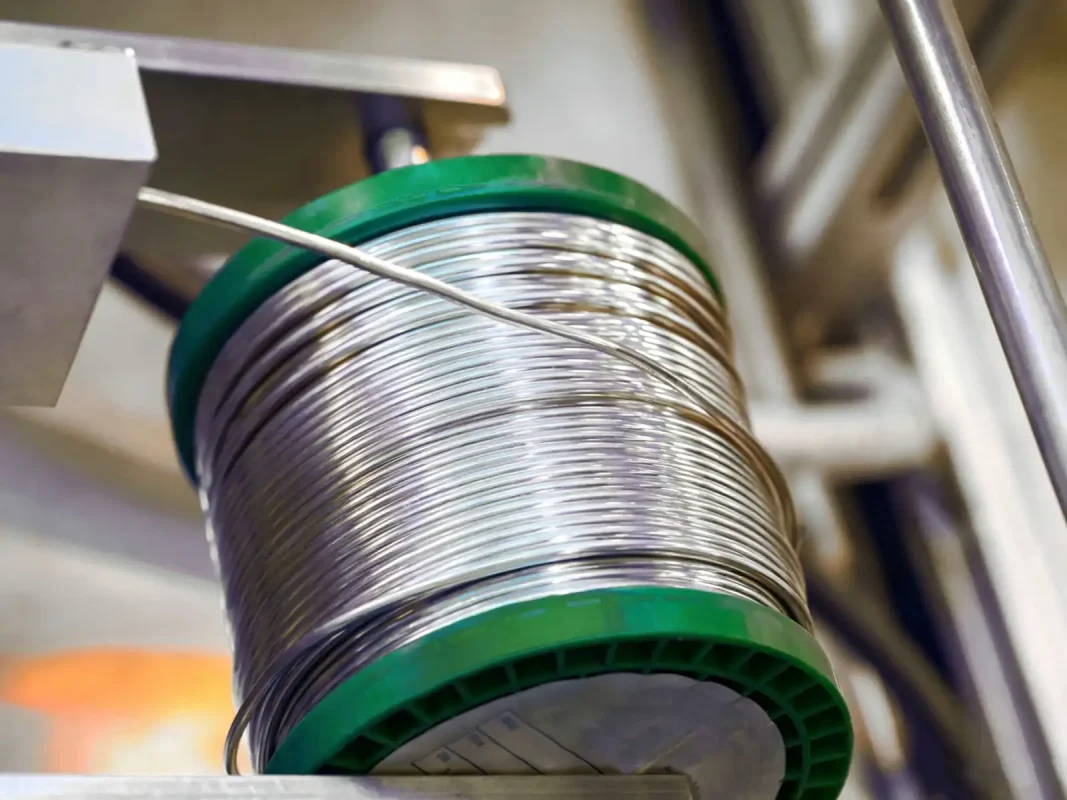
Grade 5 Titanium Wire: Common Processing and Selection Challenges

Grade 5 titanium wire selection can involve competing requirements for material condition, dime...
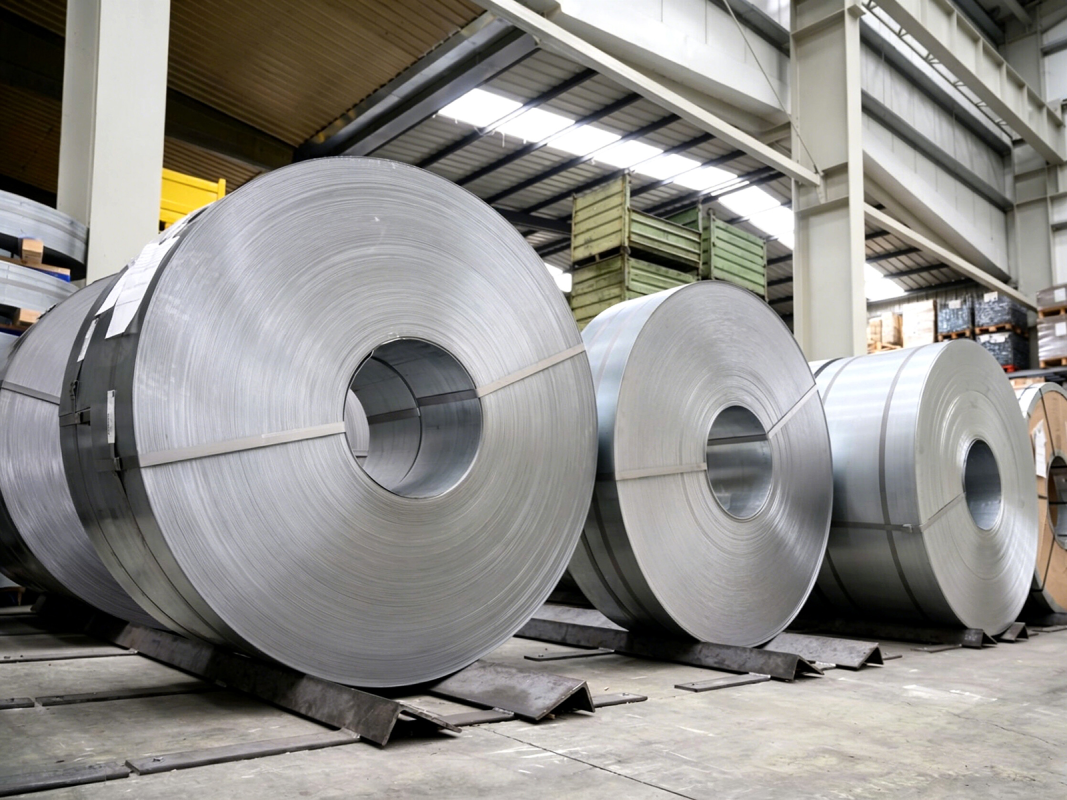
What Are the Differences in Cold Rolled Vs. Heat Treated Ti-15-3 Titanium Foil, Main Differences?
Ti-15V-3Al-3Cr-3Sn titanium foil (Ti-15-3 for short), as a representative material of near-β titaniu...
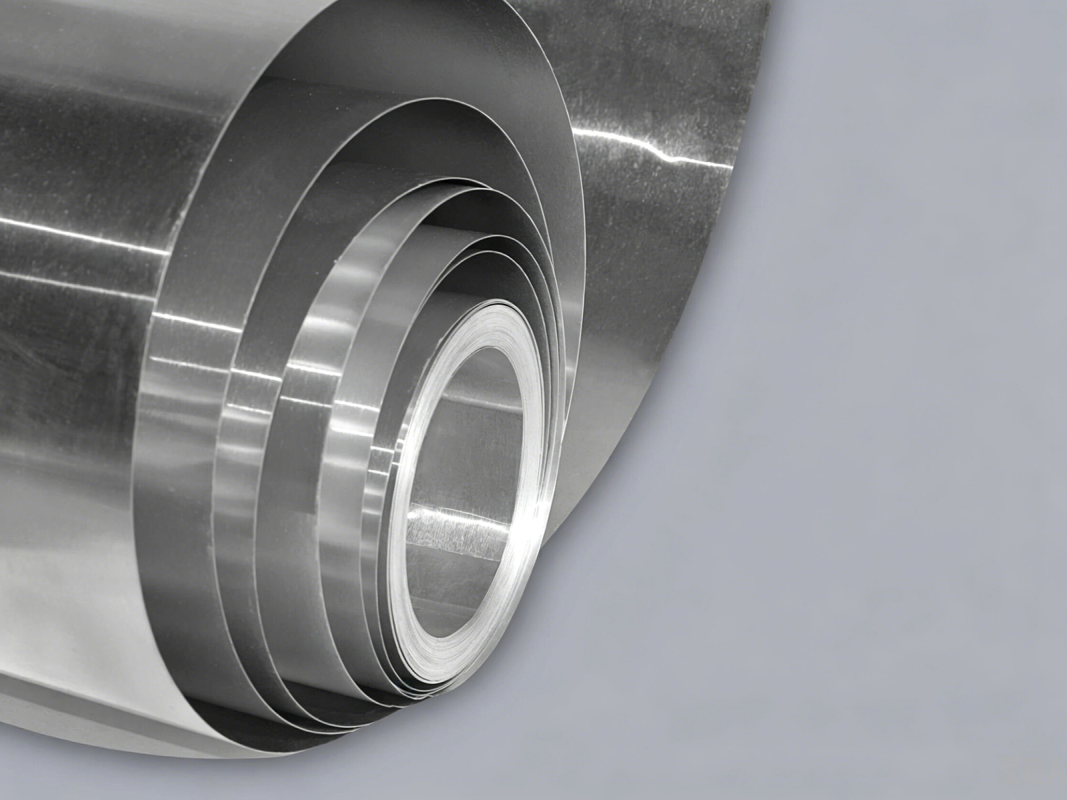
What Is Gr5 Titanium Foil? a Comprehensive Guide to Grade 5 Titanium Alloys?
Gr5 titanium foil is a high-performance titanium alloy thin material based on Ti-6Al-4V, which belon...
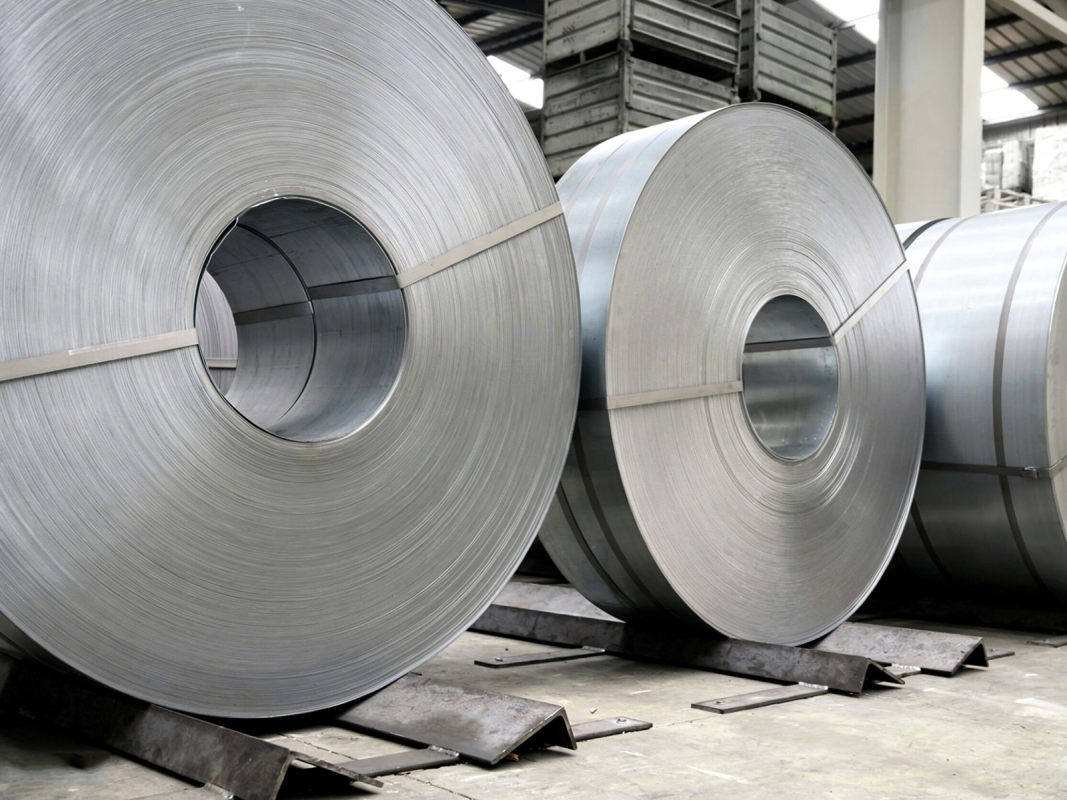
What Is Nickel 201 Foil? Comprehensive Guide for Industrial Buyers?
Nickel 201 foil is a low-carbon, high-purity nickel ultra-thin strip designed for high-end electroni...
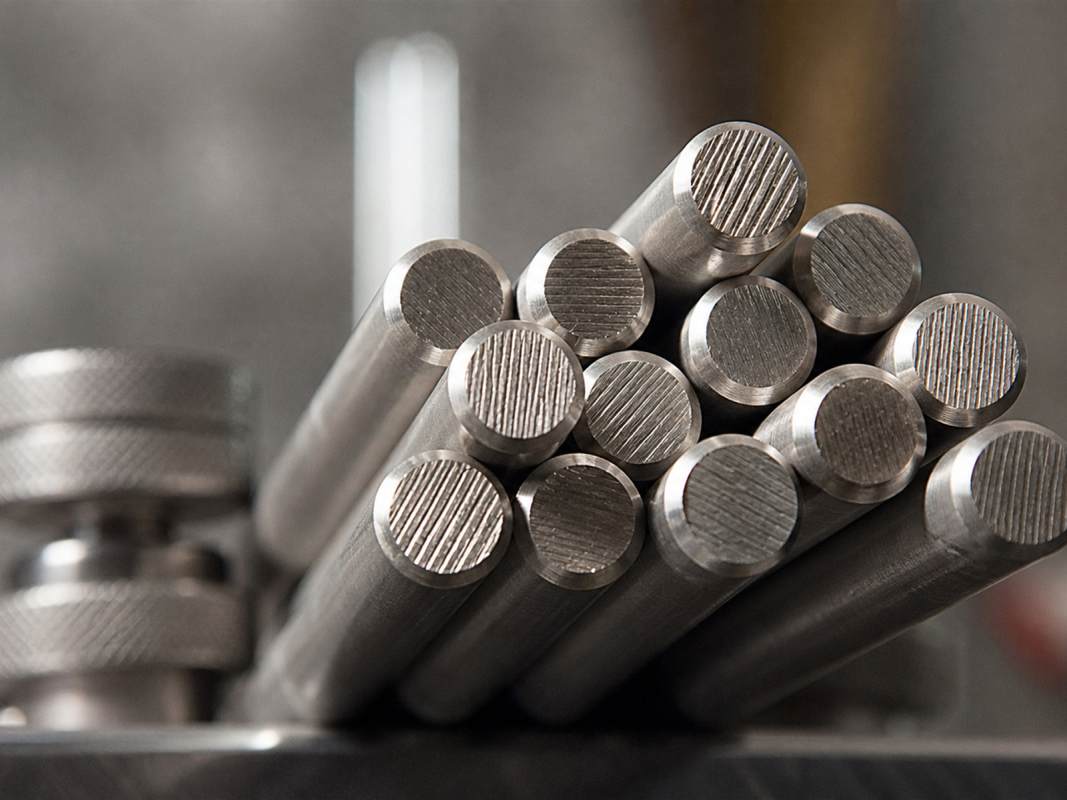
What Is TB13 Titanium Alloy Rod? Comprehensive Materials Guide?
TB13 titanium alloy rod is a metastable beta titanium alloy material independently developed by Chin...
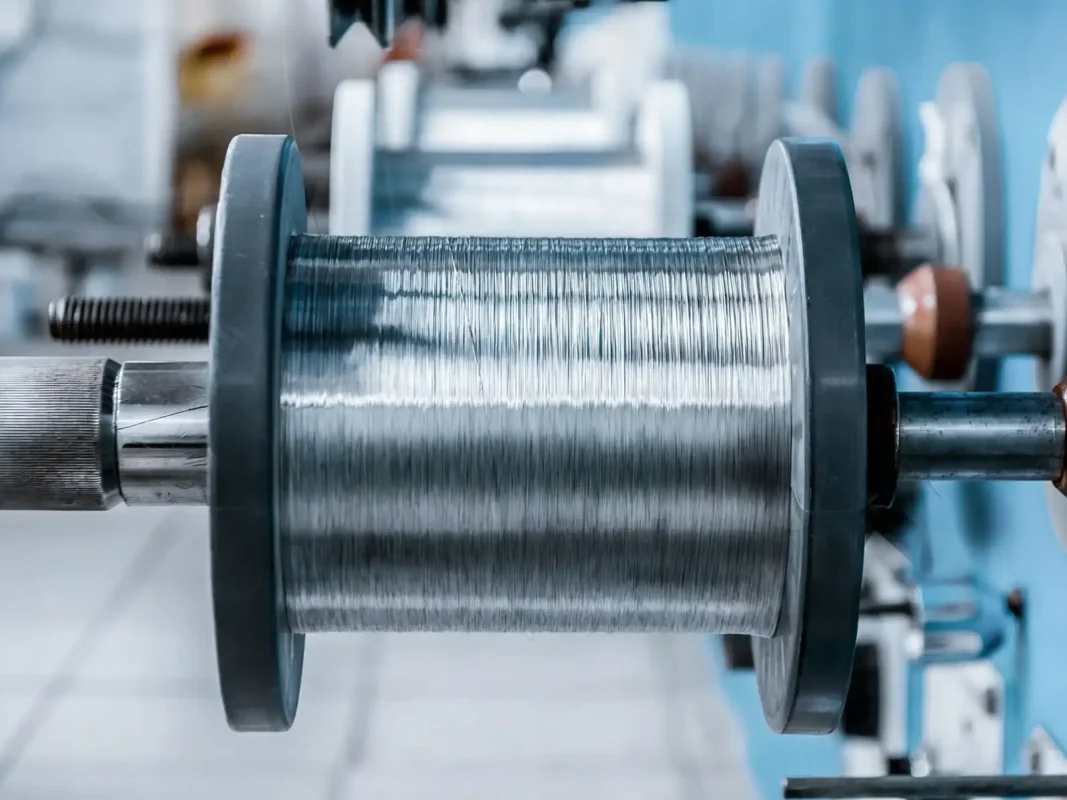
What Is the Difference Between GR4 Titanium Wire and Other Grades of Titanium Wire?
Among industrial titanium wire materials, GR4 titanium wire represents the peak strength of the comm...
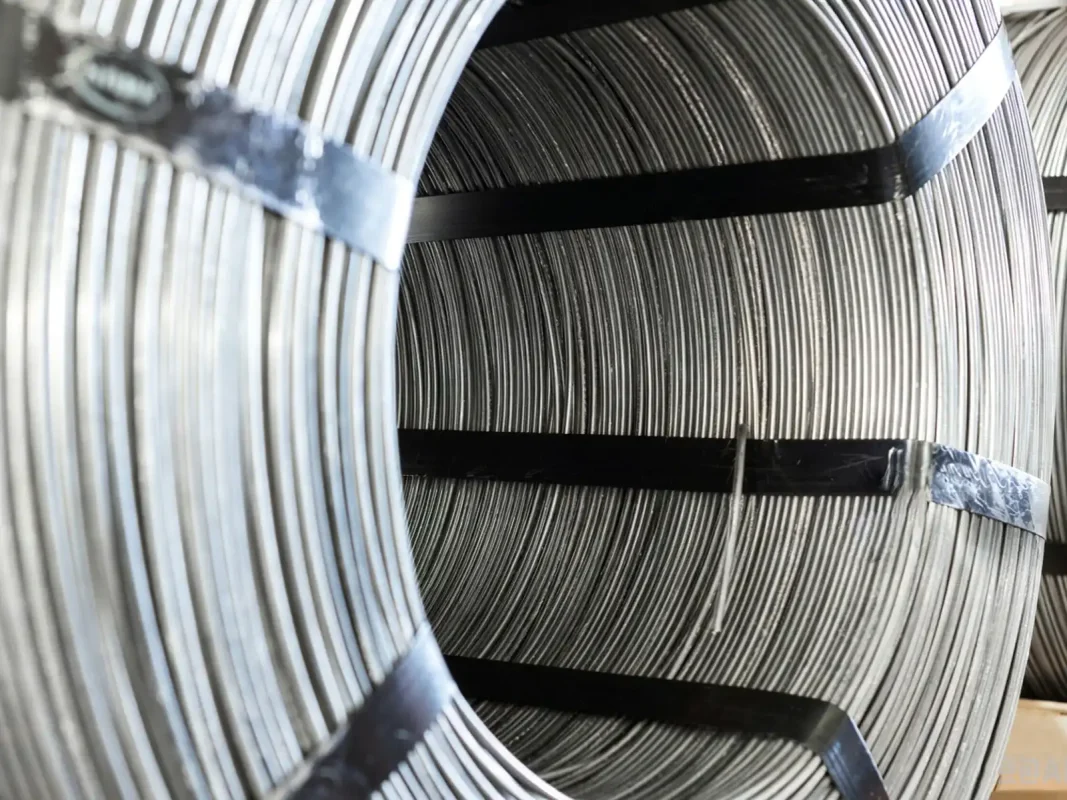
What Should You Know About ASTM B550 Zirconium Wire, a Key Material for Nuclear Reactor Fuel Assemblies?
When we talk about material selection for nuclear reactors, ASTM B550 Zirconium Wire plays an irrepl...
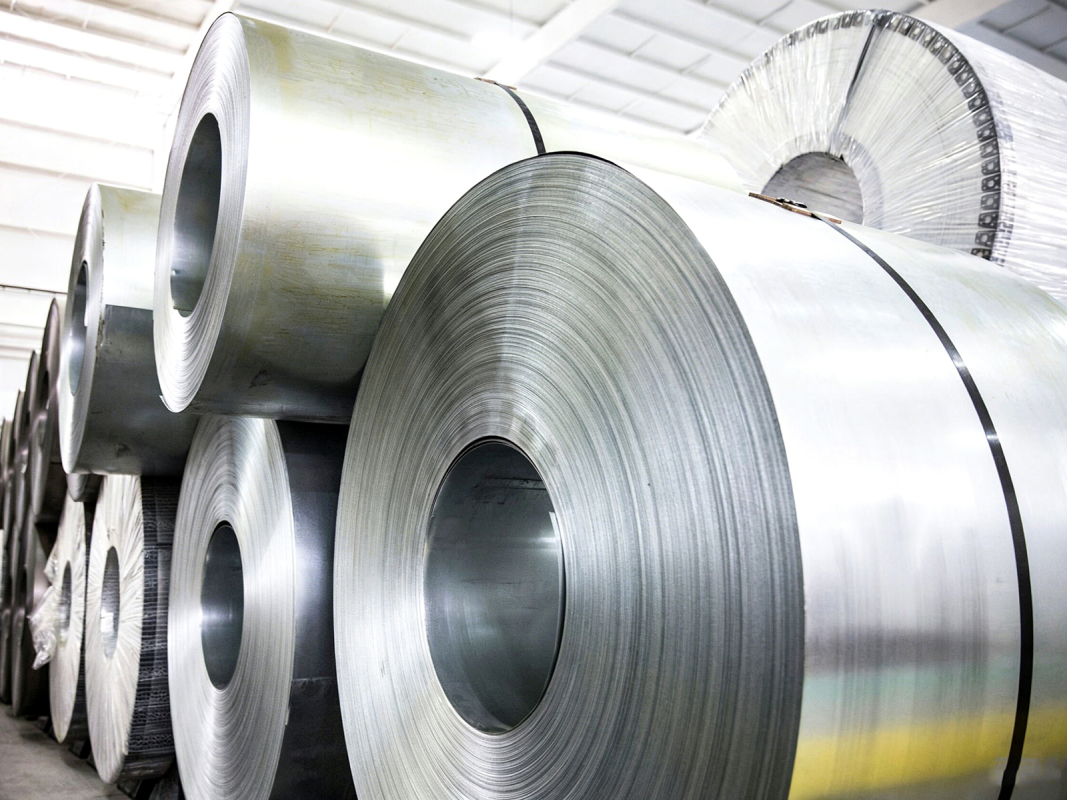
What Should You Know About Everything You Need to Know About Zirconium 702 Foil?
When chemical equipment fails repeatedly in a hydrochloric acid environment, or electrolytic cell el...
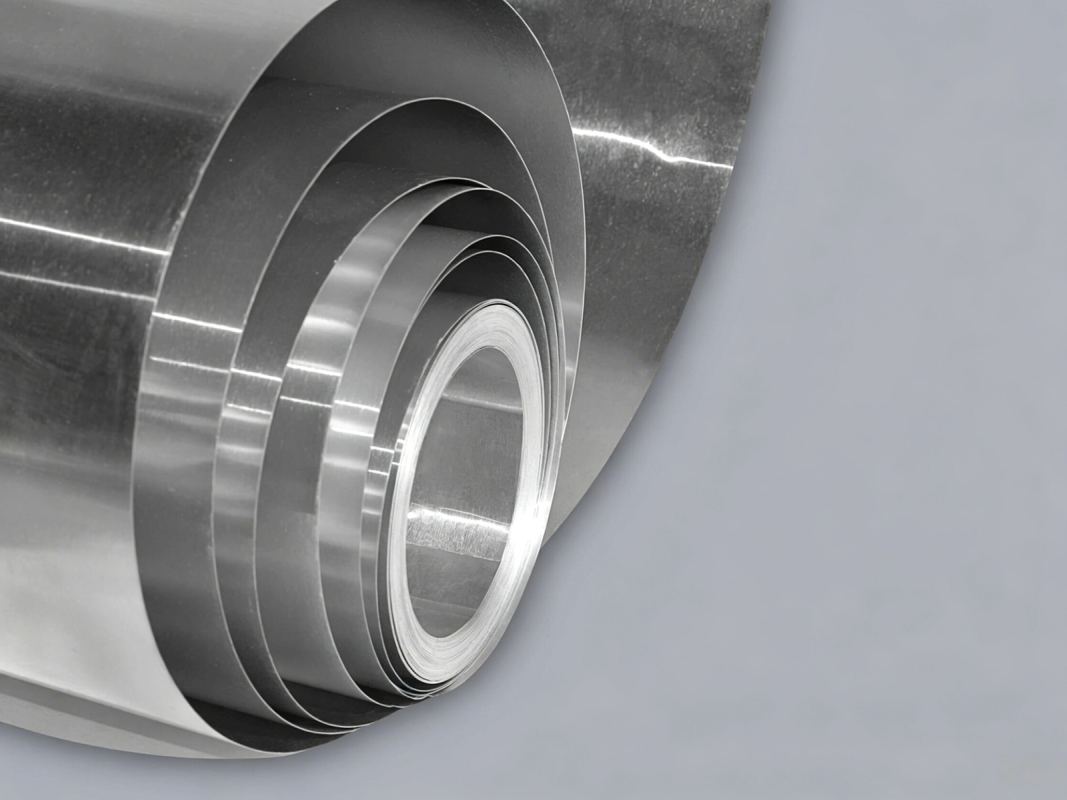
What Should You Know About Grade 5 Titanium Foil, a High-strength Material for High-end Industries?
In the context of the global manufacturing industry evolving towards lightweight and high performanc...
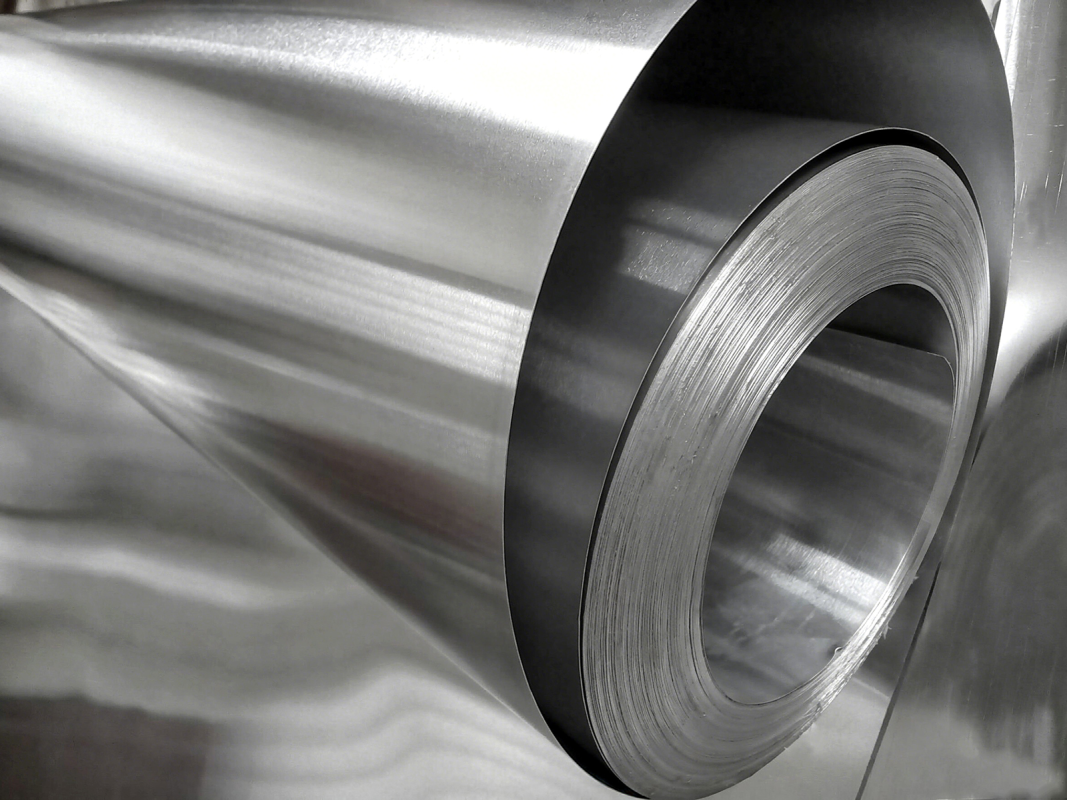
What Should You Know About Key Benefits of Using Nickel 201 Foil in Manufacturing?
In modern advanced manufacturing, material selection directly affects product performance and produc...