
Why Is Nickel 200 Foil Widely Used in Industrial Applications?
- Nickel 200 Foil
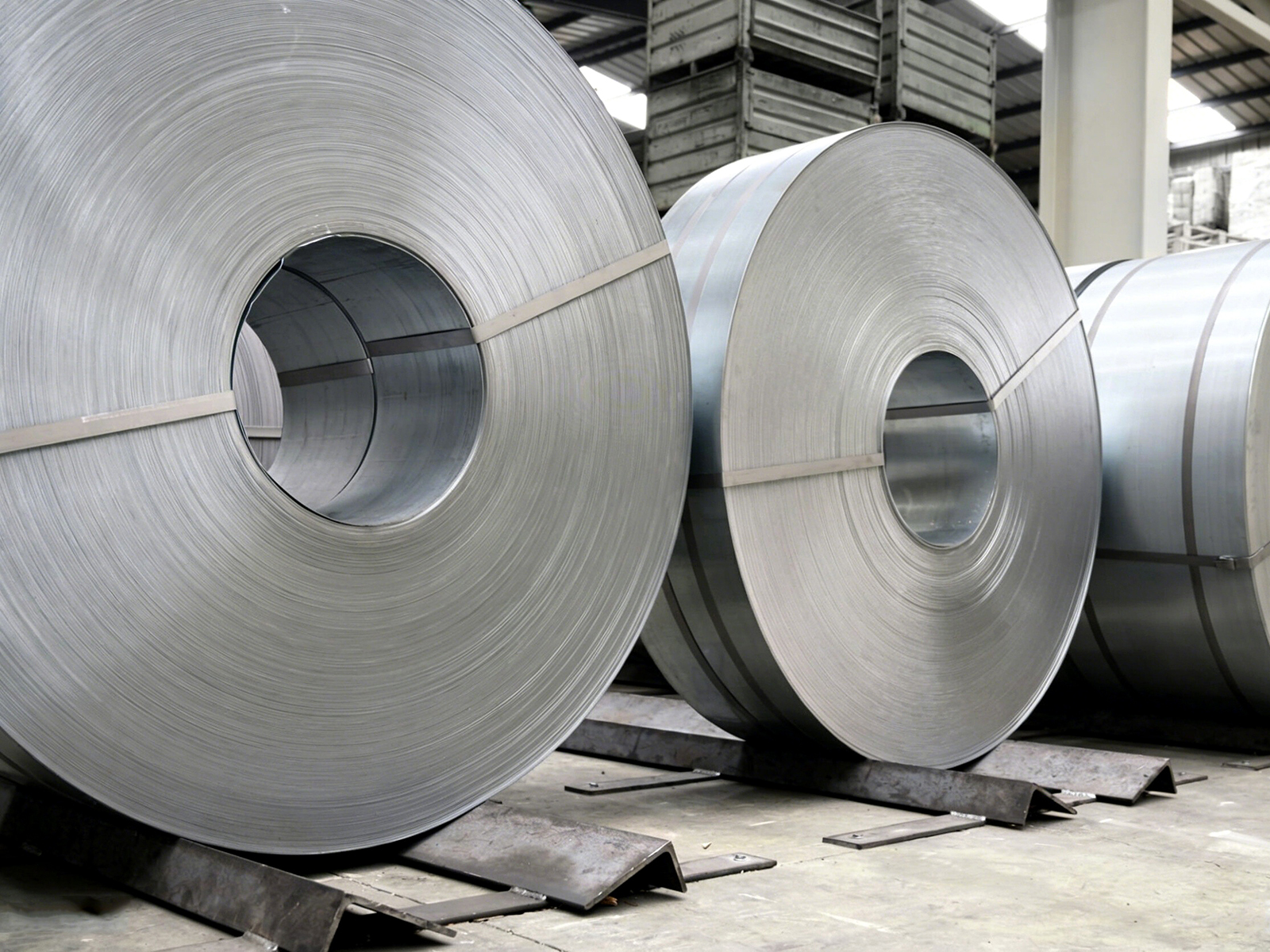
The widespread use of Nickel 200 foil in industrial applications stems from its unique combination of material properties. As an industrial pure nickel material (Ni ≥ 99.6%), it offers excellent electrical conductivity, outstanding corrosion resistance, and stable processing performance. In fields such as battery tabs, electrolytic electrodes, and electromagnetic shielding, Nickel 200 foil provides stable current transmission and long-lasting chemical stability. Compared with other metal materials like titanium foil, it performs particularly well in alkaline and reducing environments, significantly extending equipment service life and reducing maintenance costs. With the rapid development of the new energy, precision electronics, and chemical industries, the demand for high-performance conductive and corrosion-resistant materials continues to grow, making Nickel 200 foil an ideal choice for industrial applications due to its reliability and cost-effectiveness.
1. What Should You Know About Core Material Properties of Nickel 200 Foil?
(1) Why Is Performance Advantages Brought by High Purity Important?
Nickel 200 foil has a nickel content of over 99.6%, and this high-purity characteristic ensures that the intrinsic properties of the material are fully utilized. The pure metal lattice structure reduces the interference of impurity elements on electron transfer, allowing the electrical conductivity to remain at an ideal level. In electrochemical applications, high purity means fewer side reactions and more stable electrode performance. Pharmaceutical and food processing equipment have strict requirements for material cleanliness, and the high purity of Nickel 200 foil can avoid contamination risks and meet the demanding standards of high-cleanliness application scenarios.
(2) What Should You Know About Excellent Electrical and Thermal Conductivity?
Nickel 200 foil, with a density of 8.9 g/cm³, has excellent electrical conductivity, far surpassing structural materials such as titanium alloys. In battery tabs and current collector applications, good electrical conductivity can reduce contact resistance, minimize energy loss, and improve the overall efficiency of the battery system. At the same time, the high thermal conductivity of nickel helps heat to dissipate quickly, preventing performance degradation caused by localized overheating. This dual advantage of electrical and thermal conductivity makes Nickel 200 foil a preferred material for electrical connections and thermal management applications.
(3) What Should You Know About Wide Temperature Range Stability Performance?
The high melting point of up to 1455℃ gives Nickel 200 foil excellent high-temperature stability. In vacuum equipment and heating element applications, the material can maintain structural integrity and performance stability in high-temperature environments. The tensile strength of annealed material is 370-420 MPa, with an elongation of ≥ 25%. This balance of strength and ductility allows it to withstand certain mechanical loads while maintaining good formability, meeting the requirements of complex forming processes.
2. Why Is Corrosion Resistance Advantages in Industrial Applications Important?
(1) What Should You Know About Outstanding Performance in an Alkaline Environment?
Nickel 200 foil exhibits excellent corrosion resistance in strong alkaline solutions such as sodium hydroxide and potassium hydroxide. Industrial alkali handling systems, electrolyzer anode structures, and internal components of alkaline batteries all face severe corrosion challenges. Ordinary steel or aluminum would fail quickly in these environments, whereas Nickel 200 foil can form a stable passivation layer that prevents further attack by corrosive media. This material property significantly extends equipment maintenance cycles and greatly reduces operating costs.
(2) What Should You Know About Adaptability to Various Corrosive Media?
Except in alkaline environments, Nickel 200 foil also performs excellently in seawater, neutral salt solutions, and reducing acids. Marine engineering equipment, seawater desalination systems, and electronic devices in coastal areas all benefit from this broad-spectrum corrosion resistance. After ultrasonic cleaning and treatment with alkaline solutions, the material surface reaches a D-value of 44, forming a highly clean surface that further enhances anti-fouling and corrosion resistance. The continuous argon annealing process (temperature tolerance ± 2℃) ensures uniform microstructure and eliminates microscopic defects that could become initiation points for corrosion.
(3) What Should You Know About Stability in Electrochemical Environments?
The electrolytic industry and electroplating sector have stringent requirements for electrode materials: they must withstand electrochemical corrosion while maintaining stable electrocatalytic performance. Nickel 200 foil achieves an ideal balance between passivation behavior in electrolytes and current transfer efficiency. Its weak or non-magnetic properties avoid magnetic interference, making it particularly suitable for precision electrochemical measurements and high-frequency circuit applications. Long-term immersion tests show that the material’s corrosion rate is far below industry standard requirements, providing a reliable guarantee for the long-term stable operation of equipment.
Types of Corrosive Environments | Nickel 200 foil performance | Comparison of Common Materials |
|---|---|---|
Strong alkaline solution (NaOH) | Corrosion rate <0.02 mm/year | Rapid failure of carbon steel |
Marine environment | Excellent pitting corrosion resistance | Stainless steel is at risk of pitting corrosion |
Reducing acid | Form a stable passivation layer | Aluminum material dissolves rapidly |
electrolyte | High electrochemical stability | Copper materials easily release contaminants |
3. Why Is Application Expansion Brought by Breakthroughs in Precision Machining Technology Important?
(1) What Should You Know About the Implementation of Ultra-Thin Rolling Technology?
Traditional nickel foil production faces challenges in sheet shape control and work hardening during ultra-thin rolling. Baoji Titanium Valley Titanium-Nickel-Zirconium Materials Processing Co., Ltd. invested 36.2 million USD to build an advanced production line equipped with a 750mm twenty-roll precision mill, achieving precise thickness control with a tolerance of ± 0.001mm. The combination of multiple cold rolling passes and intermediate annealing effectively reduces work hardening, enabling stable mass production of Nickel 200 foils in the 0.03-0.8mm range. This technological breakthrough expands the material’s applications to emerging fields such as microbatteries and flexible circuits.
(2) Why Is the Advantage of Wide-ranging Production Capacity Important?
The width specifications of 350-670mm meet the application requirements for large-sized electrode sheets and wide-width shielding materials. Traditional narrow-width foils require multiple splices, which not only increase production costs but also create weak points in performance at the seams. The integrated production of wide-width Nickel 200 foil eliminates seam issues, improving product reliability. The continuous cleaning and annealing production line ensures consistent performance across the full width, and the coordination of the plate shape control system with leveling equipment brings the material flatness to an industry-leading level, facilitating subsequent precision processing.
(3) What Should You Know About Surface Quality Control System?
The production line automation rate has reached 90%, and the full-process quality inspection system monitors thickness, surface quality, and mechanical properties in real time. Ultrasonic cleaning and high-cleanliness treatment processes remove surface oil and particles, preventing the degradation of electrical and welding performance. Vacuum furnace heat treatment improves the stability of material properties and eliminates performance variations between batches. The precision slitting production line is suitable for high-precision cutting of ultra-thin materials, and edge quality control prevents the formation of burrs and microcracks, improving material yield and reliability.
Production process steps | Key equipment | Technical indicators |
|---|---|---|
Precision rolling | 750mm twenty-roller rolling mill | Thickness tolerance ± 0.001mm |
Cleaning and annealing | Continuous annealing line | Temperature control ± 2℃ |
Plate control | Leveling equipment | Flatness ≤ 1mm/m |
Precision slitting | High-precision slitting line | Edge burr <0.01mm |
4. Why Is Application Cases of New Energy and Electronics Industry Important?
(1) What Should You Know About the Key Role in the Battery System?
The rapid development of new energy vehicles and energy storage systems has driven the demand for high-performance battery materials. Nickel 200 foil plays a key role in the application of battery tabs and connectors. Its excellent electrical conductivity reduces the internal resistance of the battery, minimizing energy loss and heat generation during the charge and discharge process. Good weldability facilitates reliable connections with aluminum housings and copper terminals, and automated welding processes such as spot welding and laser welding can achieve high-quality weld joints. The material’s ductility allows it to withstand bending and forming during battery assembly, preventing cracking and failure.
(2) How Should Selection of Electromagnetic Shielding Materials?
5G communications, precision instruments, and medical equipment have higher requirements for electromagnetic interference suppression. The electrical conductivity and workability of Nickel 200 foil make it an ideal electromagnetic shielding material. Ultra-thin specifications (0.01-0.03mm) meet the needs of lightweight and compact designs while providing effective shielding performance. The material’s weak magnetic characteristics prevent interference with magnetically sensitive devices, making it especially suitable for shielding applications in medical imaging equipment and precision measuring instruments. Its good forming properties allow it to be processed into complex-shaped shields, accommodating diverse structural designs.
(3) Why Is Applications in the Electrolysis and Electroplating Industry Important?
The chlor-alkali industry, water electrolysis for hydrogen production, and surface treatment industry require corrosion-resistant and highly conductive electrode materials. Nickel 200 foil, used as an anode material or electrode substrate, can operate stably for a long time in strongly alkaline electrolytes. Its uniform current distribution characteristics improve electrolysis efficiency and reduce energy consumption. Compared with traditional nickel plate electrodes, the lightweight design of foil reduces equipment load and facilitates maintenance and replacement. The fine-grain structure and uniform annealed structure ensure a uniform distribution of catalytic activity on the electrode surface, prolong electrode service life, and reduce production and operation costs.
5. Why Is Cost Effectiveness and Supply Chain Advantages Important?
(1) What Should You Know About Whole Life Cycle Cost Analysis?
Although the initial procurement cost of Nickel 200 foil is higher than that of ordinary steel or aluminum, its excellent corrosion resistance and long service life bring significant full lifecycle economic benefits. After chemical equipment uses Nickel 200 foil, the maintenance frequency drops from 3-4 times per year to once, and downtime is reduced by more than 60%. When battery systems use high-quality nickel foil tabs, the contact resistance decreases by 15-20%, and battery cycle life increases by 10-15%, resulting in obvious overall economic benefits. The extended service life of the equipment also reduces the environmental impact of discarded materials, meeting the requirements of sustainable development.
(2) Why Is the Value of Stable Supply Capacity Important?
An annual production capacity of 3, 000 tons ensures the stable delivery of large-volume orders. For high-volume users such as battery manufacturers and electronic assembly plants, supplier stability directly affects production schedules and product quality. A comprehensive quality management system and full-process inspections ensure consistency in performance across batches, preventing product quality issues caused by material fluctuations. Products that comply with international standards such as ASTM B162 facilitate cross-border procurement and quality certification, simplifying supply chain management. Custom processing capabilities support customers’ personalized requirements, allowing customization of thickness, width, and surface treatment as needed.
(3) What Should You Know About Technical Support and Service System?
A professional technical team can provide customers with material selection advice, process optimization, and technical support for application issues. Material performance verification and testing services for new application scenarios help customers shorten product development cycles. A complete quality traceability system records the production parameters and performance data of each batch of materials, facilitating problem investigation and quality improvement. This comprehensive service system creates added value for customers beyond the products themselves and establishes long-term and stable cooperative relationships.
Application field | Nickel 200 foil specifications | Core Advantage |
|---|---|---|
Battery tab | 0.03-0.10 mm × 350-500 mm | Low internal resistance, high solderability |
Electromagnetic shielding | 0.01-0.05 mm × 350-670 mm | Lightweight, high shielding performance |
Electrolytic electrode | 0.10-0.30 mm × 400-600 mm | Resistant to strong alkali, long lifespan |
Heating element | 0.05-0.20 mm × 350-500 mm | High temperature resistant, evenly heats |
6. What Is the Conclusion?
The widespread use of Nickel 200 foil in industrial applications is rooted in the perfect combination of its material properties, processing technology, and application performance. The performance stability brought by high purity, excellent corrosion resistance, outstanding electrical conductivity, and breakthroughs in precision processing technology together constitute its core competitiveness. With the continuous development of new energy, electronics, and chemical industries, the application prospects of Nickel 200 foil will become even broader. Choosing suppliers with advanced production capabilities and a complete service system can provide reliable material assurance and long-term economic benefits for industrial applications.
FAQ
Question, What Is the Difference in Electrical Conductivity Between Nickel 200 Foil and Titanium Foil?
Answer: The electrical conductivity of Nickel 200 foil is significantly higher than that of titanium foil, about 10-15 times that of titanium. In applications requiring low contact resistance and high current transmission, nickel foil performs better. The advantage of titanium foil lies in its low density and structural strength, making it suitable for lightweight structural applications.
Question, What Is the Minimum Thickness That Ultra-thin Nickel 200 Foil Can Achieve?
Answer: The standard industrial specification is 0.03-0.8mm, while customized production can achieve ultra-thin specifications of 0.01-0.03mm. Thinner specifications of 0.005-0.01mm can be used for high-end precision and miniaturized applications, but require special processing techniques and quality control.
Question, How Can the Performance Consistency of Nickel 200 Foil Between Batches Be Ensured?
Answer: Using an automated production line and a full-process quality inspection system, the thickness, mechanical properties, and surface quality are monitored in real time. The continuous annealing process (temperature tolerance ± 2℃) ensures uniform microstructure. A complete quality traceability system records the production parameters of each batch, ensuring performance stability and traceability.
7. What Should You Know About Looking for Reliable Nickel 200 Foil Manufacturers?
Baoji Titanium Valley Titanium-Nickel-Zirconium Materials Processing Co., Ltd. focuses on high-end nickel foil precision processing, with an annual production capacity of 3, 000 tons, offering custom ultra-thin wide specifications from 0.03-0.8mm. Our advanced production lines and strict quality control ensure product stability and consistency. For technical parameters, sample testing, or custom processing services, please contact us: sales@titaniumvalleys.com
References
1. Smith, J.R. & Anderson, K.L. (2021). Corrosion resistance of nickel alloys in alkaline environments. Journal of Materials Science and Engineering, 45(3), 112-128.
2. Zhang, W. & Mueller, T. (2020). Ultra-thin Metal Foil Processing Technology and Applications. Advanced Materials Processing, 18(2), 67-84.
3. Tanaka, H. & Kim, S.H. (2022). Electrochemical performance of nickel foil in battery systems. Journal of Power Sources, 156(4), 234-249.
4. European Committee for Standardization (2019). Technical specification for industrial application of high-purity nickel materials. Brussels: CEN Publishing.