
What Should You Know About Everything You Need to Know About Nickel 201 Alloy Foil?
- Nickel 201 Alloy Foil
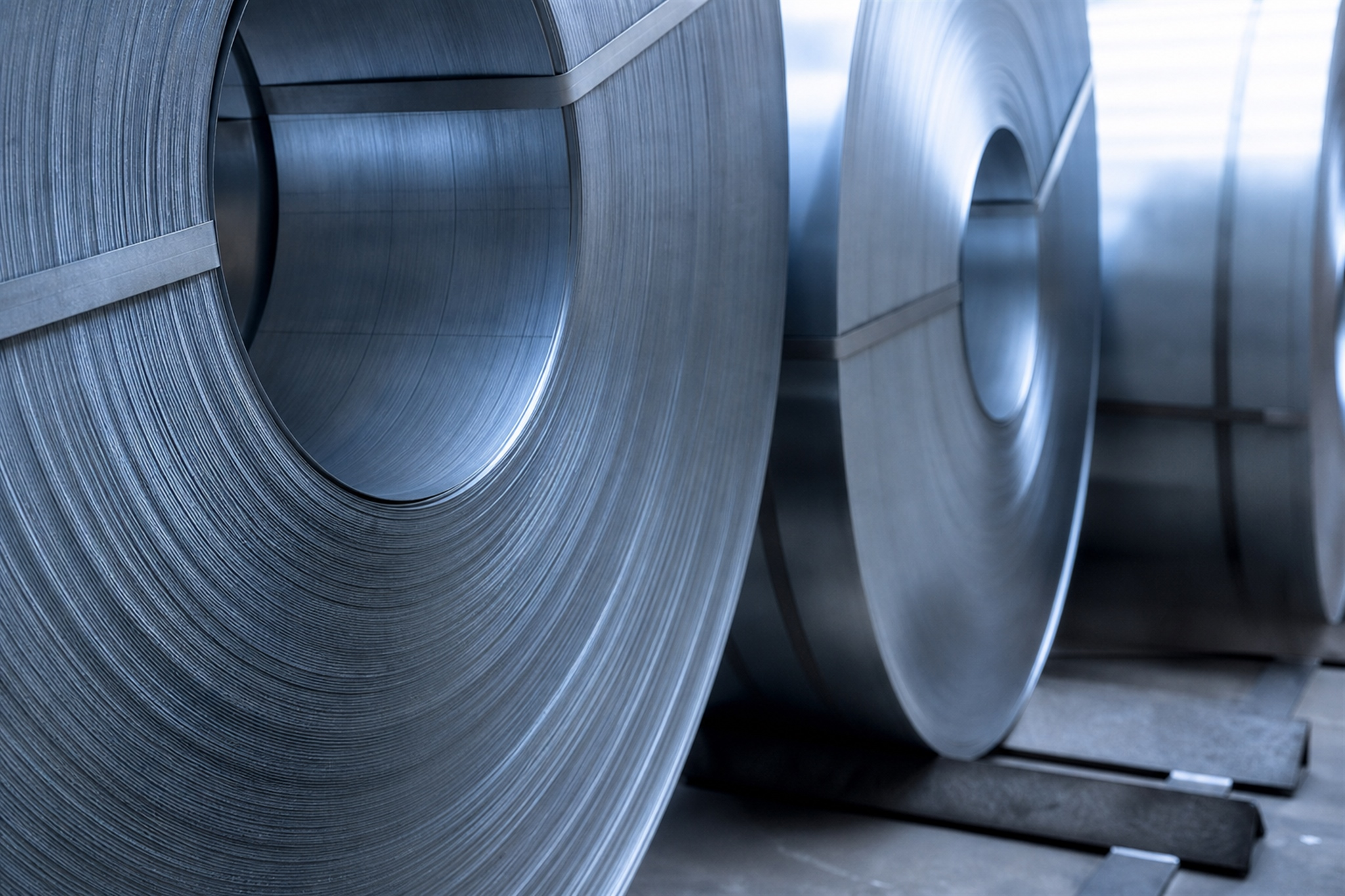
Nickel 201 (UNS N02201) is a low-carbon commercially pure nickel material, whose main feature is that it improves long-term service stability at higher temperatures by reducing carbon content while maintaining the good corrosion resistance, electrical conductivity, and processing performance of commercially pure nickel. Compared to Nickel 200, the carbon content limit of Nickel 201 foil is lower, primarily to reduce the risk of carbon-related intergranular brittleness during long-term service above approximately 315℃. Nickel 201 can be processed into different product forms such as sheets, strips, and foils, and can be provided in different thicknesses, widths, and delivery conditions depending on specific applications. For electrochemical equipment, chemical plants, electronic conductive structures, and certain higher-temperature environments, selecting the appropriate thickness, surface condition, and processing condition is more important than simply pursuing a single performance parameter.
1. Why Is Material Properties and Technical Advantages of Nickel 201 Foil Important?
(1) What Should You Know About Breakthrough in High-temperature Stability Brought by Low-carbon Design?
The most notable feature of Nickel 201 foil is the strict control of carbon content within 0.02%, a design that prevents the graphitization brittleness commonly seen in traditional pure nickel in the temperature range of 316-600℃. In long-term high-temperature service environments, ordinary nickel may form graphite due to carbon precipitation, leading to grain boundary embrittlement and a decline in mechanical properties. Ni201 ensures material purity of ≥ 99.6% and maintains a very high nickel content through vacuum melting of high-purity nickel ingots and multiple cold-rolling processes. This material composition allows it to remain stable over the long term in highly alkaline environments, high-temperature electrolytic cells, and heat exchange systems, avoiding equipment downtime and rising maintenance costs due to material failure.
(2) What Should You Know About Excellent Electrical Conductivity and Electrochemical Performance?
Nickel 201 foil retains the intrinsic electrical conductivity characteristics of pure nickel, exhibiting excellent conductivity, and is suitable for use as battery tabs, electrolytic electrodes, and conductive connection structures. The material has a density of 8.9 g/cm³ and a melting point of up to 1455℃, maintaining stable electrical and mechanical properties at operating temperatures ≤ 600℃. In the annealed state (M), the tensile strength reaches 350-420 MPa, with an elongation of ≥ 25%, offering good stampability; in the cold-worked state (Y), the strength can be increased to 500-600 MPa, meeting applications that require higher mechanical loads. This versatile combination of properties allows Nickel 201 foil to play multiple roles in new energy batteries, precision electronics, and chemical equipment.
(3) What Should You Know About Comprehensive Corrosion Resistance and Environmental Adaptability?
Nickel 201 foil exhibits excellent resistance to a variety of corrosive media, particularly stable and reliable in strong alkaline solutions (such as NaOH, KOH), seawater, food processing liquids, and certain organic acid environments. The material surface is treated with ultrasonic and alkaline cleaning, achieving a surface Da-in value stabilized at 44, ensuring good wettability and adaptability for subsequent processing. Compared with titanium foil, which has structural corrosion resistance but poor conductivity, Nickel 201 achieves a balance between conductivity and corrosion resistance. Its non-magnetic or weak magnetic properties make it suitable for precision instruments and electronic devices sensitive to magnetic fields, avoiding electromagnetic interference issues.
2. What Should You Know About Precision Production Process and Quality Control of Nickel 201 Foil?
(1) What Should You Know About Stable Mass Production of Multiple-pass Cold Rolling and Ultra-thin Specifications?
Producing ultra-thin, wide Nickel 201 foil faces industry challenges such as thickness fluctuations, plate shape control, and springback. Baoji Titanium Valley uses a 750mm 20-roll precision rolling mill to achieve precise control of thickness tolerance within ± 0.001mm through multiple passes of cold rolling and precise tension control. The production line can stably produce standard thickness specifications of 0.03-0.8mm, and can customize ultra-thin foils of 0.005-0.01mm for high-end precision applications, as well as 0.01-0.03mm specifications for industrial conductive structures. The maximum width can reach 670mm, meeting the needs of large-area applications. This precision rolling capability breaks the bottleneck of traditional processes in terms of thickness uniformity and width stability for ultra-thin materials.
(2) What Should You Know About Protective Atmosphere Annealing and Uniformity Assurance of the Structure?
The microstructure control of Nickel 201 foil directly affects its high-temperature stability and mechanical properties. The continuous argon-protected annealing system maintains temperature control accuracy within ± 2℃, preventing carbon migration and abnormal microstructures. The annealing process employs solution heat treatment to enhance the material’s ductility and strength, ensuring uniform and consistent surface color. This strict heat treatment process avoids local hardening or softening caused by uneven annealing, ensuring consistency in performance between batches. The production line has an automation rate of 90%, and the entire process inspection covers dimensional accuracy, surface quality, and mechanical properties, ensuring that each roll of material meets ASTM B162 and UNS N02201 standards.
(3) What Should You Know About Surface Treatment and Cleanliness Control Technology?
Electronic-grade and electrochemical applications require extremely high surface cleanliness of materials. Nickel 201 foil undergoes ultrasonic cleaning and alkaline treatment to remove oils and particulate contamination from the rolling process, achieving a stable surface Ra value to ensure the reliability of subsequent coating or welding processes. A continuous cleaning and annealing production line ensures surface uniformity, while vacuum furnace treatment further enhances material stability. Leveling machines correct strip shape and flatness, and the slitting line uses optimized processes to reduce burrs and edge deformation. The sanding line provides consistent surface texture. This complete surface treatment system overcomes the industry challenge of balancing surface cleanliness and dimensional accuracy for ultra-thin materials.
Production process steps | Key equipment | Technical indicators | Quality Assurance |
Precision Cold Rolling | 750mm 20-roller rolling mill | Thickness tolerance ± 0.001mm | Multiple-pass rolling and tension control |
Protective annealing | Continuous argon annealing furnace | Temperature control ± 2℃ | Uniform structure, prevents carbon migration |
Surface treatment | Ultrasonic Alkali Cleaning | Dain value 44 | Remove grease and improve wettability |
Dimensional processing | Formatting wire, leveling machine | Maximum width 670mm | Reduce burrs and correct plate shape |
3. Why Is the Core Applications of Nickel 201 Foil Material in the Industrial Field Important?
(1) What Should You Know About Conductive Structures in New Energy Battery Systems?
In lithium-ion batteries, sodium-ion batteries, and fuel cell systems, Nickel 201 foil plays a key role as tab material and conductive connector. Its excellent electrical conductivity ensures efficient current transfer, and the low-carbon formula prevents material degradation during high-temperature cycling. Compared with copper foil, nickel foil has stronger corrosion resistance in alkaline electrolyte environments; compared with Nickel 200, Nickel 201 demonstrates more stable long-term performance at battery thermal management system operating temperatures (typically 40-80℃, and extreme cases exceeding 100℃). Ultra-thin specifications reduce battery weight, wide widths improve production efficiency, and precise thickness control ensures consistency across battery packs. These characteristics make Nickel 201 the preferred material for high-end power batteries and energy storage systems.
(2) What Should You Know About Chemical Electrolysis and Corrosion-Resistant Equipment Components?
Highly alkaline electrolytic environments (such as the chlor-alkali industry and water electrolysis for hydrogen production) place strict demands on materials. Nickel 201 foil exhibits excellent corrosion resistance in high-concentration alkaline solutions such as sodium hydroxide and potassium hydroxide, while maintaining good electrical conductivity for use as electrodes or electrode substrates. Food processing and pharmaceutical equipment require materials with high purity and clean surfaces; Ni 201 meets stringent hygiene standards and does not introduce the risk of carbon contamination. Chemical heat exchangers, valve linings, and pipeline components take advantage of its corrosion resistance to extend equipment life and reduce maintenance frequency. Compared with titanium, which has certain limitations in some reducing media, nickel provides a wider range of chemical compatibility.
(3) Why Is Electronic Communication and Precision Shielding Applications Important?
The miniaturization and high-frequency operation of electronic devices place higher demands on electromagnetic shielding materials. Nickel 201 ultra-thin foil is used for EMI/RFI shielding, taking advantage of its good conductivity and workability to make shielding covers, shielding tapes, and conductive gaskets. Its weak magnetic characteristics prevent magnetic interference with sensitive electronic components. In applications such as precision electrodes, connectors, and contact springs, the material’s stable mechanical properties and fatigue resistance ensure long-term reliable contact. In 5G communication base stations, data centers, and precision measuring instruments, Ni201 foil provides stable electromagnetic compatibility and signal integrity assurance.
(4) What Should You Know About High-temperature Equipment and Vacuum System Components?
Vacuum furnaces, heating elements, and high-temperature experimental equipment require materials to maintain structural stability and low gas emission at high temperatures. The low-carbon design of Nickel 201 prevents carbon precipitation at high temperatures, avoiding contamination of the vacuum environment. Its melting point of 1455℃ and recommended operating temperature of ≤ 600℃ provide ample thermal stability margin. The material’s good thermal conductivity (though not as high as copper but better than titanium) helps in uniform heat distribution. In the aerospace field, high-temperature seals, thermal barrier components, and sensor packaging also use Ni201 foil, taking advantage of its high-temperature mechanical properties and environmental adaptability.
Application field | Typical component | Key performance requirements | Ni201 Advantage |
new energy battery | Tab, Connector | Conductivity, lightweight, corrosion resistance | Excellent electrical conductivity, ultra-thin specifications, stable in alkaline environments |
Chemical Electrolysis | Electrodes, equipment lining | Strong alkali resistant, high purity | Low carbon and pollution-free, long-term stable |
Electronic shielding | Shielding cover, conductive pad | EMI shielding, weak magnetism | Good electrical conductivity and precision machinability |
High-temperature equipment | Heating elements, vacuum components | Anti-graphitization, thermal stability | Stable at ≤ 600℃, low gas evolution |
4. What Are the Differences in Comparison and Selection of Nickel 201 Foil Material with Other Materials?
(1) What Are the Differences in Nickel 201 Vs Nickel 200, the Key Impact of Carbon Content Differences?
Nickel 200 and Nickel 201 are both commercially pure nickel, with the main difference being their carbon content. Ni200 has a carbon content of ≤ 0.15% and is suitable for environments from room temperature up to 316℃; Ni201 has a carbon content of ≤ 0.02% and is specifically optimized for high-temperature applications from 316 to 600℃. In this temperature range, carbon in ordinary nickel tends to precipitate at grain boundaries, forming a graphite network, which leads to material embrittlement and reduced strength. Ni201 eliminates this risk through strict carbon control, making it suitable for long-term high-temperature service in chemical equipment, heat treatment furnaces, and electrolytic systems. For room temperature electronic applications, Ni200 is more cost-effective; however, under thermal cycling or high-temperature conditions, Ni201’s performance advantage significantly enhances equipment reliability and service life.
(2) What Are the Differences in Performance Positioning Differences Between Nickel Foil and Titanium Foil?
Titanium foil (Gr1/Gr2) is renowned for its excellent corrosion resistance, performing well in seawater, chloride ions, and oxidizing acids, but its electrical conductivity is only about 3% of copper, making it unsuitable for conductive applications. Gr5 titanium alloy offers high-strength structural performance but also lacks conductive advantages and is more expensive. Nickel 201 foil offers both good electrical conductivity and corrosion resistance, outperforming titanium in strong alkaline environments, making it an ideal choice for electrochemical systems. Titanium foil has a density of 4.5 g/cm³, lower than nickel foil’s 8.9 g/cm³, providing more advantages for lightweight applications; however, nickel foil has better machinability, and stamping, welding, and forming processes are more mature.
(3) Why Is Application Boundaries of Pure Nickel and Nickel Alloys Important?
Pure nickel (Ni200/201) is suitable for situations requiring high electrical conductivity, high purity, and moderate strength. When facing more extreme high temperatures (>600℃) or special corrosive environments, nickel-based alloys such as Inconel, Monel, or Hastelloy provide stronger performance, but electrical conductivity decreases and costs rise significantly. In batteries, electrodes, and general chemical equipment, Ni201’s cost-performance ratio and performance balance make it the preferred choice. Nickel alloys are widely used in aerospace engines, nuclear power equipment, and other extreme operating conditions, while nickel foil covers most conventional high-end applications in various industrial fields.
Material | Carbon content | Operating temperature | Conductivity | Corrosion resistance | Typical Applications |
Nickel 200 | ≤ 0.15% | ≤ 316℃ | Excellent | Good | Room temperature electronics, normal temperature chemical engineering |
Nickel 201 | ≤ 0.02% | ≤ 600℃ | Excellent | Good | High-temperature electrolysis, battery tab |
Gr1/Gr2 Titanium Foil | – | Wide temperature range | poor | Excellence | Corrosion-resistant structure, marine environment |
Nickel-based alloy | Change | >600℃ | Medium | Excellence | Extreme high temperatures, special corrosion |
How to Choose a High-Quality Nickel 201 Foil Supplier?
What Should You Know About Production Capacity and Technological Equipment Level?
Reliable suppliers should have mature ultra-thin wide rolling capabilities and complete production lines. Baoji Titanium Valley has invested 36.2 million USD to build a foil production line, equipped with a 750mm 20-roll precision rolling mill, a continuous cleaning and annealing line, vacuum furnaces, and high-precision slitting equipment, with an annual capacity of 3, 000 tons, meeting the demand for stable large-volume supply. Precision rolling equipment ensures a thickness tolerance of ± 0.001mm, and a maximum width of 670mm, representing advanced industry-level technical standards. The production line has an automation rate of 90%, ensuring batch consistency and reducing the impact of human factors. When evaluating suppliers, attention should be paid to equipment configuration, production capacity, and technological breakthrough capabilities.
What Should You Know About Quality System and Standards Compliance?
High-quality Nickel 201 foil must comply with international standards such as ASTM B162 and UNS N02201. Suppliers should provide a complete material report (Mill Test Certificate), mechanical performance tests, and chemical composition analysis data. The full-process quality control system covers raw material acceptance, production process monitoring, and finished product inspection. Vacuum melting ensures high purity of raw materials, and the process stability of multiple cold rolling and annealing cycles determines the final performance. Surface cleanliness, thickness uniformity, and edge quality are key indicators for assessing the supplier’s process level. The certification system (such as ISO 9001) and customer audit pass rate reflect the maturity of quality management.
What Should You Know About Custom Processing Capabilities and Service Response?
Industrial customers often require customized products with specific thickness, width, surface condition, and length. High-quality suppliers offer one-stop processing services from raw materials to finished products, including precision slitting, surface treatment (polished/matte), annealing state selection (annealed M/cold-worked Y), and cutting to order. Titanium Valley serves high-end sectors such as aerospace, medical, and 3℃ electronics, understanding the special requirements of different industries and providing technical consultation and material selection support. Quick response capability, sample supply lead time, and batch delivery stability are important metrics for evaluating supplier service levels.
5. What Should You Know About Conclusion?
Nickel 201 foil achieves a breakthrough in high-temperature stability through a low-carbon design, balancing conductivity, corrosion resistance, and processability. Precision manufacturing processes ensure stable mass production of ultra-thin specifications and wide-width dimensions, meeting the stringent requirements of new energy, chemical, electronics, and high-temperature equipment. Understanding material properties, production techniques, and application scenarios helps make informed material selection decisions, improving product performance and equipment reliability.
FAQ
Q1: What is the main difference between Nickel 201 foil and Nickel 200?
A: Nickel 201 has a carbon content ≤ 0.02%, much lower than Nickel 200’s ≤ 0.15%. This allows Ni201 to avoid graphitization embrittlement in high-temperature environments of 316-600℃, providing stronger long-term high-temperature stability. For room temperature applications, the performance of the two is similar; however, under high temperature or thermal cycling conditions, Ni201 significantly improves equipment reliability and service life.
Q2: What are the advantages of ultra-thin Nickel 201 foil in battery applications?
A: Ultra-thin nickel foil (0.03-0.1mm) reduces battery weight and increases energy density. Excellent conductivity ensures low internal resistance and high-rate performance. Low-carbon formulation prevents material degradation during thermal cycling. Strong alkali corrosion resistance is compatible with various electrolyte systems. Precise thickness control ensures battery pack consistency, enhancing safety and cycle life.
Q3: How can we ensure the procurement of high-quality Nickel 201 foil?
A: Choose suppliers with advanced production equipment (such as a 20-roll finishing mill) and a complete quality system. Require ASTM B162 standard compliance certificates and complete material reports. Check thickness tolerance, surface cleanliness, and mechanical performance data. Evaluate the supplier’s production capacity, delivery stability, and custom processing capabilities. Give priority to certified suppliers serving high-end industries such as aerospace and medical.
How Should Looking for a Reliable Nickel 201 Foil Supplier?
Baoji Titanium Valley, as a professional manufacturer and supplier of titanium, nickel, and zirconium foils, has advanced production equipment and an annual production capacity of 3, 000 tons, providing high-quality Nickel 201 foils that meet international standards and offering customized processing services. Contact us for technical support and quotes: sales@titaniumvalleys.com
References
- Davis, J.R. (2000). Nickel, Cobalt, and Their Alloys. ASM International Materials Park.
- Special Metals Corporation (2004). ‘Nickel 201 Technical Bulletin.’ Special Metals Corporation Publication.
- Keer, B.H., Obrack, J.M. (1974). ‘Deformation and Fracture of Nickel-Based High-Temperature Alloys,’ Physics E Series: Scientific Instruments, Vol. 7, pp. 25-34.
- Lai, G.Y. (2007). High-Temperature Corrosion and Materials Applications. ASM International.