
How to Select Grade 2 Titanium Foil Thickness
- Gr2 titanium foil
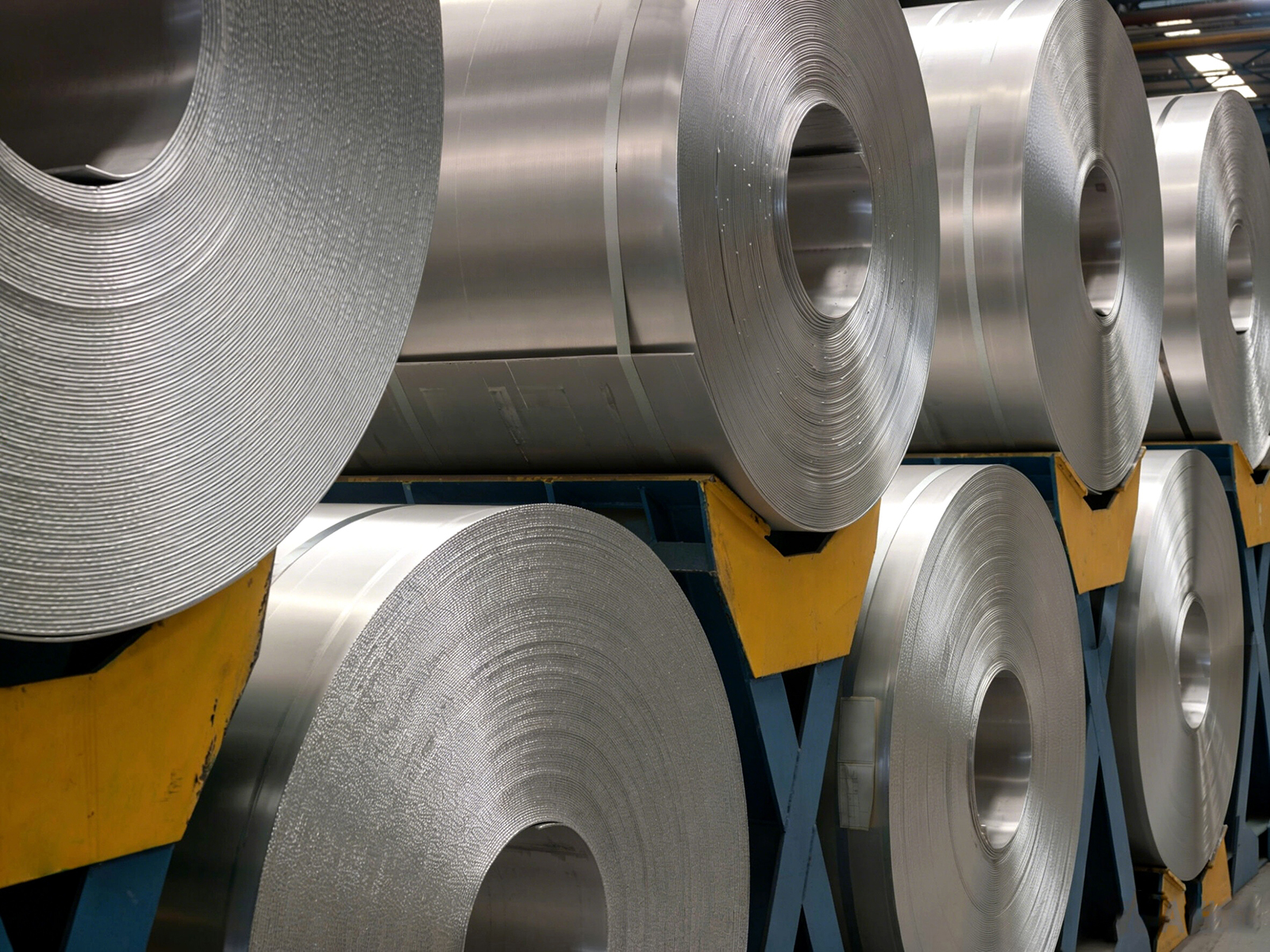
Select Grade 2 titanium foil thickness from the finished part’s load, geometry, forming process and environment. A thickness range associated with one application is not an automatic design recommendation for another; tolerance and surface requirements also need to be agreed.
Start with the material and drawing
Grade 2 is unalloyed titanium, UNS R50400. ASTM B265 covers annealed titanium strip, sheet and plate, including Grade 2, within its scope. Confirm that the ordered form, dimensions and condition are covered by the specified edition. State thickness, width, tolerance, flatness, surface and required material documentation.
Balance thickness with the application
| Design concern | What to evaluate |
|---|---|
| Weight and stiffness | Component geometry, loading, support and allowable deflection. |
| Forming | Bend radius, tooling, rolling direction, springback and cracking. |
| Joining | Fit-up, heat input, protection, distortion and qualified procedure. |
| Corrosion | Medium, concentration, temperature, exposure and any corrosion allowance. |
| Electrical or shielding use | Measured component performance, geometry and connection design. |
Thinner foil can reduce mass but may be less stiff and more sensitive to handling and joining. Evaluate the finished geometry and manufacturing process rather than choosing from a generic thickness table.
Agree tolerance and inspection
Clarify whether tolerance is expressed as an absolute value, a percentage or a standard-specific limit, and define measurement positions and sampling. For example, an absolute tolerance of ±0.001 mm represents 5% of 0.020 mm and 20% of 0.005 mm; this arithmetic is an illustration, not a claim that either tolerance is available for a particular order. Confirm achievable dimensions and inspection with the supplier.
Medical and critical applications
For medical devices, aerospace parts or pressure-related equipment, the responsible manufacturer or design authority must select the applicable material and finished-component requirements. A material certificate or nominal thickness alone does not establish biological safety, fatigue life or pressure capability.
Frequently asked questions
Is the thinnest foil always best for a lightweight part?
No. Stiffness, forming, joining and required safety margins must also be evaluated.
Can one thickness be recommended for all medical implants?
No. The device manufacturer must establish the dimensions and evidence for the specific design and intended use.
Explore the titanium foil category or request a quotation with your material, dimensions, application and required documentation.
Published by: Titanium Valleys
Technical review: General Manager of the Production Department
Quality review: Quality Inspection Department
Last reviewed: October 20, 2026 (before the latest content update; the updated content is pending review).