
Why Is Nickel 201 Foil Used in Industrial Applications?
- Nickel 201 Foil
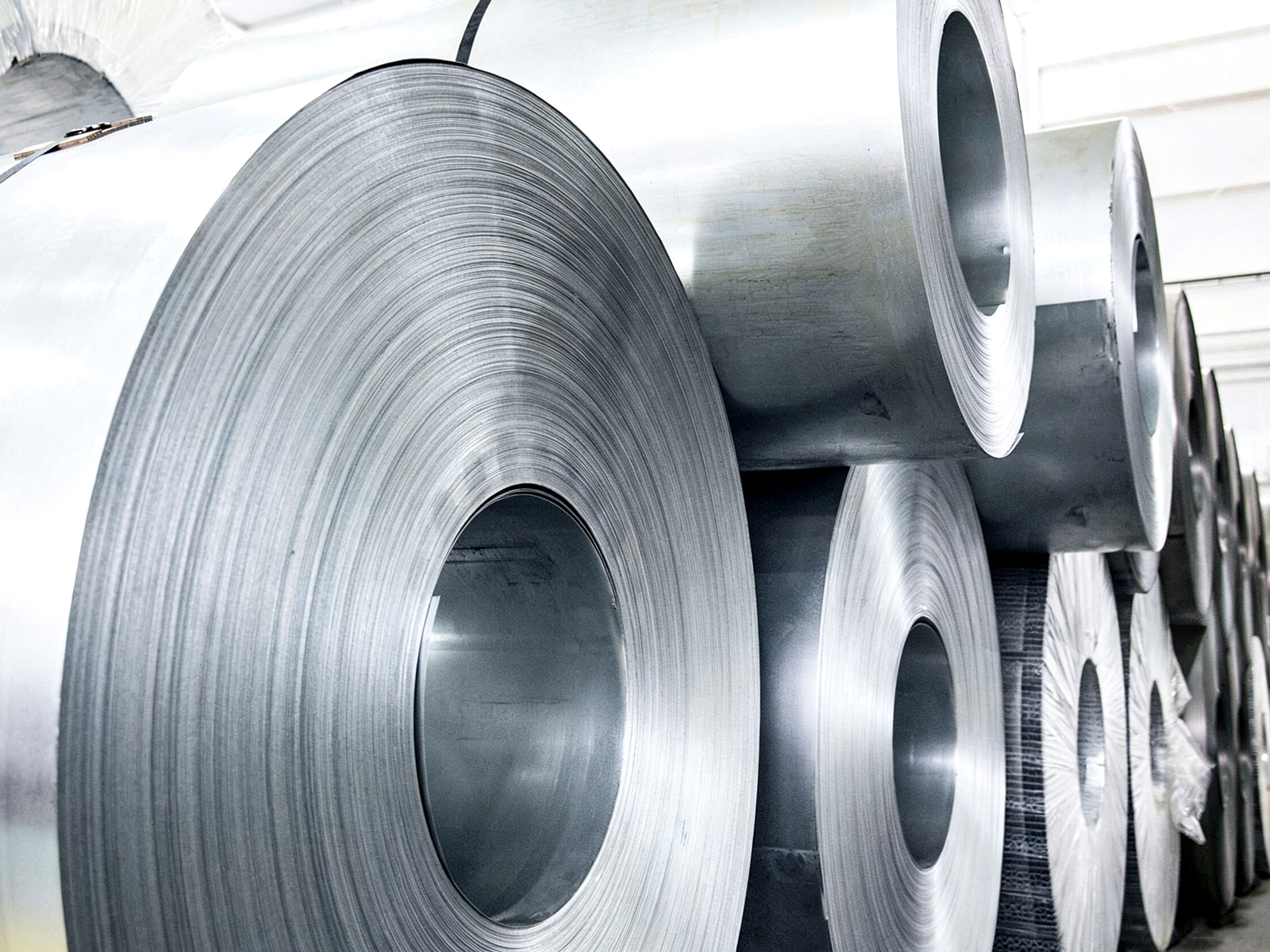
The industrial sector is demanding increasingly stringent material performance, and Nickel 201 foil, with its unique low-carbon design (C ≤ 0.02%) and purity advantage (Ni ≥ 99.0%), demonstrates excellent stability and resistance to graphitization in high-temperature environments. Unlike conventional pure nickel materials, this ultra-thin metal foil effectively maintains excellent conductivity and corrosion resistance while avoiding high-temperature embrittlement issues, making it particularly suitable for applications that require long-term reliability, such as electrochemistry, new energy batteries, and chemical equipment. Its precise thickness control (0.03-0.8mm) and wide width specifications (up to 670mm), combined with advanced annealing processes, enable this material to meet the diverse requirements from precision electronic components to large industrial devices, making it an indispensable key material for modern high-end manufacturing.
1. What Should You Know About Core Material Properties of Nickel 201 Foil?
(1) Why Is Structural Advantages Brought by Low-carbon Design Important?
Traditional pure nickel materials are prone to carbon migration during long-term high-temperature service, leading to carbide precipitation at grain boundaries, which causes material embrittlement and deterioration of mechanical properties. Nickel 201 fundamentally suppresses this metallurgical defect by strictly controlling the carbon content to below 0.02%. This low-carbon formulation is particularly outstanding in environments above 315℃, capable of maintaining long-term stability of the microstructure.
Vacuum melting technology ensures the effective removal of impurity elements, and combined with multiple-pass cold rolling processes, a uniform and fine-grained structure is formed inside the material. The annealed foil exhibits excellent recrystallized structure, eliminating processing stresses, making the material less prone to cracks or edge tearing during subsequent stamping, bending, and other forming processes.
(2) What Should You Know About Electrical Conductivity and Thermal Conductivity?
The pure nickel matrix gives Nickel 201 foil excellent electrical properties, with a conductivity of about 25% that of copper. Although it does not match copper-based materials, it has an irreplaceable advantage in situations that require both conductivity and corrosion resistance. The material’s low electrical resistance makes it an ideal choice for battery tabs and conductive connectors, effectively reducing contact resistance and Joule heat loss.
In terms of thermal conductivity, nickel has a thermal conduction coefficient of about 90 W/(m·K). Although it is inferior to aluminum or copper, this material can maintain structural integrity while ensuring heat exchange efficiency in high-temperature corrosive environments. This balanced performance makes it widely used in heat exchange systems that need to resist chemical medium corrosion.
(3) What Should You Know About Mechanical Properties and Machinability?
Table 1: Comparison of Mechanical Properties of Nickel 201 Foil in Different Conditions
Supply status | Tensile Strength (MPa) | Yield Strength (MPa) | Elongation (%) | Hardness (HV) |
Annealed state (M) | 350-420 | 140-200 | ≥ 25 | 85-120 |
Cold Rolled State (Y) | 500-600 | 380-480 | ≥ 8 | 180-220 |
semi-rigid | 420-500 | 280-350 | 15-20 | 140-170 |
Annealed materials have excellent ductility, making them suitable for high-deformation processes such as deep drawing and complex bending. Cold-rolled foil exhibits significantly increased strength, making it suitable for applications that need to bear structural stress. This adjustability of states allows the same material to meet different manufacturing process requirements, covering everything from precision electronic components to industrial structural parts.
The weak magnetic properties of the material (magnetic permeability close to 1) ensure that it does not cause magnetic interference in precision electronic devices, which is crucial for applications such as electromagnetic shielding and high-frequency circuits. After ultrasonic cleaning and alkali treatment of the surface, the surface tension can stabilize at 44 dynes, providing a good substrate for subsequent surface treatment processes such as coating and bonding.
2. What Should You Know About High-temperature Stability and Corrosion Resistance?
(1) What Should You Know About Anti-graphitization Mechanism?
When ordinary pure nickel materials operate in environments above 350℃ for a long time, carbon elements gradually accumulate at the grain boundaries and graphite phases precipitate, leading to grain boundary weakening and low-temperature brittleness. The ultra-low carbon design of Nickel 201 reduces the activity of carbon from a thermodynamic perspective, so even under continuous operation at 600℃ for several thousand hours, no significant microstructural deterioration occurs.
This stability originates from precise component control and protective atmosphere annealing processes. The continuous annealing furnace uses high-purity argon protection, with temperature fluctuations controlled within ± 2℃, ensuring uniformity of the foil’s cross-sectional structure. The solution treatment eliminates the tendency for carbon segregation, allowing the material to maintain stable mechanical response during thermal cycling.
(2) What Should You Know About Resistance to Strongly Alkaline Media?
Strong alkali solutions commonly used in the chemical industry, such as sodium hydroxide and potassium hydroxide, have a strong corrosive effect on most metal materials. Nickel 201 demonstrates excellent chemical inertness in these media, with a corrosion rate as low as below 0.005 mm/year. The dense oxide film formed on the material surface prevents further erosion by the alkaline solution, and long-term stable operation can be maintained even in high-temperature alkaline environments above 80℃.
Table 2: Corrosion Resistance of Nickel 201 Foil in Different Media
corrosive medium | Concentration | Temperature (C) | Corrosion rate (mm/year) | Applicability Rating |
NaOH solution | 50% | 80 | <0.005 | Grade A (Excellent) |
seawater | – | room temperature | 0.001-0.003 | Grade A (Excellent) |
Sulfuric acid | 10% | room temperature | 0.01-0.02 | Grade B (Good) |
Acetic acid | 99% | Boiling point | <0.001 | Grade A (Excellent) |
Applications such as electrolytic cell cathode plates and alkali storage tank linings have fully verified the long-term reliability of this material. Compared with stainless steel materials, Nickel 201 foil can extend the service life by 3-5 times in alkaline environments, significantly reducing equipment maintenance frequency and downtime losses.
(3) What Should You Know About Oxidative Environmental Stability?
Although nickel forms an oxide layer in high-temperature air, the oxide film of Nickel 201 is dense and has strong adhesion, effectively preventing oxygen from diffusing deep into the substrate. When exposed to air at 500℃ for a long time, the oxidation weight gain rate follows a parabolic law, indicating that the oxidation process is diffusion-controlled rather than reaction-controlled, and the material will not undergo catastrophic oxidation failure.
Vacuum systems, high-temperature furnace components, and other application scenarios have strict requirements for the outgassing characteristics of materials. After vacuum annealing, Nickel 201 has an extremely low content of residual gases on its surface, and it does not release hydrocarbons or other contaminants in a high vacuum environment, ensuring the cleanliness of the system and the stability of the process.
3. What Should You Know About Technological Breakthrough in Ultra-thin Wide-format Manufacturing?
(1) What Should You Know About Precision Rolling Process Control?
Producing ultra-thin wide foils with a thickness of 0.03-0.8mm faces numerous technical challenges: the material is prone to edge cracking, thickness fluctuations, and poor plate shape during the rolling process. Baoji Titanium Valley uses a 750mm 20-roll precision mill, which disperses the rolling force through a multi-roll engagement structure to achieve flexible control of the ultra-thin strip. The reduction per pass is precisely controlled at 0.005-0.01mm, and the cumulative number of rolling passes can exceed 30.
The tension control system monitors the front and rear strip stress in real time, working in conjunction with the hydraulic automatic gauge control (AGC) system to maintain thickness tolerance within ± 0.001mm. This level of precision allows the foil to demonstrate excellent consistency during subsequent slitting and stamping processes, reducing the defect rate to below 0.5%, reaching an internationally advanced level.
(2) What Should You Know About Organizational Uniformity Assurance?
The continuous annealing production line is equipped with a multi-zone independent temperature control system, allowing precise programming of the heating rate, holding time, and cooling rate. The protective atmosphere uses 99.999% high-purity argon, with the dew point controlled below -60℃, effectively preventing oxidation and carburization. The annealed foil exhibits a uniform bright silver surface, with no color difference or oxidation spots.
Metallographic examination shows that the grain size is uniformly distributed in the 10-30 um range, with straight grain boundaries and no second-phase precipitation. This ideal recrystallized structure endows the material with isotropic mechanical properties, eliminating the risk of forming cracks due to strength differences in different directions.
(3) What Should You Know About Surface Quality and Cleanliness Control?
Table 3: Nickel 201 Foil Surface Quality Control Standards
Quality indicators | Control Standard | Testing method | Usage Association |
Surface roughness Ra | ≤ 0.4 um | profilometer | Affect coating adhesion |
Surface tension | 44± 2 dyne | Dain Pen Test | Determining bonding performance |
Oil residue | <5 mg/m² | Gravimetric method | Electronic-grade cleanliness |
Particle density | <10 pieces/m² (>50um) | Microscope counting | Precision stamping yield |
The ultrasonic cleaning system, combined with an alkaline degreasing agent, can efficiently remove rolling oil and metal dust adhered during the rolling process. Multi-stage rinsing and pure water washing ensure that the surface is free of chemical residues, and the dried foil can be directly used for precision processing in a cleanroom without the need for additional cleaning at the client side.
The slitting process uses a high-speed circular shearing, with the blade edge radius <0.02mm, producing a cut surface that is smooth and burr-free. The amount of edge flanging is controlled within 0.05mm, avoiding edge hardening and microcracks caused by traditional shearing, thereby improving the subsequent processing performance and reliability of the material.
4. Why Is Key Industrial Application Scenarios Important?
(1) What Should You Know About New Energy Battery System?
The lithium-ion battery tab is responsible for the critical function of collecting and conducting current, requiring the material to have high conductivity, good weldability, and long-term electrochemical stability. Nickel 201 foil thickness can be precisely controlled between 0.05-0.1mm, and combined with laser welding or ultrasonic welding processes, it can form low-resistance, high-strength connection structures.
Power batteries can generate localized temperature rise during charge and discharge cycles, with tab temperatures reaching 60-80℃. Low-carbon design ensures that the materials do not degrade in performance within this temperature range. Long-term cycling tests show that battery packs using Nickel 201 tabs have a 15% lower internal resistance growth rate compared to copper foil solutions, effectively improving battery life and safety.
Fuel cell bipolar plate connectors also benefit from the corrosion resistance of this material. The water vapor and trace acidic substances present in hydrogen and oxygen environments impose stringent requirements on metal materials, and the chemical stability of Nickel 201 ensures long-term reliable operation of the system, meeting the lifetime requirement of over 8, 000 hours for automotive fuel cells.
(2) What Should You Know About Electrochemistry and Electrolytic Industry?
The cathode of the chlor-alkali industry electrolytic cell uses Nickel 201 foil as the conductive substrate, operating continuously in a 30% sodium hydroxide solution at 90℃. The oxide film formed on the material surface reaches chemical equilibrium with the electrolyte, stabilizing the corrosion rate at a very low level. Compared with carbon steel or stainless steel, the electrical conductivity advantage of nickel-based materials reduces cell voltage by 50-80 mV, saving hundreds of thousands of kilowatt-hours annually.
In the electroplating industry, components such as anode plates and conductive hangers are immersed in acidic or alkaline plating solutions for long periods. Ordinary materials can experience dimensional changes and contaminate the plating solution due to corrosion. The high-purity characteristics of Nickel 201 prevent the leaching of impurity elements, ensuring the stability of the plating quality. The material’s weldability makes it possible to manufacture complex-shaped hangers, meeting the needs of automated production lines.
(3) What Should You Know About Precision Electronics and Electromagnetic Shielding?
Consumer electronics such as smartphones and tablets have highly compact internal spaces, and electromagnetic interference (EMI) shielding materials need to provide adequate shielding performance at extremely thin thicknesses. Nickel 201 foil with a thickness of 0.03-0.05mm can be stamped into shielding covers that fit circuit boards, achieving shielding effectiveness of over 60dB, meeting international standards such as FCC and CE.
The weak magnetic properties of the material prevent interference with magnetically sensitive components (such as compass sensors and wireless charging coils). The surface can be further enhanced for wear resistance and contact resistance stability through chemical nickel plating or gold plating, meeting the demand for insertion and removal cycles of over one million times.
The spring material of high-frequency connectors requires excellent elastic modulus and fatigue resistance. Cold-rolled Nickel 201 foil is precisely punched and bent into shape, capable of withstanding more than 3, 000 insertion and removal cycles without plastic deformation, with contact resistance maintained below 5 milliohms, ensuring the stability of signal transmission.
(4) What Should You Know About High-temperature Equipment and Vacuum Systems?
Components such as heating element supports and thermocouple protection tubes in the vacuum furnace operate for long periods at temperatures of 500-600℃, requiring materials to have oxidation resistance and microstructural stability. Flexible components such as bellows and expansion joints made of Nickel 201 foil can accommodate thermal expansion displacement, avoiding stress concentration and fatigue cracking caused by rigid connections.
The liners of plasma chambers in semiconductor processing equipment have extremely high requirements for material purity, and any impurity release can lead to wafer contamination and yield loss. Nickel 201 foil that has undergone vacuum annealing, with an outgassing rate of <1×10⁻⁸ Pa·m³/s, combined with electropolishing surface treatment, can meet the cleanliness standards of ultra-high vacuum systems.
5. Why Is Supply Chain Advantages and Customization Capabilities Important?
(1) What Should You Know About Mass Production Capability?
Baoji Titanium Valley invested 36.2 million US dollars to build an automated foil production line with an annual capacity of 3, 000 tons, capable of meeting large-volume, high-frequency supply demands. The Manufacturing Execution System (MES) enables full-process digital traceability from raw material input to finished product delivery, with each roll of foil carrying a unique identification code that records key process data such as smelting batch, rolling parameters, and annealing curve.
The production line, with an automation rate of 90%, has greatly reduced human interference, significantly improving the consistency between product batches. The Statistical Process Control (SPC) system monitors key indicators such as thickness, width, and surface quality in real time, and automatically adjusts process parameters immediately once a deviation trend is detected, ensuring that every roll of product meets technical specification requirements.
(2) What Should You Know About Diverse Surface States?
Depending on different application scenarios, various surface finishes such as glossy, matte, or single-sided treatments can be provided. Glossy foil is precisely ground and rolled, with a surface reflectivity of over 80%, suitable for decorative or optical reflection applications. Matte foil is treated with sanded rollers, with surface roughness Ra adjustable within the 0.6-1.2 um range, enhancing the anchoring effect of coatings or adhesives.
The single-sided treatment process can achieve a differentiated surface with one side bright and the other side matte, meeting special functional requirements. Surface modification technologies such as electrochemical polishing, chemical passivation, and plasma cleaning further expand the application boundaries of the material, allowing it to be compatible with the full spectrum of processes from traditional machining to advanced microelectronics manufacturing.
(3) What Should You Know About Fast Response Customized Service?
Standard specification products are well-stocked, and regular orders can be shipped within 72 hours. For customized requirements, the technical team can develop targeted material conditions and size plans based on the usage conditions, performance indicators, and processing requirements provided by the customer. From sample making and trial production to mass production, technical support and quality tracking services are provided throughout the process.
The slitting accuracy can reach ± 0.1mm, and the length tolerance is ± 5mm, meeting the strict requirements of automated assembly lines for material size consistency. The packaging options include rolls, sheets, or cutting according to drawings, combined with moisture-proof and anti-oxidation packaging materials to ensure the product remains in optimal condition during transportation and storage.
6. What Is the Conclusion?
Nickel 201 foil achieves an ideal balance between high-temperature stability, corrosion resistance, and electrical conductivity through the deep integration of low-carbon metallurgical design and precision processing techniques. From new energy batteries to the electrochemical industry, from precision electronics to high-temperature equipment, this material, with its reliable long-term performance and excellent processing adaptability, continues to drive industrial technological advancement. With the improvement of manufacturing accuracy and the expansion of application scenarios, Nickel 201 foil is bound to play an irreplaceable role in more critical fields.
FAQ
Q1: How should Nickel 201 and Nickel 200 be selected in practical applications?
Nickel 200 is suitable for conventional conditions from room temperature to 260℃, while Nickel 201 is specifically designed for long-term operation above 315℃. If the equipment involves high-temperature alkaline solution processing, vacuum heat treatment, or needs to avoid carbon precipitation contamination, Nickel 201 should be given priority. Its low-carbon characteristics can prevent high-temperature embrittlement and extend the equipment’s service life by more than three times.
Q2: How can ultra-thin Nickel 201 foil avoid cracking during stamping?
Selecting annealed (M-state) materials can achieve an elongation of ≥ 25%, combined with a reasonable die clearance (1.1-1.2 times the material thickness) and lubrication measures. The stamping speed should be controlled at 30-50 strokes per minute to avoid adiabatic heating caused by high-speed impact. For higher strength, semi-hard materials can be used with an incremental forming process.
Q3: How to verify whether Nickel 201 foil meets electronic-grade cleanliness requirements?
Surface activity can be confirmed by surface tension testing (Dyne pen method), and the acceptable value should be 42-46 dynes. Chloride ion residue should be measured by ion chromatography and must be <1 μg/cm². Particle count is determined using dark-field microscopy, and the density of particles >25 um should be <5 per dm². The material should be accompanied by a third-party inspection report, including component analysis and surface contaminant detection data.
7. What Should You Know About Get Professional Support Immediately?
Baoji Titanium Valley Titanium Nickel Zirconium Material Processing Co., Ltd., as a professional manufacturer and supplier of Nickel 201 foil, relies on world-class production equipment and a strict quality system to provide stable and reliable high-performance nickel foil products to global customers. Whether you need standard specifications or customized processing, our technical team is always ready to provide professional advice. You are welcome to send an email to sales@titaniumvalleys.com to obtain detailed technical information and quotation plans.
References
- “Corrosion and Protection of Nickel and Nickel Alloys”, Chief Editor: Li Xiaogang, Chemical Industry Press, 2019
- Modern Battery Materials and Technology, by Chen Liquan, Science Press, 2021
- “Theory and Technology of Precision Metal Foil Rolling”, Chief Editor: Wang Guodong, Metallurgical Industry Press, 2018
- “Handbook of Electrochemical Engineering Materials”, edited by Zhang Zhao, Mechanical Industry Press, 2020