
How Does the Strength of Gr2 Titanium Foil Compare with Other Metals?
- Gr2 titanium foil
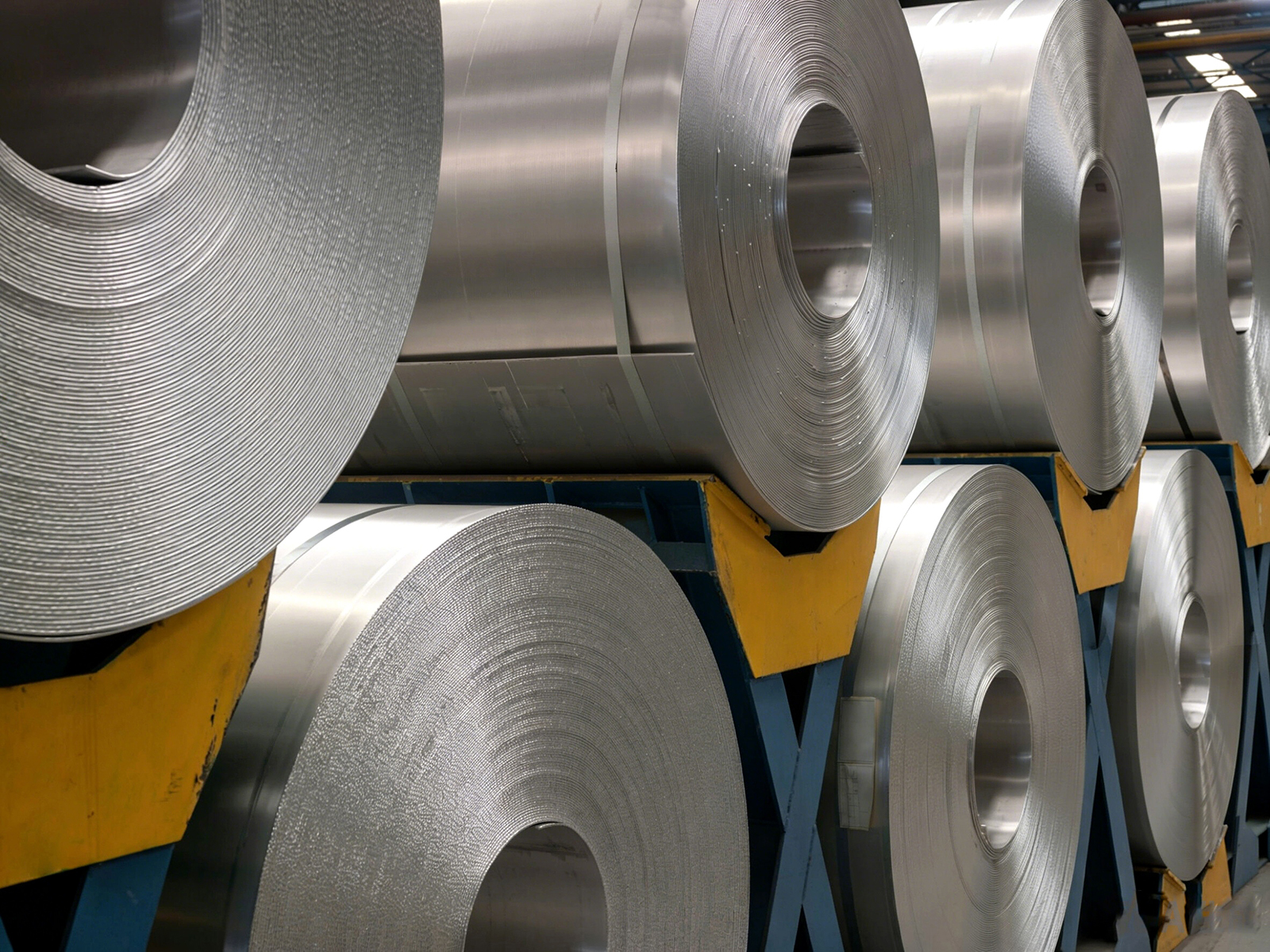
As an industrial-grade pure titanium material, Gr2 titanium foil exhibits outstanding strength characteristics in the field of metal materials. Compared with traditional metals such as stainless steel and aluminum alloys, Gr2 titanium foil has a tensile strength of 345-480 MPa, which is approximately 1.5-2 times that of ordinary aluminum alloys, while its density is only about 60% of steel. This perfect combination of high strength and light weight gives it irreplaceable advantages in aerospace, medical implants, and electronic equipment applications. Notably, Gr2 titanium foil maintains excellent ductility while also demonstrating superior yield strength and fatigue strength, making it particularly suitable for precision manufacturing scenarios that require repeated forming processes.
1. What Should You Know About Basic Mechanical Property Indicators of Gr2 Titanium Foil?
(1) What Should You Know About Tensile Strength and Yield Characteristics?
The tensile strength range of Gr2 titanium foil is between 345-480 MPa, and the yield strength typically reaches 275-410 MPa. This mechanical property allows it to withstand considerable tensile loads without permanent deformation. At room temperature, the material’s elongation can reach 20-30%, demonstrating excellent plastic processing potential. In comparison, although this strength level is not as high as that of high-strength titanium alloys such as Ti-6Al-4V, it is already top-tier within the series of industrial pure titanium.
(2) What Should You Know About Hardness and Elastic Modulus Performance?
The Vickers hardness of the material is usually in the range of 120-200 HV. This moderate hardness ensures sufficient wear resistance while not bringing excessive difficulty to subsequent processing. The elastic modulus is about 103-110 GPa, which is significantly lower than the 200 GPa of steel, meaning that under the same stress, titanium foil has a greater capacity for elastic deformation, which is particularly advantageous for applications requiring a certain degree of flexibility.
(3) What Should You Know About Fatigue Strength and Endurance Performance?
Under cyclic loading, the fatigue strength of Gr2 titanium foil is about 50-60% of its tensile strength, far higher than the 30-40% of aluminum alloy materials. This excellent fatigue resistance allows it to exhibit a longer service life in environments with vibration or repeated stress cycles. With appropriate surface treatment, the fatigue life can be further increased by 20-30%.
2. What Should You Know About Comparative Analysis of Strength with Mainstream Metal Materials?
(1) What Are the Differences in Performance Comparison Between Titanium Foil and Stainless Steel?
The specific strength (strength-to-density ratio) of Gr2 titanium foil is superior to that of 304 stainless steel. Although stainless steel has an absolute tensile strength of 515-620 MPa, its density is 7.93 g/cm³, while titanium’s density is only 4.51 g/cm³. Calculations show that the specific strength of titanium foil is about 1.3-1.5 times that of stainless steel. This means that, to achieve the same load-bearing capacity, using titanium foil can result in significant weight reduction.
Table 1: Comparison of Key Properties between Gr2 Titanium Foil and Stainless Steel
Performance parameters | Gr2 Titanium Foil | 304 stainless steel | Advantage Multiple |
Tensile Strength (MPa) | 345-480 | 515-620 | 0.7× |
Density (g/cm³) | 4.51 | 7.93 | 0.57× |
Specific strength (MPa·m³/kg) | 76.5-106.4 | 64.9-78.2 | 1.3-1.5× |
Corrosion Resistance (Relative Rating) | Excellent (9/10) | Good (7/10) | 1.3× |
(2) What Are the Differences in Strength Differences Between Titanium Foil and Aluminum Alloy?
Compared with 6061-T6 aluminum alloy (tensile strength 310 MPa), Gr2 titanium foil has a strength advantage of 15-55%. More importantly, titanium foil can maintain over 80% of its room temperature strength in the medium temperature range of 150-300℃, while aluminum alloy experiences a significant strength reduction at 150℃. This high-temperature stability makes titanium foil more competitive in applications such as heat exchangers and exhaust systems.
(3) What Are the Differences in Mechanical Comparison Between Titanium Foil and Copper Materials?
The tensile strength of industrial pure copper is usually between 220-280 MPa, significantly lower than that of Gr2 titanium foil. Although copper has excellent electrical and thermal conductivity, in situations requiring mechanical load-bearing, titanium foil has a clear strength advantage. Especially in applications such as battery tabs and flexible circuit substrates, titanium foil can provide more reliable mechanical support while achieving sufficient electrical conductivity through surface treatment.
Table 2: Comprehensive Performance Matrix of Various Metal Materials
Material Type | Tensile Strength (MPa) | Density (g/cm³) | Specific strength (MPa·m³/kg) | Corrosion resistance level | Processing difficulty |
Gr2 Titanium Foil | 345-480 | 4.51 | 76.5-106.4 | Excellent | Medium |
6061 aluminum alloy | 310 | 2.70 | 114.8 | Good | Easy |
304 stainless steel | 515-620 | 7.93 | 64.9-78.2 | Excellent | Relatively difficult |
Industrial pure copper | 220-280 | 8.96 | 24.6-31.3 | general | Easy |
Nickel 201 | 380-550 | 8.89 | 42.7-61.9 | Excellent | Relatively difficult |
3. What Should You Know About Key Factors Affecting the Strength of Gr2 Titanium Foil?
(1) What Should You Know About the Effect of Thickness Specifications on Strength?
The thickness of titanium foil has a complex relationship with its apparent strength. When the thickness is reduced from 0.1 mm to 0.03 mm, the material’s tensile strength may increase by 5-10%, a phenomenon caused by the surface grain refinement effect. Residual stress introduced during the thinning process can also affect the strength. By using advanced multi-pass rolling processes, it is possible to precisely control the microstructural uniformity of ultra-thin foils ranging from 0.02 to 0.15 mm, ensuring strength stability.
(2) What Should You Know About Grain Size and Microstructure?
Fine-grain strengthening is an important mechanism for improving the strength of titanium foil. Studies have shown that when the average grain size decreases from 50 um to 20 um, the yield strength can increase by 20-30 MPa [1]. By controlling the annealing temperature (usually in the range of 600-750℃) and holding time, the grain size can be adjusted to find the optimal balance between strength and ductility. A fully recrystallized equiaxed grain structure can provide the best overall mechanical performance.
(3) What Should You Know About the Effect of Oxygen and Nitrogen Content on Strength?
As interstitial solute elements, the content of oxygen and nitrogen directly affects the strength of Gr2 titanium foil. When the oxygen content increases from 0.15% to 0.25%, the tensile strength can increase by about 40-60 MPa, but ductility correspondingly decreases [3]. Industry practice shows that keeping the oxygen content stably controlled within the optimal range of 0.18-0.22%, and nitrogen content no more than 0.03%, ensures both strength and good cold forming performance.
4. Why Is Special Strength Requirements for Different Application Areas Important?
(1) What Should You Know About Performance Standards in the Aerospace Field?
Aerospace structural components have extremely stringent requirements for the specific strength and fatigue resistance of materials. Gr2 titanium foil, with its excellent specific strength and wide service temperature range from -269℃ to 300℃, is widely used in conduit systems, heat shields, and honeycomb core materials. Aerospace material standards require that the minimum tensile strength of titanium foil is not less than 345 MPa and the yield strength is not less than 275 MPa, and the products must consistently meet these standards.
(2) What Should You Know About Mechanical Requirements of Medical Implants?
Medical devices such as cranial repair meshes and artificial vascular stents require materials that have sufficient strength to support tissue while also possessing good biocompatibility and processability. The yield strength of Gr2 titanium foil is enough to withstand physiological stress in the body (usually not exceeding 50 MPa), and its surface can form a stable TiO2 passivation layer to prevent the release of metal ions. The material’s ductility allows doctors to perform on-site shaping, meeting the needs of personalized implantation.
(3) What Should You Know About the Precision Machining Requirements of the Electronics Industry?
Applications such as alternative materials for lithium battery soft-pack aluminum-plastic films and 5G radio frequency shielding covers require foil materials that have sufficient strength to withstand stamping, while also needing extremely thin thicknesses (0.02-0.05mm) to reduce space usage. Gr2 titanium foil can maintain a strength of over 300 MPa even at ultra-thin specifications, and combined with its excellent fatigue resistance, it ensures the integrity of connecting structures during battery charge-discharge cycles. The ultra-thin foil production line needs to overcome the difficulty of controlling thickness uniformity across a wide width of foil, ensuring a thickness accuracy of ± 0.003mm.
Table 3: Strength Requirements for Gr2 Titanium Foil in Different Industry Sectors
Application field | Minimum tensile strength (MPa) | Minimum yield strength (MPa) | Elongation Requirement (%) | Typical thickness range (mm) |
Aerospace | 380 | 300 | ≥ 15 | 0.05-0.30 |
Medical Implant | 345 | 275 | ≥ 20 | 0.05-0.20 |
Chemical corrosion protection | 350 | 270 | ≥ 18 | 0.10-0.50 |
Electronic components | 360 | 280 | ≥ 15 | 0.02-0.08 |
Marine Engineering | 370 | 290 | ≥ 16 | 0.15-0.40 |
5. What Should You Know About Strength Optimization and Quality Control Practices?
(1) Why Is Application of Advanced Rolling Technology Important?
The rolling production line using multi-roll mills and a tension control system can precisely control the reduction and deformation rate of each pass. This progressive processing method avoids uneven microstructure caused by severe deformation, keeping the strength variation across different areas of the foil within ± 15 MPa. The reasonable combination of hot rolling (400-600℃) and cold rolling processes not only improves processing efficiency but also ensures the stability of the final product’s mechanical properties.
(2) What Should You Know About Precise Control of Heat Treatment Process?
Annealing is a key step in regulating the balance between strength and plasticity of titanium foil. The oxygen partial pressure in the vacuum annealing furnace must be strictly controlled below 10⁻⁴ Pa to prevent oxygen contamination that could cause material embrittlement. By monitoring the heating rate of the annealing curve (5-10℃/min), the holding temperature (650-720℃), and the cooling method, precise control of strength within ± 20 MPa can be achieved. The full-process quality traceability system can correlate the heat treatment parameters of each roll of product with the final mechanical properties, ensuring batch stability.
(3) What Should You Know About Nondestructive Testing and Performance Verification?
Evaluate the quality of foil materials using a combination of non-destructive testing methods, including microstructure observation, eddy current detection of surface defects, and X-ray diffraction analysis of residual stress distribution. Each batch of products must undergo tensile testing, hardness testing, and metallographic analysis to ensure compliance with customer technical specifications. For high-end applications such as aerospace, fatigue testing and fracture toughness testing are also required to comprehensively verify the reliability of the materials.
6. What Is the Conclusion?
Gr2 titanium foil, with a tensile strength of 345-480 MPa, excellent specific strength, and comprehensive corrosion resistance, occupies a unique position in the metal material system. Compared with traditional materials such as stainless steel and aluminum alloys, it demonstrates overall advantages in weight reduction, durability, and environmental adaptability. With the advancement of precision processing technology, the strength stability of ultra-thin titanium foil continues to improve, providing reliable material support for aerospace, medical implants, high-end electronics, and other fields.
FAQ
Q1: Will the strength of Gr2 titanium foil decrease over time?
Under normal temperature and pressure conditions, the strength properties of Gr2 titanium foil are extremely stable, and the surface oxide film can self-repair, so there will be no significant strength degradation even after long-term service. It is necessary to avoid prolonged exposure to strong acids and strong alkalis, as well as operating conditions exceeding 300℃.
Q2: Is the strength of ultra-thin titanium foil (below 0.03mm) reliable?
Modern precision rolling technology can ensure the uniform strength of ultra-thin titanium foil. Through multiple passes of rolling and strict annealing control, products with a thickness of 0.02 mm can still achieve a tensile strength of over 360 MPa, meeting the requirements of precision electronics and medical device applications. Actual test data can be requested from the supplier.
Q3: How to choose the appropriate titanium foil strength grade for a specific application?
It is necessary to comprehensively consider service load, forming process, and environmental conditions. For applications that bear static loads and require complex forming, a specification with moderate strength (350-400 MPa) and good ductility can be chosen; for occasions with dynamic loads or high strength requirements, a high-strength grade above 450 MPa should be selected, and consultation with the material supplier for customized selection is recommended.
What Should You Know About Contact Us Immediately?
As a professional Gr2 titanium foil manufacturer and supplier, Titanium Valley relies on multi-roll precision rolling mills, vacuum annealing furnaces, and a full-process quality traceability system to provide customized Gr2 titanium foil products with a thickness of 0.02-0.50 mm and a width of 15-680 mm. The thickness accuracy is controlled within ± 0.003 mm, the tensile strength remains stable between 345-480 MPa, and the surface finishes include bright, matte, and ground, meeting the diversified needs of aerospace, medical devices, precision electronics, and chemical corrosion protection industries. We provide complete material certificates that comply with international standards such as ASTM B265, AMS 4902, and ISO 5832-2, including measured chemical compositions for each batch, tensile curves, grain size reports, and non-destructive testing records. Whether you need standard specification bulk supply or customized solutions for specific forming processes and strength grades, our technical team can provide comprehensive support from material selection advice and forming guidance to batch traceability. You are welcome to contact us via email at sales@titaniumvalleys.com to obtain product samples, technical data packages, and detailed quotations.
References
[1] Li Minghui, Zhang Guodong. Study on the Relationship between Mechanical Properties and Microstructure of Industrial Pure Titanium [J]. Rare Metal Materials and Engineering, 2021, 50(8): 2856-2863.
[2] Wang Jianguo, Liu Yang, Chen Peng. Rolling Process and Performance Control Techniques of Ultra-thin Titanium Foil [J]. Titanium Industry Progress, 2022, 39(3): 18-24.
[3] Zhao Yongqing. Titanium Alloy Materials Handbook [M]. 3rd edition. Beijing: National Defense Industry Press, 2020: 97-112.