
ASTM B550 Zirconium Wire Corrosion Resistance: Specification Guide
- ASTM B550 Zirconium Wire
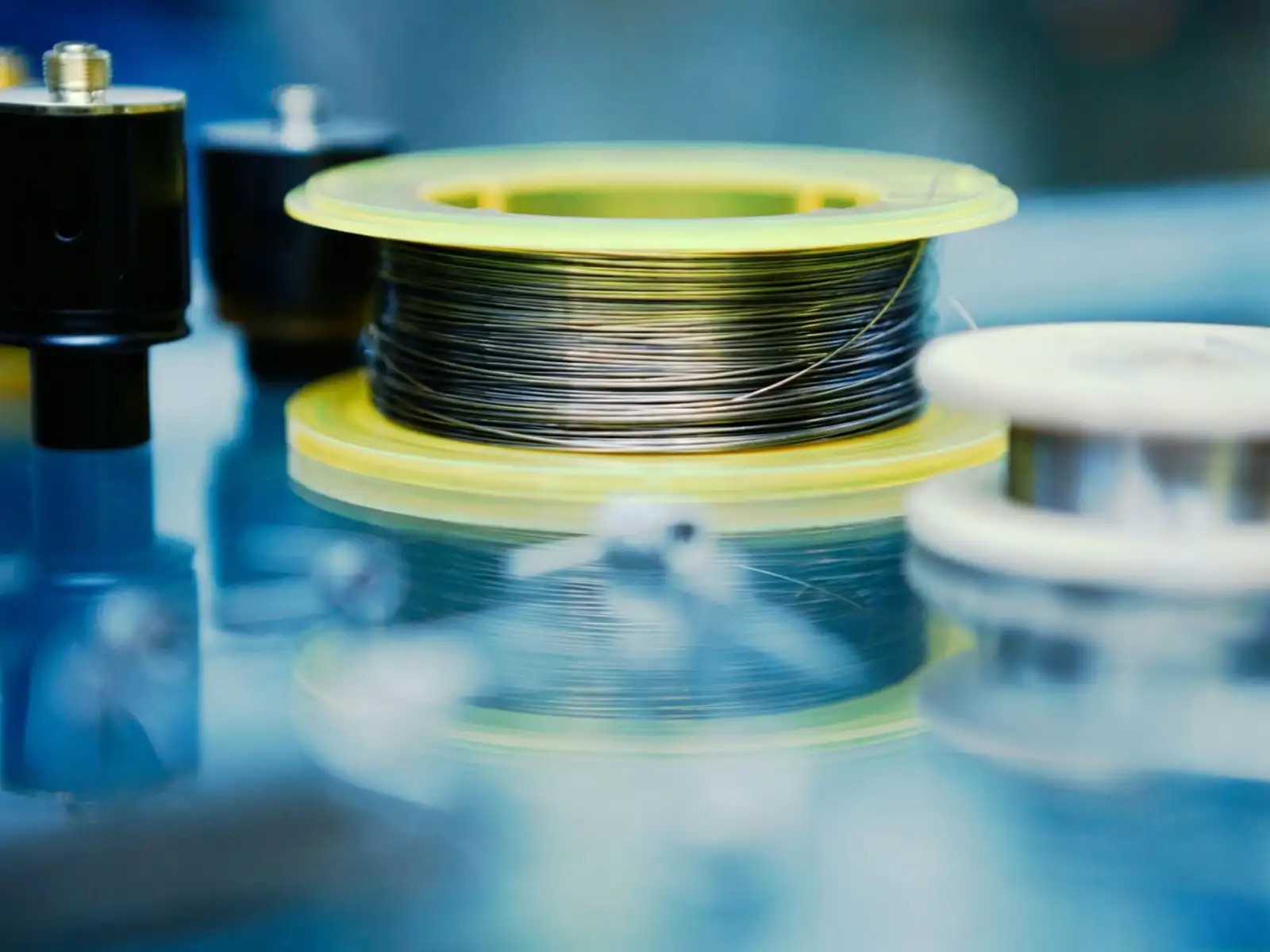
Zirconium wire corrosion selection. Zirconium wire may be evaluated for corrosive service, but compatibility is conditional on the actual medium, concentration, temperature, pressure and fabrication route. No wire grade can be described as resistant to every acid or as having a guaranteed equipment lifetime.
Start with the wire standard
ASTM B550/B550M covers zirconium and zirconium alloy bar and wire. State the chosen UNS grade, applicable edition, diameter and tolerance, delivery condition, surface and required lot certificate. The standard establishes material acceptance; corrosion service requires a separate application assessment.
Construct an exposure record
| Exposure factor | What the buyer should document |
|---|---|
| Chemistry | Process medium, concentration, impurities and cleaning agents. |
| Operating cycle | Temperature, pressure, flow, shutdown and upset conditions. |
| Geometry | Crevices, joints, deposits and dissimilar-metal contact. |
| Validation | Relevant compatibility source, coupon test or component trial. |
Oxidizing and reducing conditions can change the comparison between zirconium, titanium and other metals. A general marketing claim should not be used as the only basis for a chemical-equipment specification. If the wire will be welded or formed, validate the final joint and surface condition, not only the as-received wire.
Read the ASTM B550 wire guide and the zirconium supplier guide. Review the wire category and send a technical RFQ. Source: ASTM B550/B550M scope.
Frequently asked questions
Is ASTM B550 a corrosion-service guarantee?
No. It is a bar-and-wire material specification; service suitability needs application-specific evaluation.
What corrosion data should an RFQ include?
State the actual medium, concentration, temperature, contaminants and component geometry.
Published by: Titanium Valleys
Technical review: General Manager of the Production Department
Quality review: Quality Inspection Department
Last reviewed: October 20, 2026