
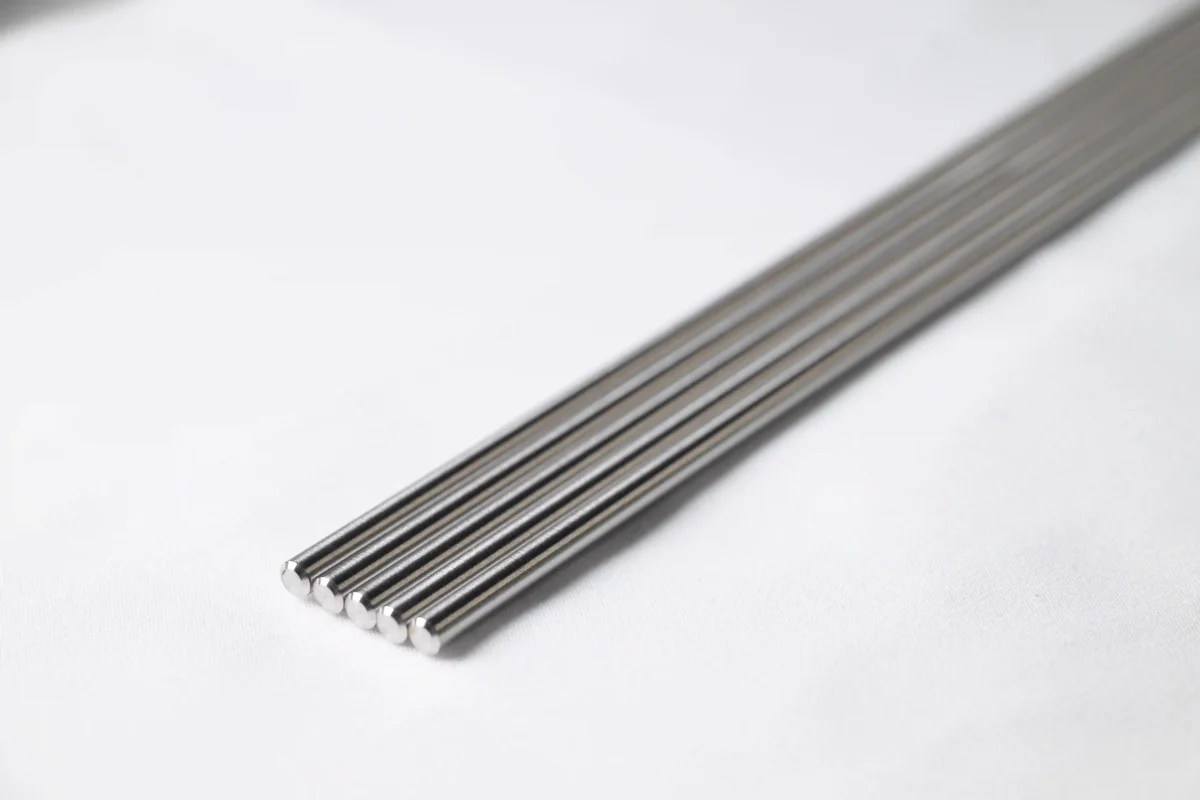
TB13 Titanium Bar: Evaluating Corrosion, Fatigue and Temperature

TB13 titanium bar may be considered for a demanding component when its specified material condi...
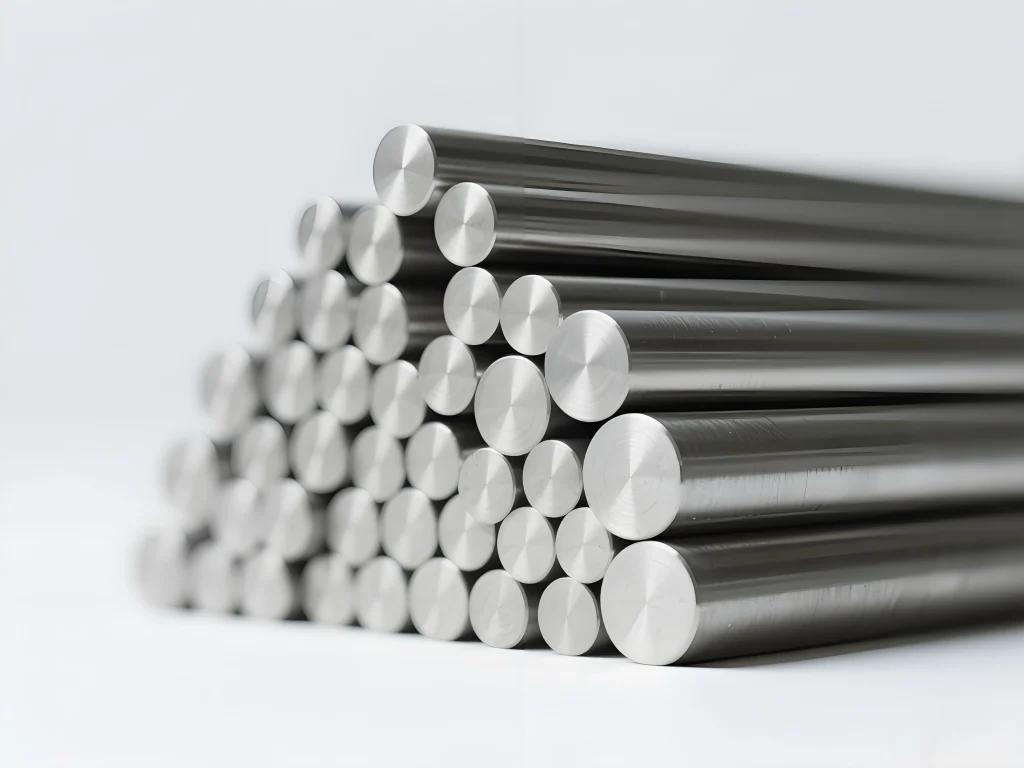
What separates Ni200 nickel bar from the ASTM B160 standard nickel bar?
When purchasing nickel bars, you will frequently encounter the two terms “Ni200” and “ASTM B160”, wh...
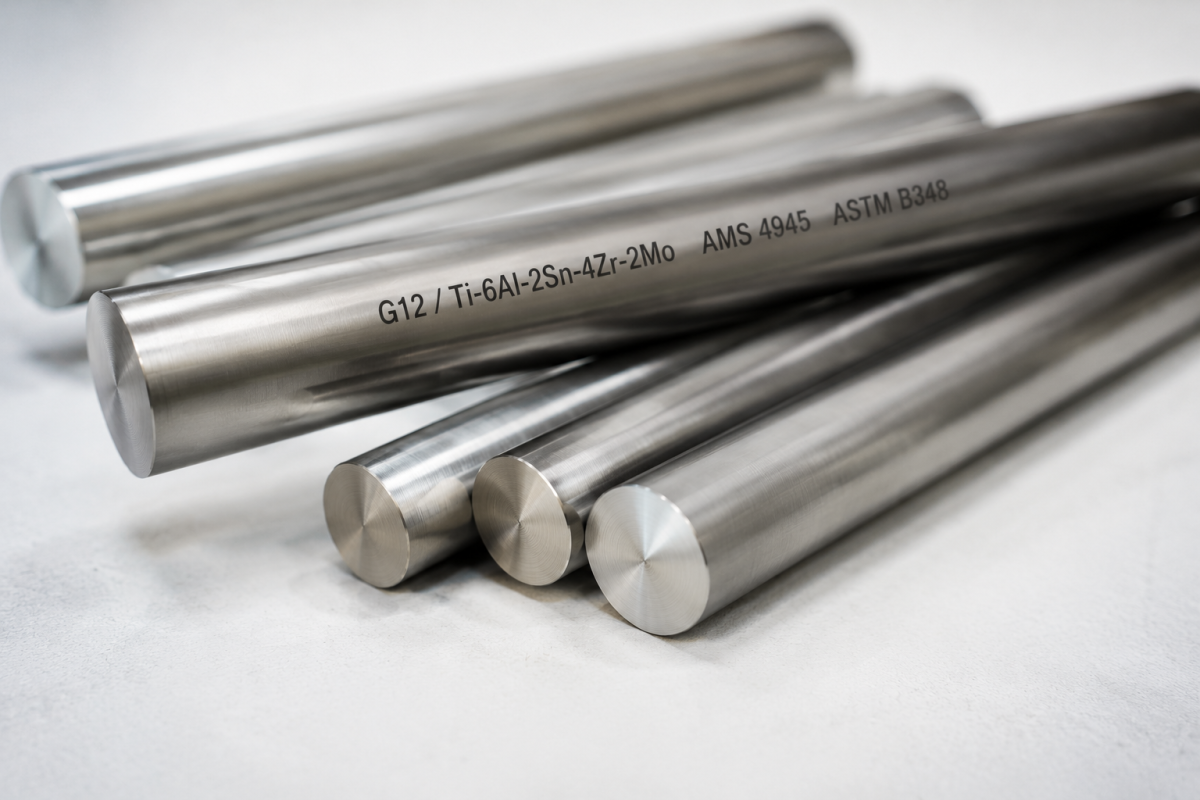
Where can Grade 12 titanium bars be applied? Chemical, marine, energy and high-end equipment industries?
Grade 12 titanium bar applications. Grade 12 bar may be evaluated for a defined component in ch...
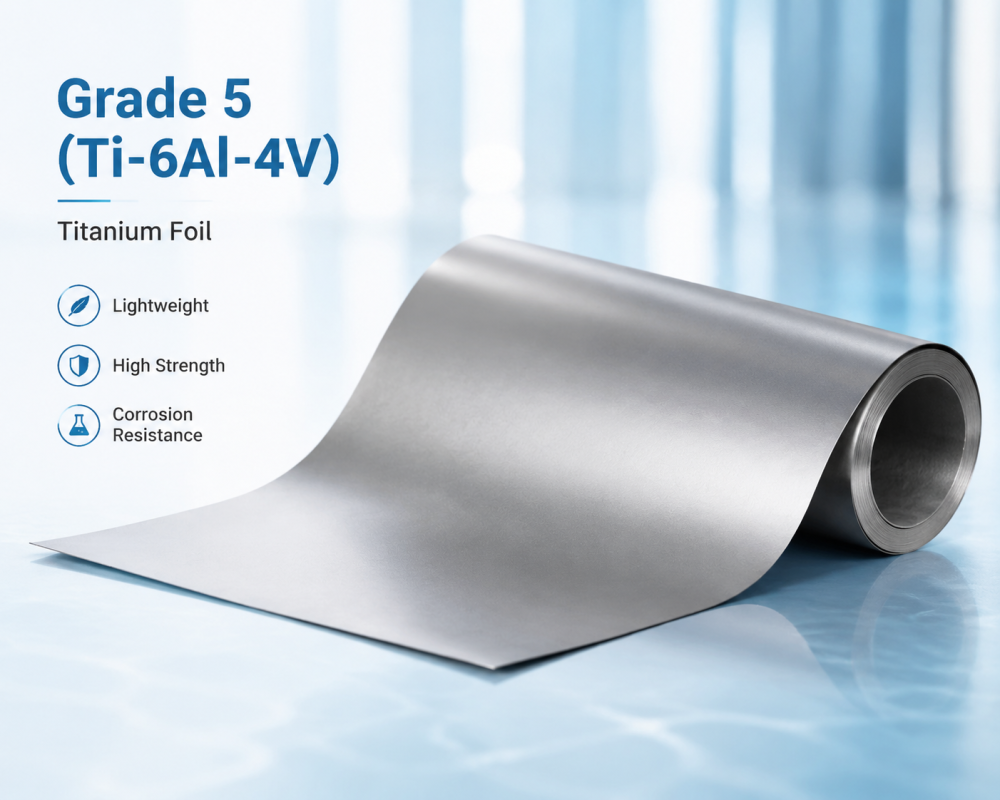
Grade 5 Titanium Foil Inspection: Chemistry, Properties and Dimensions
Inspection of Grade 5 titanium foil begins with the purchase specification, material condition,...
ASTM B160 Nickel Rod: Applications and Selection Requirements
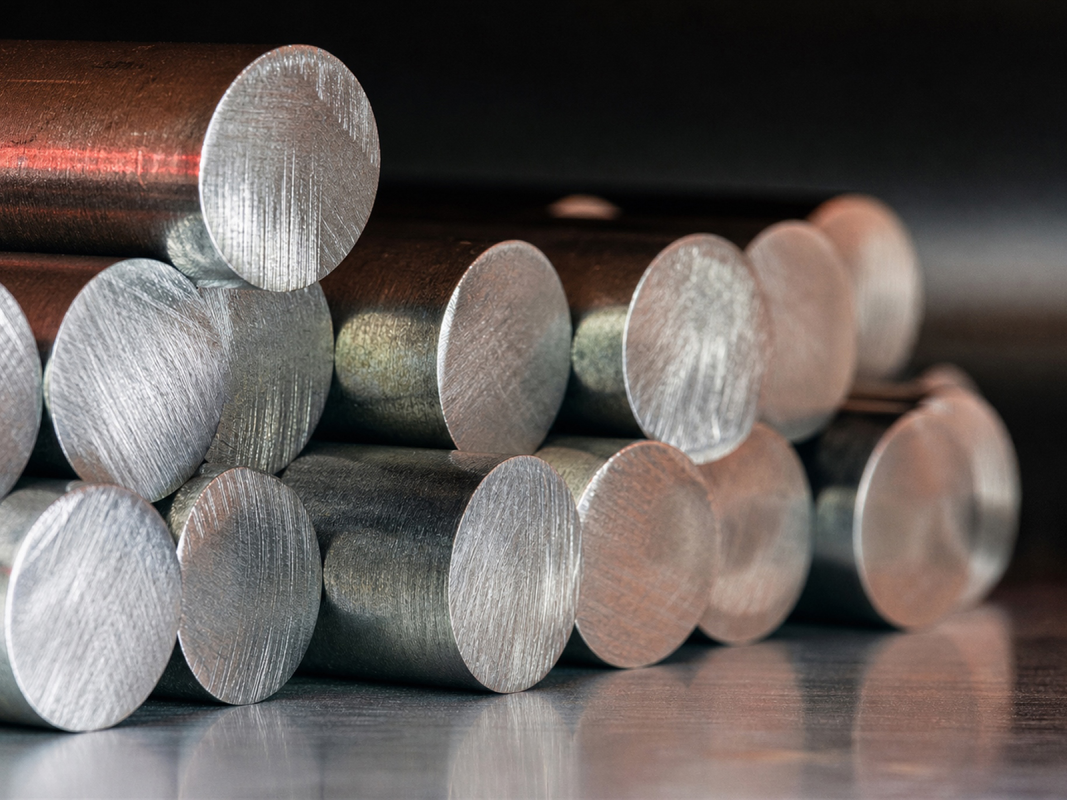
ASTM B160 specifies nickel rod and bar. Nickel 200 and Nickel 201 can be evaluated for chemica...
Is Grade 5 Titanium Bar a Key Material for High-Strength Machinery?
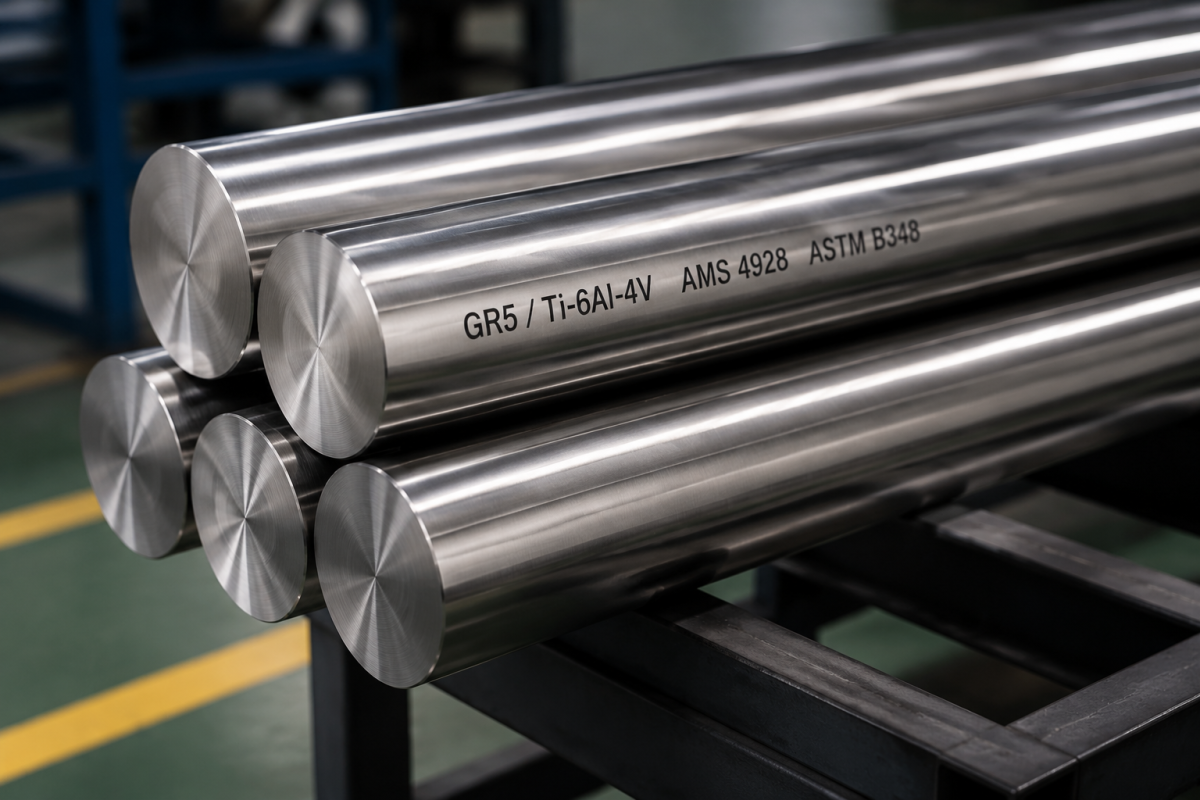
Grade 5 titanium bar for machinery: material selection depends on the component, its load path,...
Is Grade 5 Titanium Bar a Key Material for Aviation Applications from Fuselage to Engine?
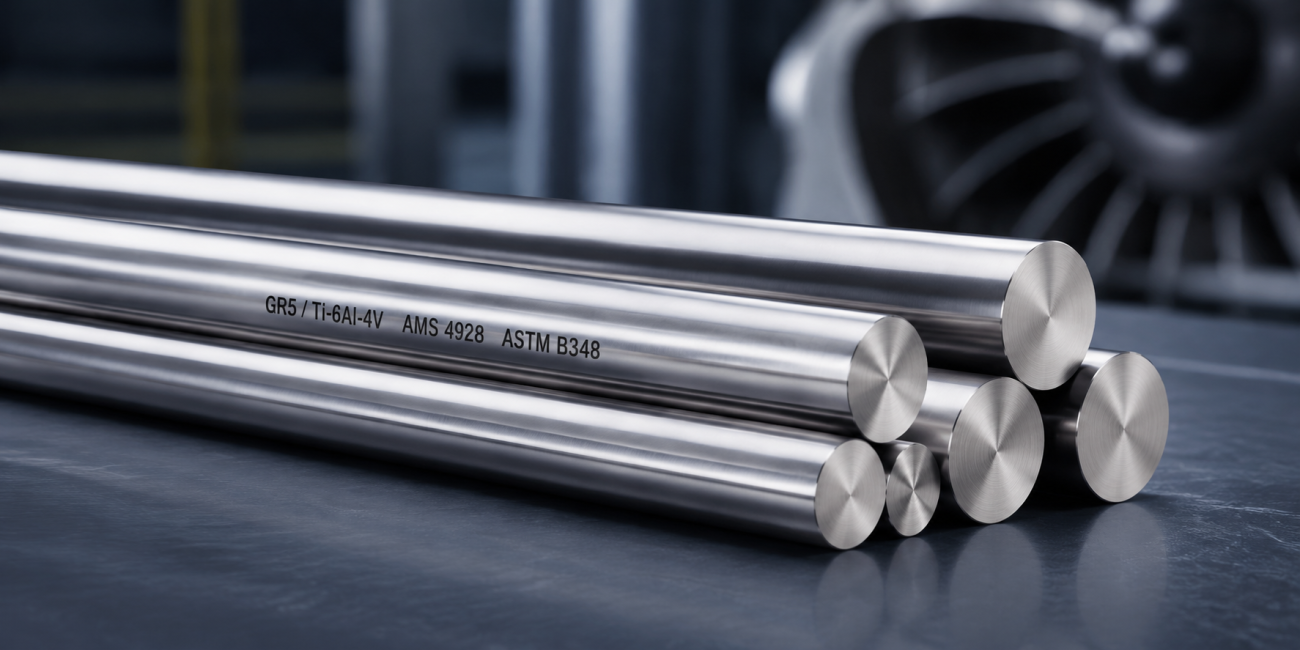
Grade 5 titanium bar in aerospace design: Ti-6Al-4V (UNS R56400) is a titanium alloy considered...
Is Grade 4 Titanium Wire the perfect balance of strength and biocompatibility?
Grade 4 titanium wire selection. Grade 4 (UNS R50700) is an unalloyed titanium wire option for ...

Is Grade 4 titanium foil an ideal material for marine applications such as ships, seawater desalination and deep-sea equipment?
Cluster link: For the grade-level overview, see Grade 4 titanium overview.
Marine environ...

Grade 4 Titanium Foil: Impact Testing and Material Selection
Grade 4 titanium foil may be considered for thin formed components when strength, corrosion beh...