
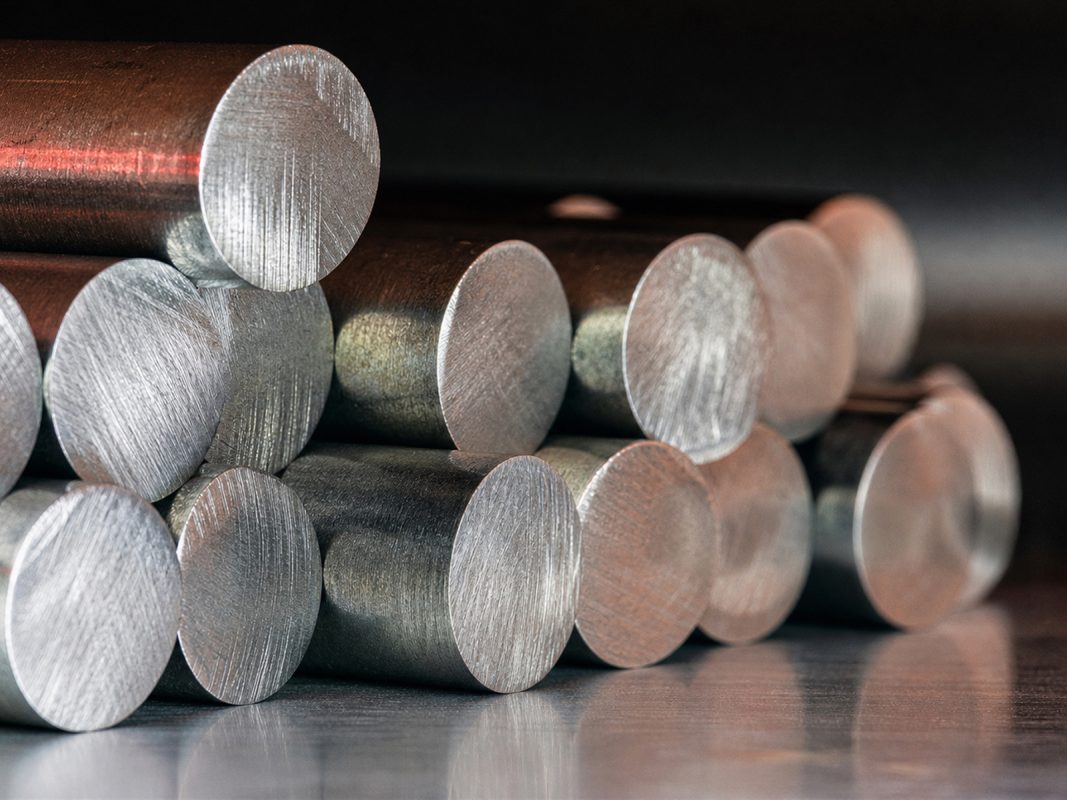
Cold Working Performance and Operating Guide for Industrial Pure Gr1 Titanium Bar: Which Process Offers the Best Formability?

Gr1 Titanium Bar Gr1 commercially pure titanium bar exhibits excellent cold working performance due ...
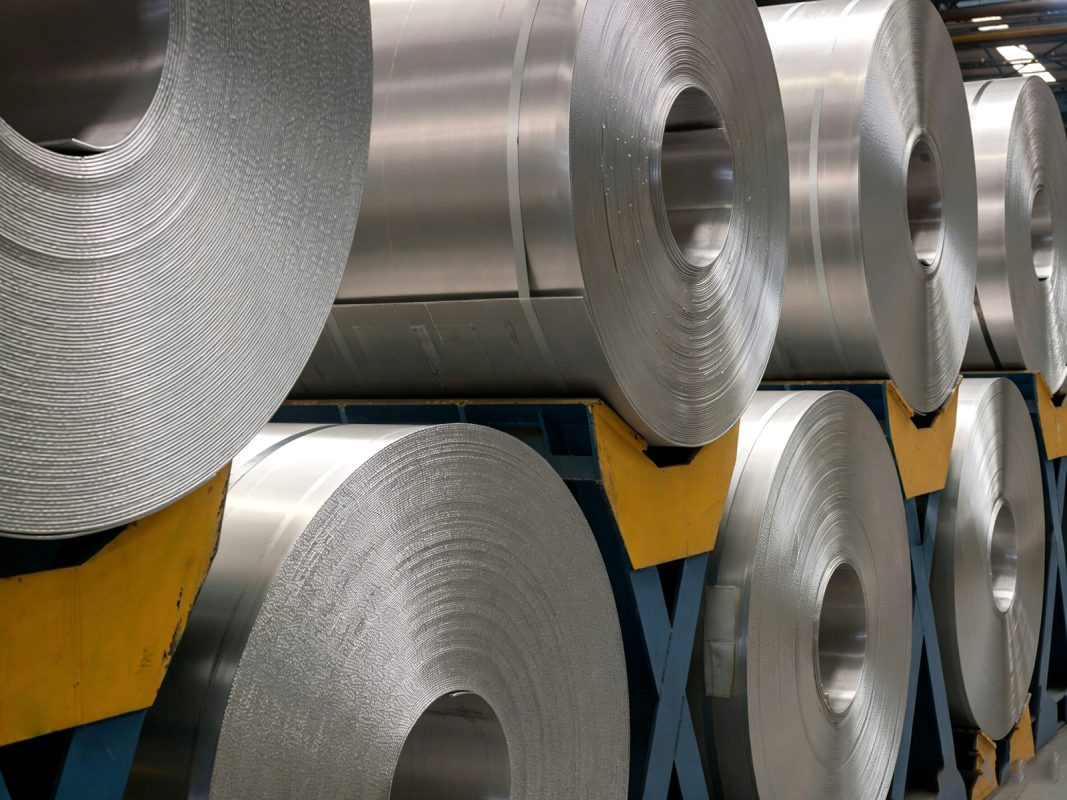
Why Gr1 Commercially Pure Titanium Foil Is the Ideal Choice for Deep Drawing: Which Grade Offers the Best Formability?
Gr1 Titanium Foil Deep drawing is a critical metal forming process used to manufacture complex-shape...
Custom Ti-15V-3Al-3Cr-3Sn Titanium Foil for Precision Parts
Ti-15V-3Al-3Cr-3Sn titanium foil may be considered for a precision part when the alloy, materia...
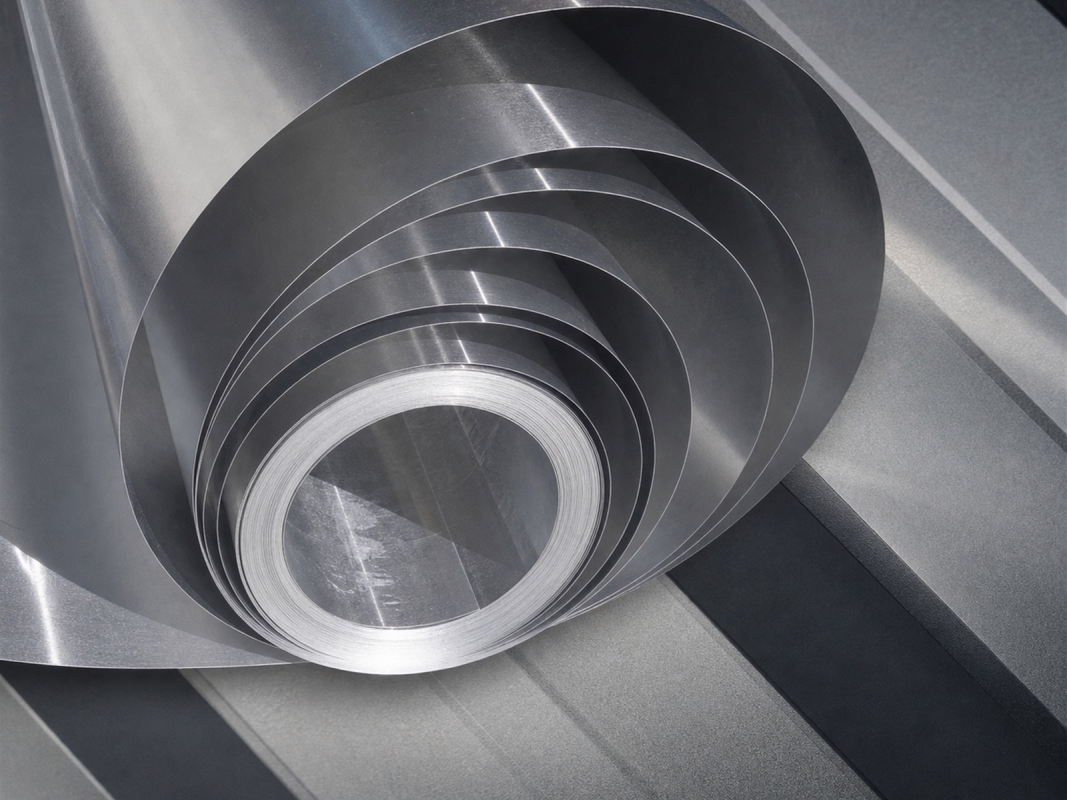
Nickel 200 Foil Electrical and Thermal Conductivity Guide
Nickel 200 foil conductivity guide explaining test basis, temperature, material condition, geometry, operating environment and RFQ evidence.

What Are the Deep Drawing and Wire Spinning Processing Techniques for Nickel 201 Foil?
Nickel 201 foil forming and deep drawing: UNS N02201 is the low-carbon nickel grade covered by ...
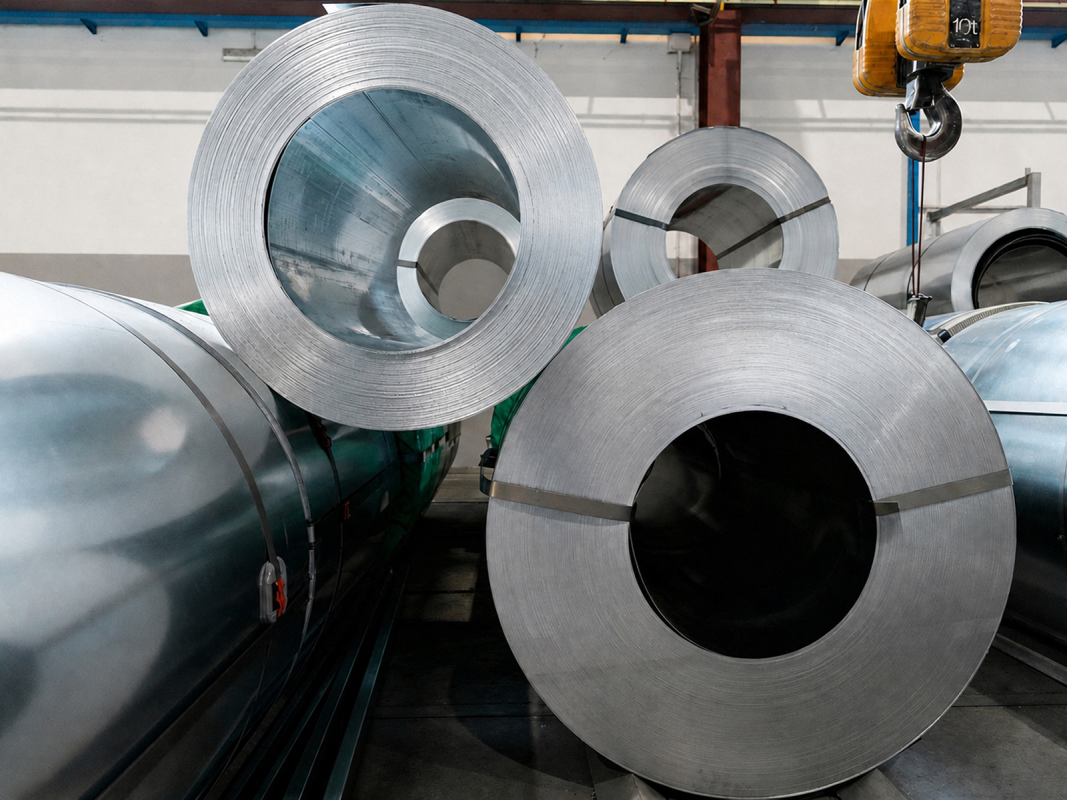
Nickel 200 Foil for Battery Components: Specification and RFQ Guide
Nickel 200 foil for battery-related components. The part's actual role determines whether Nicke...
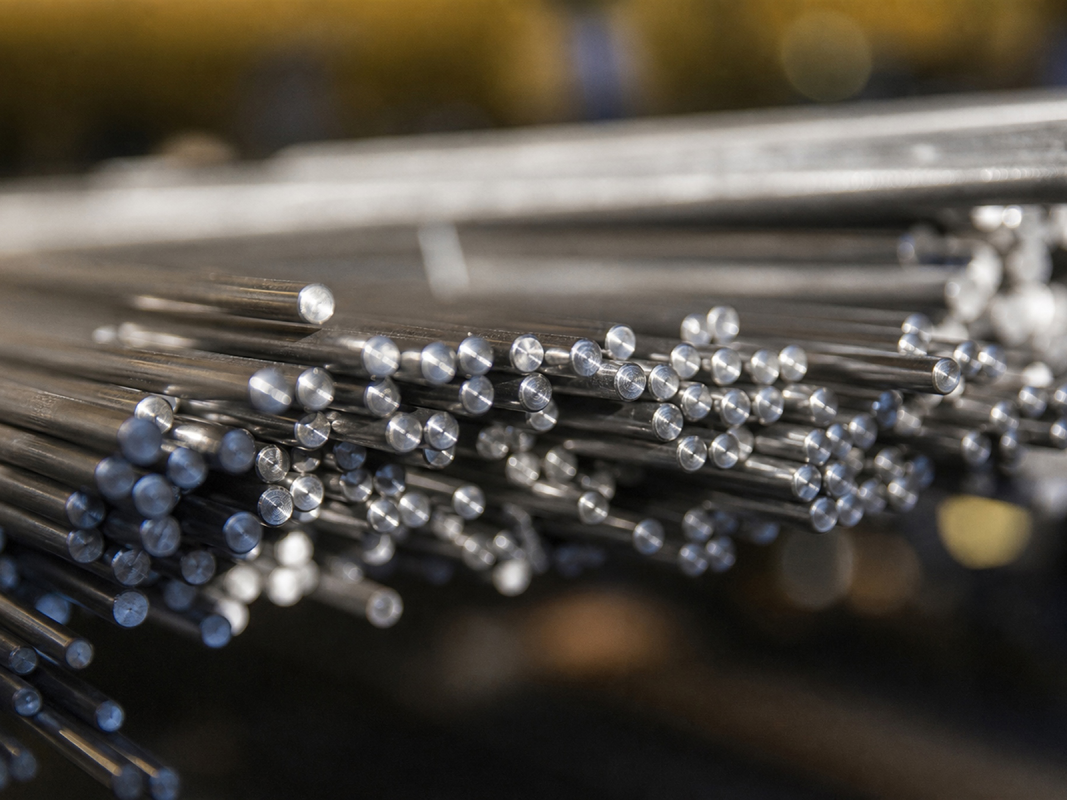
What Are the Chemical Composition and Advantages of TB13 Titanium Alloy Rod?
TB13 titanium alloy (Chinese GB standard designation, equivalent to Ti-5Al-2.5Sn-2Zr-4Mo-4Cr per Chi...
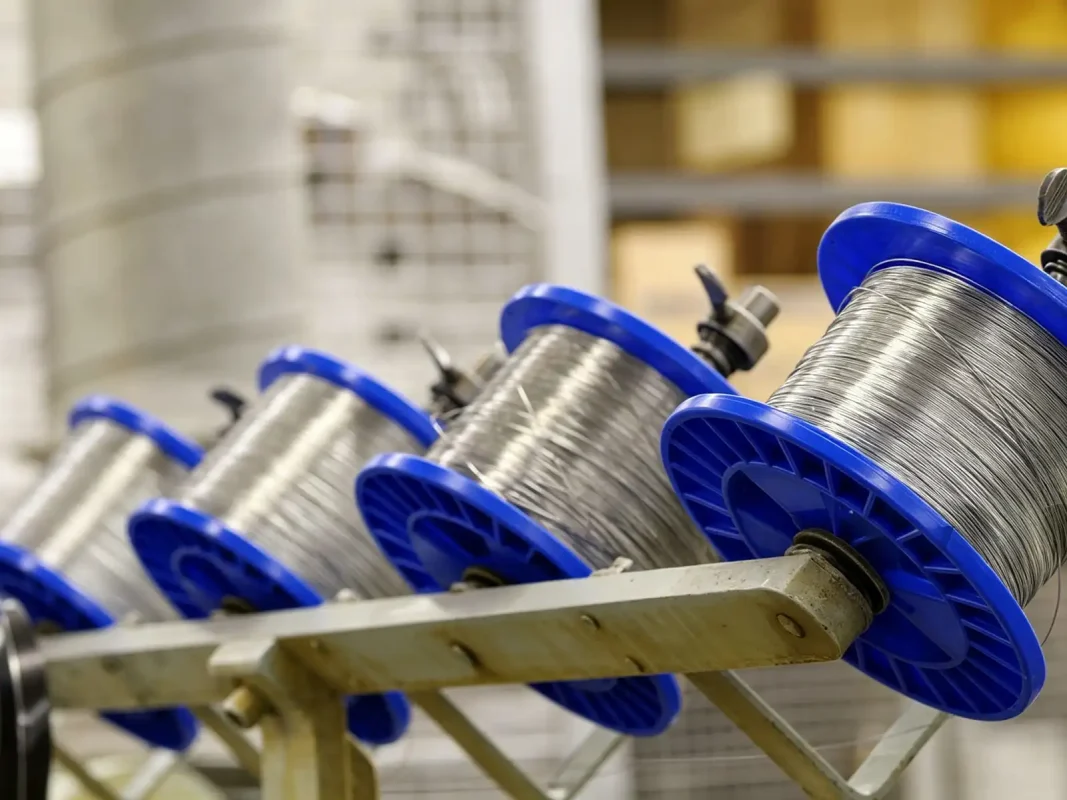
What Are the Applications of Gr4 Titanium Wire in Precision Watch Components and Micro-Mechanisms?
Gr4 Titanium Wire (Ti-6Al-4V per ASTM B863) has emerged as a premium material for precision watch co...
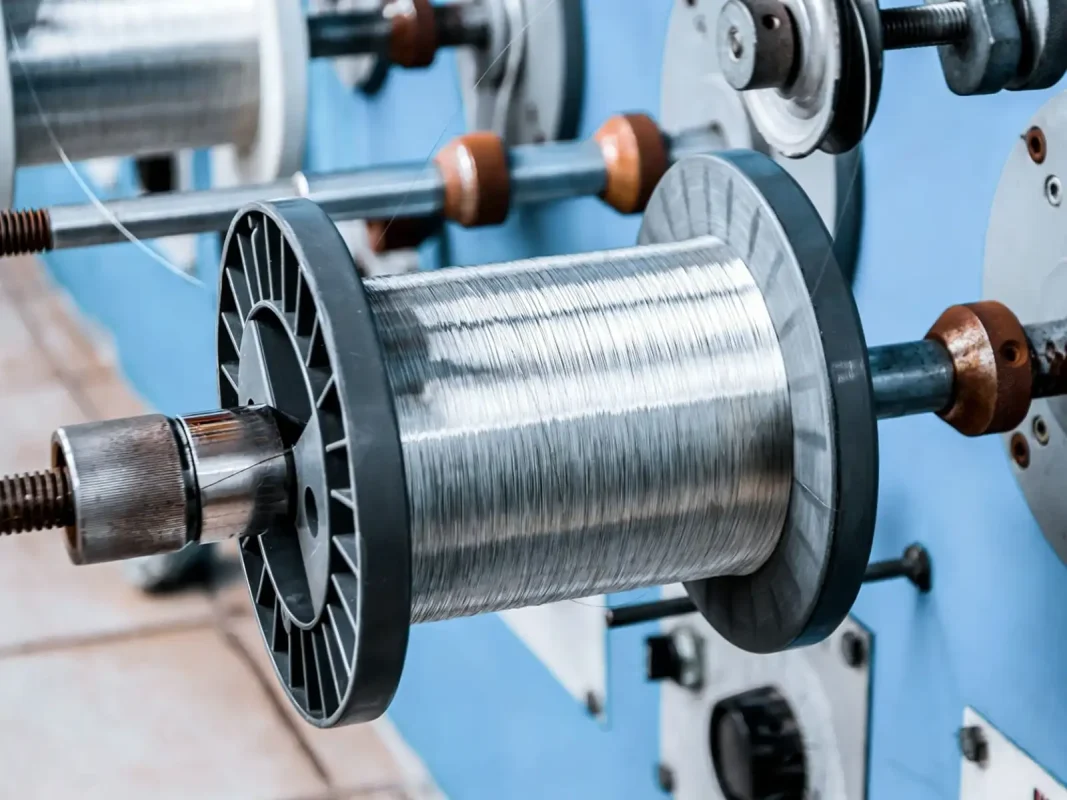
How Does Gr4 Titanium Wire Maintain Dimensional Stability Under Frequently Fluctuating Thermal Loads?
Gr4 Titanium Wire (Ti-6Al-4V per ASTM B863) demonstrates exceptional dimensional stability under fre...
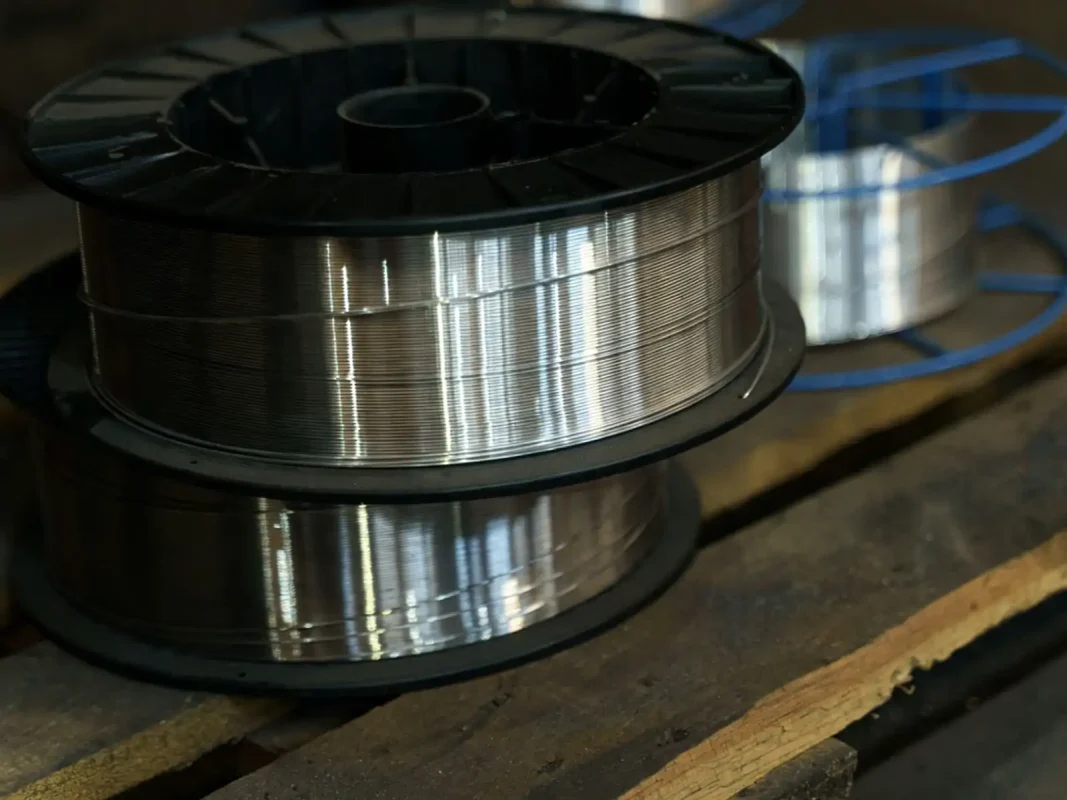
What Are the 5 Key Points for High-Quality Welding Using ASTM B550 Zirconium Wire?
Topic hub: For the main the Zirconium Alloy Supplier selection framework, see the Zirconium Alloy Su...