
Custom Ti-15V-3Al-3Cr-3Sn Titanium Foil for Precision Parts
- Ti-15V-3Al-3Cr-3Sn Titanium Foil
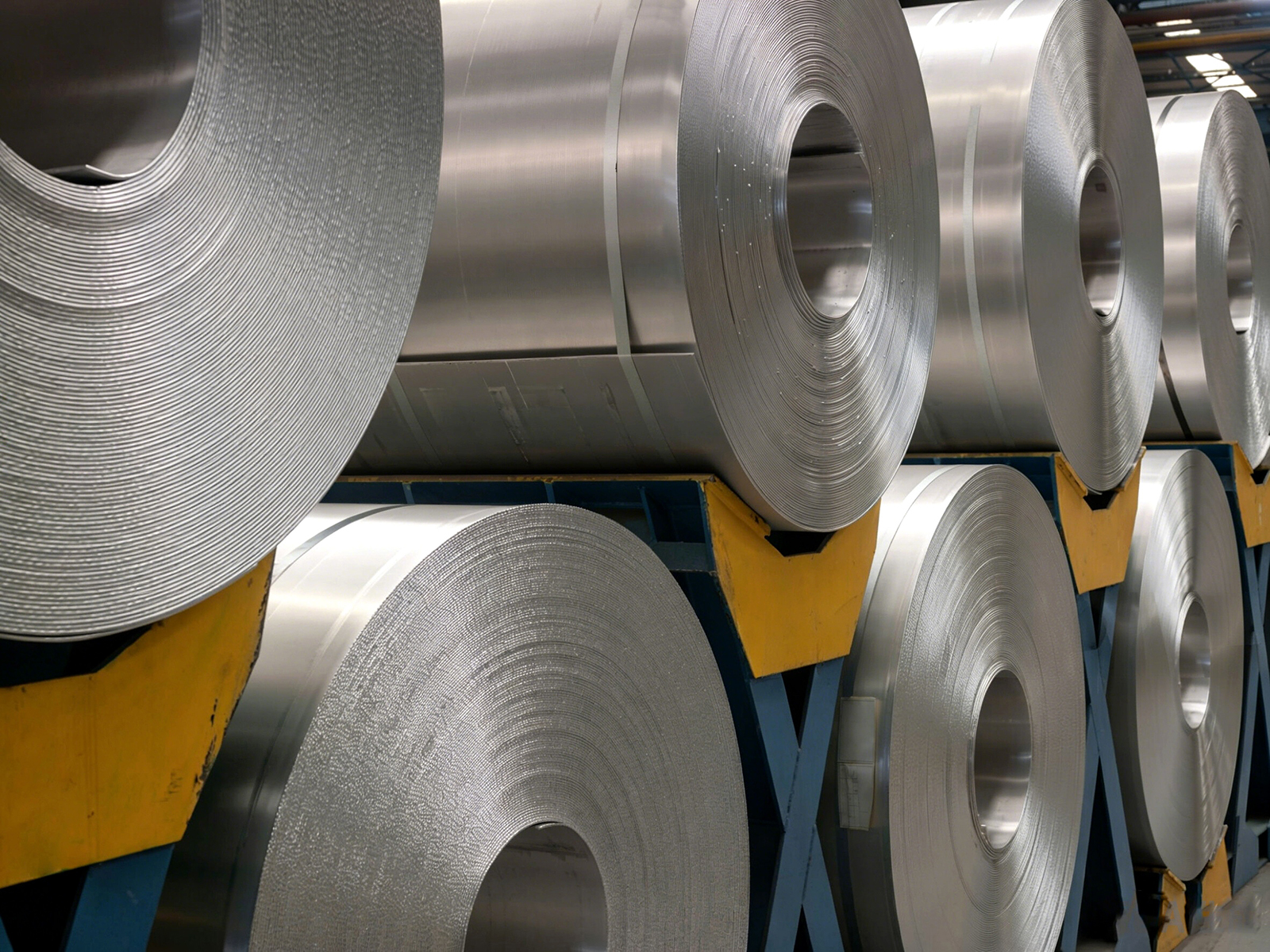
Ti-15V-3Al-3Cr-3Sn titanium foil may be considered for a precision part when the alloy, material condition, dimensions and processing requirements are appropriate. The grade name alone does not establish a fixed strength, operating temperature or medical suitability.
Define the material order
Identify the full alloy designation, product form, applicable specification and edition. Specify thickness, width, tolerance, delivery condition, surface and edge requirements. Confirm that the selected standard applies to the ordered alloy and form; a standard for another grade or bar product should not automatically be applied to foil.
Forming and heat treatment
Material condition, rolling direction, thickness and tool geometry affect forming. Use representative trials to assess springback, cracking and dimensional control. Where heat treatment is required, establish and qualify the procedure for the actual alloy and component. Do not assume that a generic temperature and time guarantee the same strength or ductility in every lot.
| Order requirement | Details to agree |
|---|---|
| Material | Alloy designation, product standard, edition and delivery condition. |
| Dimensions | Thickness, width, tolerances, flatness and delivery form. |
| Surface | Permitted defects, finish, cleanliness and edge condition. |
| Inspection | Required tests, lot traceability and material certificate. |
Evaluate the intended application
For a precision industrial or aerospace component, the responsible designer should assess loading, joining, temperature, corrosion and qualification against project requirements. For a medical device, the manufacturer must establish the relevant material specification and independently evaluate the finished device. A material designation does not establish biological safety, clinical effectiveness or regulatory clearance.
Confirm manufacturing feasibility, quantity, inspection and delivery timing for the specific inquiry. Any required tensile or fatigue result must be supported by relevant material or component evidence.
Frequently asked questions
Is there one maximum service temperature for every part?
No. Temperature, exposure, load, material condition and project requirements must be assessed together.
Can the foil be welded?
Weldability depends on the material, joint, equipment and qualified procedure; evaluate the actual application.
Explore the titanium foil category or request a quotation with your grade, dimensions, intended use and documentation requirements.
Published by: Titanium Valleys
Technical and quality review: The updated content is pending review.