
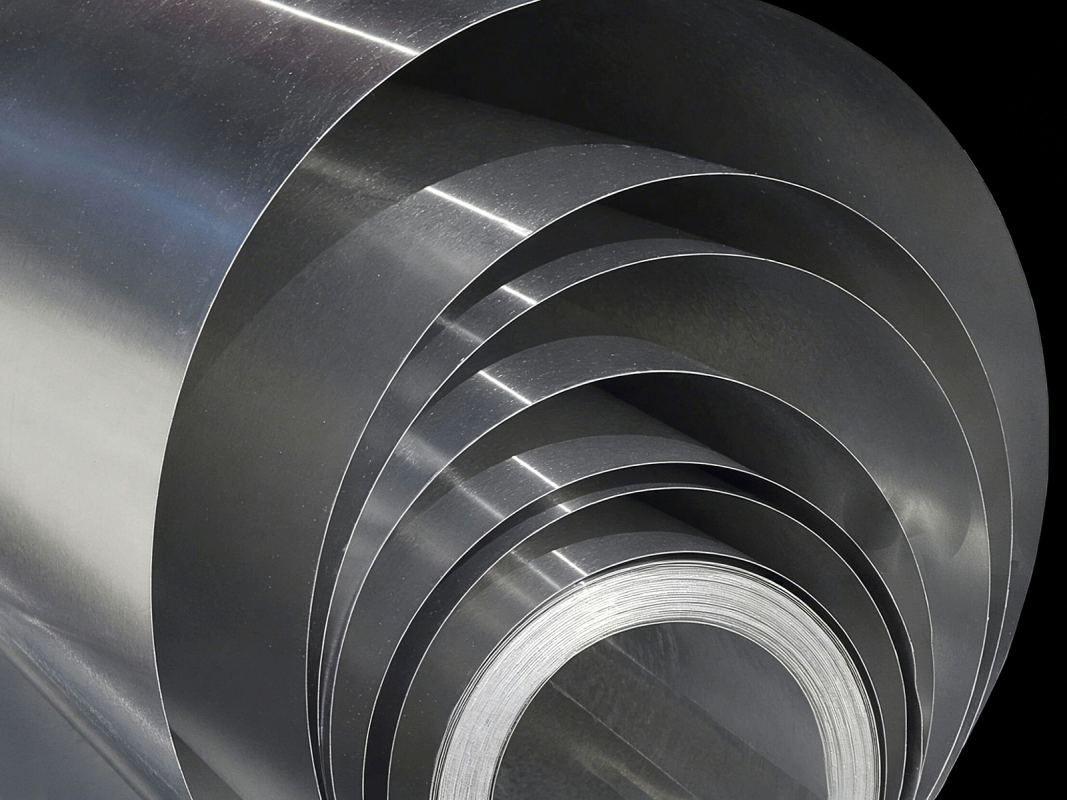
Which Is Better for High-Temperature Applications: Zr702 Zirconium or Pure Titanium Foil?

In high-temperature corrosive environments, material selection directly affects equipment life and o...
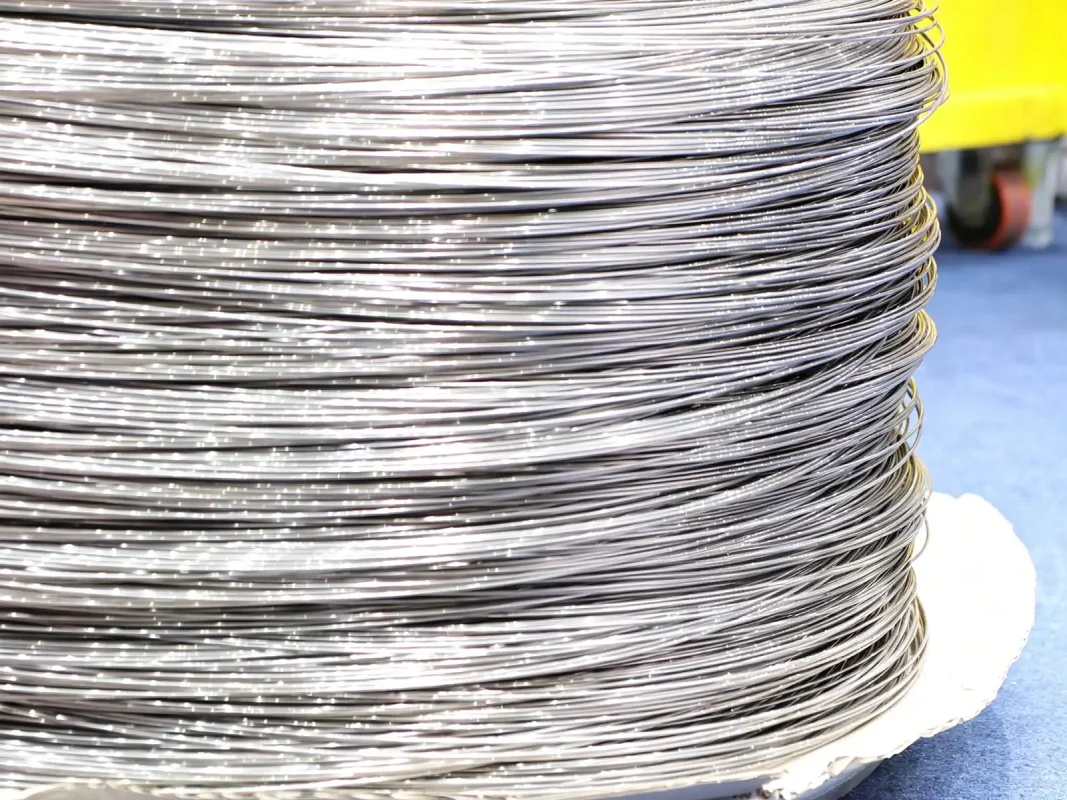
Why Has Nickel 200 Wire Become a Standard Material for Vacuum Electronic Components?
Nickel 200 Wire has become a widely recognized material of choice in the field of vacuum electronic ...
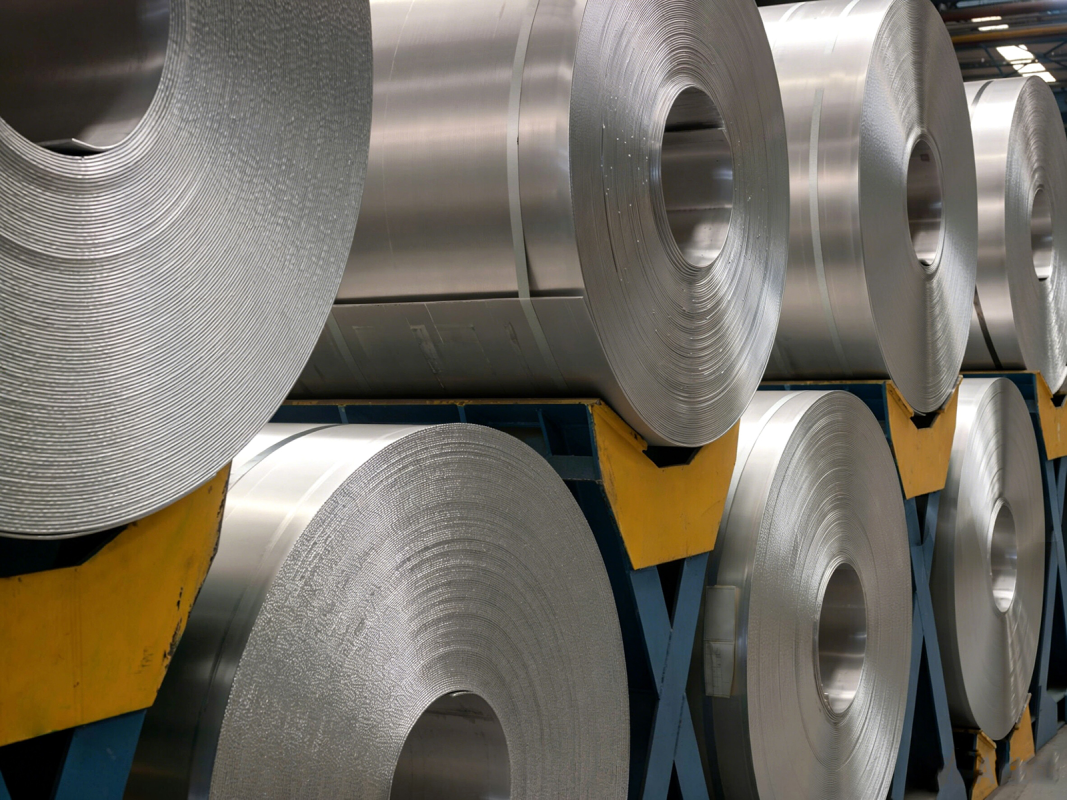
How Is Nickel 200 Foil Used in Chemical Processing?
Nickel 200 Foil has become an indispensable key material in the chemical industry with its high puri...

How Should UNS R60702 Zirconium Foil Thickness Be Specified?
UNS R60702 zirconium foil is a commercially pure zirconium product used where seal reliability and l...
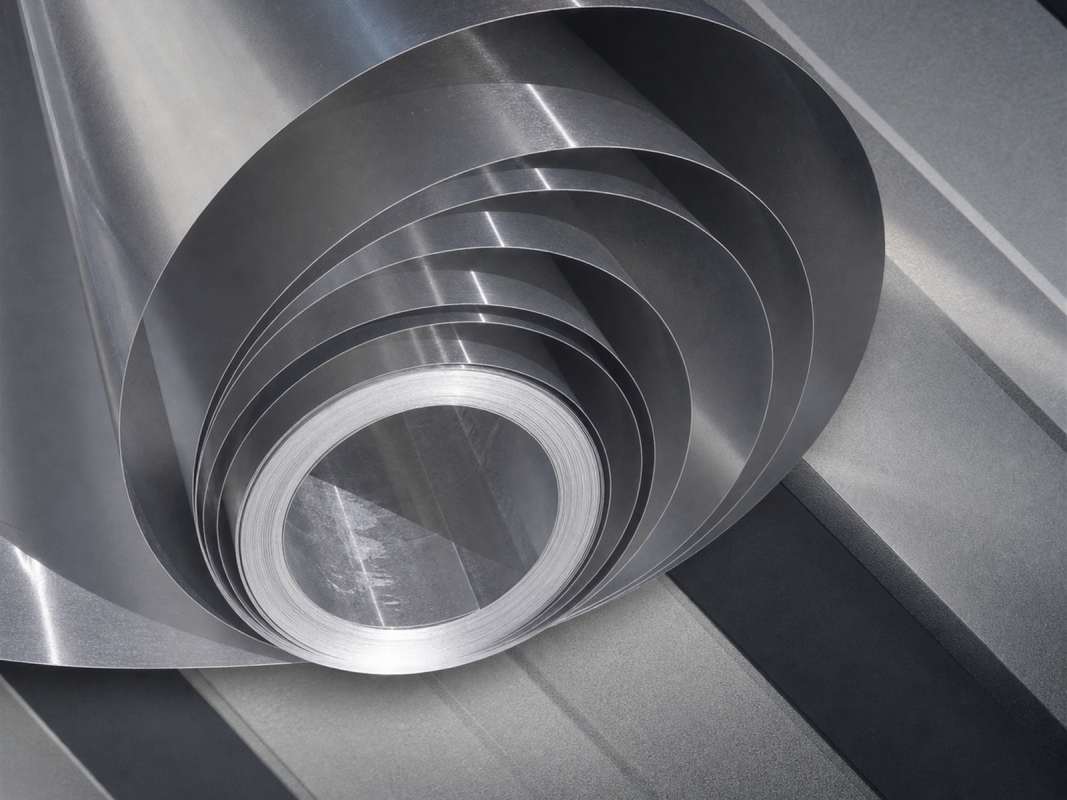
What Value Does Zr702 Zirconium Foil Provide in Strong Acid Corrosion Environments?
When chemical equipment is exposed to hydrochloric acid, dilute sulfuric acid, and other aggressive ...
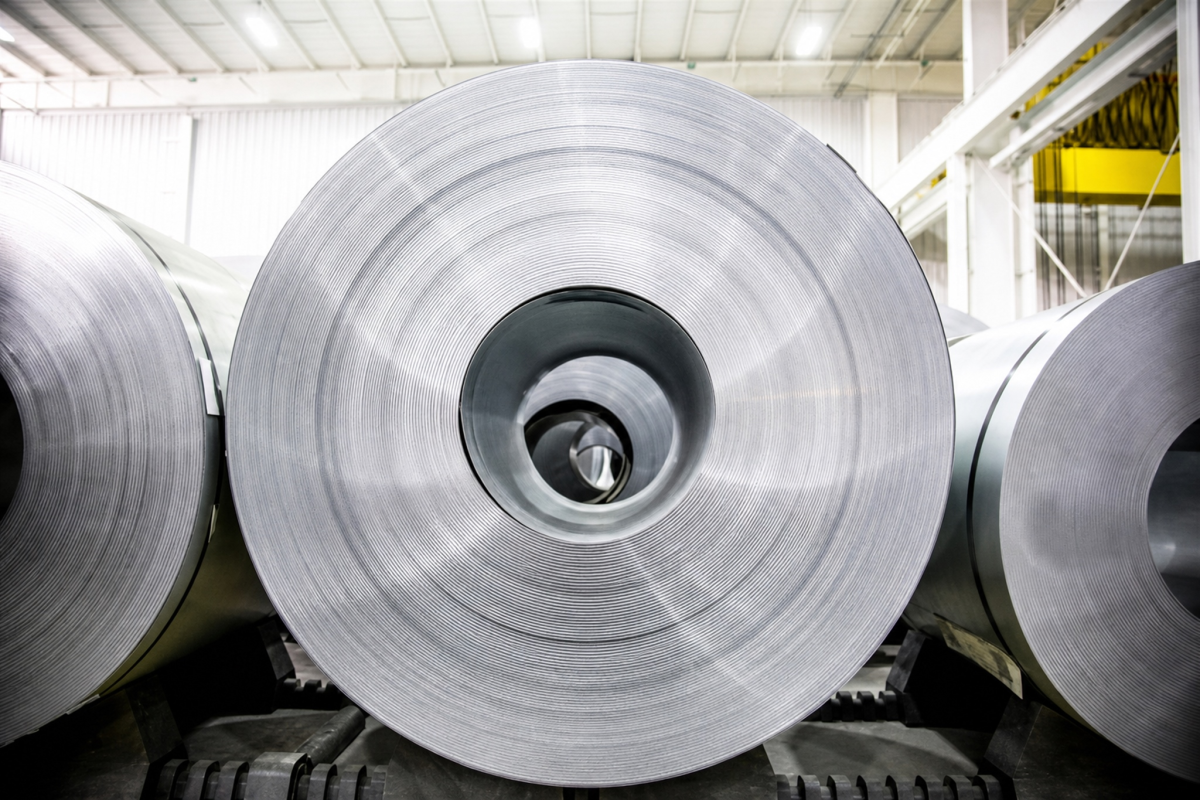
Why Is Ti-15V-3Al-3Cr-3Sn Titanium Foil Suitable for Aerospace Applications?
Ti-15V-3Al-3Cr-3Sn titanium foil is used in aerospace applications because it offers a practical two...
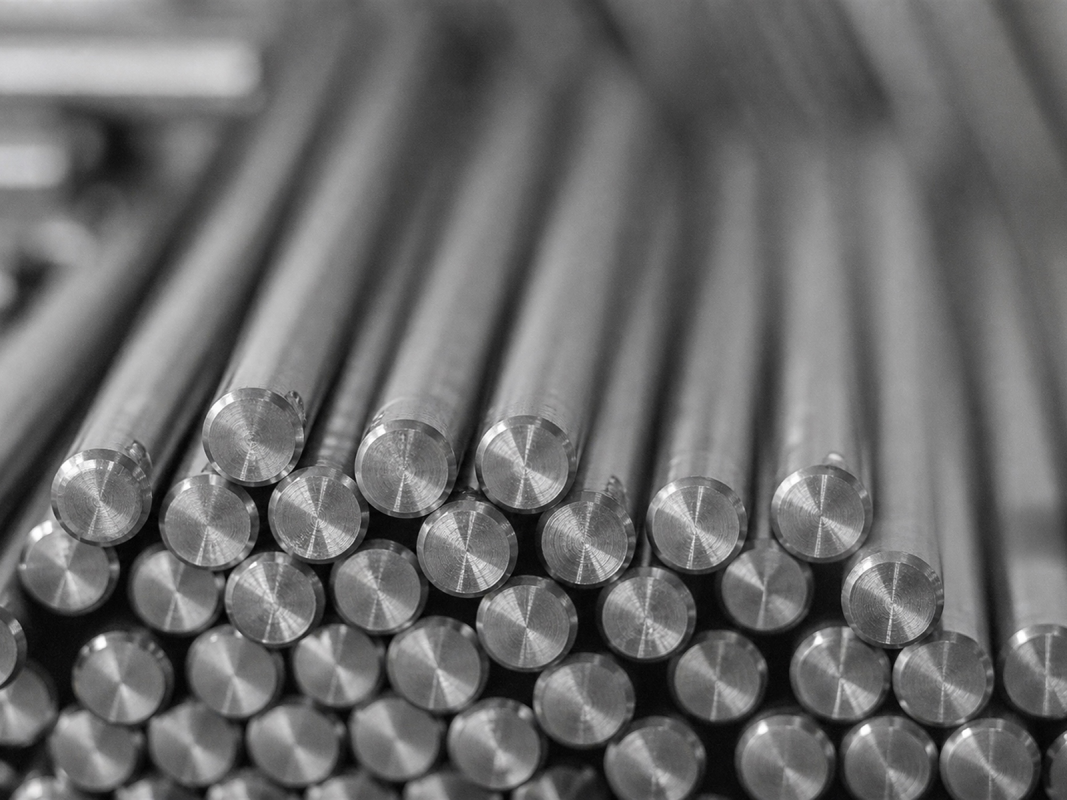
Why Is Gr4 Titanium Bar Used for Industrial Corrosion Resistance and Precision Manufacturing?
In industrial applications that require corrosion resistance, precision machining, and compatibility...

What Makes Ti-15V-3Al-3Cr-3Sn Titanium Foil Important for Aerospace and Precision Manufacturing?
Ti-15V-3Al-3Cr-3Sn titanium foil is a representative near-beta titanium alloy product for high-end m...
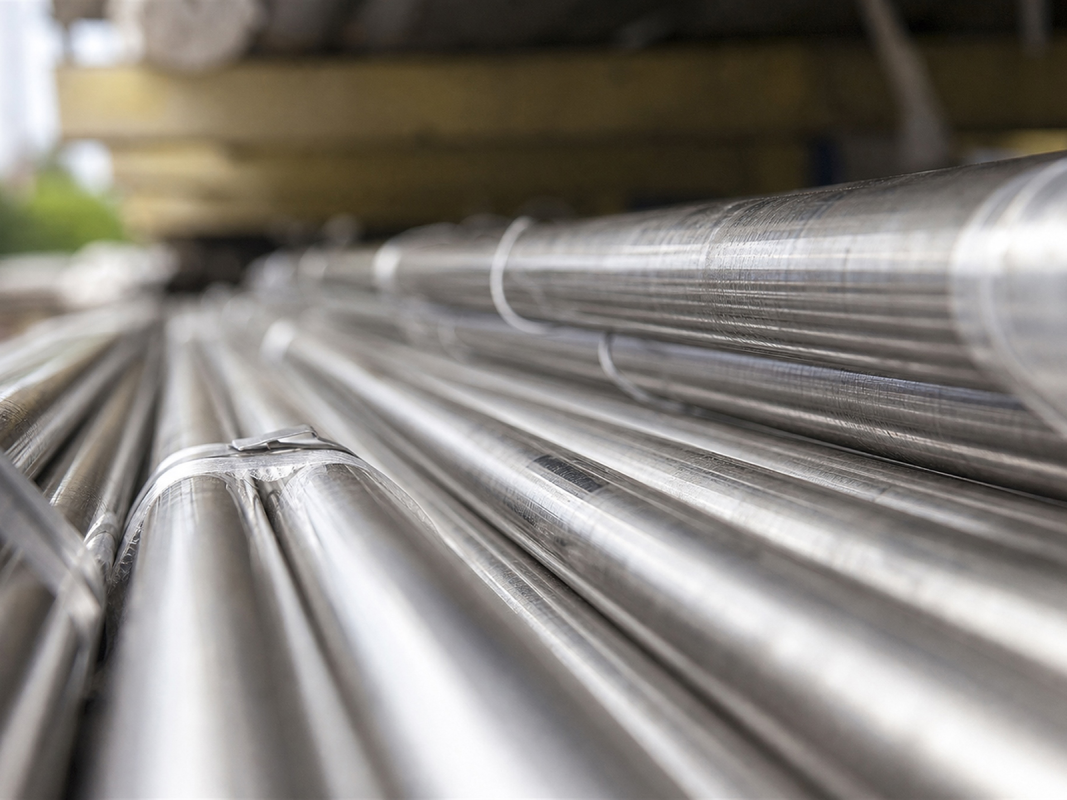
How Does TB13 Titanium Alloy Bar Combine Superelasticity and Lightweight Design?
TB13 titanium alloy bar is a near-beta titanium alloy developed for applications that require lightw...
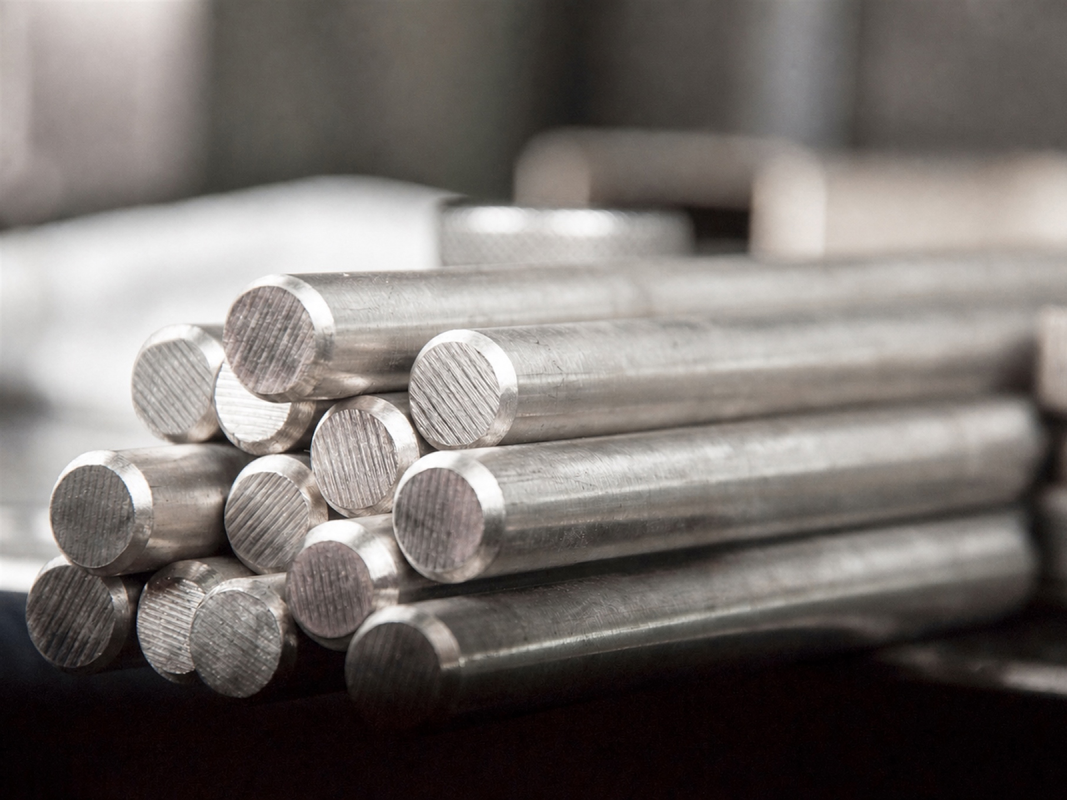
Why Is Gr5 Titanium Rod the Key Material for High-End Manufacturing Applications?
In the global shift toward advanced manufacturing, material choice has become a core factor in compe...