
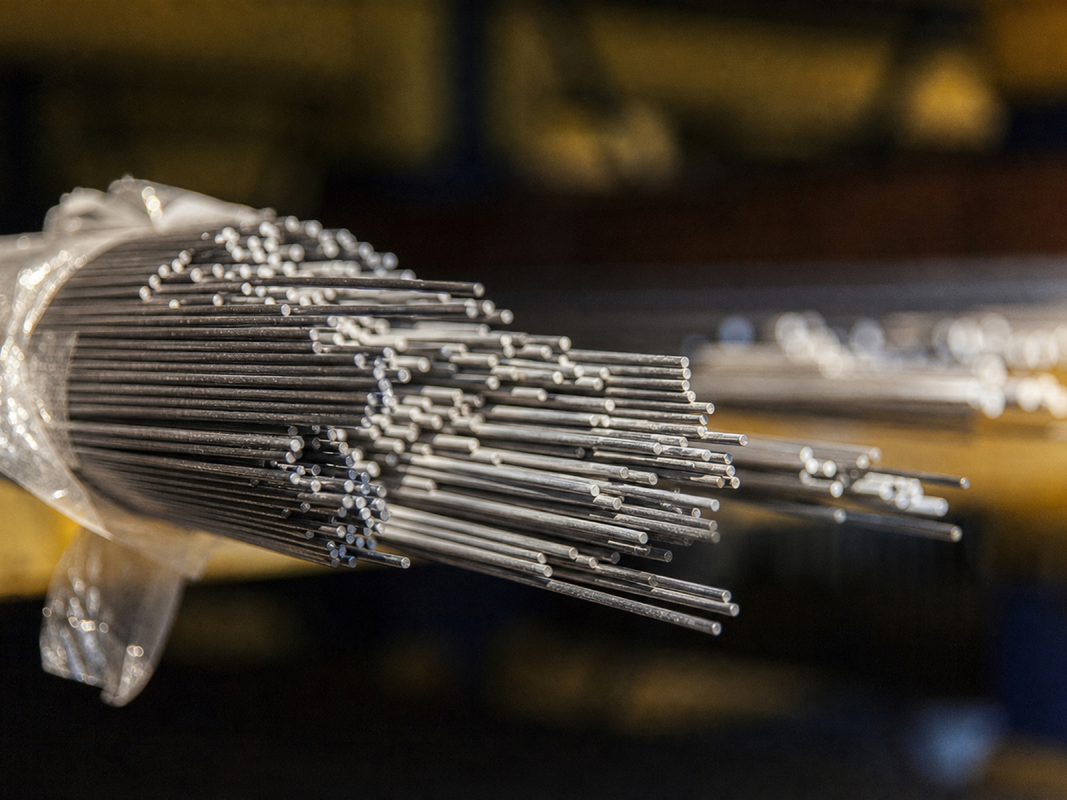
How to Overcome Tool Built-Up Edge Problems When Machining Ni200 Nickel Bars?

Ni200 nickel bars (industrial-grade pure nickel) frequently exhibit tool built-up edge (BUE) during ...
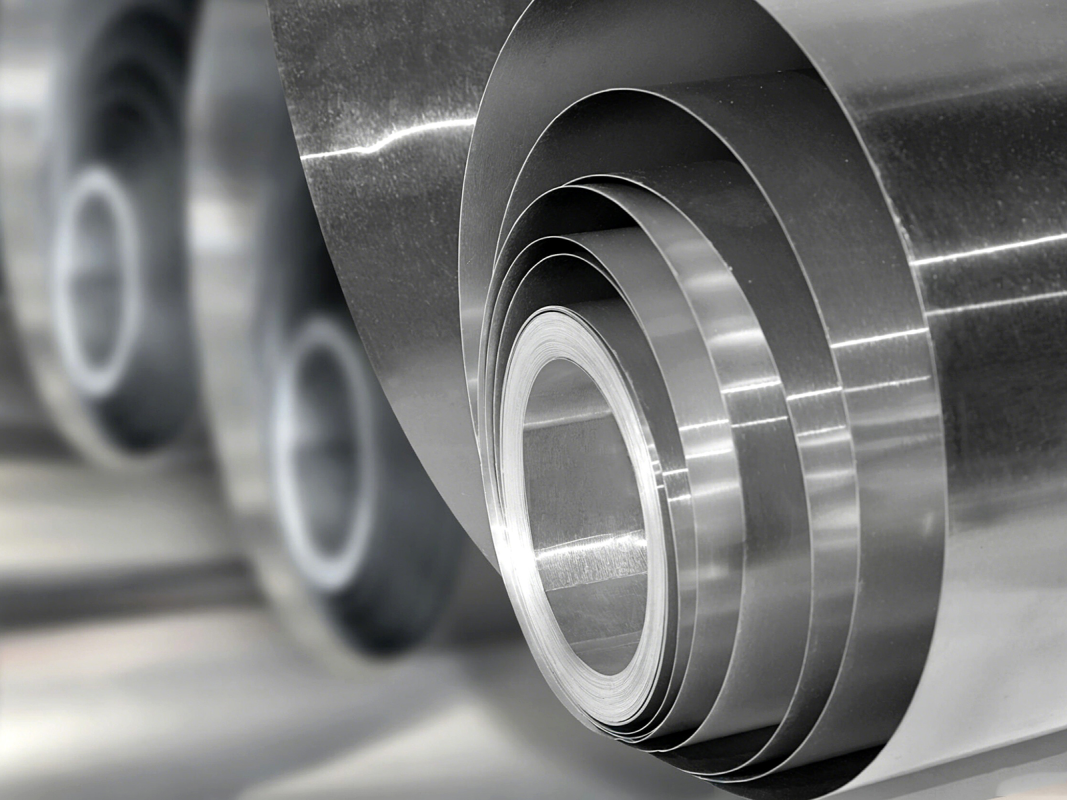
Nickel 200 vs Nickel 201 Foil: Key Differences and Selection Guide
Compare Nickel 200 and Nickel 201 foil by grade, ASTM reference, thickness, condition, service environment, fabrication route and RFQ evidence.
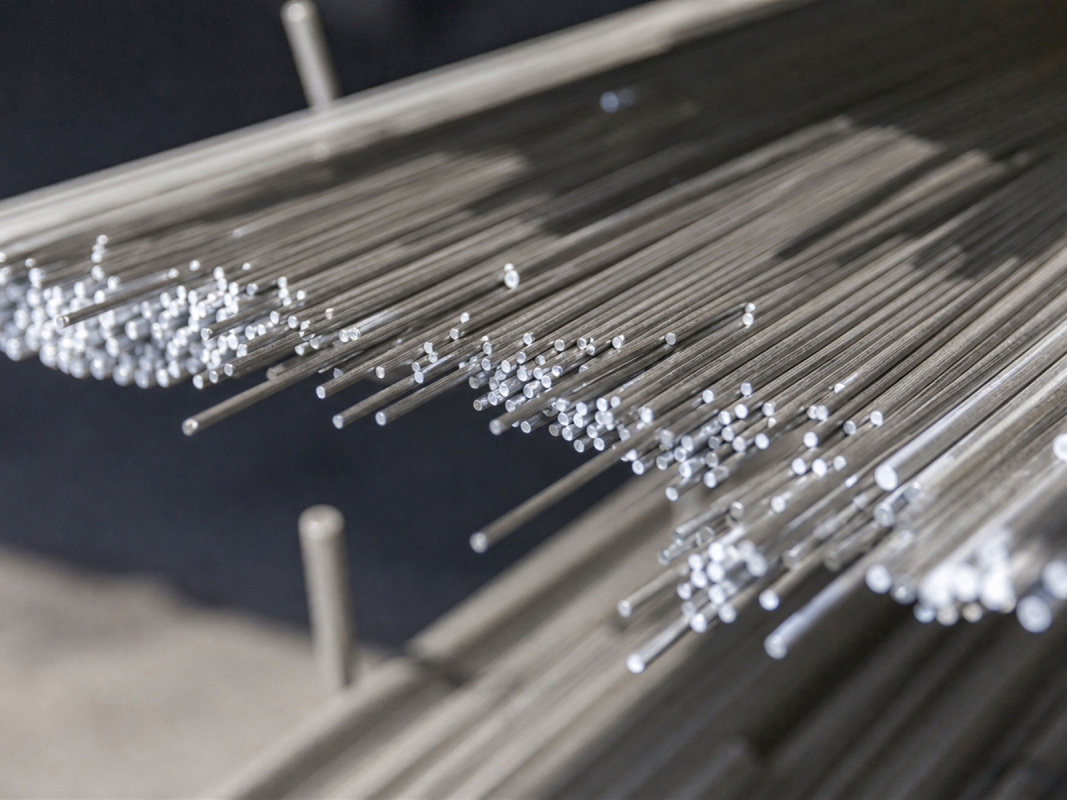
Applications of TB13 Titanium Alloy Bars in Next-Generation Military Industry
TB13 titanium alloy (~Ti-10Nb-2.5Mo), a novel beta-type titanium alloy, demonstrates significant app...

Understanding Grade 4 Titanium Foil Composition Strength and Applications
Cluster link: For the grade-level overview, see Grade 4 titanium overview.Grade 4 (Gr4) titanium foi...

UNS R60705 Zirconium Wire: Standards and Procurement Guide
UNS R60705 identifies a zirconium–niobium alloy that can be specified in wire form for an agree...
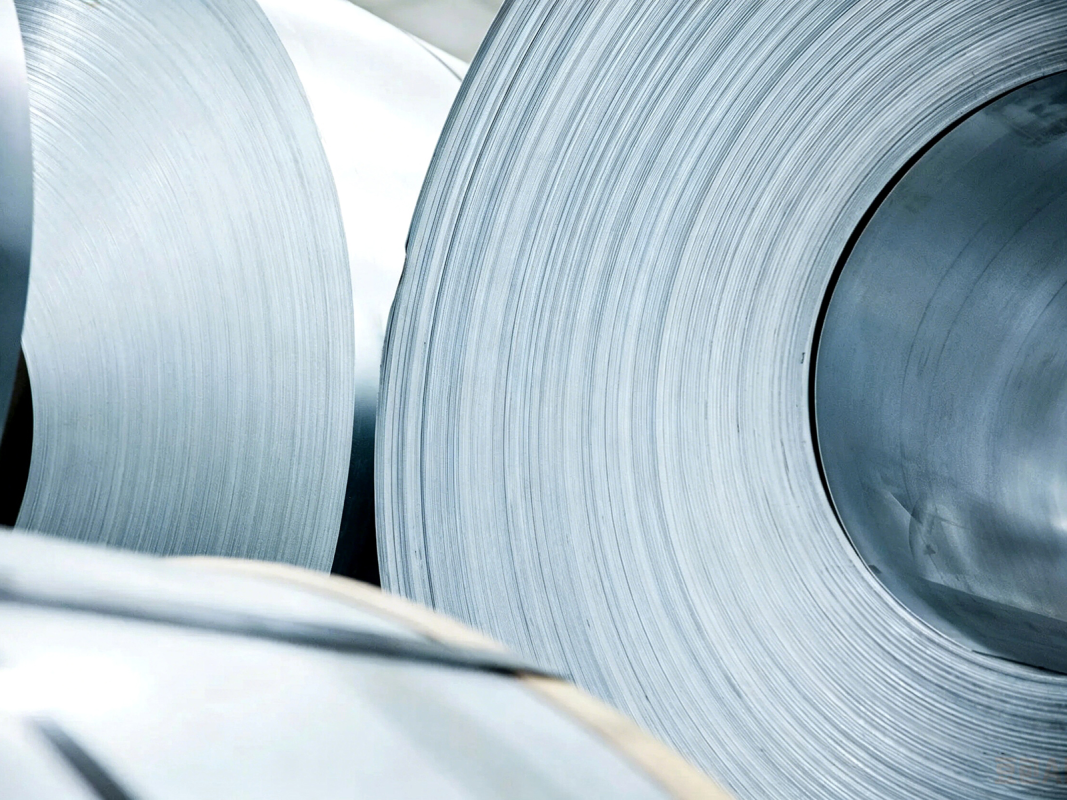
What Are the Characteristics of UNS R60702 Foil?
UNS R60702 (corresponding to Nickel 200) foil is a high-purity, commercially pure nickel material wi...

What Are the Differences Between ASTM B160 Nickel Bars and Other Specifications?
As a globally recognized forging pure nickel bar standard, ASTM B160 differs from other specificatio...

What Are the Main Advantages of Gr4 Titanium Foil in Industrial Applications?
Cluster link: For the grade-level overview, see Grade 4 titanium overview.Gr4 titanium foil (Grade 4...
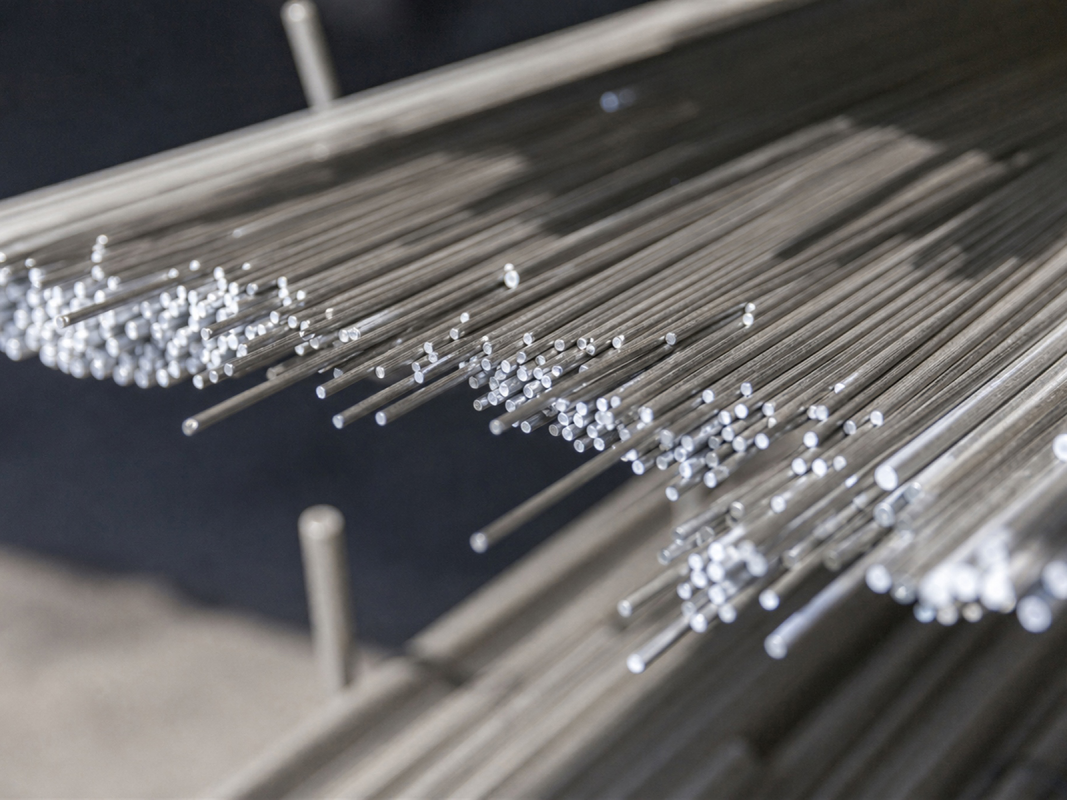
What Are the Quality Standards for Gr5 Titanium Bars?
1. Introduction
Gr5 titanium bars (Ti-6Al-4V), as the most widely applied titanium alloy material g...
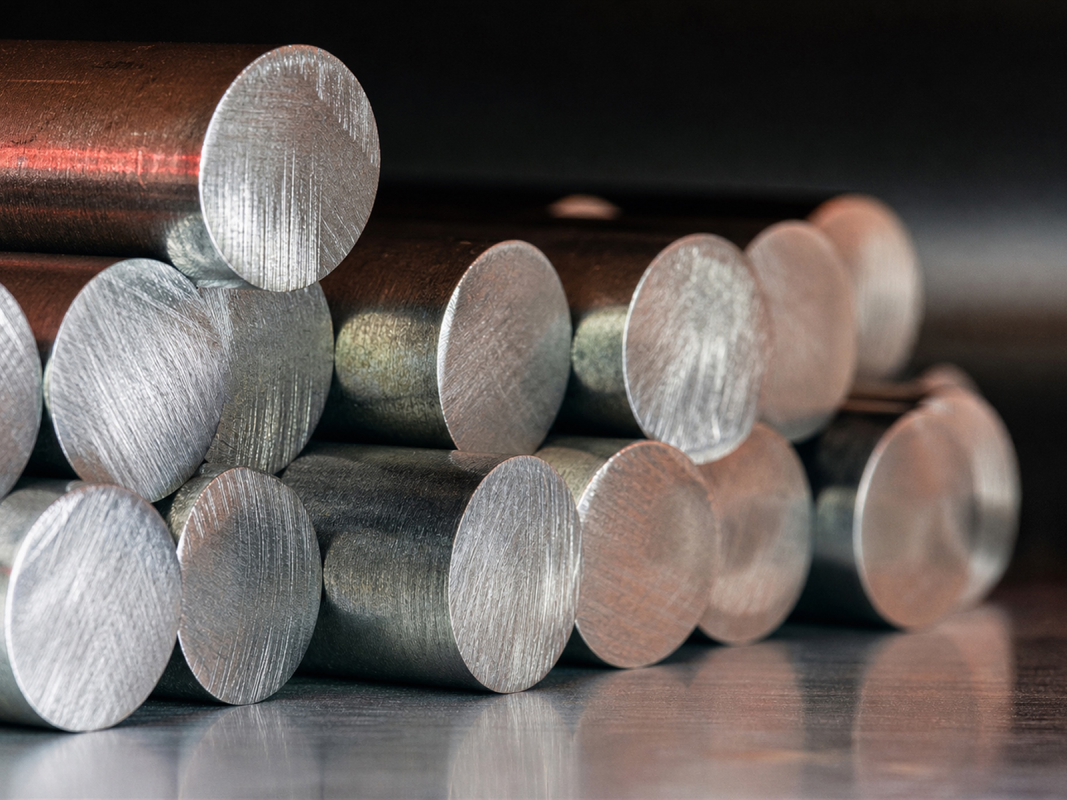
What Are the Specific Medical Applications of Gr1 Titanium Bars?
Gr1 titanium bar in medical-device manufacturing. Grade 1 / UNS R50250 is an unalloyed titanium...