
Black Zirconium Sheet: Surface Finish and Ordering Guide
- Black Zirconium Sheet
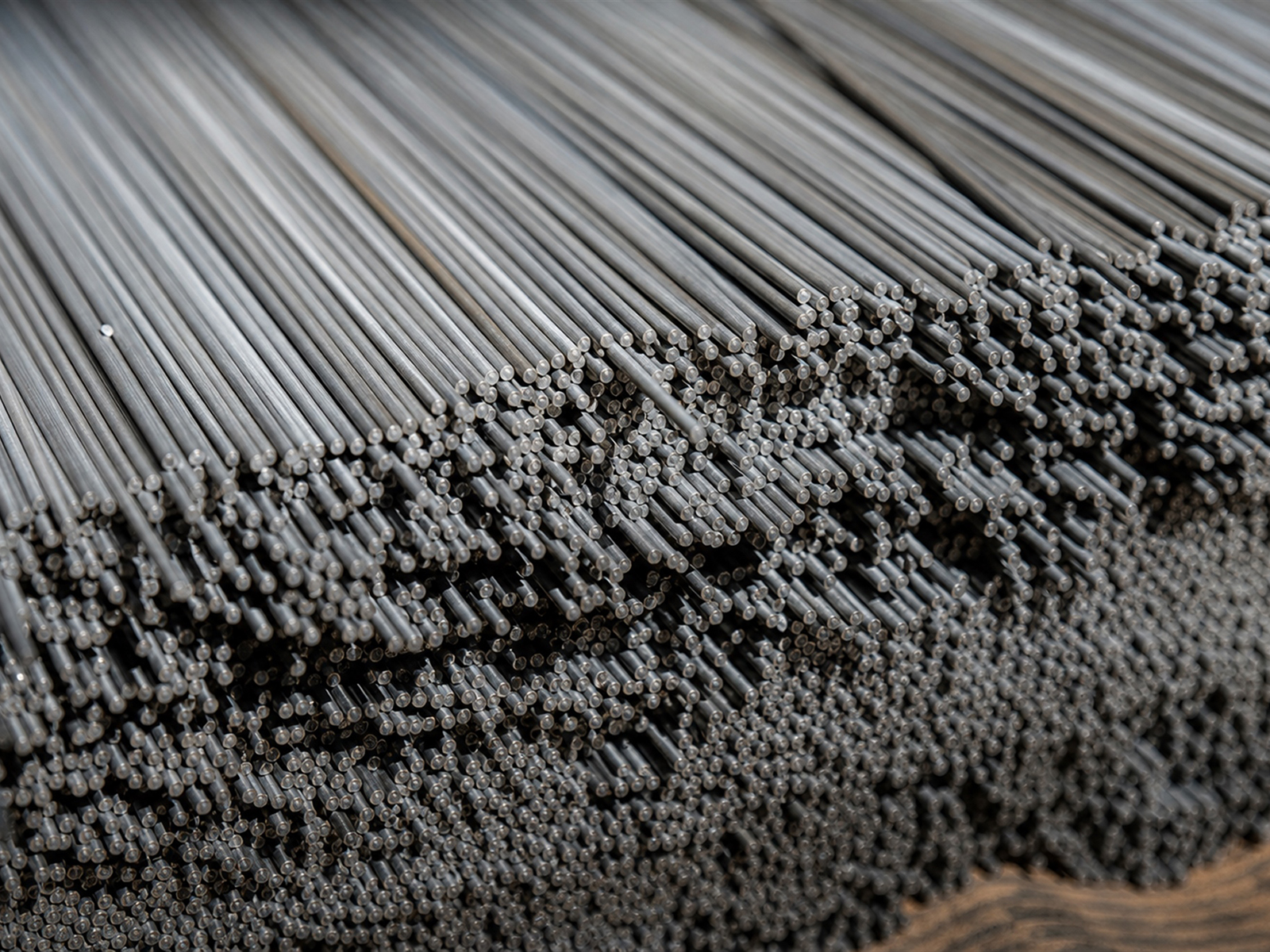
Black zirconium sheet combines a zirconium substrate with an oxidized surface. Specify the substrate separately from the appearance treatment and agree how the finished sheet will be formed, handled and inspected.
1. Selection and Acceptance Decisions
- Confirm whether the quotation covers untreated zirconium sheet or the finished black surface.
- Approve a physical sample and describe visible marks, color variation and protected faces.
- Agree whether cutting and forming happen before or after treatment and how exposed edges are handled.
Send a specification for this material with the grade, dimensions, quantity, intended use and the acceptance details listed above. Ask for confirmation of the quoted size, condition and documentation.
2. How the Black Surface Is Made
Zirconium is heat-treated in a controlled oxidizing atmosphere so oxygen diffuses into the surface and grows a dense ZrO₂ layer. Because the oxide grows inward and outward with strong adhesion to the metal, the finish does not peel or flake like a coating: it is the metal, oxidized. Thickness, uniformity and color are controlled by temperature, time and atmosphere — the same variables a supplier must document when you order.
3. Properties That Come With the Oxide
Property | Metal (Zr702-class) | Oxidized surface |
Hardness | ≈ 160 HV | ≈ 1, 200 HV class |
Appearance | Silvery | Deep black |
Wear behavior | Galling-prone in sliding contact | Ceramic wear surface |
Corrosion | ZrO₂ passive film, reducing-acid resistant | Thicker oxide, same chemistry |
Table 1 — What thermal oxidation changes, and what it does not.
Where Black Zirconium Sheet Is Used
- Orthopedic implants — oxidized-zirconium femoral components: the ceramic surface replaces cobalt-chrome articulation for lower wear against polyethylene;
- Jewelry and watches — black zirconium rings and case parts: lightweight, hypoallergenic, scratch-resistant, and the oxide never chips like plating;
- Aesthetic industrial parts — black, durable, corrosion-resistant trim and instrument components.
4. Ordering Notes
Specify: base grade (Zr702-class chemistry), sheet gauge and width, the oxidation requirement (color target, oxide thickness class), and the acceptance criteria — visual uniformity plus thickness/metallographic checks where the surface is functional. Because the oxide is grown at temperature, state dimensional tolerances after oxidation, not before. Custom size, condition, tolerance and documentation can be reviewed to the purchase specification.
FAQ
(1) Is black zirconium a coating?
No — the black layer is zirconium oxide grown from the metal itself by thermal oxidation, so it bonds to the substrate and does not chip like plating or paint.
(2) Is black zirconium sheet corrosion resistant?
Yes — the base metal keeps Zr702-class reducing-acid resistance, and the thicker oxide adds surface hardness and wear resistance. Fluoride media attack it like any zirconium.
(3) Why is oxidized zirconium used in implants?
The ceramic surface lowers wear against polyethylene in joint articulation while the zirconium core stays tough and ductile — a ceramic-metal hybrid made from one piece of metal.
(4) Can the black surface be scratched?
It resists ordinary scratching far better than the bare metal (~1, 200 HV vs ~160 HV), but like any ceramic it can chip under point impact; specify thickness class for functional surfaces.
(5) What thicknesses are available?
Sheet gauges follow the supplier’s Zr702 program; dimensions are confirmed after oxidation at order review. Custom size, condition, tolerance and documentation can be reviewed to the purchase specification.
Related Resources and Inquiry
See the zirconium plate category or send your specification including the oxidation requirement.
Baoji Titanium Valley Titanium Nickel Zirconium Material Processing Co., Ltd. produces zirconium foil, strip, sheet and plate per ASTM B551/B551M (R60702 / R60705) from vacuum-melted ingots on a 750 mm 20-high precision rolling line under ISO 9001 / ISO 13485. Send your specification to sales@titaniumvalleys.com — Custom size, condition, tolerance and documentation can be reviewed to the purchase specification.
5. Related Reading
- Zirconium 702 Sheet: Flatness and Forming Acceptance
- Zirconium Alloy Sheet Supplier: Flatness, Surface and RFQ
References
1. ASTM B551/B551M, Standard Specification for Zirconium and Zirconium Alloy Strip, Sheet, and Plate.
2. GB/T 21183, Zirconium and Zirconium Alloy Sheet, Strip and Foil.
This article is a technical reference. It does not constitute a commercial offer; dimensions, tolerances and documentation are confirmed at order review.
Published by: Titanium Valley Technical Team. Technical and quality review: pending.