
Beta Titanium Wire: Choosing an Alloy for the Part
- Beta Titanium Wire
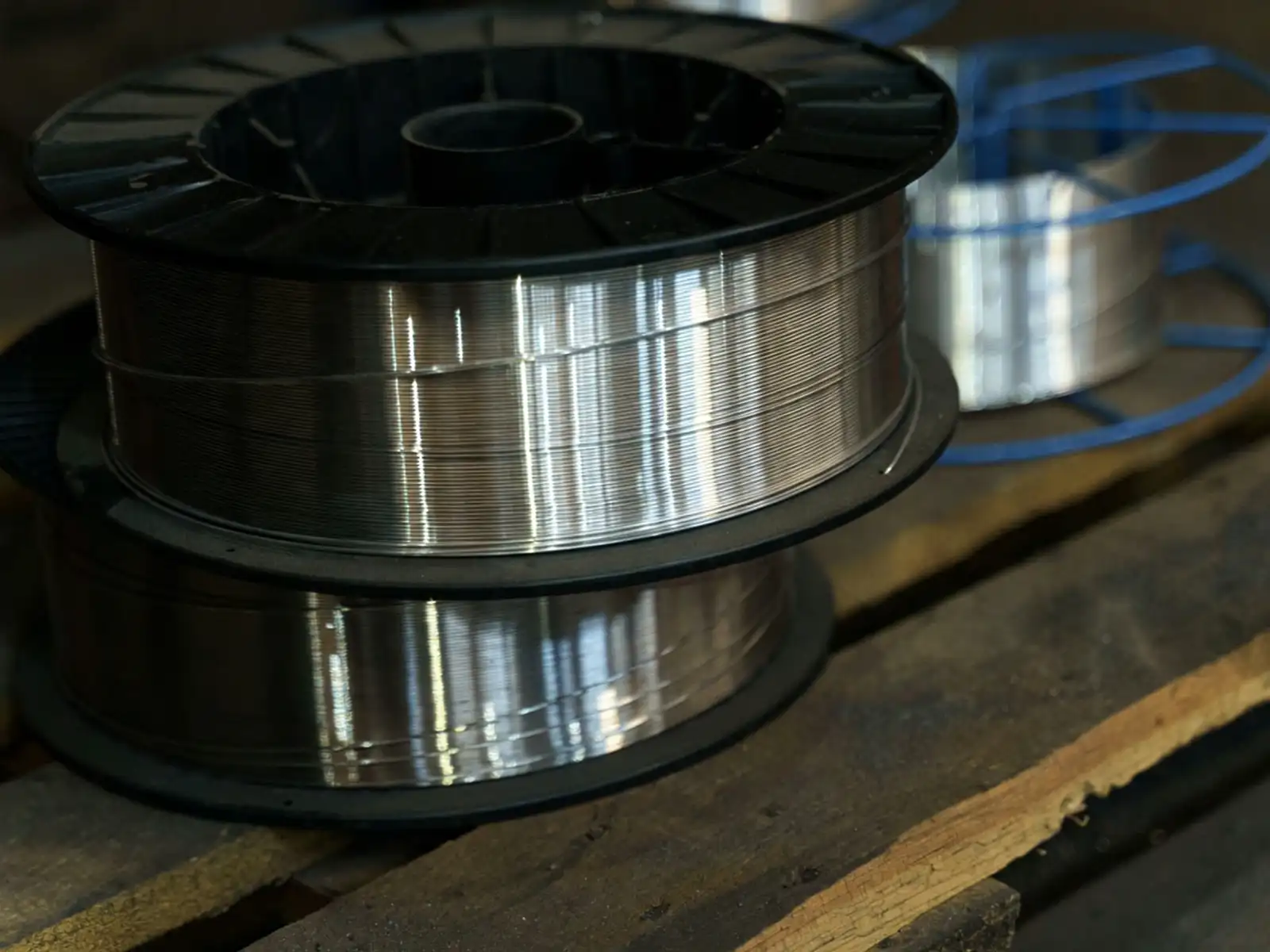
Beta titanium wire covers multiple alloy systems and delivery conditions. Compare candidate alloys using the forming sequence, finished-part loading and any planned heat treatment before choosing wire for a spring or formed component.
1. Selection and Acceptance Decisions
- Identify the exact alloy designation rather than ordering only beta titanium.
- Compare the delivered condition with the condition in which the finished part will be tested.
- For orthodontic or other specialist uses, specify the relevant product and performance requirements separately from the alloy family.
Send a specification for this material with the grade, dimensions, quantity, intended use and the acceptance details listed above. Ask for confirmation of the quoted size, condition and documentation.
2. What Makes an Alloy “Beta”
Ordinary titanium is hexagonal α at room temperature. Adding enough β stabilizers lowers the β-transus so the body-centered-cubic phase survives to ambient temperature. The payoff is exceptional formability in the solution-treated condition (the BCC lattice is soft and highly workable), followed by aging that precipitates fine α and pushes strength up dramatically. No other titanium family cold-works as easily at high strength targets.
3. The Commercial Beta Alloys
Alloy | UNS | Notes |
Ti-15V-3Al-3Cr-3Sn | R58153 | Aerospace strip/wire heritage, spring and fastener stock |
Ti-3Al-8V-6Cr-4Mo-4Zr (Beta C) | R58640 | Oil-and-gas springs, high-strength fasteners |
Ti-15Mo | R58150 | Medical spring wire (F2066 implant practice) |
Table 1 — Beta wire alloys; most wire orders run to purchase specifications with ASTM B863 as the testing framework.
Properties That Define Beta Wire
- Low modulus — roughly 70–85 GPa for many beta alloys, below Ti-6Al-4V’s 110 GPa, for flexible, long-travel springs;
- High elastic energy storage — springs that absorb more work per unit weight than steel or α+β titanium;
- Heat-treatable — solution treat → cold work → age to target strength and springback;
- Formable in the soft state — cold heading and winding before aging.
Applications
- Aerospace springs and fasteners — landing gear, actuator and engine springs;
- Oil and gas — Beta C downhole springs and hardware in sour service (NACE framework);
- Orthodontics — β-titanium (TMA) archwires: the force-deflection sweet spot between stainless steel and Nitinol;
- Medical devices — Ti-15Mo spring wire and implant components per F2066 practice;
- Consumer — eyeglass hinges, golf and bicycle hardware.
4. Ordering Beta Wire
Because beta wire is largely purchase-specification material, the order must fix: exact alloy and UNS; diameter and tolerance; condition (solution treated / cold-worked / aged) with the mechanical targets; standard framework (ASTM B863 testing, AWS A5.16 if used as filler); and documentation. Custom size, condition, tolerance and documentation can be reviewed to the purchase specification.
FAQ
(1) What is the difference between beta and alpha-beta titanium wire?
Beta wire is BCC in the delivered state — soft and formable before aging, then aged to high strength with low modulus. Alpha-beta wire (Ti-6Al-4V) is stronger in the annealed state but stiffer and harder to form.
(2) What is TMA orthodontic wire?
Beta titanium archwire: lower stiffness than stainless steel, better formability than Nitinol, and hysteresis-free force delivery — the middle option orthodontists choose for finishing stages.
(3) Can beta wire be welded?
Yes, with the same inert-gas discipline as other titanium, but confirm filler and post-weld aging with the material standard — beta alloys respond differently to thermal cycles than α+β grades.
(4) Which standard governs beta titanium wire?
Most beta wire runs to purchase specifications using ASTM B863 as the test framework; Ti-15Mo medical product follows ASTM F2066 practice. Custom size, condition, tolerance and documentation can be reviewed to the purchase specification.
(5) Why is beta wire favored for springs?
Low modulus plus age-hardening response maximizes stored elastic energy per kilogram — lighter springs with longer travel than steel or α+β titanium.
Related Resources and Inquiry
See the titanium wire category or send your specification for a beta wire review.
Baoji Titanium Valley Titanium Nickel Zirconium Material Processing Co., Ltd. produces titanium wire and welding wire per ASTM B863 / AWS A5.16 from a dedicated drawing line, from fine wire to welding filler on spools, under ISO 9001 / ISO 13485. Send your specification to sales@titaniumvalleys.com — Custom size, condition, tolerance and documentation can be reviewed to the purchase specification.
5. Related Reading
- Beta Titanium Wire Specifications: Alloys, Conditions and RFQ
- Titanium Alloy Wire: Grades by Forming and End Use
References
1. ASTM B863, Standard Specification for Titanium and Titanium Alloy Wire.
2. ASTM E8/E8M, Standard Test Methods for Tension Testing of Metallic Materials.
3. NACE MR0175/ISO 15156, Petroleum and Natural Gas Industries — Materials for Use in H₂S-Containing Environments.
This article is a technical reference. It does not constitute a commercial offer; dimensions, tolerances and documentation are confirmed at order review.
Published by: Titanium Valley Technical Team. Technical and quality review: pending.