
Why Is TB13 Titanium Rod Material Guide, Composition, Properties, and Applications Important?
- TB13 Titanium Alloy
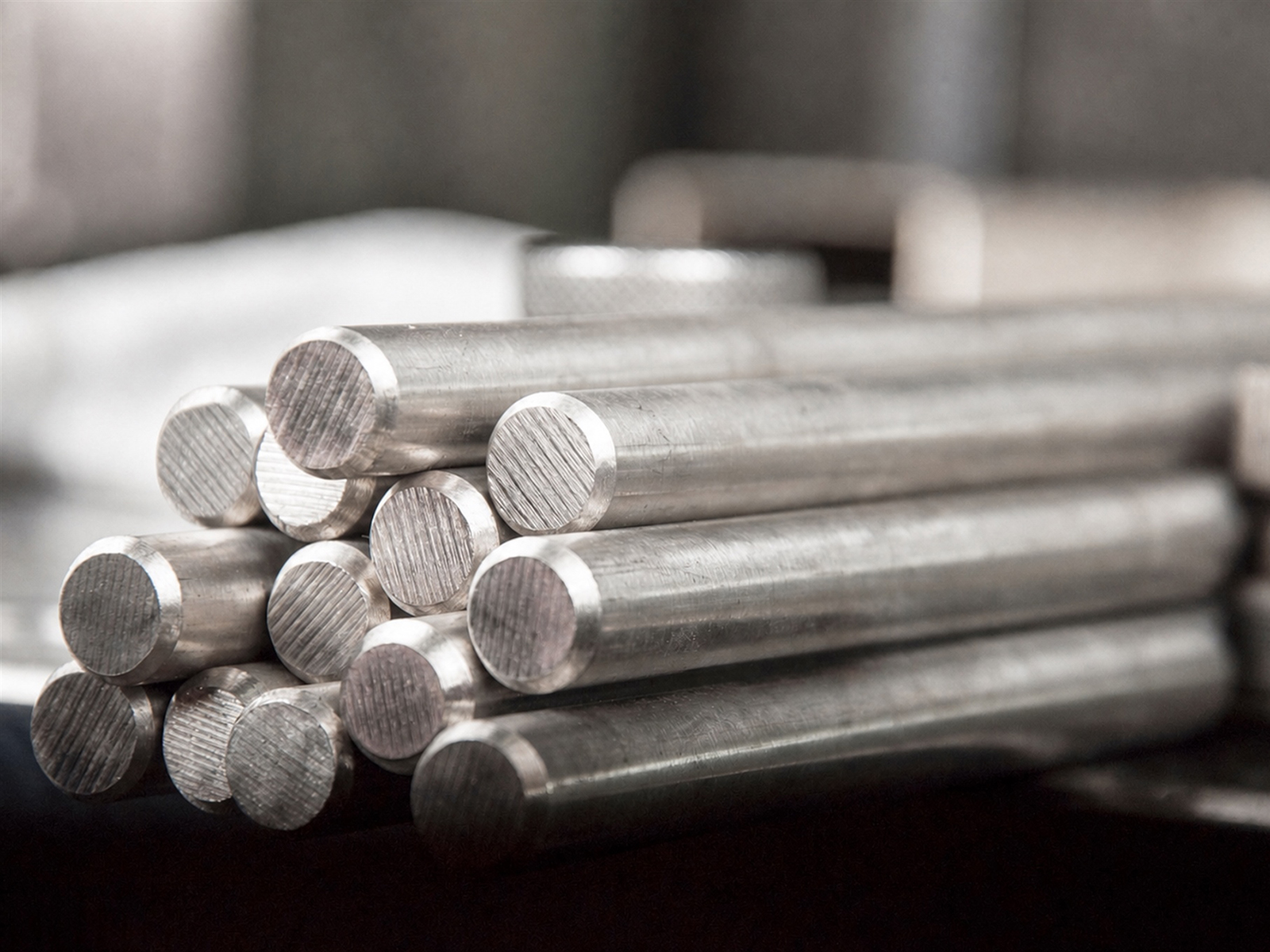
TB13 titanium rod is a near-β type titanium alloy rod independently developed in China, composed of the Ti-4Al-22V system, featuring outstanding properties such as superelastic memory, lightweight, corrosion resistance, and nickel-free allergy prevention. This material is manufactured through vacuum self-consumption melting, precision cold working, and heat treatment processes, and is widely used in high-end eyeglass frames, medical devices, precision elastic components, and aerospace structural parts. Compared with traditional stainless steel and ordinary titanium alloys, TB13 titanium rod can achieve up to 80% cold working deformation, has a lower elastic modulus, better fatigue resistance, and maintains excellent biocompatibility. For precision manufacturing fields pursuing lightweight design, high rebound performance, and long-term stability, TB13 titanium alloy rod provides an ideal material choice, helping products achieve differentiated competition and brand premium.
1. What Should You Know About Chemical Composition and Microstructure of TB13 Titanium Alloy?
(1) What Should You Know About Core Alloy Element Ratio?
TB13 titanium alloy uses a titanium-based system, with aluminum content controlled within the range of 3.0%-4.5% and vanadium content at 20.0%-23.0%. Aluminum, as an α-stabilizing element, enhances the material’s room temperature strength; vanadium, as a β-stabilizing element, maintains a single β-phase structure in the alloy at room temperature, giving the material excellent cold working properties. This precise element composition ensures that the material has sufficient strength while maintaining excellent plastic deformation capability. Impurity elements are strictly controlled: iron content does not exceed 0.20%, carbon does not exceed 0.10%, nitrogen does not exceed 0.05%, hydrogen does not exceed 0.015%, and oxygen does not exceed 0.20%. These limitations ensure the purity and stability of the material.
(2) Why Is the Unique Advantages of the Β-phase Structure Important?
TB13 titanium rods exhibit a single β-phase structure at room temperature. This body-centered cubic crystal structure gives the material a low elastic modulus (about 60-70 GPa) and high resilience. Compared with α-β dual-phase titanium alloys, β titanium alloys have more slip systems and easier dislocation movement, so they resist cold working deformation less and can withstand large deformations without cracking. After solution treatment, the internal stress of the material is fully released and the grains are uniformly refined, creating ideal conditions for subsequent precision forming and complex structure processing.
(3) What Should You Know About Regulation of Performance by Heat Treatment?
Through solution treatment and aging heat treatment, the mechanical properties of TB13 titanium rods can be adjusted over a wide range. Solution treatment (usually heating and holding in the β phase region followed by rapid cooling) can produce a supersaturated β phase, at which point the material has optimal plasticity, suitable for cold bending and precision machining. Aging treatment precipitates fine α phase, strengthening the matrix and significantly improving tensile strength and yield strength. This heat treatment responsiveness allows manufacturers to flexibly customize the strength-toughness balance of the material according to specific application requirements, meeting diverse needs from elastic components to high-strength structural parts.
2. What Should You Know About Core Performance Characteristics of TB13 Titanium Rod?
(1) What Should You Know About Super-elastic Memory and Anti-deformation Ability?
TB13 titanium alloy exhibits outstanding superelasticity, capable of withstanding repeated bending without permanent deformation or breakage. This characteristic comes from its low elastic modulus and high elastic strain limit, allowing the material to automatically return to its original shape after being stressed and deformed. Eyeglass frame manufacturers particularly value this feature because frames frequently undergo bending and twisting in daily use, and TB13 material maintains long-term shape stability, significantly reducing after-sales repair rates. Similarly, precision spring clamps, medical orthodontic wires, and other components that need to retain elasticity over time benefit greatly from TB13’s superelastic memory properties.
(2) What Should You Know About Lightweight and Strength-to-weight Ratio?
The density of TB13 titanium rod is about 4.5 g/cm³, only around 60% of that of stainless steel. Combined with its high-strength characteristics, its specific strength (strength-to-density ratio) far surpasses traditional metal materials. In aerospace structural components, high-end wearable devices, and precision instruments, reducing every gram of weight means improved performance and better user experience. For eyeglass manufacturing, lightweight frames reduce pressure on the nose and ears; for medical instruments, lightweight tools reduce fatigue for medical staff; for smart wearable products, weight reduction directly enhances comfort and battery life.
(3) What Should You Know About Corrosion Resistance and Environmental Adaptability?
The surface of the titanium alloy naturally forms a dense oxide layer, giving TB13 titanium rods excellent corrosion resistance. The material can withstand corrosion from sweat, salt spray, seawater, acidic and alkaline solutions, and other corrosive media, maintaining stable performance for a long time in harsh environments such as marine engineering, chemical equipment, and outdoor sports gear. Compared with easily rusting carbon steel and copper alloys that are prone to oxidation and discoloration, TB13 titanium rods have a service life several times longer in humid and high-salinity environments, significantly reducing maintenance costs. They are especially suitable for precision connectors and fasteners that need to be exposed to corrosive environments for extended periods.
(4) What Should You Know About Biocompatibility and Non-Magnetic Properties?
TB13 titanium alloy does not contain nickel, eliminating the risk of nickel allergies, and has excellent biocompatibility, meeting the requirements of medical-grade materials. This allows TB13 titanium rods to be safely used in products that come into long-term contact with the skin, such as eyeglass frames, watch bands, jewelry, and medical implants. The non-magnetic characteristics of the material are equally important, as they do not interfere with precision instruments, electronic devices, or MRI equipment, allowing for unobstructed use in medical diagnostic environments, electronic manufacturing workshops, and scientific laboratories, thereby expanding the range of application scenarios.
3. What Should You Know About Manufacturing Process and Quality Control of TB13 Titanium Rods?
(1) What Should You Know About Vacuum Melting and Billet Preparation?
The production of TB13 titanium bars begins with vacuum consumable arc melting (VAR), where the pre-proportioned raw materials are melted and solidified into ingots under a high vacuum environment through arc heating. This process effectively removes gaseous impurities, prevents hydrogen embrittlement and oxidation, and ensures alloy purity. The ingots undergo forging and primary breakdown, breaking up columnar crystals, refining grains, and improving structural uniformity. The forging process strictly controls temperature and deformation to avoid overheating and cracking, laying a high-quality foundation for subsequent rolling.
(2) What Should You Know About Precision Rolling and Cold Forming?
Through hot rolling and cold drawing processes, billets are processed into various specifications of round bars, square bars, and hexagonal bars. Advanced equipment such as the Italian Danieli rolling production line ensures dimensional accuracy and surface quality. During cold processing, TB13 titanium bars can withstand up to 80% cold deformation without cracking. This advantage enables manufacturers to produce precision wires down to the micrometer level and bars with complex cross-sections, meeting the stringent requirements of precision elastic components and miniature mechanical parts.
(3) What Should You Know About Heat Treatment and Performance Stabilization?
Heat treatment is a key process in defining the performance of TB13 titanium bars. Solution treatment involves heating in the β-phase region to fully dissolve alloying elements, followed by rapid cooling to lock in the supersaturated solid solution. Aging treatment is performed at a lower temperature to precipitate a finely dispersed strengthening phase, enhancing strength and hardness. Precise control of heat treatment parameters (temperature deviation ± 5℃, time deviation ± 5 minutes) ensures consistency of performance between batches and prevents local soft spots or embrittlement.
(4) What Should You Know About Nondestructive Testing and Quality Certification?
Finished TB13 titanium bars need to undergo strict non-destructive testing, including ultrasonic testing for internal defects, eddy current inspection for surface cracks, and X-ray examination for inclusions. Dimensional tolerances, surface roughness, straightness, and other geometric parameters are verified one by one. Mechanical property tests (tensile, hardness, impact) and chemical composition analysis ensure that the material meets technical specifications. Each batch of products is accompanied by a Material Test Certificate (MTC) that traces the raw material source, production batch number, and test data, providing customers with quality assurance and regulatory compliance certification.
Test items | Testing method | Quality indicators |
Internal defect | Ultrasonic Testing | No equivalent defects ≥ 0.5mm |
Surface crack | Eddy Current/Penetrant Testing | No visible cracks or folds |
Chemical composition | Spectral analysis | Al: 3.0-4.5%, V: 20.0-23.0% |
Tensile strength | Tensile Test | Solution state ≥ 700MPa, aged state ≥ 1000MPa |
Dimensional accuracy | Micrometer/Projector | Diameter tolerance ± 0.05mm |
4. Why Is Main Application Areas and Cases of TB13 Titanium Rod Important?
(1) What Should You Know About the Preferred Material for High-end Eyewear Manufacturing?
TB13 titanium rods play a central role in the manufacture of eyeglass frames. The material’s superelasticity allows the temples to be repeatedly opened and closed without loosening, while the lightweight design reduces the burden on the nose and ears. Nickel-free composition eliminates allergic reactions, and resistance to sweat corrosion maintains a long-lasting, like-new appearance. Japanese precision eyewear brands and high-end European optical manufacturers widely use TB13 titanium alloy, processing it into temple cores as thin as 1.5mm and precision hinge components. Compared with traditional Monel alloy and stainless steel, TB13 frames can be priced 30%-50% higher, reflecting a clear brand premium.
(2) Why Is Medical Devices and Biomedical Applications Important?
The biocompatibility and corrosion resistance of TB13 titanium rods make them an ideal choice for medical device manufacturing. Components such as orthodontic wires, stents, surgical instrument handles, and minimally invasive surgical tools need to be in long-term contact with the human body or operate in bodily fluid environments. TB13 material does not trigger rejection reactions, does not corrode or discolor, and can withstand high-temperature and high-pressure sterilization processes. Medical device manufacturers in South Korea and Japan process TB13 into precision catheters, endoscope components, and elastic support structures for orthopedic instruments, enhancing treatment outcomes and patient comfort.
(3) What Should You Know About Precision Electronics and Instrumentation Components?
In precision electronic connectors, miniature switches, sensor springs, and instrument springs, TB13 titanium rods provide stable elastic recovery force and a long service life cycle. The material’s non-magnetic characteristics prevent interference with electromagnetic signals, the low elastic modulus reduces contact stress, and high fatigue resistance ensures precise force values are maintained even after hundreds of thousands of operations. German precision instrument manufacturers use TB13 titanium wire in elastic components of pressure sensors, improving measurement accuracy by 15% and reducing failure rates by 60%. Electronics factories in Vietnam and India use TB13 titanium rods to produce high-reliability parts such as SIM card trays and connector springs.
(4) Why Is Aerospace and Defense Industry Applications Important?
The high specific strength, fatigue resistance, and corrosion resistance of TB13 titanium alloy meet the stringent requirements of aerospace structural components. The material can be processed into critical parts such as aircraft fasteners, landing gear pins, and engine suspension connectors. For military equipment operating in marine environments, such as submarine pressure hull fasteners and carrier-based aircraft folding mechanism components, TB13 titanium bars demonstrate excellent long-term stability. U.S. aircraft manufacturers use TB13 titanium alloy in the structures of the next-generation lightweight UAVs, reducing weight by 12% while improving structural safety factors.
(5) What Should You Know About High-end Consumer Goods and Smart Wearable Devices?
In the fields of smartwatch cases, strap connectors, high-end outdoor gear buckles, and sports equipment fasteners, TB13 titanium rods provide products with a sense of luxury and long-lasting durability. The lightweight design enhances wearing comfort, corrosion resistance to sweat maintains the appearance quality, and non-magnetic properties prevent interference with electronic modules. Swiss watch manufacturers use TB13 titanium alloy for limited edition watch bracelets, highlighting the material’s rarity and technical value, with single-item prices exceeding 10, 000 yuan. German outdoor brands use TB13 titanium rods to produce climbing buckles and tent frame connectors, with products passing extreme environment tests and receiving excellent market feedback.
Application field | Typical product | Core performance requirements | TB13 Advantages Demonstration |
Eyeglass Manufacturing | Frame, temple, hinge | Lightweight, super elastic, hypoallergenic, corrosion-resistant | Comfortable to wear, does not deform over long-term use, no risk of allergies |
Medical devices | Orthodontic wires, surgical instruments, scaffolds | Biocompatible, sterilization-resistant, highly elastic | Safe and reliable, can be repeatedly sterilized, precise correction |
Precision Electronics | Connectors, switch contacts, sensor elements | Non-magnetic, low modulus, fatigue-resistant | High precision, long lifespan, no electromagnetic interference |
Aerospace | Fasteners, pins, structural components | High specific strength, fatigue resistance, corrosion resistance | Reduce weight and increase efficiency, extend maintenance intervals, enhance safety |
Smart wearable | Watch case, watch strap, clasp | Lightweight, sweat-resistant, high-end feel | Comfortable experience, long-lasting like new, brand premium |
5. What Should You Know About TB13 Titanium Rod Procurement and Customization Services?
(1) What Should You Know About Specification Dimensions and Surface Treatment Options?
TB13 titanium rods are available in various specifications: round rods with diameters ranging from 0.5mm micro wires to 100mm large rods, and square and hexagonal rods can be customized as needed, with lengths up to 6 meters to meet the processing requirements of large structural components. Surface treatments include turned (Ra≤ 0.4um bright surface), pickled (removing oxide scale), polished (mirror finish), and anodized coloring (enhancing wear resistance and decorative effect). Precision tolerance grades can reach h6-h9, meeting the requirements of automated assembly and precise fitting. Customers can choose the most suitable surface condition according to subsequent processing, thereby reducing overall costs.
(2) What Should You Know About Heat Treatment Condition and Mechanical Properties Customization?
The product can be provided in different heat treatment conditions as needed: M state (annealed, suitable for cold working), solution-treated state (high ductility, easy to bend and form), and aged state (high strength, used for load-bearing structural components). Mechanical properties can be adjusted according to application requirements: tensile strength range 700-1200 MPa, elongation 10%-25%, hardness HV200-380. Samples are provided for testing before mass production to verify performance parameters and ensure compliance with specific customer technical specifications.
(3) What Should You Know About Quality Certification and Traceability?
Each batch of TB13 titanium rods is equipped with a complete material certificate, including chemical composition analysis, mechanical performance test data, heat treatment records, and non-destructive testing reports. The products comply with international quality management system certification (ISO 9001), and customers in the aerospace field can obtain AS9100 certified materials. The materials are traceable to the raw material batch and melting furnace batch, meeting the quality traceability requirements for high-reliability applications. For medical device customers, biocompatibility test reports and FDA DMF filing materials can be provided.
(4) Why Is Technical Support and Application Development Services Important?
Baoji Titanium Valley provides full-process technical support, including material selection recommendations, processing parameter suggestions, heat treatment scheme design, and failure analysis services. For new product development projects, it can provide small-batch trial production, performance verification, and process optimization iterations, shortening the customer’s R&D cycle. The engineering team has over 15 years of experience in titanium alloy processing and has served customers in aerospace, medical devices, precision electronics, and other fields, accumulating extensive application cases and problem-solving experience, helping customers quickly implement TB13 titanium alloy materials and enhance product competitiveness.
Customized Service | Services offered | Delivery cycle |
Non-standard size processing | Customizable special diameters, lengths, and cross-sectional shapes | 15-25 working days |
Specific Performance Customization | Regulation of intensity, hardness, and elastic modulus range | Sample testing takes 7-10 working days, mass production takes 20-30 working days |
Surface Finishing | Precision grinding, polishing, anodizing | 5-10 working days |
Small batch trial production | Minimum order of 10kg, quick verification | 10-15 working days |
Technical Consulting and Training | Processing Technology Guidance, Failure Analysis | Immediate response, on-site service scheduled by project |
6. What Is the Conclusion?
TB13 titanium rods demonstrate irreplaceable value in high-end eyewear, medical devices, precision electronics, and aerospace fields due to their unique superelastic memory, lightweight, corrosion resistance, and biocompatibility. The material’s excellent cold workability and heat treatment responsiveness provide manufacturers with flexible design options, meeting diversified demands ranging from elastic components to high-strength structural parts. As the global manufacturing industry moves toward high-end, lightweight, and health-oriented directions, the market demand for TB13 titanium alloy continues to grow, making it a preferred material in the field of precision manufacturing.
FAQ
Q1: What are the differences between TB13 titanium rods and ordinary titanium alloys (such as TC4)?
TB13 is a near-β titanium alloy, which is a single β phase at room temperature, has excellent cold working performance, can withstand 80% large deformation without cracking, and has significant superelasticity and low elastic modulus. TC4 is an α-β dual-phase titanium alloy, which has higher strength but poorer plasticity, is difficult to cold work, and is suitable for high-strength structural components rather than precision elastic elements.
Q2: Can TB13 titanium rods be used in a long-term seawater immersion environment?
Sure. TB13 titanium alloy has excellent corrosion resistance to seawater, salt spray, and chloride ions. Its surface naturally formed oxide film is dense and stable. It is widely used in marine engineering, ship fasteners, and seawater desalination equipment. Its corrosion rate is much lower than stainless steel, and its service life can last for decades.
Q3: What technical parameters need to be provided when purchasing TB13 titanium rods?
Specifications need to be clarified (diameter/side length, length), quantity, surface condition (turned/acid pickled/polished), heat treatment condition (annealed/solution treated/aged), tolerance grade, and mechanical property requirements (strength, hardness, elongation). If there are special uses (medical/aerospace), certification requirements need to be specified. We provide technical evaluation and selection recommendations.
7. What Should You Know About Get a Custom TB13 Titanium Rod Solution Immediately?
Baoji Titanium Valley Titanium-Nickel-Zirconium Material Processing Co., Ltd., a professional TB13 titanium rod manufacturer and supplier, with an annual production capacity of over 20, 000 tons, offering full-specification customization and technical support services. Contact us for samples and technical information: sales@titaniumvalleys.com
References
- Zhang Wei, Li Ming. ‘Study on Cold Working Deformation Mechanism and Microstructure Evolution of Near-β Titanium Alloys.’ Rare Metal Materials and Engineering, 2021.
- Wang Qiang, Zhao Hui. ‘Application and Performance Evaluation of TB13 Titanium Alloy in Medical Devices.’ Journal of Biomedical Engineering, 2020.
- Chen Jie, Liu Yang. ‘The Influence Law of Heat Treatment Process of β-Type Titanium Alloy on Mechanical Properties.’ Journal of Materials Heat Treatment, 2019.
- Smithson, J. & Patel, R. Superelastic Titanium Alloys for Precision Engineering Applications [J]. International Journal of Advanced Manufacturing, 2022.