
Why Is the Main Advantages of Using TB13 Titanium Rods in Manufacturing Important?
- TB13 Titanium Alloy
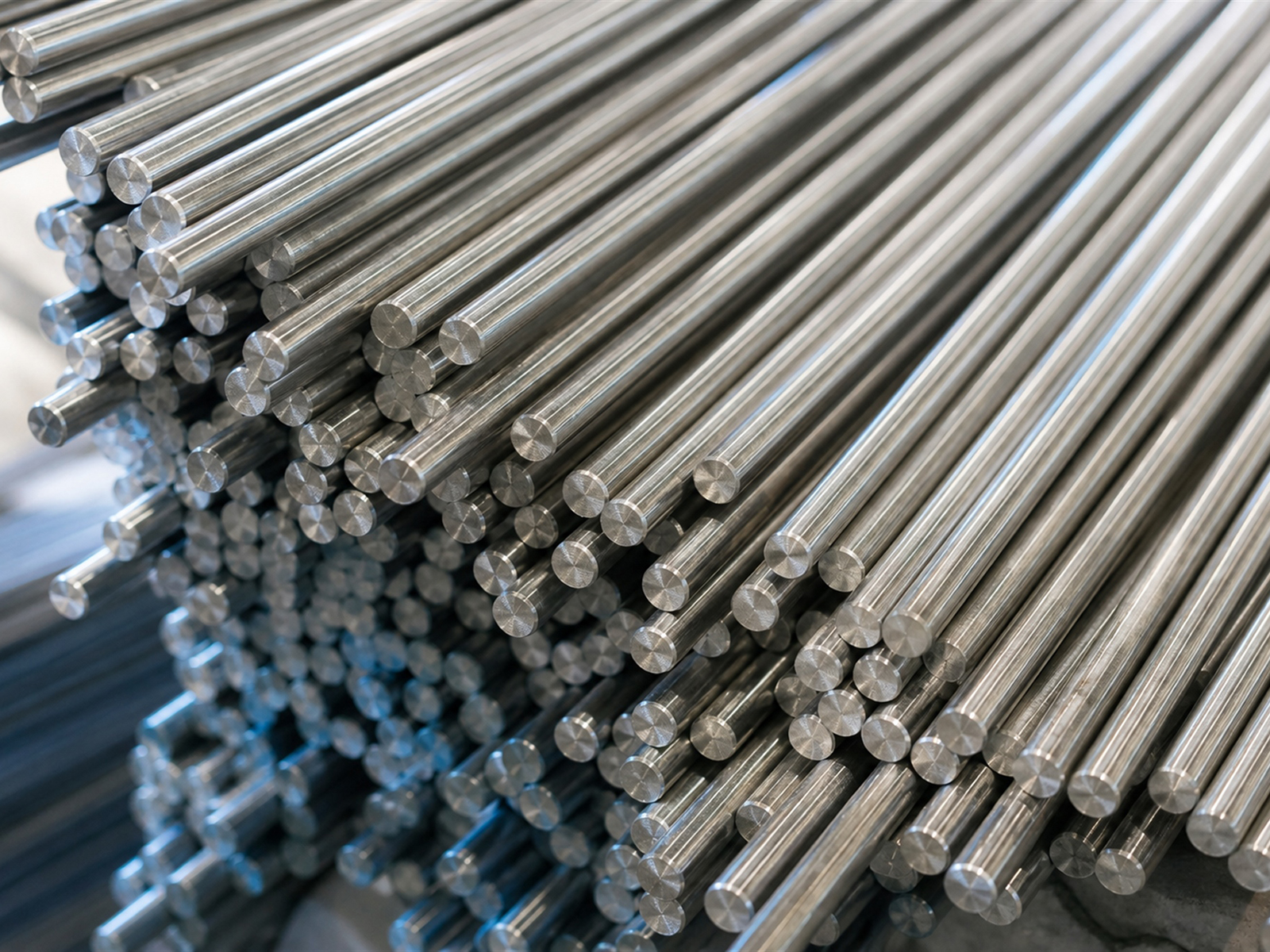
TB13 titanium bar for a defined manufacturing program. Selecting an alloy bar requires a purchase specification, a component drawing and a qualified process route. Alloy names, marketing labels and generic material descriptions do not establish the performance, service life or medical suitability of a finished part.
Define the bar before ordering
State the agreed alloy designation, applicable specification, diameter, length, tolerance, delivery condition, surface and lot-document requirements. Add the machining, forming, heat exposure, joining and surface operations that the material must support. If a mechanical property is critical, name the test method, test direction, condition and acceptance limit in the order or drawing.
Evaluate the finished part on its own evidence
Component behavior depends on geometry, loading, defects, residual stress, process history and service environment. A material certificate cannot confirm a universal corrosion result, fatigue life, clinical outcome or regulatory status. These questions need the responsible design team’s verification plan and, where required, representative component testing.
For product-form context, browse the titanium rod category and submit a technical RFQ with the controlled requirements.
FAQ
Can a bar supplier certify a finished component?
No. Supply records apply to the delivered material; the finished part needs its own design and process evidence.
What should be checked on receipt?
Verify the lot, documents, dimensions and agreed inspection results against the order.
Published by: Titanium Valleys
Technical review: General Manager of the Production Department
Quality review: Quality Inspection Department
Last reviewed: October 20, 2026