
Why Is ASTM B550 Zirconium Wire, Comprehensive Guide to Standards, Specifications, and Applications Important?
- ASTM B550 Zirconium Wire
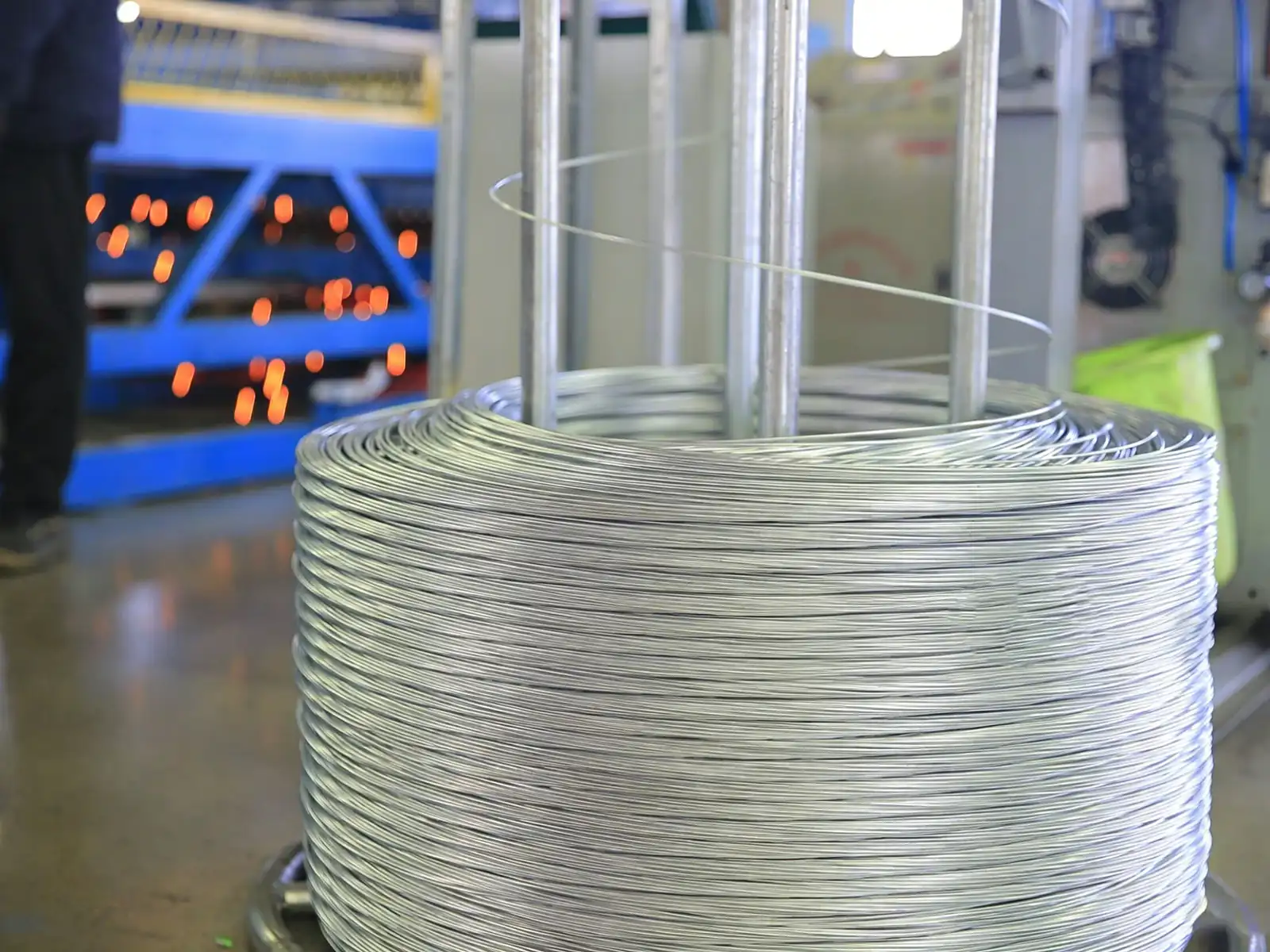
ASTM B550 zirconium wire is a high-performance metal wire manufactured according to the standards of the American Society for Testing and Materials, covering several grades including industrial pure zirconium (R60702, R60703) and zirconium alloys (R60704, R60705). This type of wire is known for its excellent corrosion resistance, good ductility, and non-magnetic properties, and is widely used in high-end fields such as chemical corrosion protection, nuclear power equipment, medical devices, and precision electronics. Compared with stainless steel and titanium alloys, zirconium wire demonstrates superior corrosion resistance in hydrochloric acid, wet chlorine, high-temperature alkaline, and organic acid environments, which can significantly extend equipment lifespan and reduce maintenance costs. This article will systematically analyze the ASTM B550 standard, material specifications, process and technical advantages, and practical application scenarios to provide a comprehensive reference for material selection decisions.
1. How Should Interpretation of ASTM B550 Standard and Selection of Material Grades?
(1) What Should You Know About Standard Scope and Core Requirements?
The ASTM B550 standard specifically stipulates the technical requirements for zirconium and zirconium alloy bars, wires, and forged billets, including key indicators such as chemical composition, mechanical properties, surface quality, and dimensional tolerances. This standard ensures the stability and traceability of zirconium wire products under extreme conditions and is applicable to the manufacture of critical components such as pressure vessels, heat exchangers, and corrosion-resistant fasteners.
(2) What Are the Differences in Comparison of Common Grades and Applicable Scenarios?
R60702 is a representative grade of industrial pure zirconium, with hafnium content ≤ 4.5% and oxygen content ≤ 0.16%. It has excellent corrosion resistance and good processing performance, making it suitable for general chemical corrosion-resistant applications. R60704 is a zirconium-tin alloy, where the addition of tin improves strength, making it suitable for occasions requiring higher mechanical performance. R60705 (zirconium-niobium alloy) contains 2.0-3.0% niobium, with strength more than 40% higher than pure zirconium, while maintaining excellent corrosion resistance. It is an ideal choice for high-stress corrosive environments, such as nuclear fuel components and high-pressure chemical pipelines. Zirconium wire products produced according to ASTM B550 zirconium wire standards need to be inspected item by item for their chemical composition, mechanical properties, and surface quality to ensure that they meet the usage requirements of the different grades under specific working conditions.
(3) What Should You Know About the Key Significance of Controlling Chemical Composition?
Strict control of impurity elements is crucial to the performance of zirconium wire. Iron content ≤ 0.20% can prevent accelerated localized corrosion; carbon ≤ 0.05% avoids carbide precipitation that leads to reduced toughness; hydrogen ≤ 0.005% prevents hydrogen embrittlement; oxygen content directly affects the balance of material strength and plasticity. Titanium Valley uses vacuum consumable arc remelting (VAR) technology, combined with full-process atmosphere protection, to ensure compositional uniformity and low impurity content, meeting nuclear-grade and pharmaceutical-grade purity requirements.
2. What Should You Know About Zirconium Wire Specification System and Precision Processing Capability?
(1) What Should You Know About Diameter Range and Supply Form?
Modern zirconium wire production covers a wide diameter range from φ0.06mm to φ10.0mm. Ultra-fine specifications (0.06-0.3mm) are primarily used for medical guidewires, precision springs, electronic leads, and other miniature components; conventional specifications (0.5-3.0mm) are used for welding wires, fasteners, and chemical equipment parts; coarser specifications (4.0-10.0mm) are suitable for load-bearing structural components and large equipment accessories. Supply forms are divided into coiled wire and straight wire; a single coil of coiled wire can reach 500-3000 meters, suitable for automated welding and continuous production; straight wire can be cut to length on demand, convenient for manual operation and small-batch applications.
(2) What Should You Know About Dimensional Accuracy and Surface Treatment Process?
High-end zirconium wire processing requires the diameter tolerance to be controlled within ± 0.01mm, ovality ≤ 0.02mm, and straightness ≤ 1mm/m to ensure stable automatic wire feeding. Surface treatments include pickling, polishing, and electro-polishing: pickling removes the oxide layer, suitable for welding applications; bright surface enhances appearance and conductivity, used for electronic connectors; electro-polishing can achieve a mirror finish of Ra0.2um, meeting the cleanliness requirements of semiconductor and medical devices.
(3) What Should You Know About Annealing State and Mechanical Performance Regulation?
Status Type | Tensile Strength (MPa) | Elongation (%) | Applicable Scenarios |
Annealed state (M) | 380-550 | ≥ 20 | Cold forming, spring, welding |
Cold Worked (H) | 550-750 | 10-18 | High-strength fasteners, shafts |
Solid solution state (ST) | 400-600 | ≥ 18 | Corrosion-resistant alloy wire structural components |
Titanium Valley achieves grain refinement and homogenization through precise control of annealing temperature and time, giving zirconium wire both high strength and good ductility, with mechanical performance parameters customizable according to customer requirements.
3. Why Is Core Technological Advantages and Production Process Innovation Important?
(1) What Should You Know About Breakthrough in Advanced Continuous Rolling Technology?
Titanium Valley has introduced a Danieli continuous rolling production line, utilizing GCC short-stress mills arranged in an alternating horizontal-vertical configuration (5543 4334 setup), combined with induction heating and precise temperature control systems to achieve uniform heating and stable rolling of zirconium billets at 1200℃. This technology addresses industry bottlenecks in traditional processes, such as excessive ovality, low yield, and large machining allowances, enabling stable mass production of high-end zirconium wire that meets ASTM B550 standards, with an annual capacity of 5, 000 tons.
(2) What Should You Know About Full-process Automated Quality Control?
The production line is equipped with the Danieli automation system, implementing closed-loop control at thousands of process points, enabling heating, rolling, cutting, finishing, and coiling to be completed without manual intervention. Online inspection equipment monitors diameter, surface defects, and mechanical properties in real time, with non-conforming products automatically removed, ensuring batch stability and product consistency. Each coil of zirconium wire is accompanied by a material certificate, recording key data such as chemical composition, mechanical testing, and heat treatment parameters, meeting the full traceability requirements of the aerospace and nuclear industries.
(3) What Should You Know About Surface Lubrication and Pollution-free Process?
Process step | Technical Features | Implementation effect |
Mold lubrication | Lubricants specifically for active metals | No sticking mold, no scratches, high-precision forming |
Cleaning and degreasing | Ultrasonic Vacuum Drying | No residue, no oxidation, high cleanliness |
Atmosphere protection | Full coverage with inert gas | No pollution, no hydrogen adsorption, stable performance |
The dedicated lubrication system solves the problems of mold adhesion and surface damage during the zirconium wire drawing process. The smooth surface state reduces the difficulty of subsequent processing and improves welding quality and operational reliability.
4. Why Is Key Application Areas and Performance Verification Important?
(1) What Should You Know About Corrosion Resistance Practices of Chemical and Environmental Protection Equipment?
Zirconium wire performs excellently in highly corrosive environments such as the chlor-alkali industry, urea synthesis, and hydrometallurgy. Acid-resistant fasteners (bolts, nuts, washers) made from zirconium wire have a service life 5-10 times longer than stainless steel in hydrochloric acid, sulfuric acid, and organic acid media, significantly reducing equipment downtime for maintenance. In flue gas desulfurization systems, spray pipes and demister components made from zirconium wire resist corrosion from high-temperature acidic gases, ensuring long-term stable operation of environmental protection equipment. In the electrochemical field, anodes, cathodes, and flow bars made from zirconium wire can withstand high current densities and highly oxidizing electrolytes, improving metal recovery and chlor-alkali production efficiency.
(2) What Should You Know About High-reliability Verification of Nuclear Power Equipment?
Zirconium wire plays a key role in pressurized water reactor (PWR) nuclear fuel assemblies: components such as end plugs, guide tubes, and spacer grids require materials that maintain a low neutron absorption cross-section and long-term corrosion resistance in high-temperature water environments of 300℃. R60705 alloy wire, with its high strength and excellent irradiation resistance, has already demonstrated decades of reliable operation in multiple nuclear power projects. High-temperature heat exchangers use zirconium wire to make tube bundles and fins, enduring extreme conditions such as solar thermal power generation and advanced reactors, showcasing excellent thermal stability and creep resistance.
(3) Why Is Clean Applications in Medical and Precision Electronics Important?
Medical-grade zirconium wire (compliant with biocompatibility requirements) is used to manufacture surgical needles, guide wires, dental tools, and other precision instruments. Its non-magnetic properties prevent interference with MRI equipment, and its high purity ensures there is no risk of heavy metal release. ASTM B550 zirconium wire is used in the field of precision electronics. Ultra-fine zirconium wire (φ0.06-0.2mm) serves as pins for high-end connectors and miniature spring components, playing a key role in aerospace and defense equipment. Its stable electrical performance and fatigue resistance meet high-reliability requirements.
5. How Should Material Selection Guide and Customization Service System?
(1) What Should You Know About Grade Matching Strategies for Different Working Conditions?
Faced with extremely corrosive media such as hydrochloric acid, wet chlorine, and high-chlorine brine, stainless steel is prone to pitting and perforation, and titanium alloys have insufficient corrosion resistance. In this case, R60702 pure zirconium or R60705 alloyed zirconium is the best choice. For high-stress structural components such as long wires and high-pressure fasteners, the strength of R60702 pure zirconium is relatively low and easily deformed. It is recommended to use R60705 zirconium-niobium alloy, which increases strength by more than 40% while maintaining excellent corrosion resistance. High-temperature acidic or organic acid environments easily induce intergranular corrosion, but the self-repairing oxide film characteristic of zirconium alloys can provide long-term protection for the substrate. In seawater and salt spray environments, crevice corrosion is a common problem, and the passivation film of zirconium wire is dense and stable, effectively resisting localized corrosion.
(2) What Should You Know About Full-process Custom Manufacturing Capability?
Titanium Valley offers full-process customized services from raw materials to finished wires: materials include zirconium series (R60702/R60704/R60705/R60706), titanium series (Gr1/Gr2/Gr5/Gr9/Gr12, etc.), and nickel-based alloys; diameter range is 0.06-10.0mm with customizable special tolerances; forms include coiled wire (various coil sizes and weights) or cut-to-length straight bars; surface treatments include pickling, brightening, polishing, electrochemical polishing, or custom functional coatings. With an annual production capacity of 5, 000 tons, it supports stable delivery of large-scale, high-standard orders.
(3) What Should You Know About Quality Assurance and Technical Support?
Each batch of products is accompanied by a complete set of quality assurance documents, including material certificates (chemical composition, mechanical properties, heat treatment records), non-destructive testing reports, and dimensional inspection reports. The technical team can provide material selection advice, welding process guidance, and corrosion testing evaluation according to the specific working conditions of the customers. For special certification requirements in industries such as aerospace, nuclear, and medical devices, assistance can be provided for the relevant qualification applications and verification testing.
Services | Content Description | Delivery cycle |
Standard specification products | Common grades and sizes available in stock | 3-7 days |
Customized processing | Special specifications, surface treatment, performance customization | 15-30 days |
Technical Consulting | Material selection analysis, process optimization, on-site guidance | Instant response |
Quality Traceability | Batch files are permanently archived and can be accessed within 10 years | Long-term service |
6. What Is the Conclusion?
ASTM B550 zirconium wire, with its excellent corrosion resistance, precise dimensional control, and a variety of grade options, has become a key material in high-end fields such as chemical corrosion protection, nuclear power equipment, medical devices, and precision electronics. Choosing high-quality zirconium wire that meets the standards, combined with professional customized processing services, can significantly improve equipment reliability, reduce total lifecycle costs, and help enterprises achieve technological breakthroughs under extreme conditions.
FAQ
Q1: What are the performance differences between R60702 and R60705 zirconium wires in a strong acid environment?
R60702 industrial pure zirconium has excellent resistance to hydrochloric acid and sulfuric acid, making it suitable for conventional anti-corrosion applications; R60705 zirconium-niobium alloy, while maintaining the same corrosion resistance, has over 40% higher strength, making it more suitable for high-stress and high-temperature acidic processing conditions, such as high-pressure chemical pipelines and nuclear fuel assemblies.
Q2: What are the special requirements for ultrafine zirconium wire (φ0.06-0.2mm) in medical devices?
Medical-grade ultra-fine zirconium wire must meet biocompatibility standards, have extremely low impurity content (hydrogen ≤ 0.003%), a surface Ra value ≤ 0.2um, be non-magnetic, and possess excellent fatigue resistance. It is commonly used for manufacturing surgical guide wires, cardiovascular stents, and precision suturing needles, and requires providing complete material certification and sterile testing reports.
Q3: How to evaluate the resistance of zirconium wire to pitting and crevice corrosion in a chloride environment?
The self-repairing oxide film of zirconium wire performs excellently in chloride environments and can be evaluated through salt spray tests (ASTM B117) and electrochemical testing. In practical applications, the corrosion rate of zirconium wire in seawater, high-chloride brine, and humid chlorine atmospheres is less than 0.01 mm/year, far superior to titanium alloys and stainless steel, making it suitable for harsh environments such as marine engineering and the chlor-alkali industry.
7. What Should You Know About Contact Titanium Valley Immediately?
As a professional manufacturer and supplier of zirconium wire, Baoji Titanium Valley provides full-process customized processing services, from raw materials to finished product delivery, ensuring high precision, high performance, and stable supply. Welcome to send your technical requirements to sales@titaniumvalleys.com; our engineering team will respond within 24 hours to provide professional material selection advice and quick quotations.
References
- ASTM International (2021). ASTM B550-21: Standard Specification for Nuclear Application Zirconium and Zirconium Alloy Bars, Rods, and Wire. West Conshohocken, Pennsylvania, USA: ASTM International.
- Lütjering, G., & Williams, J.C. (2007). Titanium (2nd ed.). Berlin: Springer Verlag. (Chapters related to zirconium alloys and corrosion resistance)
- Cox, B. (2005). Some thoughts on the in-reactor corrosion mechanisms of zirconium alloys. Journal of Nuclear Materials, 336(2-3), 331-368.
- Kleinkamp, H. (2001). The chemical state of fission products in oxide fuel at different stages of the nuclear fuel cycle. Nuclear Technology, 133(3), pp. 427-451. (Discussion related to the application of zirconium wires in nuclear fuel assemblies)