
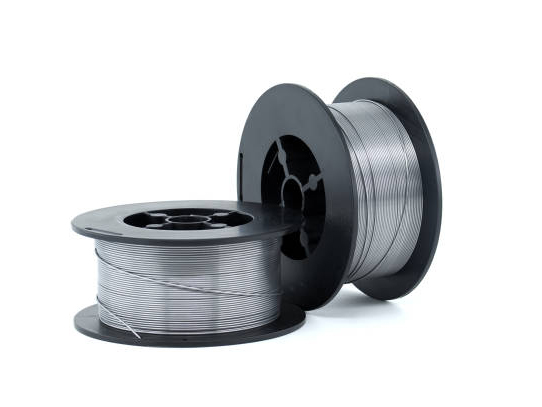
What Is the Real Cost of Using Gr1 Titanium Wire and Why Is a Higher Initial Price More Cost-Effective?

The cost of Grade 1 titanium wire: a higher purchase price can be justified only by the economi...
What are the strength, ductility, and lightweight advantages of the mechanical properties of Gr2 titanium foil?

Gr2 titanium foil has typical mechanical properties: tensile strength ≥345 MPa, yield strength 275-4...
How to Select GR1 Titanium Foil with Thickness from 0.005 mm to 1.0 mm: Full Breakdown of GR1 Titanium Foil Thickness Sizes
GR1 titanium foil sees wide use in high-end manufacturing sectors such as aerospace, electr...
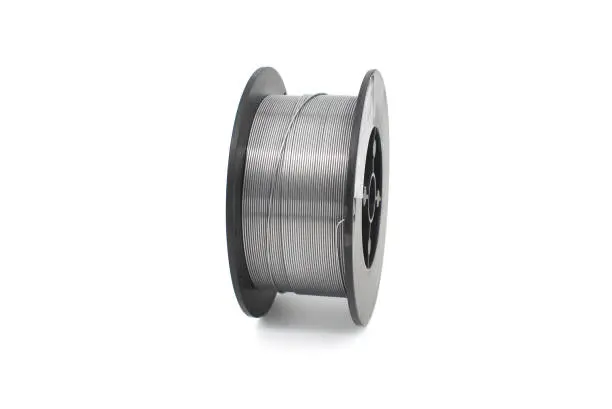
Gr1 Titanium Wire Electrical Properties and Selection Guide
Gr1 titanium wire electrical conductivity guide covering resistivity, test conditions, corrosion resistance, biocompatibility, applications and RFQ checks.
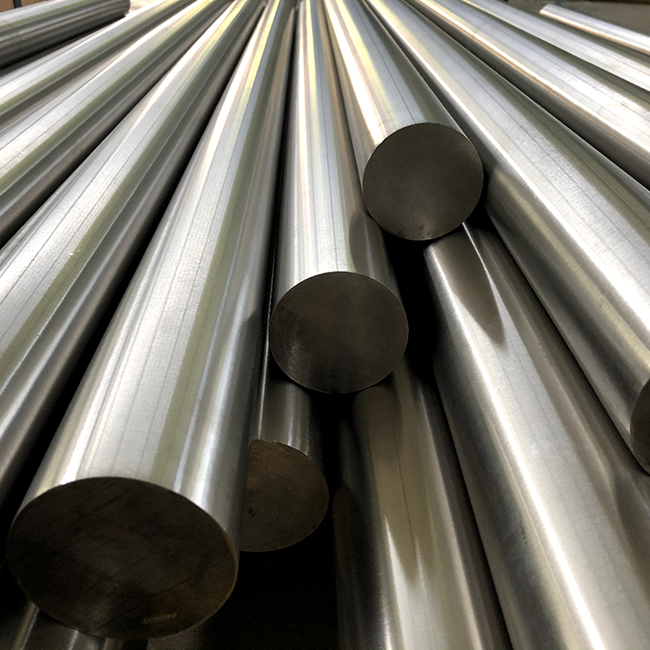
Grade 2 vs Grade 4 Titanium Rod: Selection Guide
Grade 2 and Grade 4 are unalloyed titanium grades. Choosing a rod depends on the required mecha...
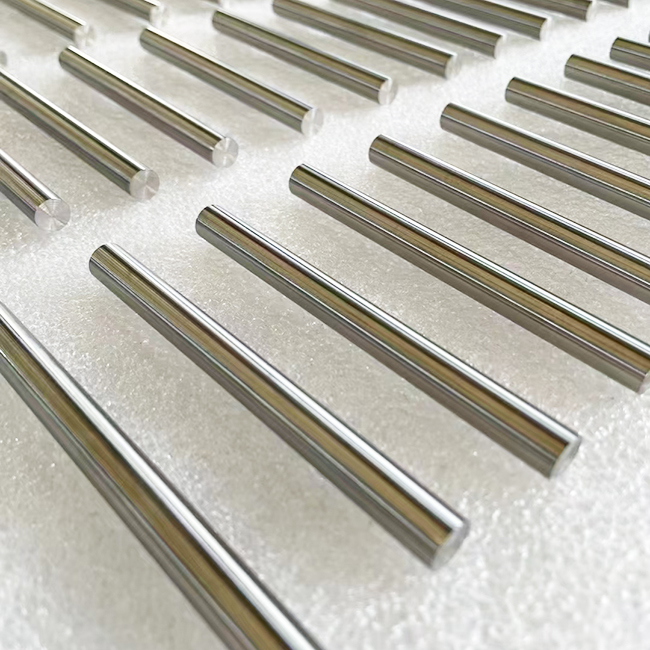
Grade 5 Titanium Rod: Properties, Processing and Applications
Grade 5 titanium rod is Ti-6Al-4V, UNS R56400. It may be selected for a machined or formed comp...
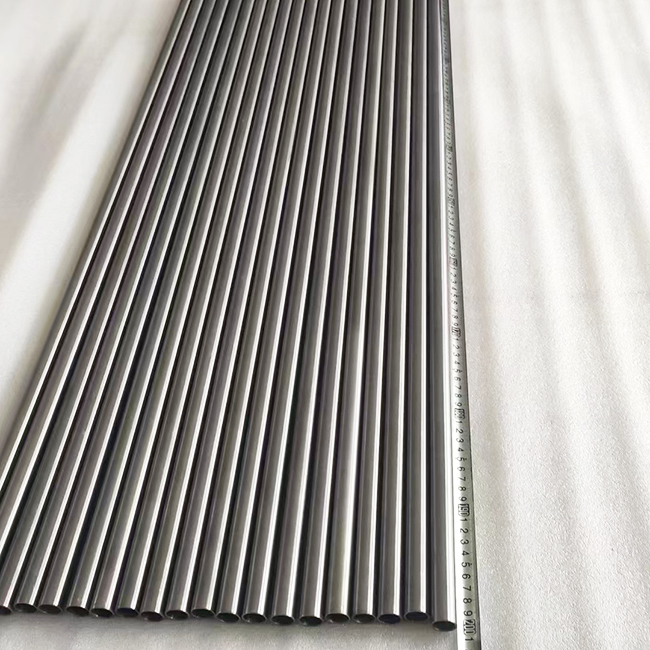
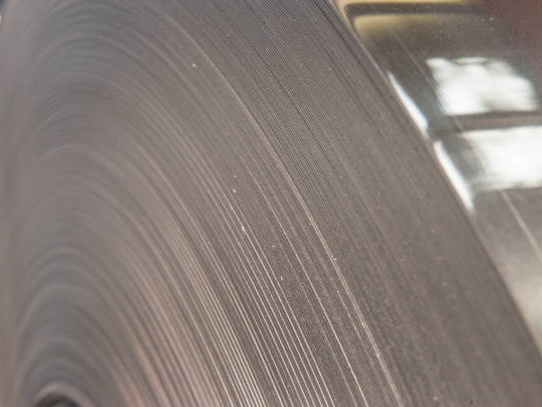
Grade 5 Titanium Foil Elastic Modulus and Stiffness
The elastic modulus of Grade 5 titanium describes its resistance to elastic strain. For foil, ...
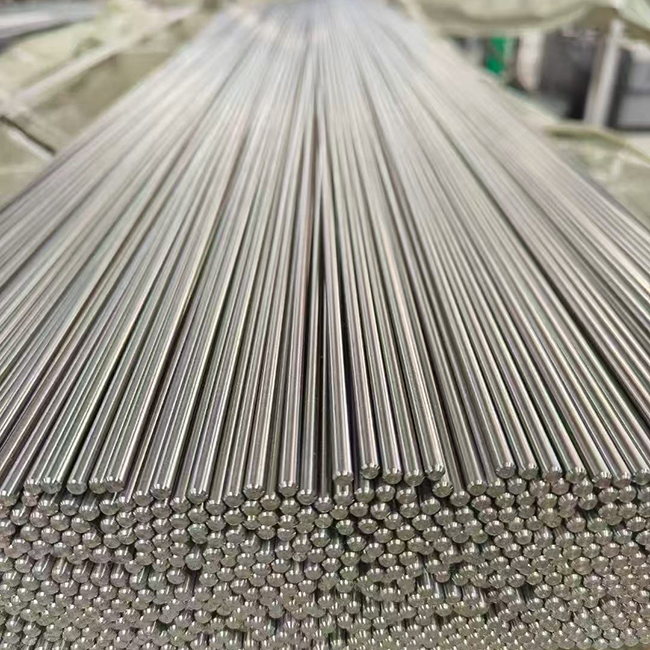
How to Purchase Ni200 Rod What Are the Key Technical Requirements and How to Choose the Right Supplier?
High-quality Ni200 rod must meet ASTM B160 standards. Nickel content must reach ≥99.0%. The material...
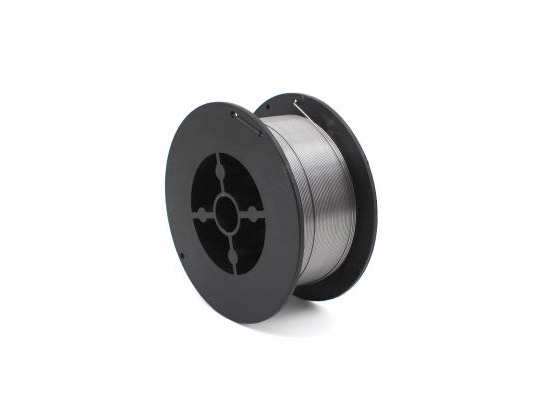
What Are the Differences Between Nickel 200 and Nickel 201 Wire, and How Do You Choose the Right Grade?
In the field of commercially pure nickel materials, Nickel 200 wire and Nickel 201 wire are two of t...