
Titanium MIG Welding Wire: Shielding and Process Qualification
- Titanium MIG Welding Wire
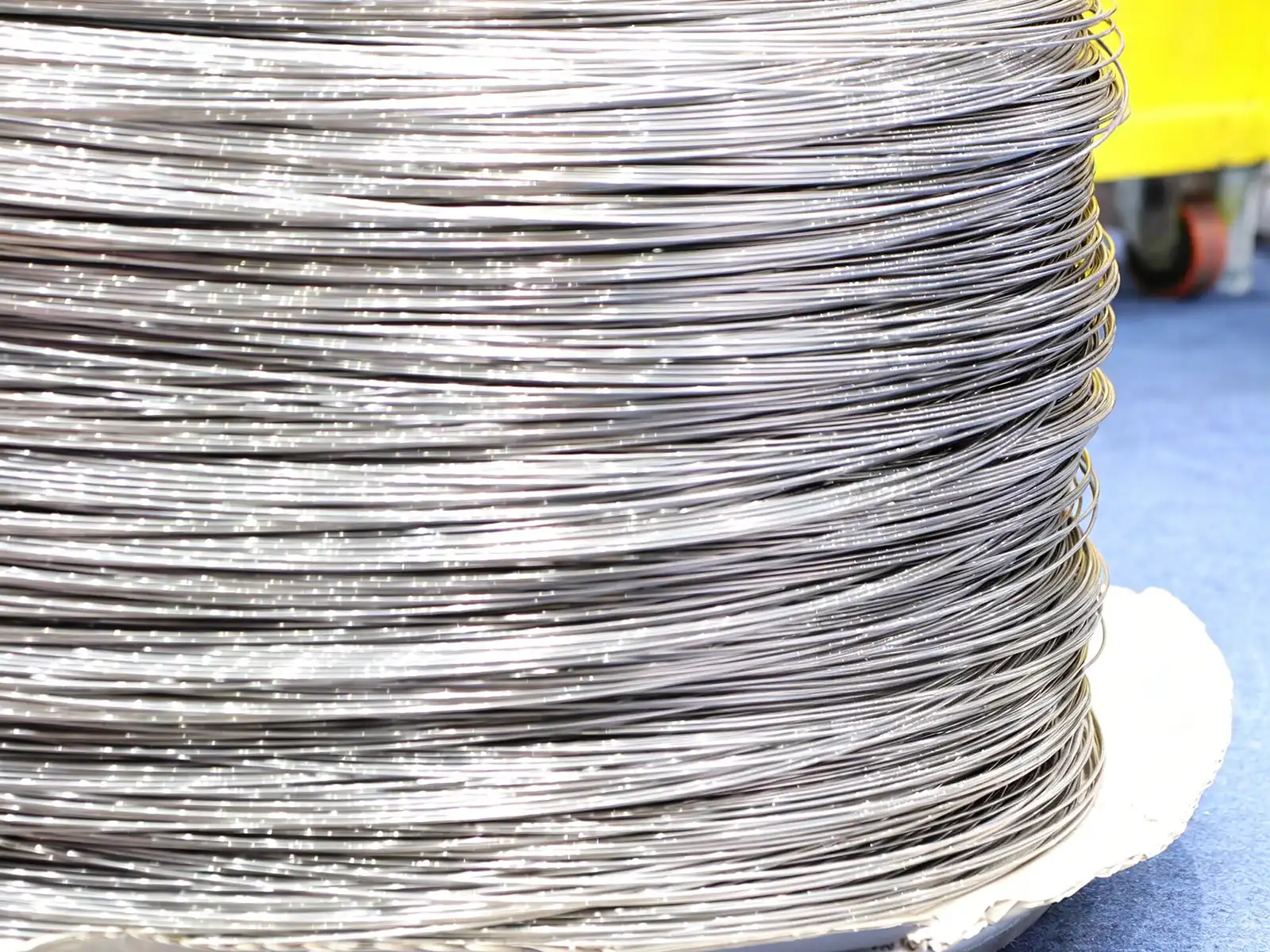
Titanium MIG welding wire is a consumable for gas metal arc welding. Wire selection must work with the qualified welding procedure, wire-feed system and shielding arrangement used for the actual joint.
1. Selection and Acceptance Decisions
- Record base metal, thickness, joint type and filler classification before choosing a wire diameter.
- Qualify shielding, starts and stops, trailing protection where required and contamination handling for the proposed procedure.
- Investigate feeding problems, surface contamination and weld discoloration using the qualified acceptance criteria rather than a universal color rule.
Send a specification for this material with the grade, dimensions, quantity, intended use and the acceptance details listed above. Ask for confirmation of the quoted size, condition and documentation.
2. Filler Grades at a Glance
AWS A5.16 | Matches | Notes |
ERTi-1 | Grade 1 | Softest CP filler |
ERTi-2 | Grade 2 | The most-used CP filler |
ERTi-4 | Grade 4 | High-strength CP filler |
ERTi-5 | Grade 5 (Ti-6Al-4V) | Alloy filler, hydrogen ≤ 0.015% critical |
ERTi-9 | Grade 9 | Cold-formable alloy filler |
ERTi-12 | Grade 12 | Crevice-corrosion-resistant filler |
ERTi-23 | Grade 23 ELI | Implant and fracture-critical filler |
Table 1 — AWS A5.16 titanium MIG wire classifications and their matching base metals.
3. Why Shielding Decides Everything
Titanium absorbs oxygen, nitrogen and hydrogen when hot, and the first two embrittle the weld. MIG therefore needs: 5N-purity argon (helium blends for hot transfer), a large nozzle with trailing shield protecting the solidifying bead, back purging of the joint root, and spray-transfer parameters that keep the arc stable. Any air entrainment shows up as weld color — silver/straw acceptable, blue-grey rejected.
4. Wire Handling and Feed
Spooled titanium MIG wire demands clean feeding: degreased spools, dry storage (moisture is a hydrogen source), liners and contact tips kept free of oil, and consistent cast and helix so the wire runs true. Straightness and diameter tolerance (typically ±0.05 mm class) directly affect arc stability in automated titanium MIG.
5. When MIG Makes Sense
Choose MIG where deposition rate pays: thick-section titanium fabrications, cladding and high-volume production with automated equipment. For thin sheet, pipe root passes and one-off precision work, TIG remains the standard — the shielding geometry is simply easier to hold. Custom size, condition, tolerance and documentation can be reviewed to the purchase specification.
FAQ
(1) Can you MIG weld titanium?
Yes — with AWS A5.16 ERTi filler, 5N argon, trailing shields and back purging. It is more demanding than TIG and usually reserved for thicker sections or automated high-deposition work.
(2) Which MIG wire grade matches Ti-6Al-4V?
ERTi-5 (hydrogen ≤ 0.015%), with ERTi-23 for ELI base metal in fracture-critical work.
(3) What happens if shielding fails?
The weld picks up oxygen and nitrogen and turns blue-grey and brittle — the color is the acceptance test: silver to light straw passes, anything darker is cut out and rewelded.
(4) What wire diameters are used?
0.8–1.6 mm is the common MIG range for titanium; diameter tolerance and cast control the feed stability.
(5) How should titanium MIG wire be stored?
Sealed, dry, protected from oil and dust; moisture contamination is a hydrogen source that causes weld porosity and embrittlement.
Related Resources and Inquiry
See the titanium wire category or send your specification for MIG wire supply.
Baoji Titanium Valley Titanium Nickel Zirconium Material Processing Co., Ltd. produces titanium wire and welding wire per ASTM B863 / AWS A5.16 from a dedicated drawing line, from fine wire to welding filler on spools, under ISO 9001 / ISO 13485. Send your specification to sales@titaniumvalleys.com — Custom size, condition, tolerance and documentation can be reviewed to the purchase specification.
6. Related Reading
- Titanium MIG Wire: Spools, Storage and Receiving Inspection
- Titanium Weld Wire: Filler Selection and Procedure Review
References
1. AWS A5.16/A5.16M, Specification for Titanium and Titanium Alloy Welding Electrodes and Rods.
2. ASTM B863, Standard Specification for Titanium and Titanium Alloy Wire.
3. EN 10204, Metallic Products — Types of Inspection Documents.
This article is a technical reference. It does not constitute a commercial offer; dimensions, tolerances and documentation are confirmed at order review.
Published by: Titanium Valley Technical Team. Technical and quality review: pending.