
Titanium MIG Wire: Spools, Storage and Receiving Inspection
- Titanium MIG Wire
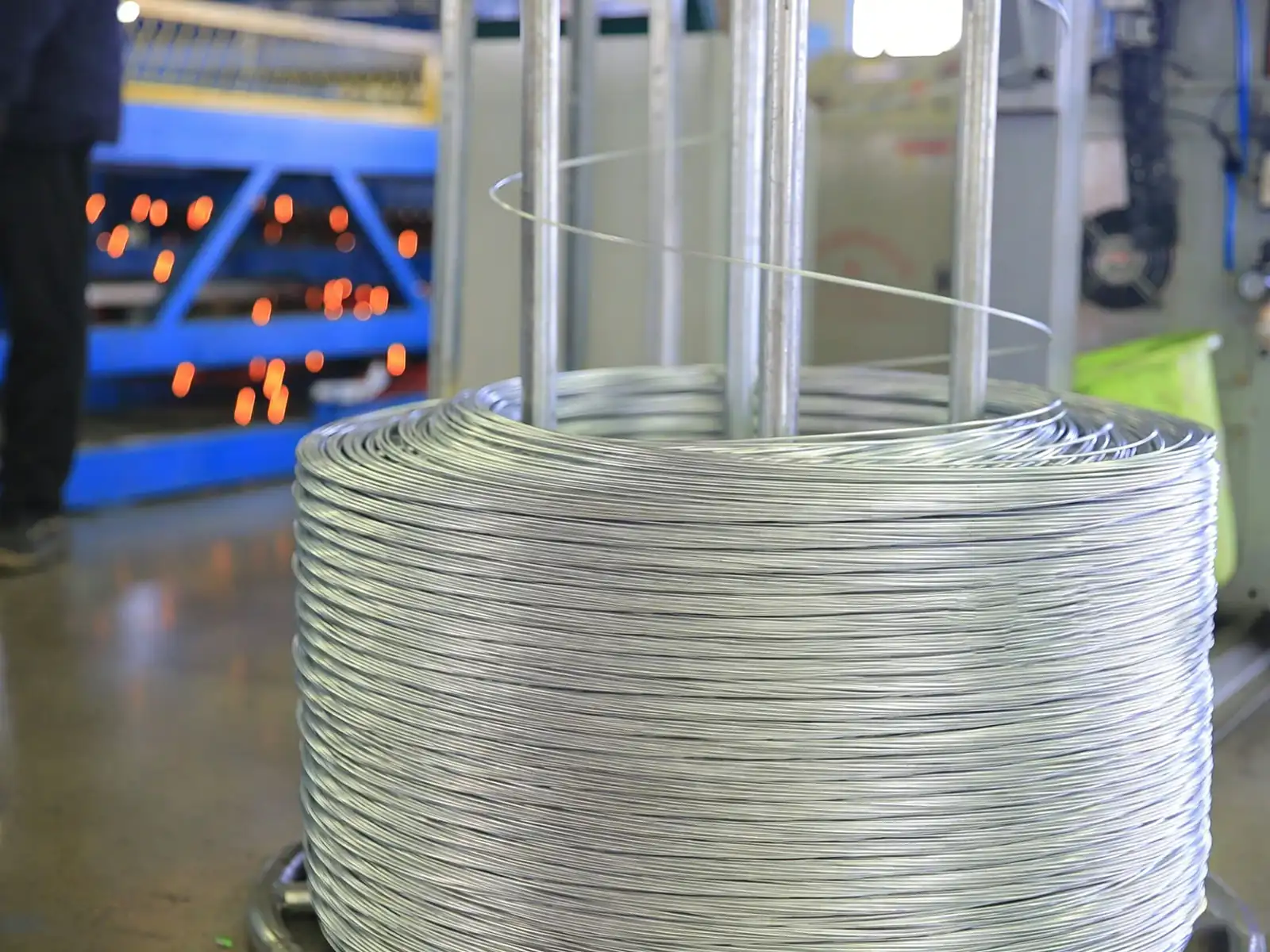
Buying titanium MIG wire requires agreement on filler classification, diameter, spool and packaging. This guide focuses on comparing quotations, receiving the wire and keeping its identification and cleanliness through storage.
1. Selection and Acceptance Decisions
- Give spool dimensions and feed-equipment requirements as well as net wire weight and diameter.
- Agree packaging integrity, lot identification and the documents checked at receipt.
- Define storage and opened-package handling with the supplier and the welding procedure, including what triggers rejection or reinspection.
Send a specification for this material with the grade, dimensions, quantity, intended use and the acceptance details listed above. Ask for confirmation of the quoted size, condition and documentation.
2. Chemistry That Matters
Filler | Key composition limits (A5.16 practice) |
ERTi-2 | O 0.08–0.16%, N ≤ 0.015%, H ≤ 0.008% class, Fe ≤ 0.12% |
ERTi-4 | O 0.18–0.32%, N ≤ 0.025%, H ≤ 0.008% class, Fe ≤ 0.25% |
ERTi-5 | Al 5.5–6.7%, V 3.5–4.5%, O 0.12–0.20%, Fe ≤ 0.22%, H ≤ 0.015% |
ERTi-9 | Al 2.5–3.5%, V 2.0–3.0%, O 0.06–0.12%, Fe ≤ 0.20% |
ERTi-23 | Al 5.5–6.5%, V 3.5–4.5%, O 0.03–0.11%, Fe ≤ 0.20% |
Table 1 — Typical AWS A5.16 filler chemistry practice; confirm exact limits against the contracted edition.
3. Diameters, Spools and Tolerances
MIG wire runs φ0.8–1.6 mm for most work, on spools (100–300 mm class) or coils for automated lines; straight cut lengths serve TIG rod duty. Diameter tolerance of ±0.05 mm class and a stable cast/helix keep the arc where the torch points; for robotic welding, specify tighter tolerance and straightness explicitly.
4. Cleanliness and Storage
Two rules prevent most titanium weld failures: the wire must arrive degreased and dry (no drawing lubricant residue), and it must stay that way — sealed packaging, dry storage, gloves at the machine. Moisture and oil are hydrogen sources; titanium’s H limit is unforgiving.
The Certificate Checklist
- AWS A5.16 classification and edition;
- Full chemistry including O, N and H per heat;
- Diameter and ovality data for the spool lot;
- Surface condition (degreased, bright or pickled as ordered);
- Heat/lot traceability and EN 10204 3.1-class certificate.
FAQ
(1) What is the difference between ERTi-2 and ERTi-5 MIG wire?
ERTi-2 is commercially pure (matching Grade 2 base metal); ERTi-5 is Ti-6Al-4V filler for Grade 5 work — about 2.5× the strength and a different welding behavior. Match the filler to the base metal.
(2) Why is hydrogen the critical number?
Hydrogen above 0.015% produces porosity and delayed (hydride) embrittlement in titanium welds — the most common hidden cause of titanium weld failures.
(3) What spool sizes are standard?
100–300 mm class spools for manual MIG, larger coils for automated lines; state the spool and coil weight on the order.
(4) Can I use the same wire for TIG and MIG?
The chemistry crosses over, but the product form differs: TIG uses straight rods, MIG uses spooled wire with feed-controlled cast. Order the right form for the process.
(5) How long can MIG wire be stored?
Indefinitely if sealed and dry; opened spools should be used promptly or stored in a dry cabinet. Moisture exposure is a hydrogen risk, not a cosmetic issue. Custom size, condition, tolerance and documentation can be reviewed to the purchase specification.
Related Resources and Inquiry
See the titanium wire category or send your specification for MIG wire supply.
Baoji Titanium Valley Titanium Nickel Zirconium Material Processing Co., Ltd. produces titanium wire and welding wire per ASTM B863 / AWS A5.16 from a dedicated drawing line, from fine wire to welding filler on spools, under ISO 9001 / ISO 13485. Send your specification to sales@titaniumvalleys.com — Custom size, condition, tolerance and documentation can be reviewed to the purchase specification.
5. Related Reading
- Titanium MIG Welding Wire: Shielding and Process Qualification
- Titanium Welding Wire Suppliers: Quote and Documentation Checklist
References
1. AWS A5.16/A5.16M, Specification for Titanium and Titanium Alloy Welding Electrodes and Rods.
2. ASTM B863, Standard Specification for Titanium and Titanium Alloy Wire.
3. EN 10204, Metallic Products — Types of Inspection Documents.
This article is a technical reference. It does not constitute a commercial offer; dimensions, tolerances and documentation are confirmed at order review.
Published by: Titanium Valley Technical Team. Technical and quality review: pending.