
Titanium Foil vs Titanium Strip: Thickness, Width, Tolerance and Buying Guide
- titanium foil
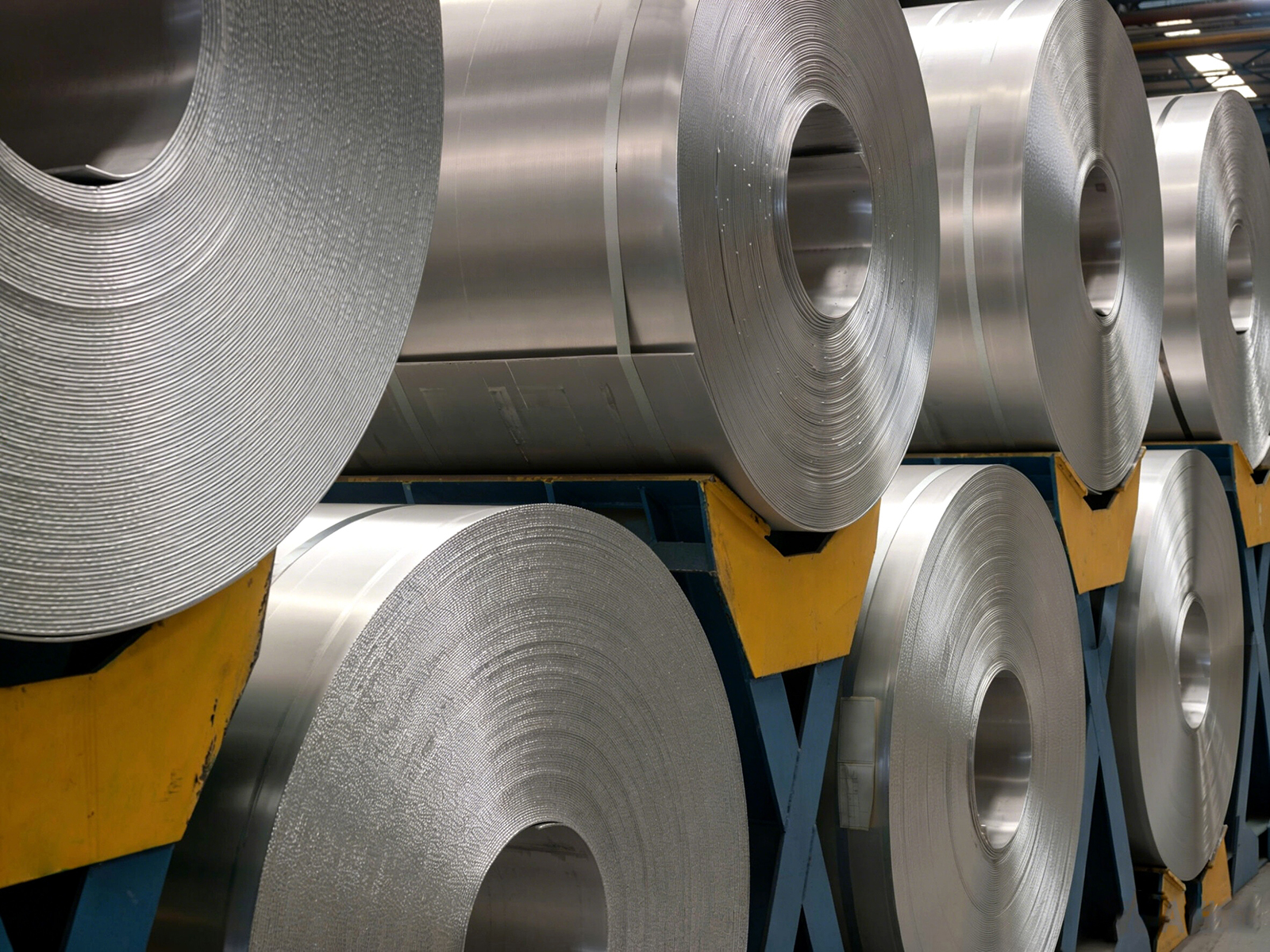
Direct engineering answer. titanium foil should be evaluated against the finished component, product form, governing specification, downstream process and acceptance evidence. A general property value is an orientation tool; the released drawing, current certificate and inspection plan control the final decision.
Titanium Foil vs Titanium Strip: Thickness, Width, Tolerance and Buying Guide
titanium foil buyers get better outcomes when they describe the finished requirement, not only a material name. This guide explains the questions that should be resolved before a technical quotation is prepared.
Titanium foil and titanium strip are purchasing terms, not interchangeable shortcuts.
Both names may describe thin rolled titanium, but a buyer needs to state the required thickness, width, coil or cut length, surface condition, edge condition and inspection documents. A clear definition at the start of a project prevents a quotation for a material form that is difficult to process or unsuitable for the finished part.
Start with the finished component and process.
For formed, etched, stamped or precision-cut parts, the relevant questions are material grade, thickness range, thickness tolerance, flatness, temper, surface and whether the material must arrive in coil or sheet form. A drawing or a sample is more useful than a material name alone when the component has critical geometry.
Use a controlled RFQ rather than a price-only request.
A complete request should identify the titanium grade, target thickness and width, quantity, standard where applicable, documentation requirement and delivery destination. The supplier can then confirm a feasible material route and provide project-specific commercial information without publishing a misleading fixed price.
What to include in a request for quote
- Material grade and applicable standard
- Dimensions, tolerances and delivery form
- Required condition, surface and quantity
- Documentation, inspection and destination requirements
See the current titanium foil product range for available product families. For a project-specific review, send a request for quote with the drawing or complete material specification.
Technical note
Final material selection and acceptance must be based on the applicable standard, drawing and project requirements. This article is a procurement guide and does not replace engineering validation for a finished component.
Engineering specification and verification framework
For titanium foil, state grade, ordered product form, condition, nominal dimensions, tolerances, surface requirement, quantity and documentation in one controlled RFQ. The applicable product-form reference is ASTM B265, subject to the current edition and project-specific requirements. When tensile evidence is required, define the test method and sampling basis; ASTM E8/E8M or ISO 6892-1 may apply where consistent with the order.
| RFQ field | Required detail | Reason |
|---|---|---|
| Material identity | Grade, form, ASTM B265, condition | Prevents unintended substitution. |
| Geometry | Nominal size, tolerance, length or coil form | Defines production and inspection scope. |
| Process context | Forming, machining, joining, etching or assembly | Relates supply condition to actual manufacture. |
| Verification | Certificate, dimensional checks, lot identity | Creates a traceable acceptance plan. |
Risk review and incoming control
Common avoidable risks include tolerance stack-up, unclear condition, surface damage, undocumented substitution and loss of lot identity after cutting. At receipt, reconcile the purchase order, packing label and certificate before release to production. Define any supplementary testing, sampling and report format before quotation rather than after shipment.
Technical FAQ
Can catalogue values approve the material?
No. Final approval must use the ordered form, condition, standard, drawing, process route and service boundary.
What should an RFQ include?
Provide the drawing where available, grade and standard, dimensions, tolerance, condition, quantity, process context, service information and documentation requirement.
Product resources and technical quotation
Review the relevant titanium foil product category. For a drawing-based review, request a technical quotation with the full specification.
References and use note
- ASTM B265, applicable edition, for the ordered product form.
- ASTM E8/E8M or ISO 6892-1 where the project specifies tensile verification.
- Project drawing, purchase specification, certificate and agreed inspection plan.
This engineering note supports procurement specification. It does not replace component design validation or the governing contractual standard.