
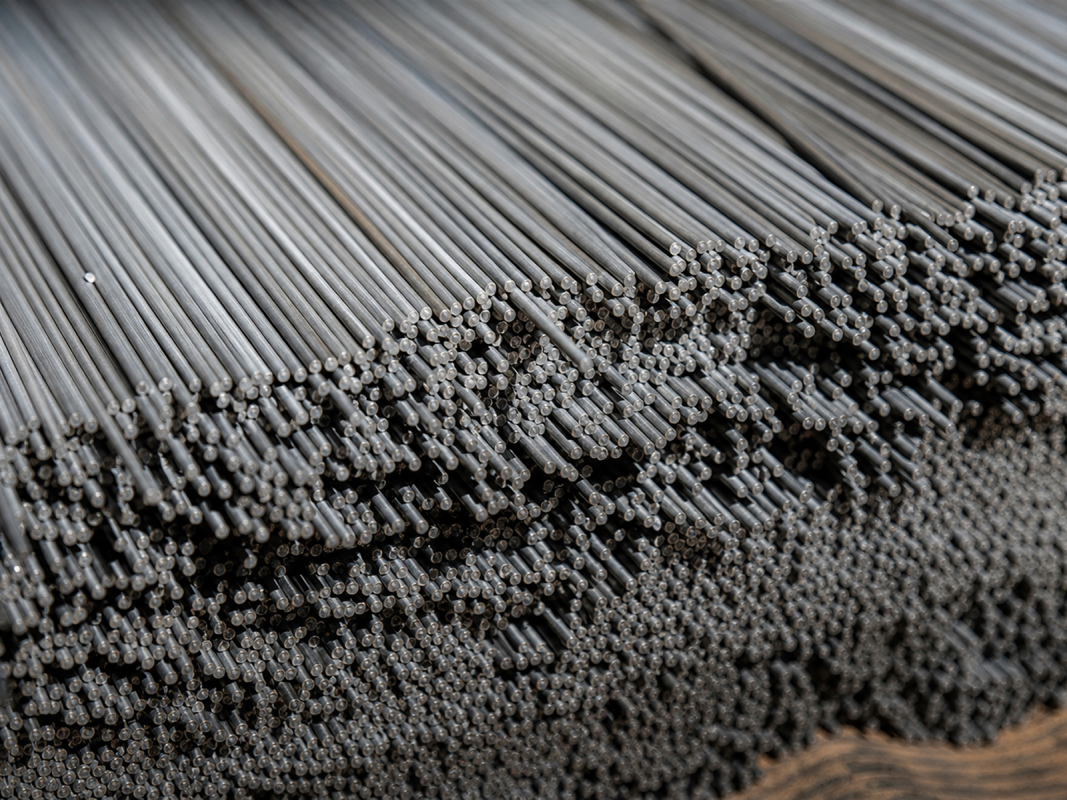
How Do Molybdenum (Mo) and Nickel (Ni) Improve the Corrosion Resistance of Gr12 Titanium Rod?

In chloride environments, moderate-concentration reducing acids, and low-to-intermediate temperature...
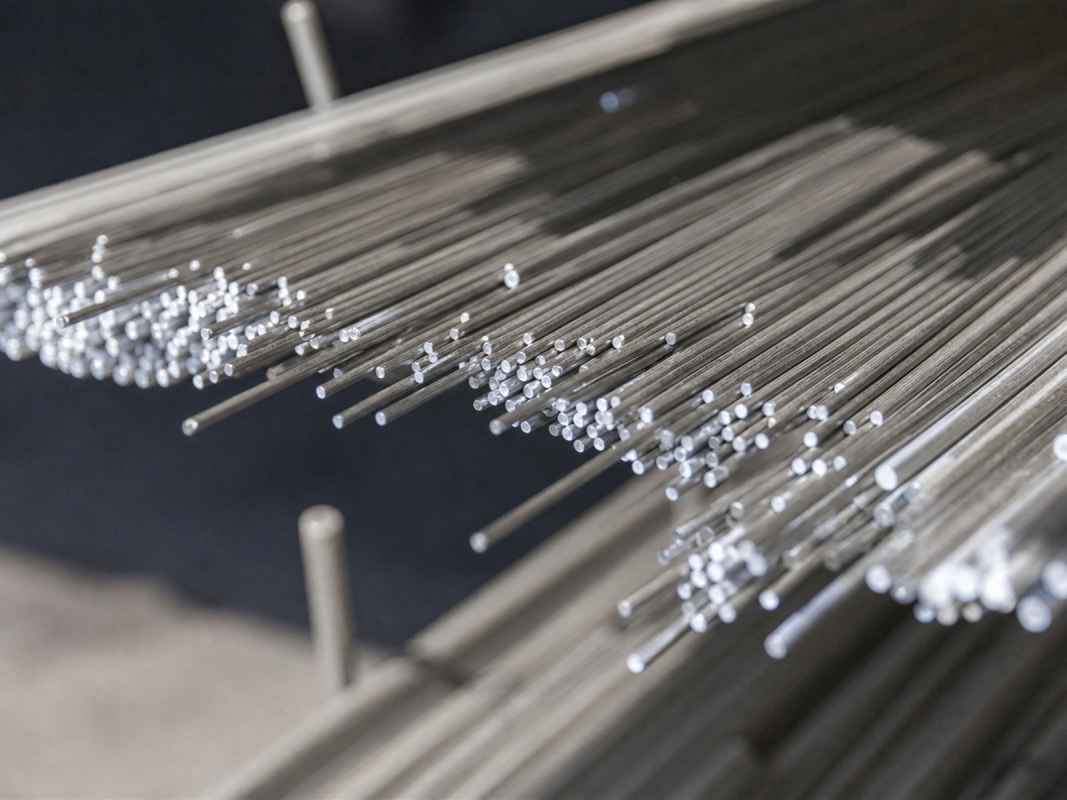
How Cost-Effective Is Gr12 Titanium Rod in the Long-Term Maintenance of Chemical Equipment?
In the life-cycle management of chemical equipment, material selection is often an underestimated de...
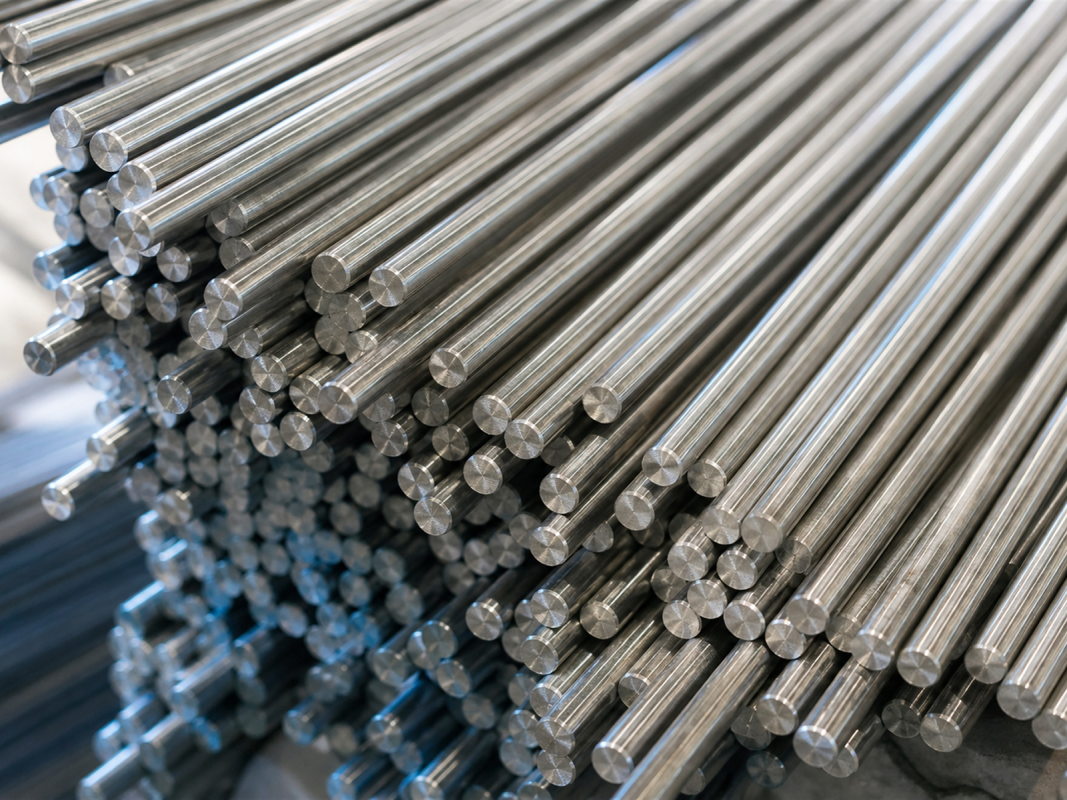
Grade 12 Titanium Rod: Properties and Applications
Grade 12 titanium rod is a titanium alloy containing molybdenum and nickel. It can be considere...
Grade 12 Titanium Rod for Pressure Vessel Components
Grade 12 titanium rod may be considered for parts used in pressure equipment when the material,...
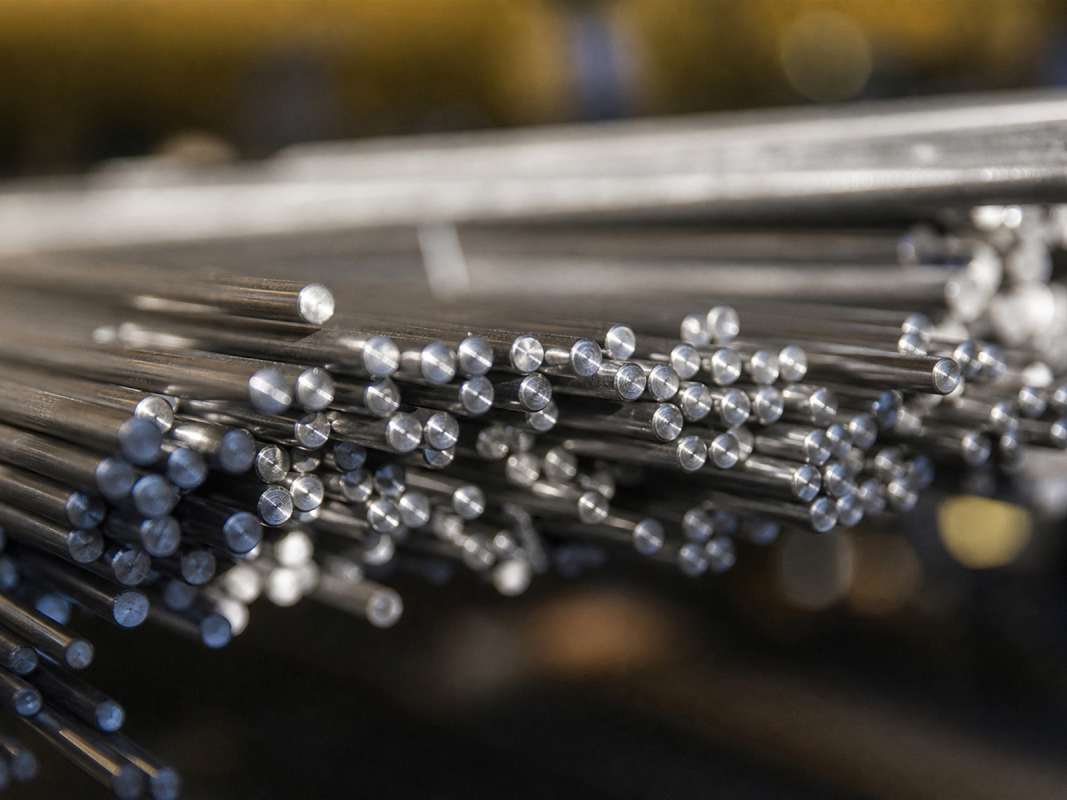
What Should You Know About Analysis of the Anti-pitting Corrosion Performance of Gr12 Titanium Rod, a High-performance Material Suitable for Harsh Corrosive Environments?
In highly corrosive industrial environments, equipment failure often results from local corrosion fa...
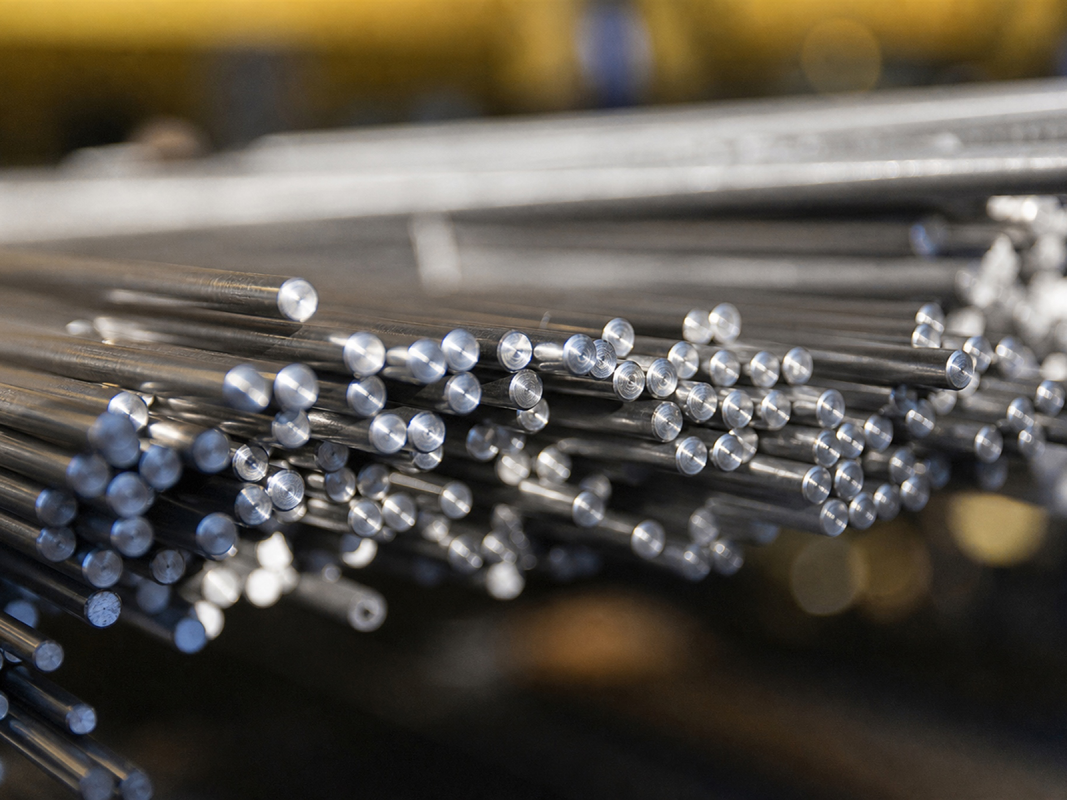
Why Is Analysis of Gr12 Titanium Rod’s Resistance to Stress Corrosion Cracking and Its Industrial Application Value Important?
Gr12 titanium rod (Ti-0.3Mo-0.8Ni alloy) has significantly improved its resistance to stress corrosi...
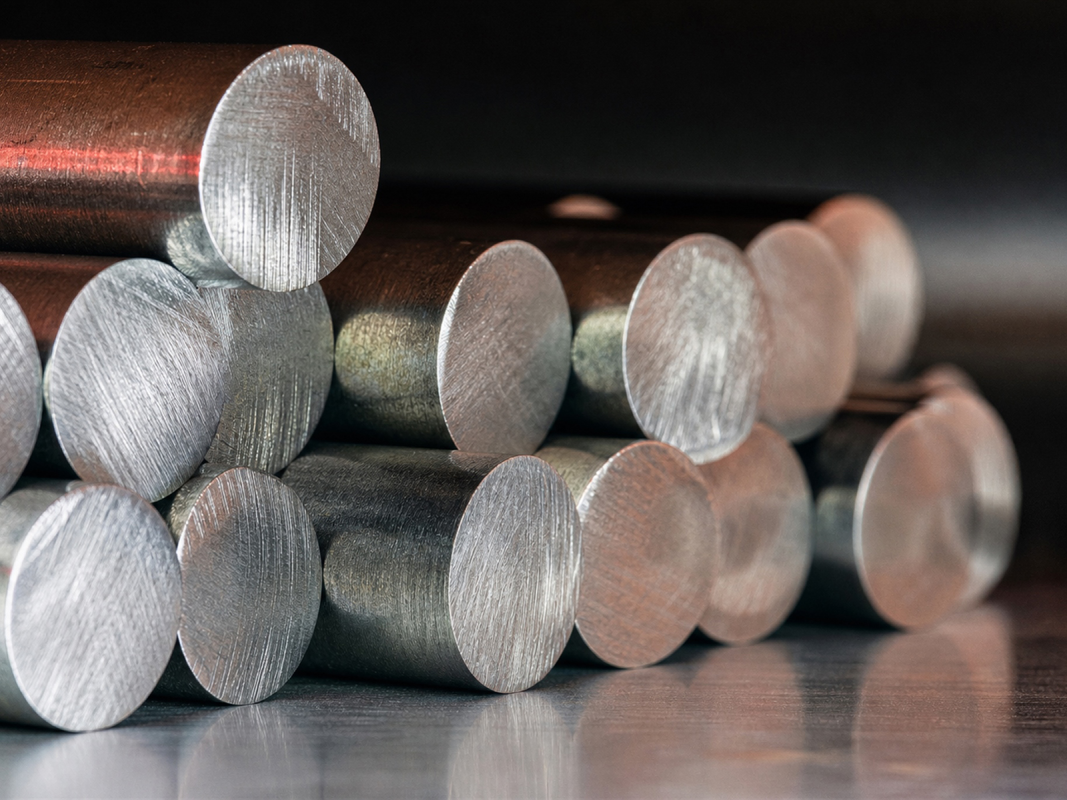
What Is the Impact Toughness of Gr12 Titanium Rod?
Impact-toughness questions for Grade 12 titanium rod. Whether an impact test is useful depends ...
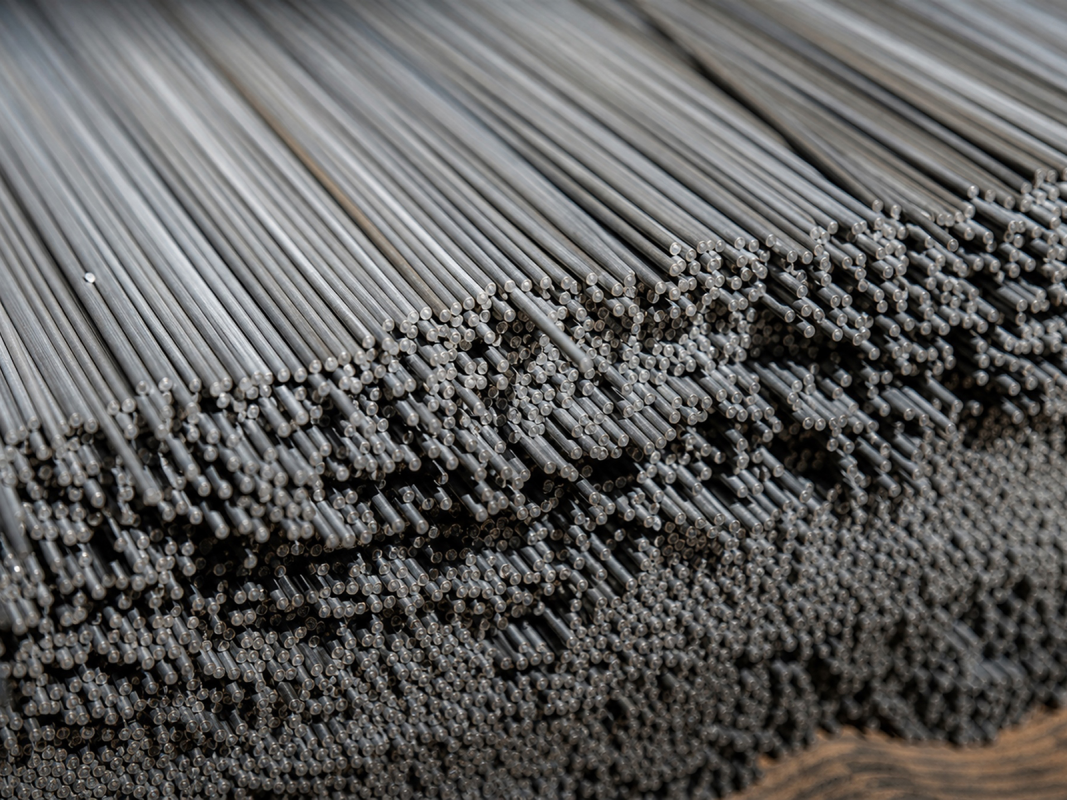
What Is the Diameter Tolerance of Gr12 Titanium Rod?
The diameter tolerance standards of Gr12 titanium rods mainly follow the requirements of ASTM B348 s...
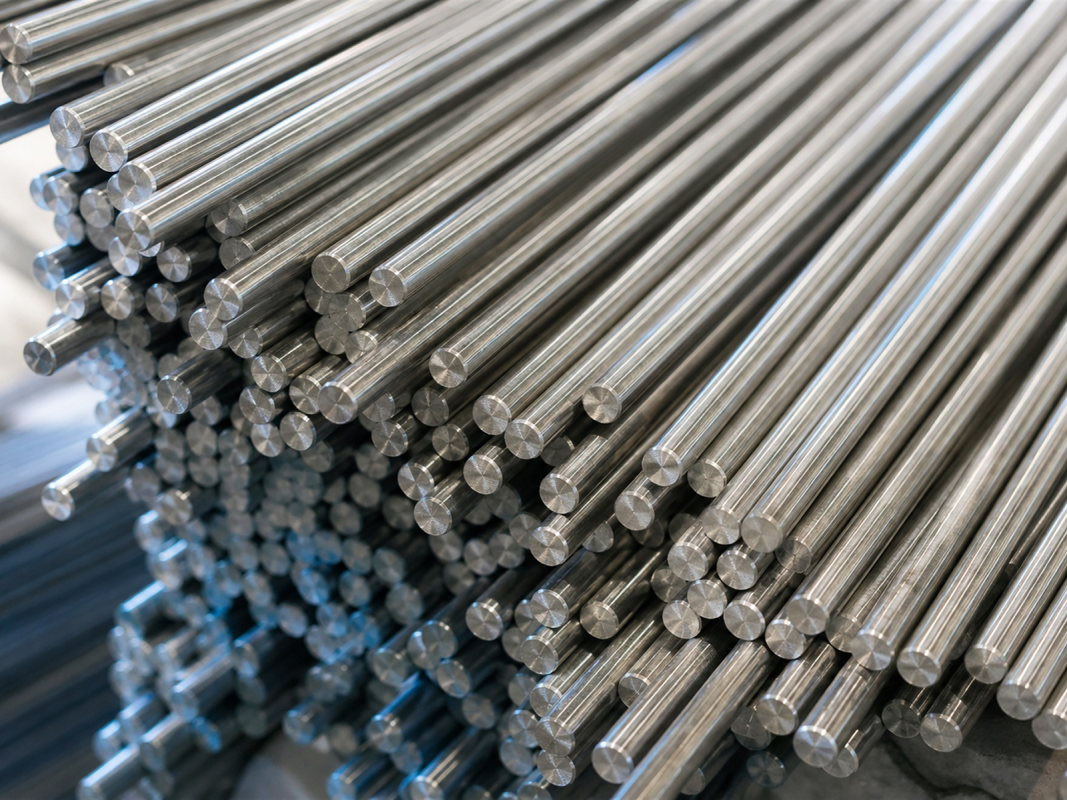
Why Use Gr12 Titanium Rod in High-Temperature Chloride Environments?
Gr12 Titanium Rod (modified Grade 2 titanium alloy, UNS R60702, containing 0.2–0.4% Mo and 0.6–0.9% ...
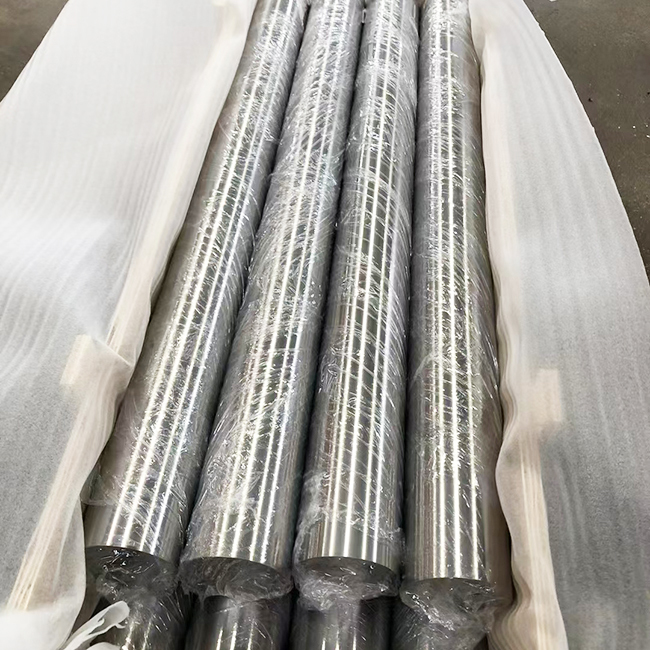
Why Is Gr12 Titanium Rod a Reliable Choice for Corrosion Protection in Chemical Processing and Marine Engineering?
In chemical processing and marine engineering, equipment failure often starts with material damage i...