
How Does Grade 1 Titanium Wire Fatigue Compare with Other Materials?
- Gr1 Titanium Wire
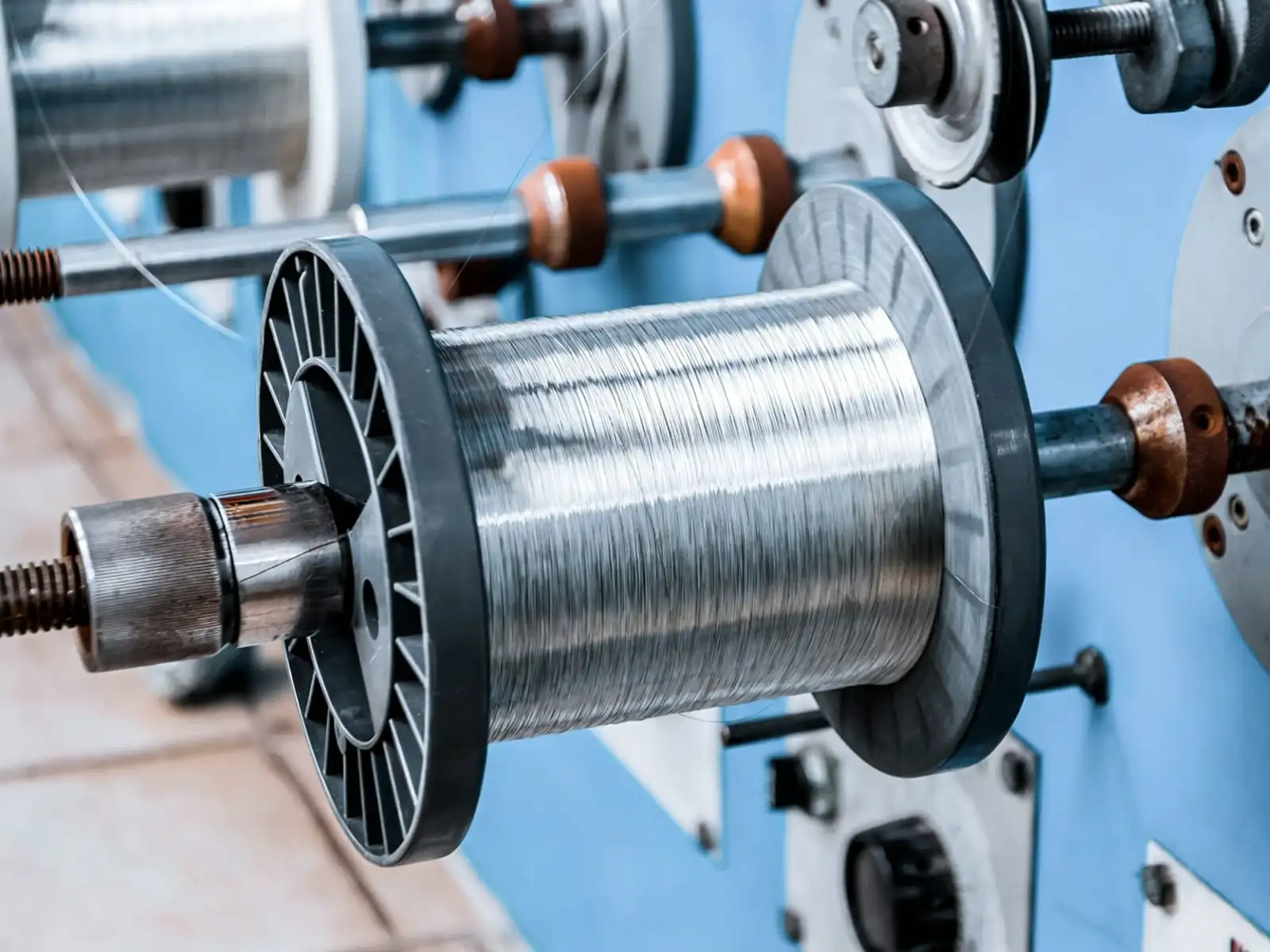
Comparing the fatigue life of Grade 1 titanium wire with stainless steel, copper or another material requires comparable test data. There is no single percentage improvement or cycle count that applies to every wire and finished component. Material condition, surface, loading and service environment all influence the outcome.
Make the comparison meaningful
Identify the exact grades, wire diameter, processing condition and surface finish. Compare the same specimen geometry, test direction, loading type, stress or strain range, stress ratio, frequency and temperature. If a corrosive environment is relevant, document its composition and exposure. Results obtained using different specimens or test methods may answer different questions.
| Comparison factor | Why it matters |
|---|---|
| Grade and condition | Composition, drawing and heat treatment can influence properties. |
| Geometry and surface | Diameter, bending radius, defects and finish affect local stress. |
| Loading | Axial, bending and torsional tests are not automatically equivalent. |
| Environment | Temperature, exposure and corrosion can change component behavior. |
Understand fatigue results
An S–N curve relates an applied stress measure to cycles under a defined procedure. Report the stress ratio, test temperature, specimen details, number of samples and whether each specimen failed or reached a run-out condition. Scatter matters: a single specimen does not establish an assured service life. A tensile result also cannot by itself establish fatigue life.
ASTM E466 describes force-controlled, constant-amplitude axial fatigue testing of metallic specimens within its stated scope. It does not automatically cover full-scale components, bending tests or corrosive service. Select an appropriate method and acceptance criteria with the laboratory and design authority for the intended application.
Material and device documentation
ASTM B863 covers titanium and titanium alloy wire, including Grade 1, within its scope. Identify the edition, dimensions, condition and required certificate in the order. For medical-device manufacture, the manufacturer must confirm the applicable material specification and independently validate the finished device. A material grade does not establish MRI safety, implant lifetime or clinical outcomes.
Frequently asked questions
Does Grade 1 wire always outlast stainless steel wire?
No. A defensible comparison requires data for the actual materials and comparable conditions.
Can test cycles be used directly as a product lifetime?
Not without assessing the difference between the test loading and actual component service.
Explore the titanium wire category or request a quotation with your dimensions, specification and documentation requirements.
Published by: Titanium Valleys
Technical review: General Manager of the Production Department
Quality review: Quality Inspection Department
Last reviewed: October 20, 2026 (before the latest content update; the updated content is pending review).