
Grade 1 Titanium Foil vs Stainless Steel Foil: How to Choose
- Gr1 Titanium Foil
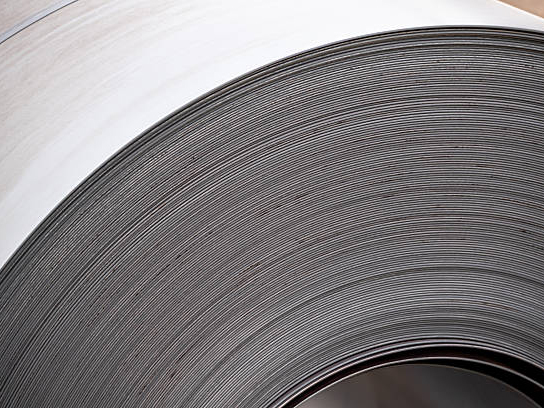
Grade 1 titanium foil and stainless steel foil can serve different manufacturing needs. The better choice depends on the specific stainless grade, material condition, thickness, component design and service environment. Neither material is universally more corrosion-resistant or automatically suitable for every application.
Compare defined materials
Grade 1 is unalloyed titanium, UNS R50250. ASTM B265 covers annealed titanium strip, sheet and plate, including Grade 1, within its scope. Confirm the ordered form, dimensions and specification edition. Stainless steel is a family of grades: identify the exact grade, applicable product specification and condition before comparing.
| Selection factor | What to compare |
|---|---|
| Weight | Compare density and finished component geometry, including thickness needed for the design. |
| Mechanical behavior | Use properties for the specified grades, condition, direction and thickness. |
| Corrosion | Evaluate the actual medium, temperature, contamination, joints and exposure. |
| Fabrication | Test forming, cutting and joining with the actual material and tooling. |
| Cost | Compare current quotations, processing, inspection and maintenance assumptions. |
Corrosion and service life
Both material selection and service performance depend on the entire environment. Chlorides, acids, temperature, oxygen availability and crevices can change corrosion behavior. Do not assume all stainless grades fail in seawater or that titanium resists every acid. Use appropriate compatibility information and testing for the specified medium and design.
Forming, joining and surface
Compare material condition, bend geometry, springback and required surface before choosing a forming route. Welding requires a procedure suitable for the materials and joint; shielding and cleanliness requirements should be established by the fabricator. Dimensional tolerance and achievable surface finish must be agreed for the particular foil, not assumed from a generic table.
Medical and other regulated applications
A material’s identity does not by itself establish food-contact compliance, biological safety, MRI conditions or a medical-device approval. The responsible manufacturer must confirm the applicable material specification and evaluate the finished product for its intended use. Compare procurement price and life-cycle costs with current quotations and project-specific assumptions.
Frequently asked questions
Is Grade 1 titanium always better than stainless steel in corrosive service?
No. The answer depends on the exact grades and service environment.
Does a lower material density guarantee a lighter component?
No. Required thickness, geometry and manufacturing also influence final weight.
Explore the titanium foil category or request a quotation with the drawing, grade, dimensions and required documentation.
Published by: Titanium Valleys
Technical review: General Manager of the Production Department
Quality review: Quality Inspection Department
Last reviewed: October 20, 2026 (before the latest content update; the updated content is pending review).