
Buying Titanium Welding Wire: Match the Filler, Delivery and Evidence to Your Weld

If you are buying titanium MIG wire or titanium TIG wire, start with the filler requirement in the welding procedure and the base material being joined. A general titanium wire listing may describe a useful material route, but it does not by itself establish the correct welding consumable. The purchasing decision becomes clearer when filler identity, delivery format and the evidence needed for your weld are reviewed together.
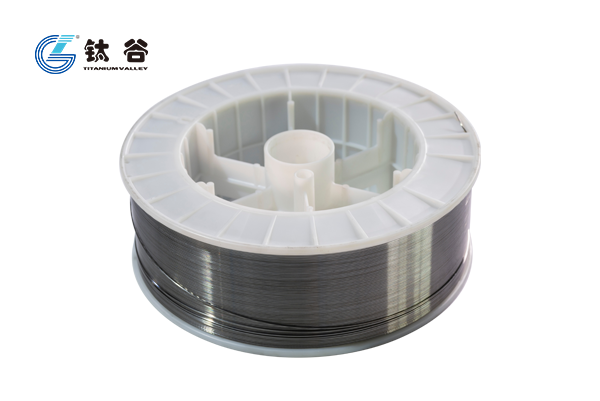
A grade name is not a complete welding-filler order
The base material and the filler metal have related but distinct specifications. A request that says only “Gr2 titanium wire” can leave the welding-filler classification, chemistry limits, cleanliness and documentation unresolved. If a qualified procedure already names the filler, send that designation and the governing specification to the supplier.
AWS A5.16/A5.16M is a specification reference for titanium and titanium-alloy welding electrodes and rods. State the classification and edition actually required by your procedure or contract. Do not replace that requirement with a general industrial-wire reference simply because the alloy family looks similar.
Matching filler chemistry is a common starting consideration, but the approved choice depends on the joint’s strength, ductility and service requirement. Any proposed alternative should be reviewed by the responsible welding specialist within the applicable qualification route. Purchasing should record the accepted choice rather than deciding a substitution from a catalogue title.
MIG and TIG lead to different delivery questions
| Your process | What the buyer should identify | Why the delivered format matters |
|---|---|---|
| MIG / GMAW with continuously fed wire | Filler designation, diameter and tolerance, spool compatibility, winding and continuity requirements. | The wire must be usable in the intended feeding setup as well as chemically suitable. |
| Manual TIG / GTAW with cut filler lengths | Filler designation, diameter, cut length, identification, cleanliness and packing. | Handling and material identification should remain practical at the point of use. |
| Mechanized TIG or another controlled feed route | Procedure requirement and the actual coil/spool or cut-length arrangement used by the equipment. | The process label alone does not define the machine’s feeding and packing requirements. |
“Titanium MIG welding wire” is therefore a useful search phrase, while the purchase order needs the exact consumable and delivery configuration. “Titanium TIG wire” should not automatically be interpreted as cut rods if your process uses a wire feeder. Explain the equipment arrangement or share the existing consumable label when that is the simplest way to start.
Use existing titanium products as material references, not assumed filler approval
The Gr1 wire and Gr2 wire pages identify commercially pure titanium raw-material routes. The Gr5 wire listing identifies a titanium-alloy route. They help establish which base material or wire family you mean, but the proposed welding delivery still needs its own agreed filler specification and supporting evidence.
A general product diameter interval does not confirm that a specific welding diameter, filler classification and spool combination are ready to ship. Ask the supplier to confirm the required configuration in writing. Where your procedure calls for a specific consumable classification, keep that identity visible through quotation, inspection and receiving.
The wire supply capability page provides an enquiry route for this review. This guide does not announce that every listed industrial titanium wire is an approved filler metal for every process.
Cleanliness belongs in the purchase, not just the welding instruction
Titanium welding is sensitive to contamination of the hot metal and filler. Oils, residues and handling contamination can affect the joint. For purchasing, the useful question is what clean condition will arrive at the point where your team opens and uses the wire.
Agree the supplied surface, cleaning and packing basis appropriate to the consumable specification and your process. Ask how the material remains identified after a package is opened and how a partial quantity should be handled within your own procedure. An external carton in good condition does not establish the condition of wire that has been unpacked and stored at the workstation.
Correct filler supply does not replace shielding, joint preparation or welding qualification. If a trial weld is unsatisfactory, retain the consumable lot and process record so the investigation can distinguish incoming material from preparation, feeding or shielding problems.
Check the evidence at the material stage it actually describes
A useful consumable document identifies the supplied material, classification or agreed specification, lot and relevant test results. Check that its identity matches the wire and package being offered. A company management-system certificate answers a different question from the lot evidence for a particular consumable.
If a special inspection or test is required, agree it before comparing offers. A generic data sheet does not show that an individual shipment was tested to every supplementary item your customer requires. The quotation should make clear which documents accompany the actual supply and which additional work is included.
For a process trial, retain a labelled sample of the incoming wire and the record of the representative weld. The test and acceptance criteria come from the applicable joint and procedure requirements, not from the marketing description of the filler.
What a titanium welding wire price should include
Compare titanium welding wire price against the same filler designation, diameter, surface, usable quantity, delivery format and inspection scope. A mass price for general wire is not directly comparable with a price for a specified consumable on an agreed spool with lot documents and protected packing.
For spooled wire, ask what quantity basis is being quoted and what defines an acceptable usable spool. For cut lengths, confirm length and identification. Include any requested testing, special packing and destination requirements in the comparison so one offer is not quietly leaving more work for your team.
Current availability, minimum practical supply and delivery timing need confirmation for that defined consumable request. This page does not publish a universal price or imply that every filler grade is held in stock.
Let the first order resolve one real uncertainty
If the filler is already fixed, the first enquiry can focus on evidence, diameter and the delivery format your process needs. If the filler selection is still open, explain the base alloy, joint, intended duty and procedure status. That lets the discussion distinguish a material quotation from a welding-selection decision.
If your team evaluates a sample, use a representative feed or cut-length format and retain lot identity with the weld record. When the route is accepted, repeat the same consumable definition and agree which changes need review. That makes subsequent quotations and deliveries easier to compare.
The wire grade and condition guide and wire product range provide related raw-material context. For filler supply, begin with the procedure requirement and let the quotation identify the remaining details clearly.