
Why Is the Main Advantages of Using TB13 Titanium Rods in Manufacturing Important?
- TB13 Titanium Alloy
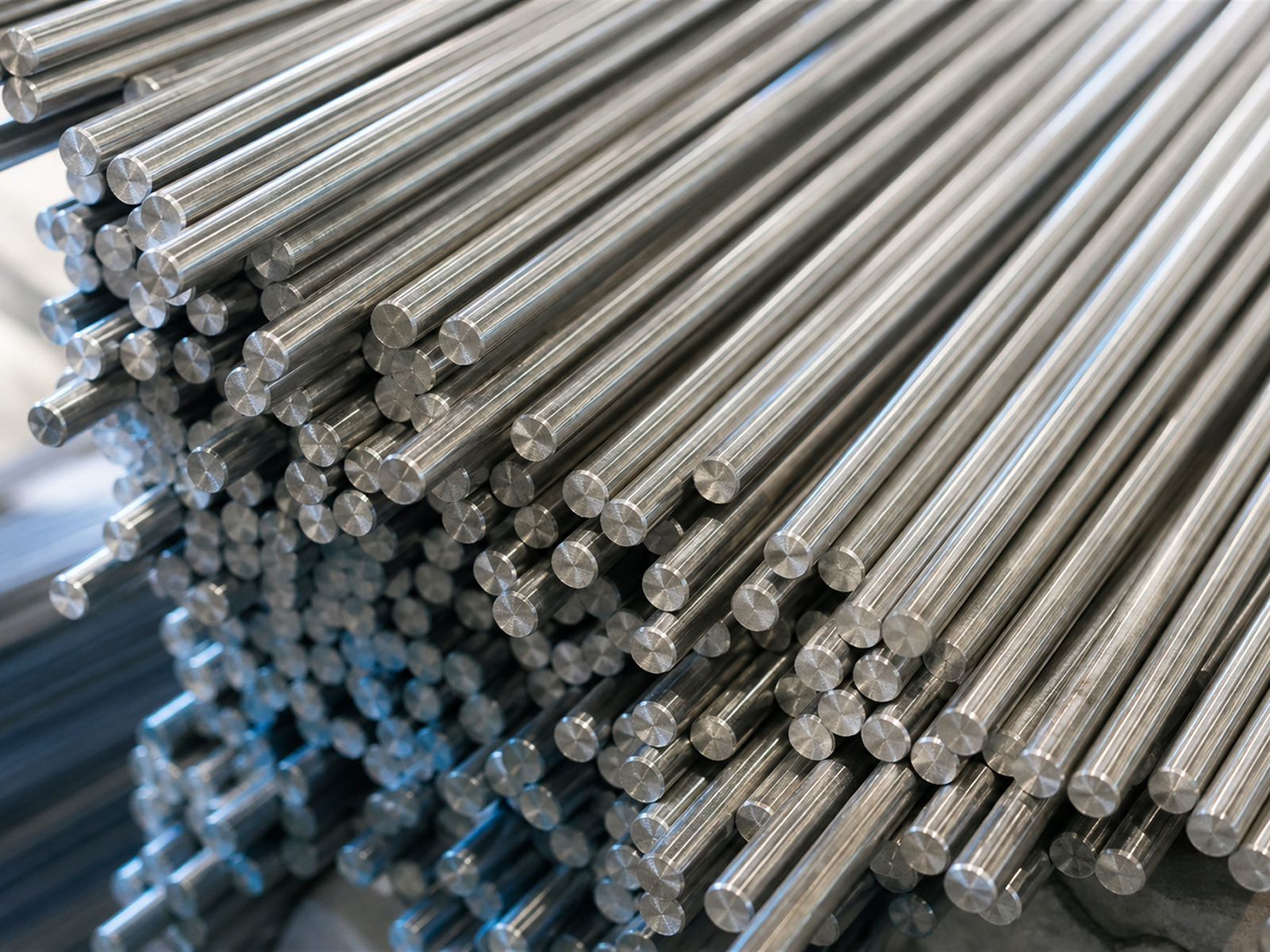
TB13 titanium rods, as a representative material of near-β titanium alloys, demonstrate a unique competitive advantage in the field of modern precision manufacturing. This material combines ultra-light weight, excellent superelasticity, outstanding cold working performance, and good corrosion resistance, making it particularly suitable for the production of high-end eyeglass frames, medical devices, aerospace precision components, and electronic product structural parts. Compared with traditional stainless steel or ordinary alloys, TB13 titanium rods can achieve up to 80% cold deformation processing while maintaining stable resilience and shape memory characteristics, significantly reducing material loss and processing difficulty during production. Its nickel-free design effectively avoids metal allergy issues, and its non-magnetic properties make it invaluable in the manufacturing of precision instruments and electronic devices. These comprehensive properties make TB13 titanium rods an ideal choice for manufacturing enterprises pursuing lightweight design, high reliability, and product differentiation.
1. What Should You Know About Excellent Material Properties Empower High-end Manufacturing?
(1) What Should You Know About Super Rebound Performance Redefines Product Durability?
The β-phase structure of the TB13 titanium rod endows it with excellent superelastic characteristics, allowing the material to withstand repeated bending without permanent deformation or fracture. This feature is particularly crucial in the manufacturing of eyeglass frames, as accidental twists during daily wear do not damage the frame, significantly reducing after-sales repair rates. In applications involving precision elastic components such as springs, clips, and instrument springs, TB13 material can provide a stable elastic response, maintaining its original performance even after tens of thousands of loading cycles, with a service life far exceeding that of traditional spring steel materials.
(2) Why Is Lightweight Design Enhances User Experience Important?
TB13 titanium rods, with a density of about 4.5 g/cm³, are approximately 40% lighter than stainless steel. This characteristic creates significant value in products that need to be worn or held for long periods. When high-end eyeglass frames use TB13 material, the weight of a single pair can be reduced by 3-5 grams, effectively relieving pressure on the nose and ears. In the field of medical surgical instruments, lightweight design reduces surgeon fatigue and improves surgical precision. Portable electronic devices and smart wearable products use TB13 titanium rod components to achieve overall weight reduction while maintaining strength, enhancing market competitiveness.
(3) Why Is Low Elastic Modulus Brings Unique Flexibility Advantages Important?
The elastic modulus of TB13 titanium rods is approximately 70-80 GPa, significantly lower than that of conventional titanium alloys and stainless steel. This characteristic allows the material to undergo greater elastic deformation under stress without entering the plastic deformation region. In eyewear frame applications, this flexibility translates into better fit and wearing comfort. Orthodontic wires and supporting structures utilize this feature to apply continuous gentle corrective forces, avoiding patient discomfort caused by excessive rigidity. Shock-absorbing components in precision machinery made of TB13 material can effectively absorb vibration energy, protecting sensitive parts from impact damage.
2. What Should You Know About Enhanced Process Adaptability Reduces Manufacturing Costs?
(1) What Should You Know About Optimization of Production Process for Cold Working Performance?
TB13 titanium bars exhibit exceptionally excellent plasticity in the solution-treated state, with a cold deformation rate of over 80%. This characteristic completely changes the traditional perception that titanium alloys are difficult to process. Manufacturing enterprises can adopt conventional metal processing techniques such as cold drawing, cold rolling, and cold bending, without the need for expensive hot processing equipment or complex process control. When eyewear manufacturers use TB13 material, the first-pass yield rate for bending and forming temples exceeds 95%, significantly reducing scrap rates. In the precision stamping of electronic connectors, TB13 material shows good adaptability to molds, and the tool wear rate is 30-40% lower than that of high-strength titanium alloys.
(2) What Should You Know About Extended Performance Adjustment Range of Heat Treatment Response?
Through solution treatment and aging, the strength of TB13 titanium rods can be adjusted over a wide range to meet performance requirements in different application scenarios. Materials in the solution-treated state have moderate strength but excellent plasticity, suitable for complex forming processes; after aging treatment, strength is significantly increased, meeting the requirements of high-load structural components. This flexible heat treatment response allows the same batch of material to adapt to diversified product needs, simplifying inventory management. Medical device manufacturers can implement differentiated heat treatments on TB13 material according to the functional requirements of different parts of the device, achieving an optimal distribution of strength and toughness within a single product.
(3) Why Is Enhancing the Added Value of Products Through Surface Treatment Compatibility Important?
The surface of the TB13 titanium rod is compatible with various decorative and functional processing techniques such as anodizing, PVD coating, and laser engraving. Anodizing can form a colorful oxide film layer on the material surface, enriching the color options for high-end glasses and wearable products. PVD coating technology gives the TB13 titanium rod higher surface hardness and wear resistance, extending the service life of watch cases and metal accessories. Laser engraving technology can achieve fine patterns and markings on the material surface, allowing brand identification and personalized customization without additional processing, thereby enhancing the product’s premium value.
Type of Processing Technology | TB13 Titanium Rod Performance | Comparison of Traditional Materials | Improvement of production efficiency |
Cold bending forming | Single-shot molding rate >95% | Multiple adjustments, success rate 70-80% | Increase by 25-30% |
Precision Cutting | Tool life extended by 40% | Frequent tool changes, slow processing speed | Increase by 30-35% |
Stamping processing | Mold wear reduced by 35% | High mold maintenance cost | Reduce costs by 20% |
3. What Should You Know About Comprehensive Corrosion-resistant Performance Extends Product Life Cycle?
(1) What Should You Know About Multi-environment Corrosion Resistance?
TB13 titanium bars maintain stable performance in a variety of corrosive environments, with a spontaneously formed dense oxide film on the surface effectively blocking corrosion media. In saline-spray marine environments, the corrosion rate of TB13 material is only 1/10 that of stainless steel, making it particularly suitable for marine engineering equipment and precision ship components. After adopting TB13 material, corrosion-resistant valves, pipe fittings, and instrument components in the chemical industry have their service life extended by 3-5 times in alternating acidic and alkaline environments. Medical devices, after repeated high-temperature sterilization and chemical cleaning, still retain the original luster and performance of TB13 components, with no oxidation discoloration.
(2) What Should You Know About Tolerant to Human Bodily Secretions, Ensuring Safe Wearing?
Eyeglass frames and smart wearable devices are in long-term contact with human sweat, and the chloride ions, lactic acid, and fatty acids contained in it can cause corrosion to ordinary metals. TB13 titanium rods have excellent resistance to sweat, and even with long-term wear in high temperature and high humidity environments, the material’s surface will not show rust, discoloration, or peeling. This characteristic ensures that the product always maintains a good appearance, preserving the brand image. When sports wearable devices use TB13 material, there is no need to worry about damage to the product caused by heavy sweating during intense exercise, significantly improving user satisfaction and product reputation.
(3) What Should You Know About Long-term Stability Reduces Maintenance Costs?
The oxidation and corrosion resistance properties of TB13 titanium rods translate into long-term economic value for products. High-end eyewear can remain like new even after 5-10 years of normal use, so users do not need to replace them frequently. TB13 components in precision instruments reduce performance drift and downtime caused by corrosion, lowering the frequency of equipment maintenance and the cost of spare parts replacement. After marine engineering equipment adopts TB13 material, the regular maintenance cycle is extended from 6 months to 18-24 months, significantly reducing operating costs. This long-term stability makes TB13 titanium rods the preferred material for companies seeking to optimize total lifecycle costs.
4. What Should You Know About Health and Safety Features Meet Strict Standards?
(1) What Should You Know About Nickel-free Formula Eliminates Allergy Risk?
The TB13 titanium rod is designed with a nickel-free composition, fundamentally preventing contact dermatitis caused by nickel ion release. Approximately 10-15% of the global population is allergic to nickel, and traditional nickel alloy glasses and jewelry often cause adverse reactions such as skin redness and itching. Products made from TB13 material completely eliminate this risk, making them particularly suitable for people with sensitive skin and children’s products. Using TB13 material in medical implants and medical devices that are in long-term contact with the skin can prevent chronic allergic reactions and tissue inflammation, improving treatment safety and patient compliance.
(2) Why Is Biocompatibility Supports Medical Applications Important?
TB13 titanium rods exhibit good biocompatibility, and the material does not trigger immune rejection or tissue necrosis after being implanted in the human body. Orthodontic wires made from TB13 material do not release harmful ions when placed in the oral environment for a long time and do not affect the balance of oral microbiota. TB13 components of surgical instruments and diagnostic devices do not produce cytotoxicity when in contact with human tissues, meeting the strict requirements of medical device biocompatibility evaluation. This excellent biocompatibility has continuously expanded the application of TB13 material in the medical and healthcare field, extending from in vitro devices to some short-term contact implants.
(3) What Should You Know About Non-magnetic Features Ensure a Precise Environment?
TB13 titanium rods are completely non-magnetic materials; they are not magnetized in strong magnetic fields and do not interfere with the surrounding magnetic field distribution. This characteristic is indispensable for instruments and accessories used in medical imaging equipment such as MRI rooms, ensuring that image quality is not affected by metal interference. In the manufacture of precision electronic equipment, fixtures, fasteners, and connectors made from TB13 material do not cause electromagnetic interference to sensitive electronic components. Aerospace instruments and meters use TB13 components to avoid the impact of magnetic materials on navigation systems and communication equipment, ensuring flight safety. The non-magnetic feature expands the application space of TB13 titanium rods in high-tech fields.
Health and Safety Indicators | TB13 Titanium Rod Performance | Application value |
Nickel content | 0% (Nickel-free formula) | Eliminate the risk of nickel allergy |
Biocompatibility | Compliant with ISO 10993 standards | Medical device safety certification |
Magnetic | Completely non-magnetic | Suitable for MRI environment |
Cytotoxicity | Level 0 (Non-toxic) | Long-term exposure safety |
5. Why Is Dual Improvement of Economic Benefits and Brand Value Important?
(1) What Should You Know About Reduce the Total Life-cycle Cost?
Although the initial procurement cost of TB13 titanium rods is higher than that of ordinary stainless steel or aluminum alloys, a comprehensive lifecycle cost analysis shows that their economic advantages are significant. The material’s high corrosion resistance and fatigue performance extend the product’s service life by 3-5 times, diluting the material cost over time. Excellent processing performance reduces scrap rates and tool wear during production, cutting manufacturing costs by 15-25%. The product’s low failure rate and maintenance requirements lower after-sales service costs, improving user satisfaction and repurchase rates. For manufacturing companies pursuing long-term investment returns, the overall economic benefits of TB13 material are significantly superior to traditional materials.
(2) What Should You Know About Product Differentiation and Premium Pricing Strategy?
The premium material properties of the TB13 titanium rod provide products with significant differentiated advantages, helping companies break free from the red ocean of price competition. After high-end eyewear brands use TB13 material, product pricing can increase by 30-50%, and consumers are willing to pay a premium for lightweight, hypoallergenic, and highly elastic performance. Smart wearable devices with TB13 frames can enhance the sense of technology and quality of the product, improving brand image. Industrial precision component manufacturers, by offering TB13 material options, can meet the stringent requirements of high-end clients in aerospace, medical, and other industries, expanding high-margin market opportunities. The brand premium brought by material upgrades far exceeds the increase in material costs.
(3) Why Is Expand Applications Across Multiple Fields to Create Growth Opportunities Important?
The multifunctional characteristics of TB13 titanium rods enable them to span multiple application areas, opening up new growth opportunities for businesses. Eyewear manufacturers can leverage existing TB13 processing capabilities to expand into medical device components, high-end wearable products, and precision hardware. Electronics manufacturers use TB13 materials to develop lightweight structural parts, enhancing product competitiveness while gaining experience in processing high-end materials. The automotive industry’s demand for TB13 titanium rods is rapidly growing amid the transition to lightweight designs, allowing related component suppliers to seize this opportunity to expand market share. The versatility of the material across different fields provides businesses with diversified development paths, reducing dependence on a single market.
Application field | TB13 Material Value | Market premium space | Typical Application Case |
High-end glasses | Lightweight, super elastic, hypoallergenic | 30-50% | Sports glasses, luxury frames |
Medical devices | Biocompatibility Corrosion Resistance | 40-60% | Orthodontic wires, surgical instruments |
Electronic products | Non-magnetic Lightweight | 25-40% | Wearable device framework, precision connectors |
Precision instruments | Anti-fatigue, dimensionally stable | 35-55% | Elastic components, high-precision shafts |
6. What Is the Conclusion?
TB13 titanium bars provide a comprehensive material technology upgrade solution for modern manufacturing with their superelastic memory, lightweight, strong corrosion resistance, nickel-free anti-allergic properties, non-magnetic nature, and excellent processing performance. From high-end eyewear to medical devices, from precision electronics to aerospace, TB13 materials not only enhance product performance and user experience but also create significant economic value for enterprises by reducing total lifecycle costs and supporting brand premium. As the manufacturing industry moves toward high-end, lightweight, and functional development, the application prospects of TB13 titanium bars will become even broader.
FAQ
Q1: What unique advantages does the TB13 titanium rod have compared to ordinary titanium alloys?
TB13 belongs to the near-β type titanium alloy, featuring up to 80% cold deformation capability and excellent superelasticity, far surpassing α-type and α-β type titanium alloys. Its nickel-free composition design avoids allergies, and the low elastic modulus provides better flexibility, making it particularly suitable for applications that require complex forming and elastic functions.
Q2: Is the cost of making eyeglass frames using TB13 titanium rods too high?
Although the unit price of TB13 material is higher than stainless steel, its excellent processing performance reduces the scrap rate by 20-30%, and its long-term durability lowers after-sales costs. The overall manufacturing cost increases by only about 15%. The product’s premium capability rises by 30-50%, and the resulting profit growth far exceeds the cost increase, achieving an overall improvement in economic efficiency.
Q3: What certifications are required for TB13 titanium rods in medical applications?
Medical-grade TB13 titanium rods must comply with ISO 10993 biocompatibility standards, including cytotoxicity, sensitization, and irritation tests. For export to European and American markets, CE certification and FDA registration are also required. We can provide complete material certificates and third-party test reports to ensure that the products meet the medical device regulatory requirements of various countries.
How Should Looking for Reliable TB13 Titanium Rod Suppliers?
Baoji Titanium Valley Titanium Nickel Zirconium Material Processing Co., Ltd. is a professional TB13 titanium rod manufacturer, equipped with advanced Italian Danieli rolling production lines and a complete quality control system, with an annual production capacity of over 20, 000 tons. We provide customized sizes, various surface treatments, and fast delivery services to meet the stringent requirements of the aerospace, medical, and high-end manufacturing sectors. For inquiries, welcome to contact: sales@titaniumvalleys.com
References
- Zhao Yongqing, Ge Peng. Phase Transformation and Heat Treatment of Titanium Alloys [M]. Beijing: National Defense Industry Press, 2020.
- Li Shujun, Yang Rui. Study on the Microstructure and Mechanical Properties of Near-β Titanium Alloys [J]. Rare Metal Materials and Engineering, 2019, 48(6): 1823-1830.
- Chen Zhenhua, Xia Weijun, Xie Feng. Research Progress on Biomedical Titanium Alloys [J]. Materials Review, 2021, 35(3): 3051-3059.
- Peters M, Kumpfet J, Ward C.H, Lyons C. Titanium Alloys for Aerospace [M]. Advanced Engineering Materials, 2018.