
Grade 2 Titanium Wire Electrical Conductivity and Resistance
- Gr2 Titanium Wire
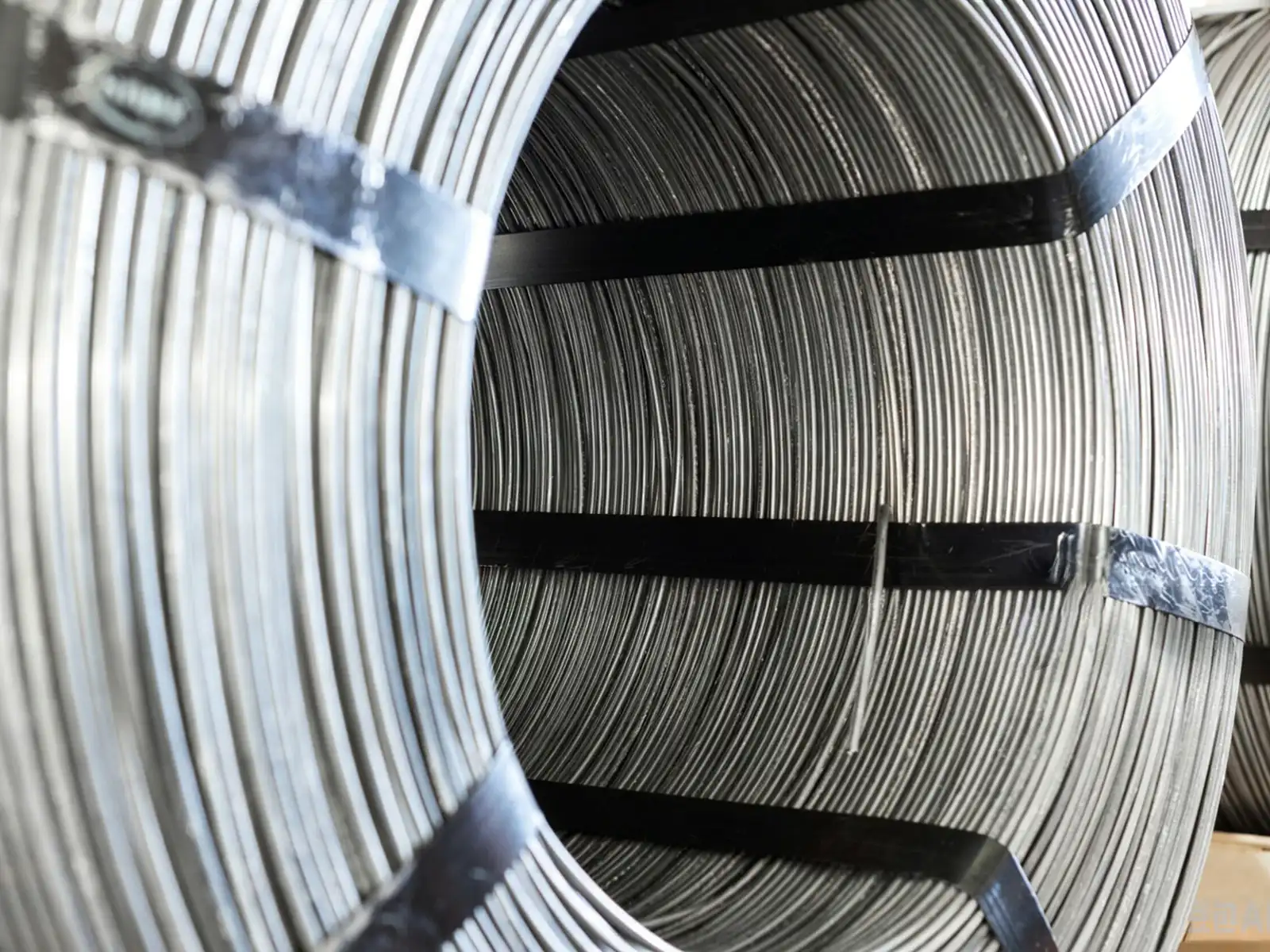
Electrical conductivity describes how readily a material conducts current; resistivity describes its opposition to current flow. For Grade 2 titanium wire, the value used in a design should come from data applicable to the material condition and temperature, or from an agreed measurement. A single nominal number is not a guarantee for every lot.
From resistivity to wire resistance
Conductivity is the reciprocal of resistivity when consistent units are used. For a uniform wire, resistance is calculated from resistivity multiplied by conductor length and divided by cross-sectional area. Specify the actual wire diameter and length, temperature and any dimensional tolerance. This calculation addresses bulk wire resistance; it does not include contact resistance.
Electrical performance can vary with composition, processing, material condition and temperature. Use measured values or appropriately documented data at the operating conditions rather than assuming a fixed temperature coefficient or improvement from a particular treatment.
Measurement and connection
| Measurement item | What to record |
|---|---|
| Material | Grade, lot, diameter and delivery condition. |
| Bulk resistance | Measured length, cross-section, temperature and test uncertainty. |
| Resistivity | Test method, specimen preparation and reported units. |
| Contact resistance | Surface, connection pressure, joining method and environmental exposure. |
ASTM B193 is a test method for resistivity of metallic electrical conductor materials; confirm that the specimen and application fall within the chosen method. ASTM B863 is a material specification for titanium wire and should not be confused with an electrical-property test method.
Application boundaries
A protective surface oxide can affect electrical contacts, while joints and coatings may change resistance and corrosion behavior. Evaluate the actual assembly, surface and service environment. Current capacity also depends on heat generation, cooling and insulation, not conductivity alone.
For medical electrodes or implanted devices, material data do not establish biological safety, MRI conditions or regulatory clearance. The finished device requires its own assessment.
Frequently asked questions
Are conductivity and resistivity the same?
No. They are reciprocal material properties when expressed in consistent units.
Does a low bulk resistance guarantee a low contact resistance?
No. Contact geometry, pressure, surface and environment also matter.
Explore the titanium wire category or request a quotation with the grade, dimensions, condition and documentation requirements.
Published by: Titanium Valleys
Technical review: General Manager of the Production Department
Quality review: Quality Inspection Department
Last reviewed: October 20, 2026 (before the latest content update; the updated content is pending review).