
What Are the Typical Uses of Grade 5 Titanium Foil? Full Industry Breakdown

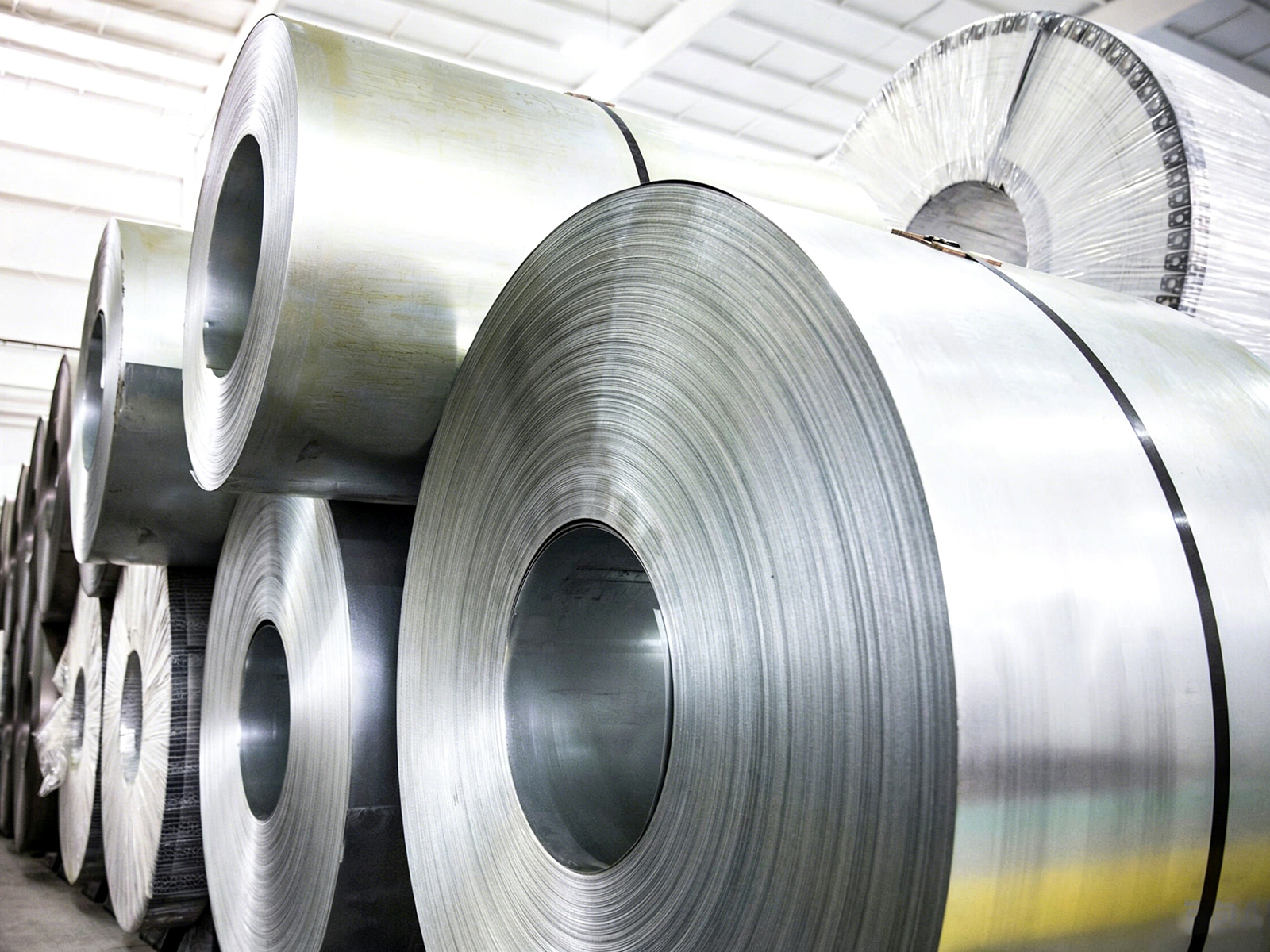
Grade 5 titanium foil applications. Grade 5 is the Ti-6Al-4V alloy included in ASTM B265 for strip, sheet and plate. Thin material can be evaluated for formed parts, protective components or assemblies that need a specified strength-to-weight combination, but the final use must match the drawing, condition and service environment.
Compare applications by requirement
| Application context | Question to validate |
|---|---|
| Aerospace or high-load parts | What drawing, fatigue, processing and traceability requirements apply? |
| Chemical equipment | What exact medium, concentration, temperature and joint geometry will the foil see? |
| Precision formed components | Can the ordered thickness and condition meet the forming and surface criteria? |
| Medical-device manufacture | Which separate material and finished-device standards govern the intended use? |
Do not treat a generic corrosion-rate table or a claimed lifetime multiplier as an acceptance criterion. Those values require identified test methods, specimens and exposure conditions, and may not transfer to the finished component. Likewise, “aerospace” or “medical” describes a potential use, not automatic approval of a supplied foil lot.
RFQ inputs
State Grade 5, product form, applicable standard edition, thickness and tolerance, dimensions, delivery condition, surface, quantity and lot documentation. Add the fabrication route and any supplementary tests that the drawing requires. Review the foil category, see the anodizing process guide for surface-treatment questions, and send a technical RFQ. Source: ASTM B265 scope.
Frequently asked questions
Is Grade 5 foil suitable for every corrosive medium?
No. Assess the actual chemistry, temperature, component design and fabrication condition.
Does ASTM B265 certify an aerospace component?
No. The component may have separate drawing, process and qualification requirements.