
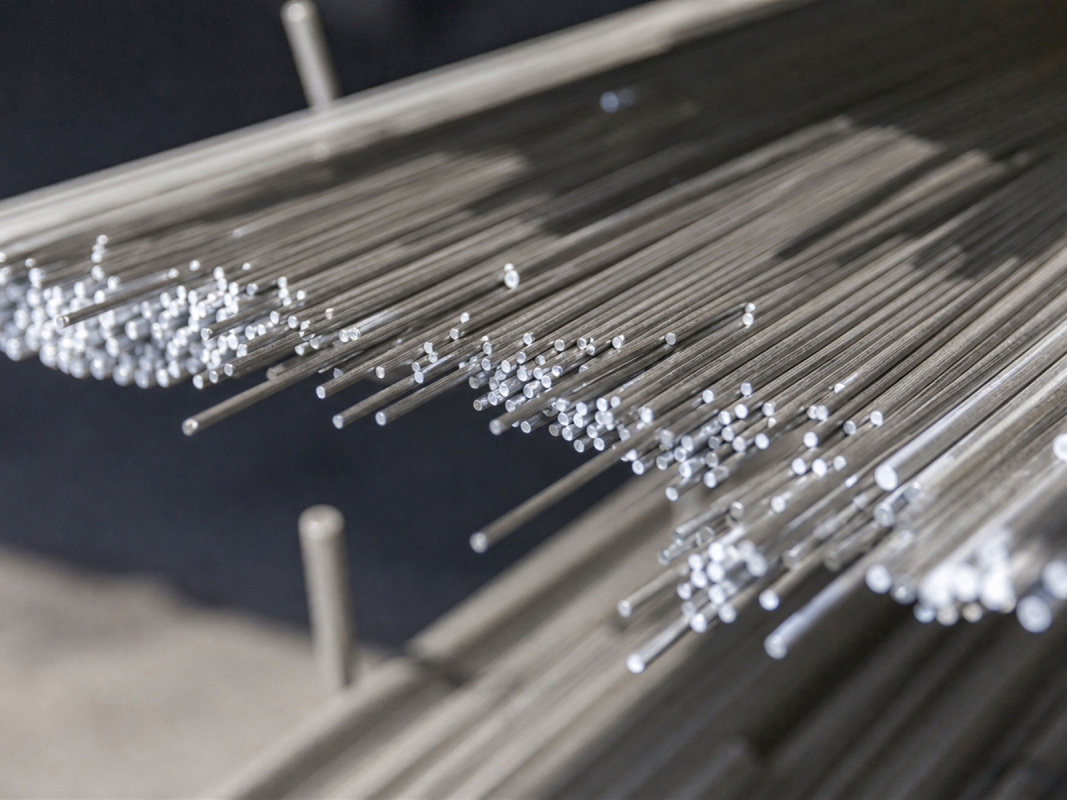
Applications of TB13 Titanium Alloy Bars in Next-Generation Military Industry

TB13 titanium alloy (~Ti-10Nb-2.5Mo), a novel beta-type titanium alloy, demonstrates significant app...

Understanding Grade 4 Titanium Foil Composition Strength and Applications
Cluster link: For the grade-level overview, see Grade 4 titanium overview.Grade 4 (Gr4) titanium foi...

UNS R60705 Zirconium Wire: Standards and Procurement Guide
UNS R60705 identifies a zirconium–niobium alloy that can be specified in wire form for an agree...
What Are the Characteristics of UNS R60702 Foil?
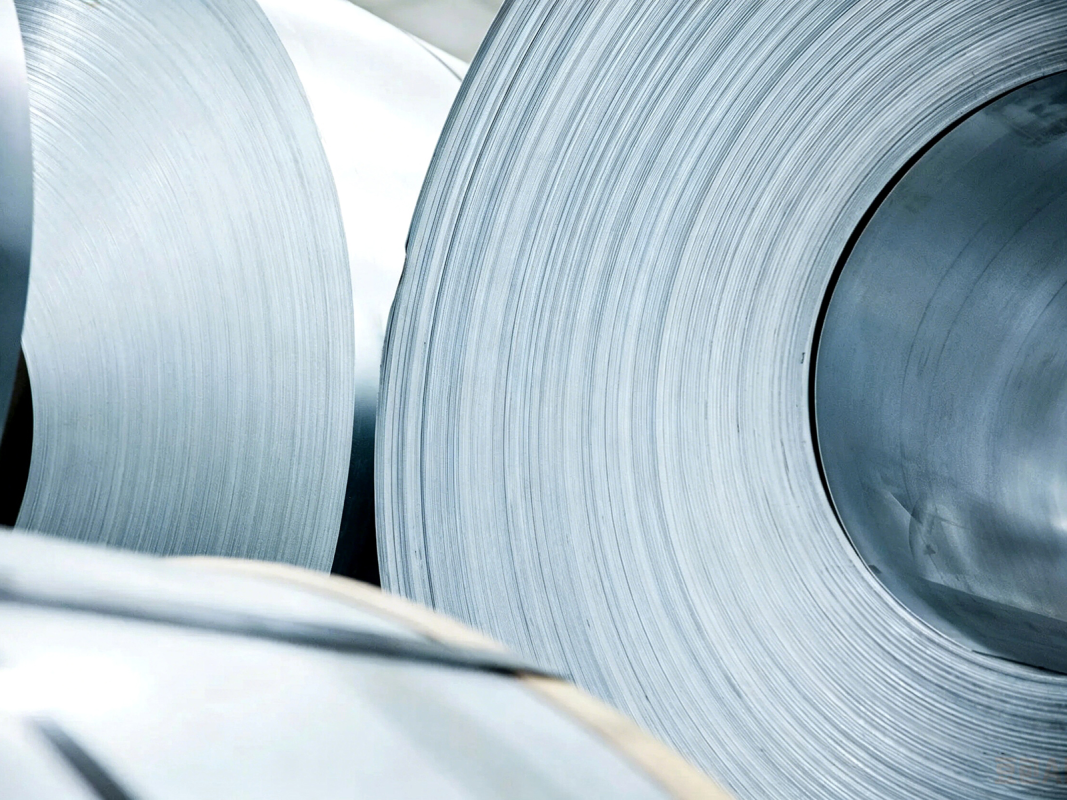
UNS R60702 (corresponding to Nickel 200) foil is a high-purity, commercially pure nickel material wi...

What Are the Differences Between ASTM B160 Nickel Bars and Other Specifications?
As a globally recognized forging pure nickel bar standard, ASTM B160 differs from other specificatio...

What Are the Main Advantages of Gr4 Titanium Foil in Industrial Applications?
Cluster link: For the grade-level overview, see Grade 4 titanium overview.Gr4 titanium foil (Grade 4...
What Are the Quality Standards for Gr5 Titanium Bars?
1. Introduction
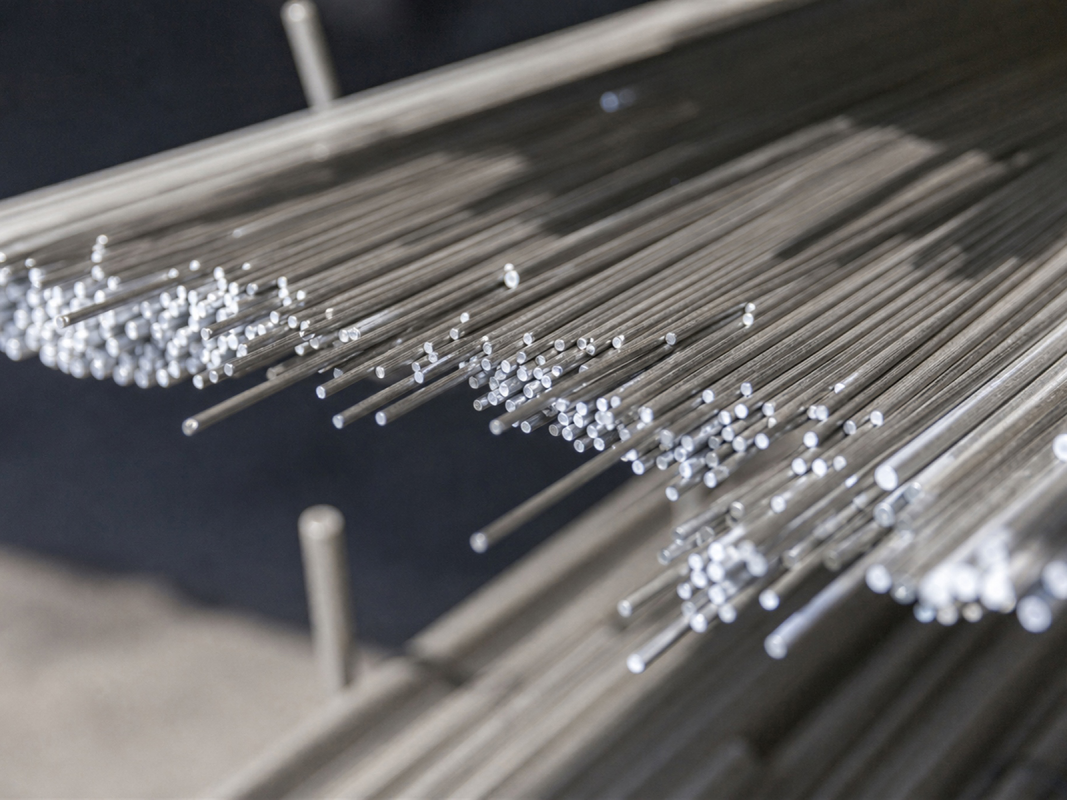
Gr5 titanium bars (Ti-6Al-4V), as the most widely applied titanium alloy material g...
What Are the Specific Medical Applications of Gr1 Titanium Bars?
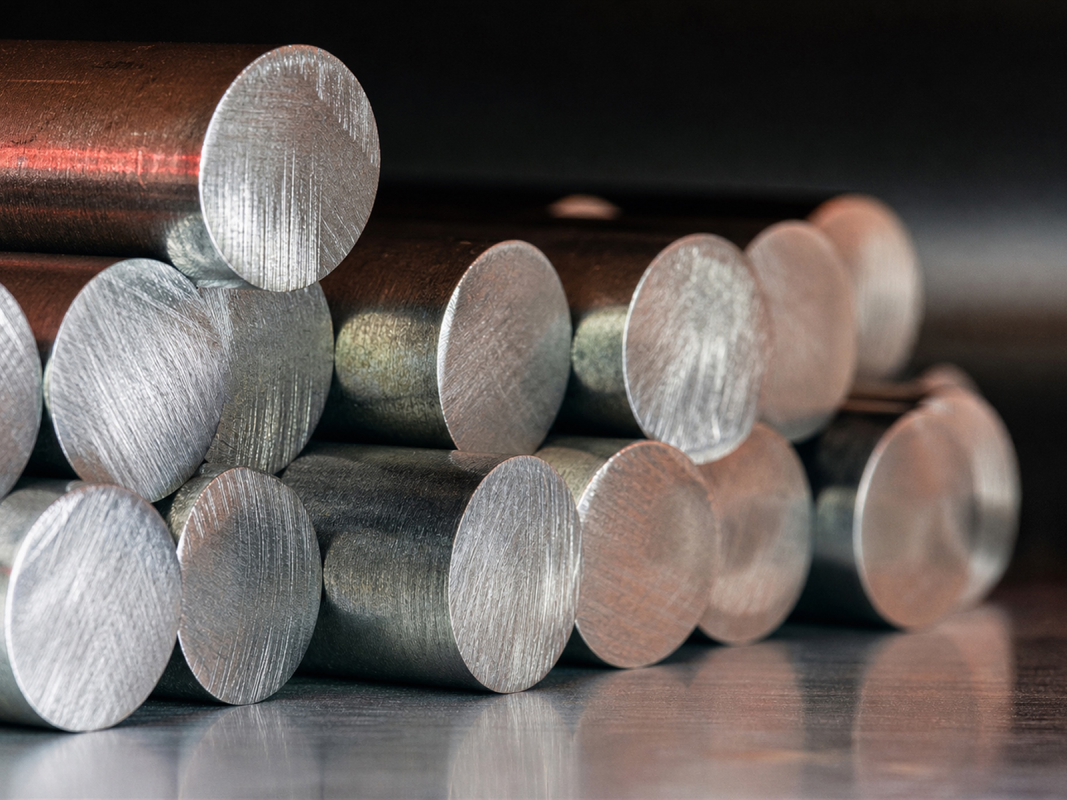
Gr1 titanium bar in medical-device manufacturing. Grade 1 / UNS R50250 is an unalloyed titanium...
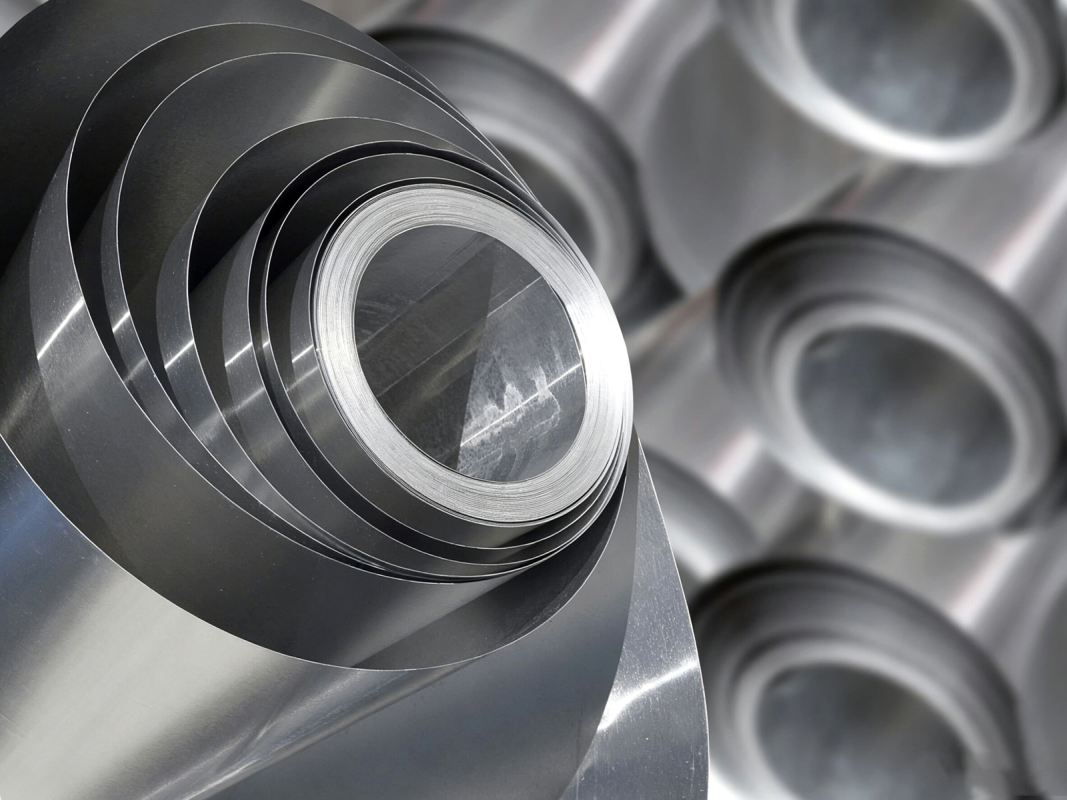
Nickel 200 Foil Applications: Selection by Component and Process
Nickel 200 Foil Applications: Selection by Component and ProcessDirect answer. Nickel 200 foil is se...
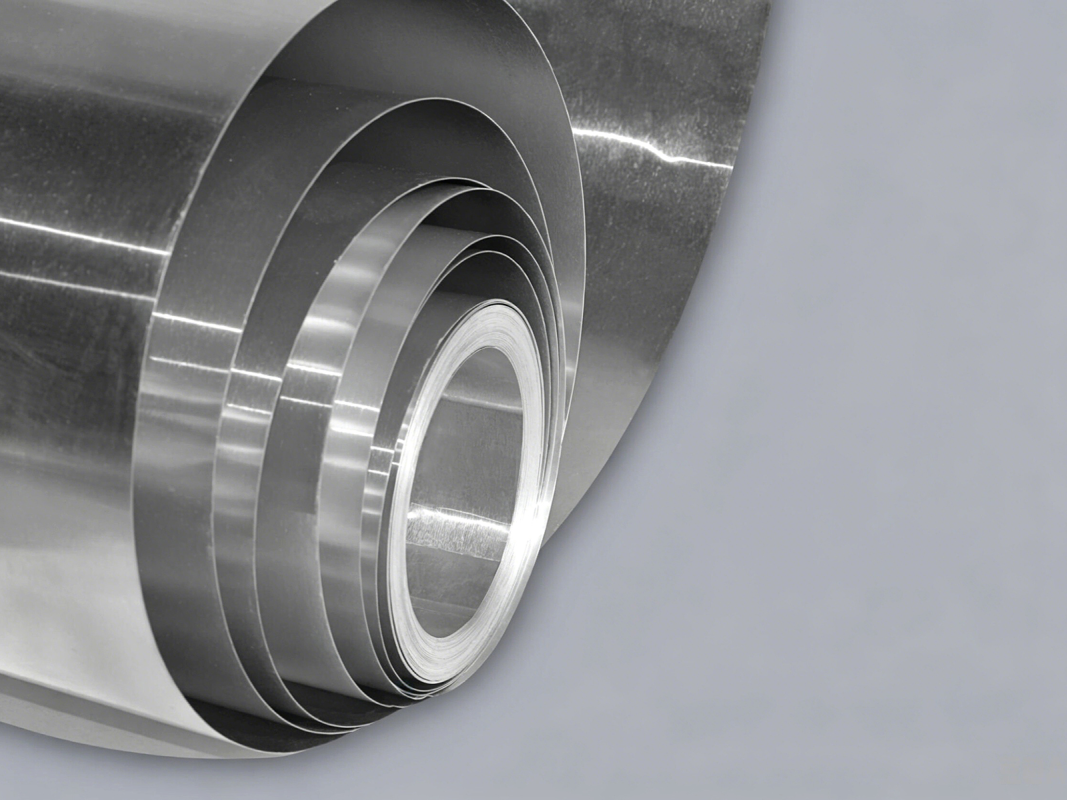
What Is Gr5 Titanium Foil?
Gr5 titanium foil (Ti-6Al-4V), the most widely applied titanium alloy foil, combines high strength, ...