
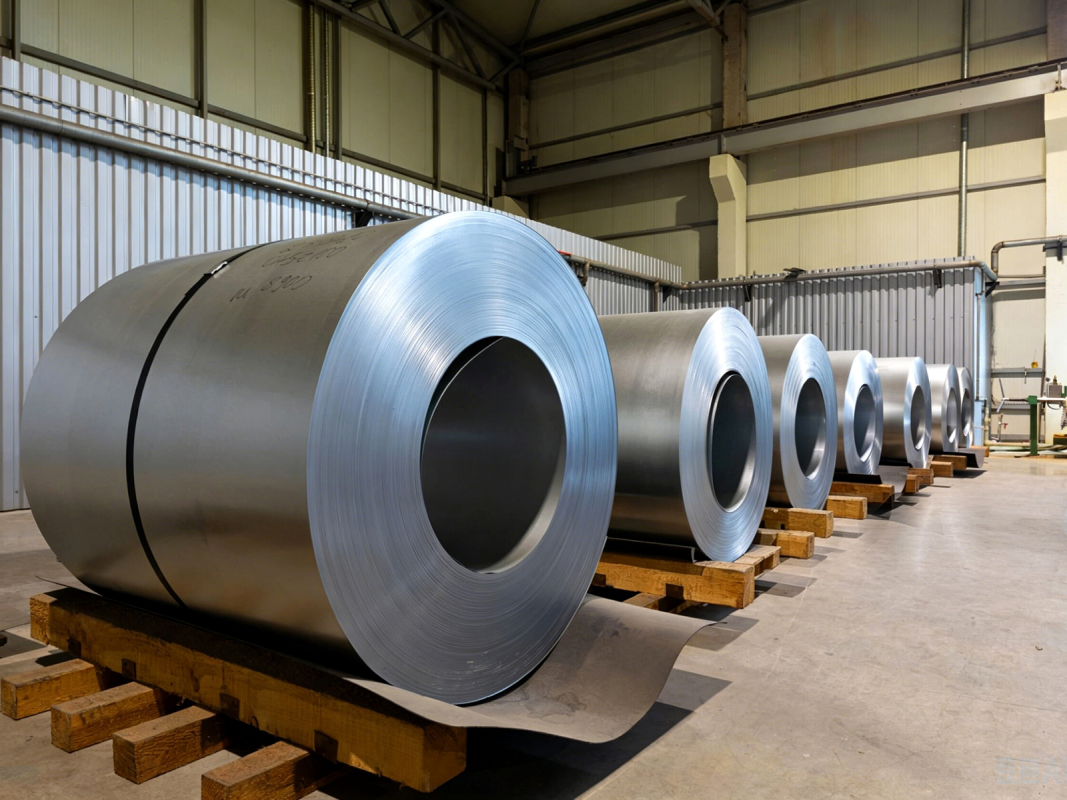
How Does Gr2 Titanium Foil Balance Strength and Formability?

As the most widely used industrial pure titanium material, Gr2 Titanium Foil has successfully found ...
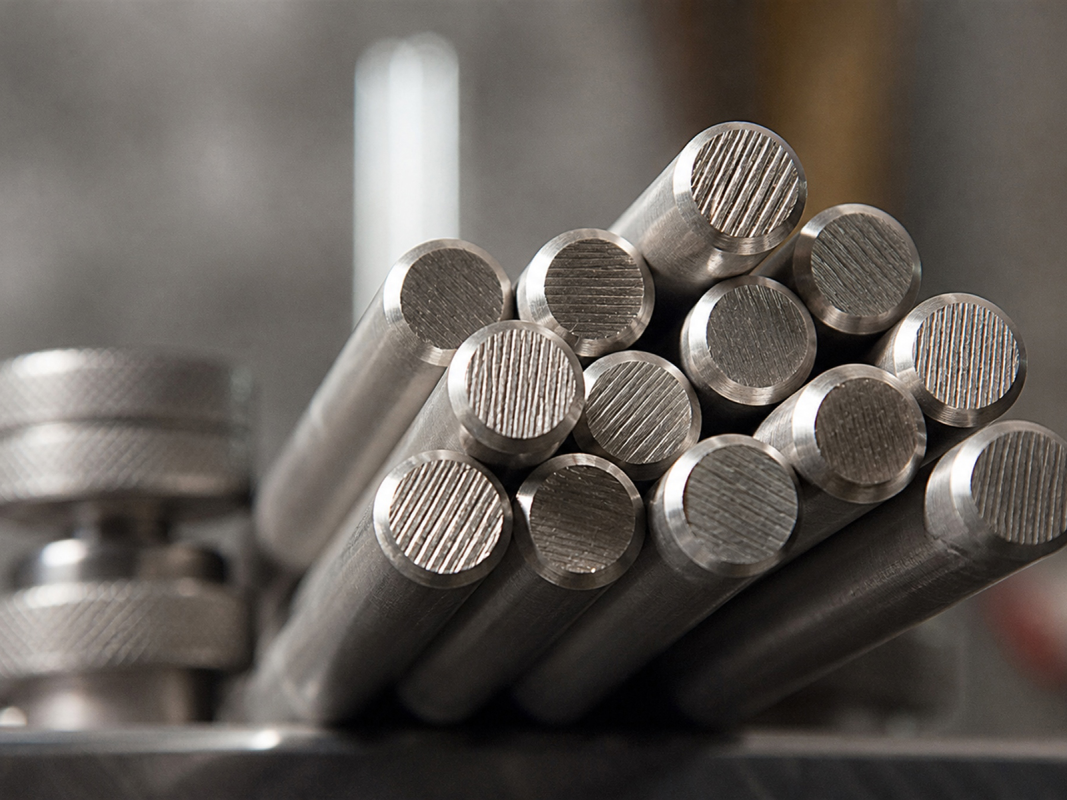
How Should Gr4 Titanium Rod Be Selected for Industrial Corrosion and Structural Applications?
As the strongest grade among commercial pure titanium, Gr4 Titanium Rod shows unique comprehensive a...
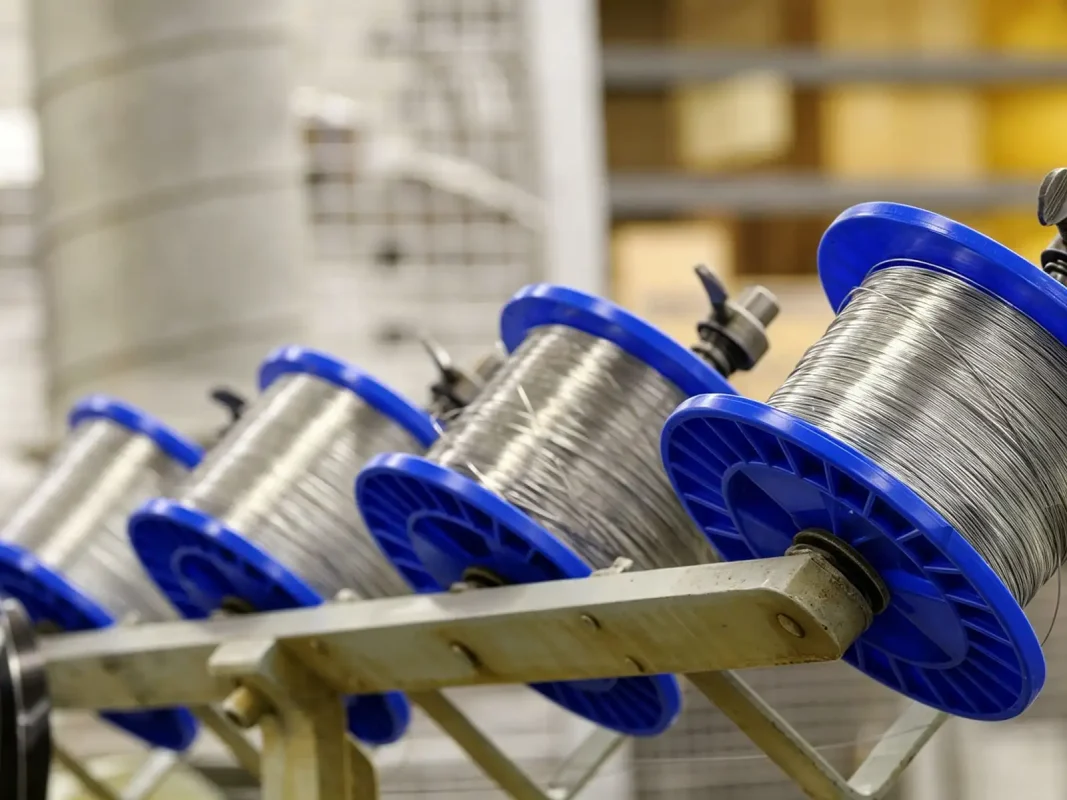
Grade 4 Titanium Wire for Loaded Industrial Components
Grade 4 titanium wire may be considered for a loaded industrial component when its specified pr...
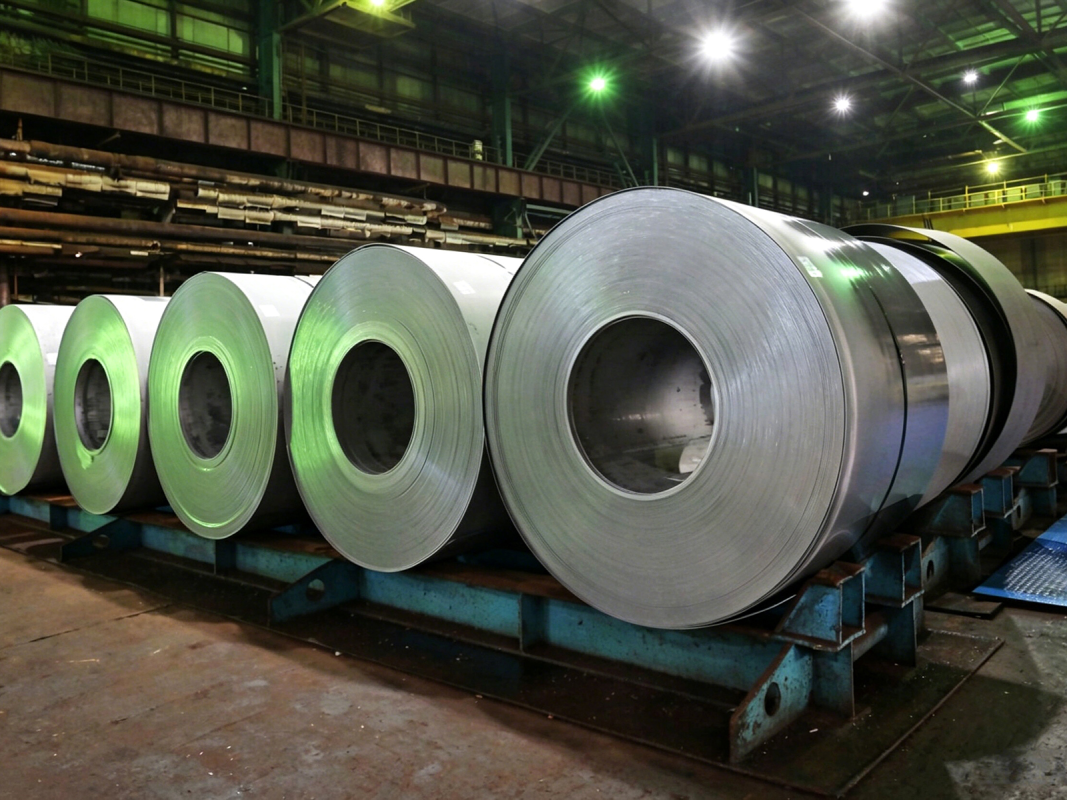
Nickel 200 Foil for Electrochemical Components: Technical Selection Guide
Nickel 200 foil for electrochemical components. Material selection should start with the cell c...
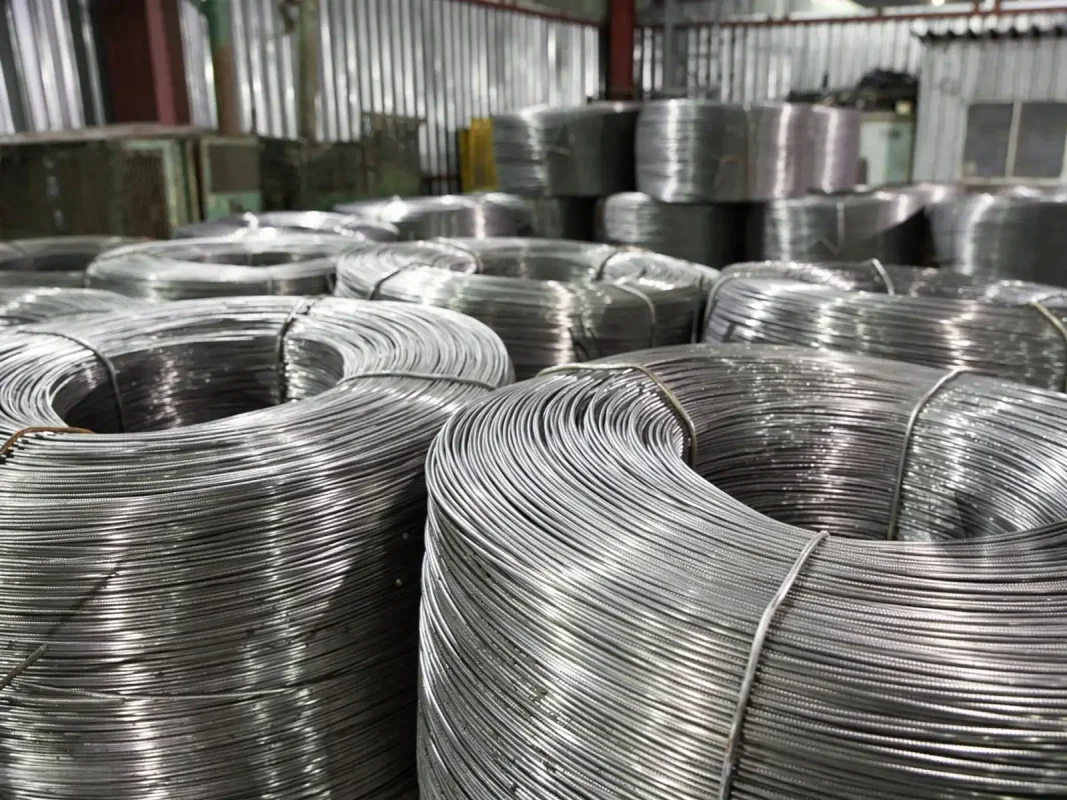
ASTM B550 Zirconium Wire: Grades and Order Requirements
ASTM B550/B550M covers zirconium and zirconium alloy bar and wire. When specifying zirconium w...
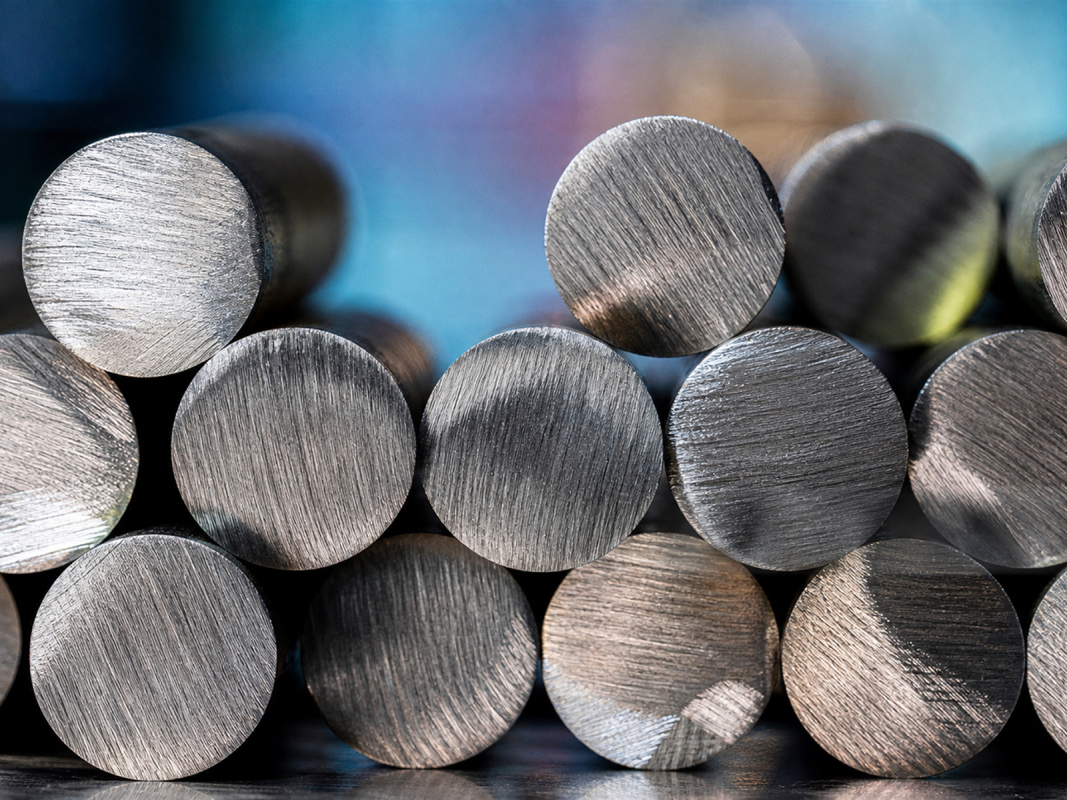
How Should Grade 5 Titanium Rod Be Selected for Industrial Applications?
Grade 5 titanium rod, commonly identified as Ti-6Al-4V, may be considered for industrial compon...
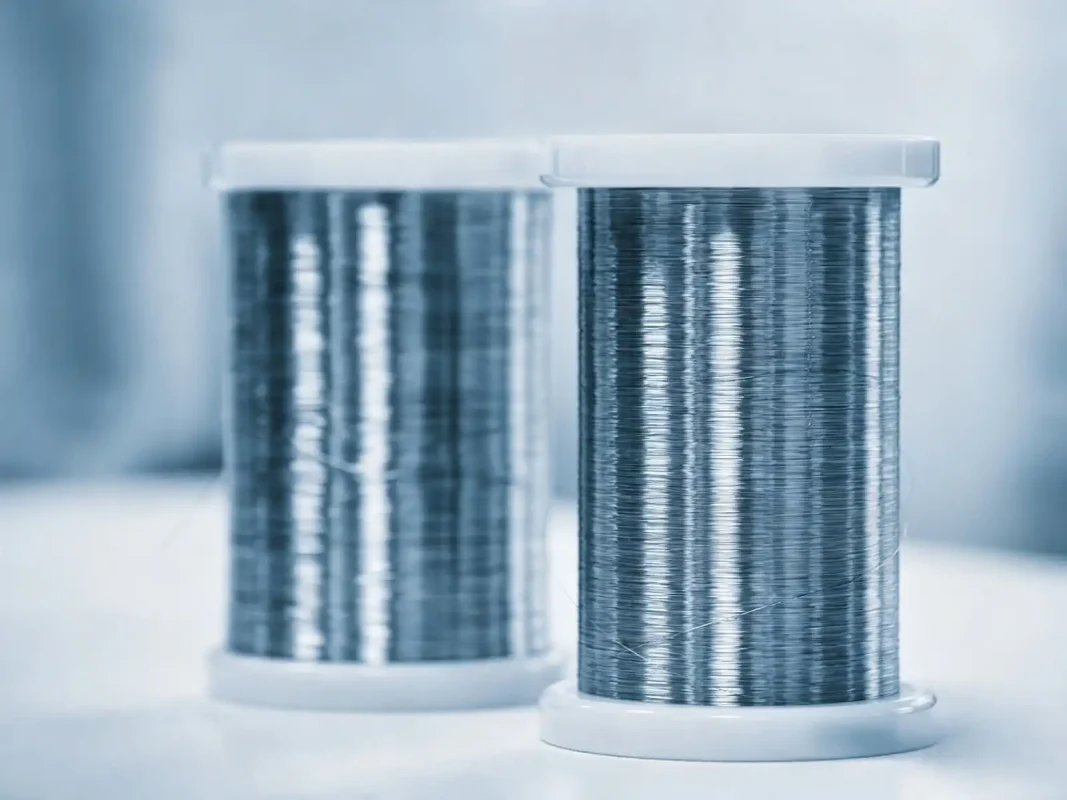
What Does ASTM B550 Specify for Zirconium Wire?
Topic hub: For the main the Zirconium Alloy Supplier selection framework, see the Zirconium Alloy Su...
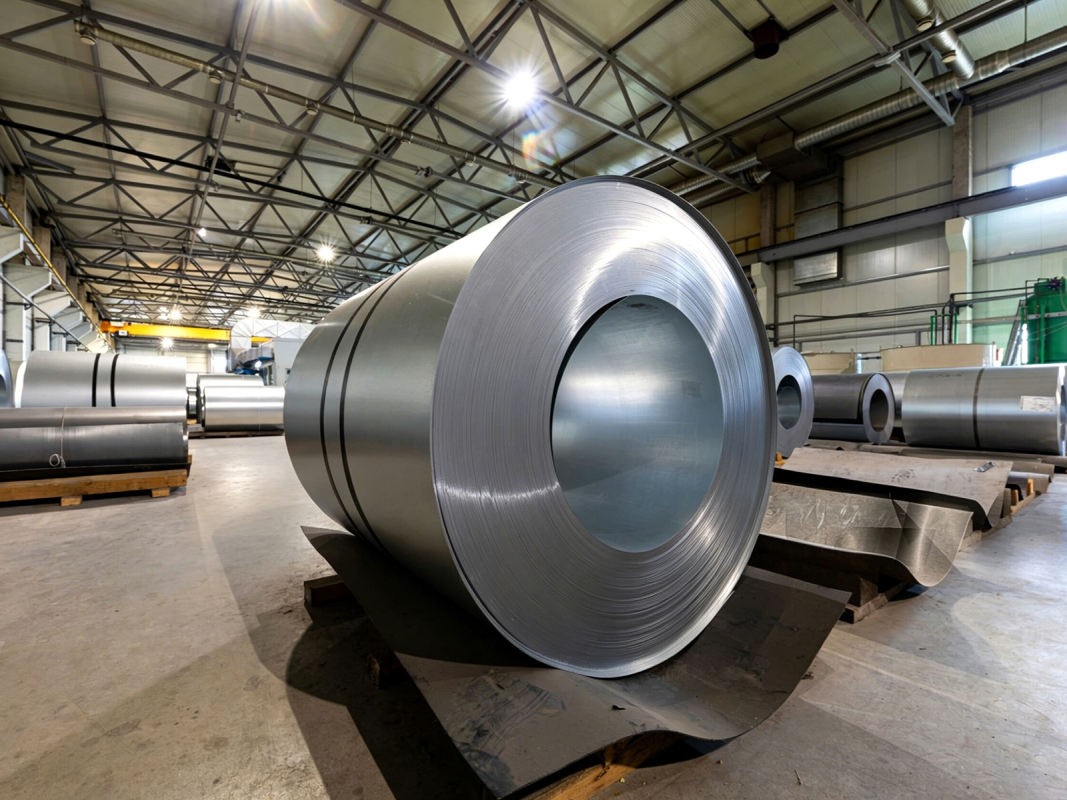
How Does Gr2 Titanium Foil Combine Strength and Ductility in Commercially Pure Titanium?
Among the industrial pure titanium family, Gr2 Titanium Foil has become a core material in chemical ...
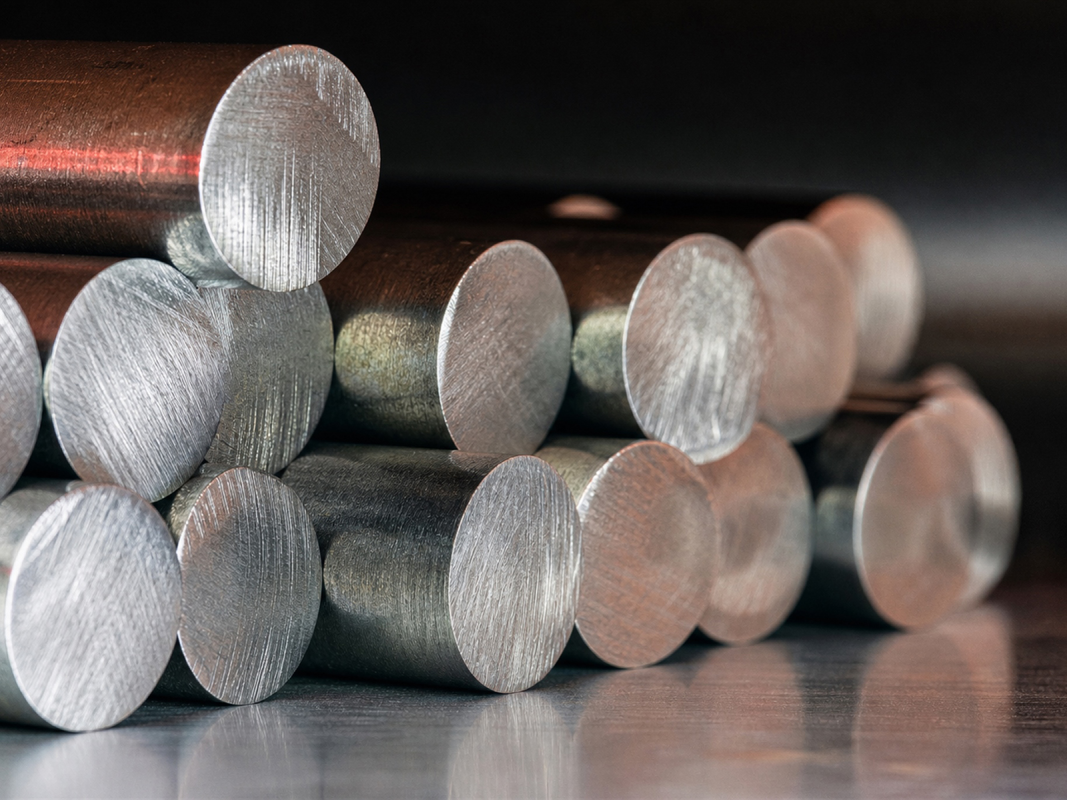
How Does Gr5 Titanium Rod Influence Aerospace and Medical Material Selection?
Today, as the global high-end manufacturing industry is evolving toward lightweight, high strength, ...
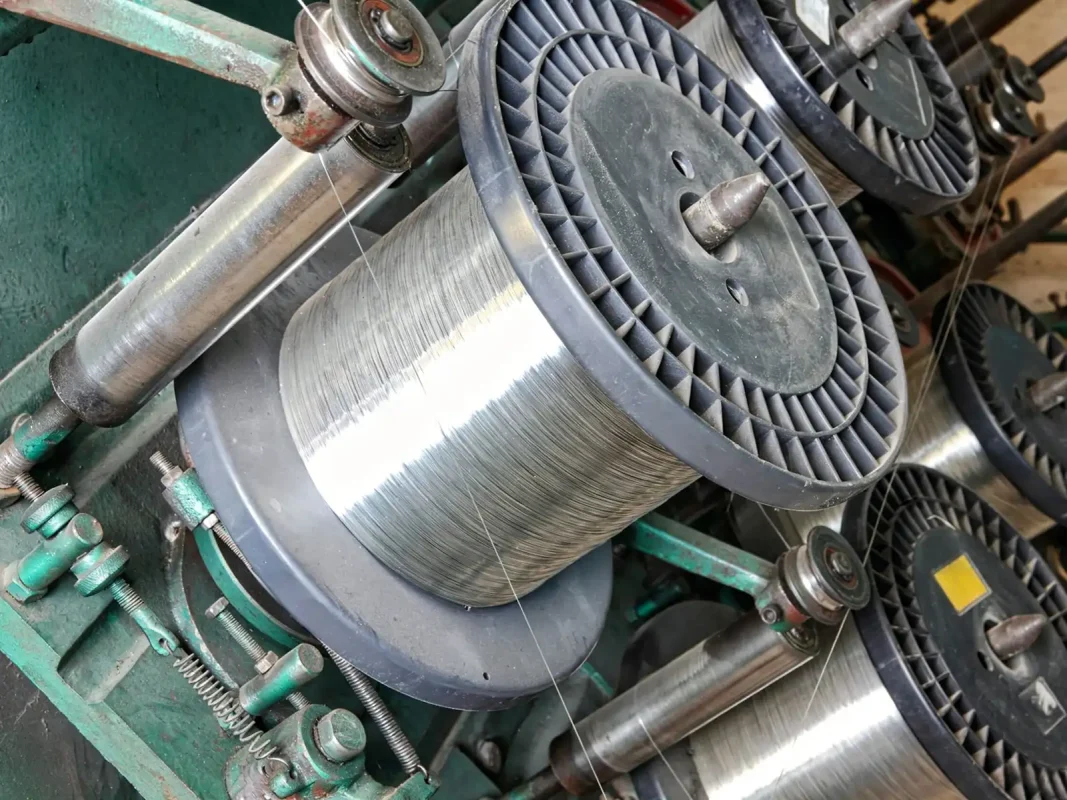
Grade 5 Titanium Wire in Industrial Manufacturing
Industrial uses of Grade 5 titanium wire depend on how the wire is processed into the final com...