
Nickel 200 Foil for Electrochemical Components: Technical Selection Guide
- Nickel 200 Foil
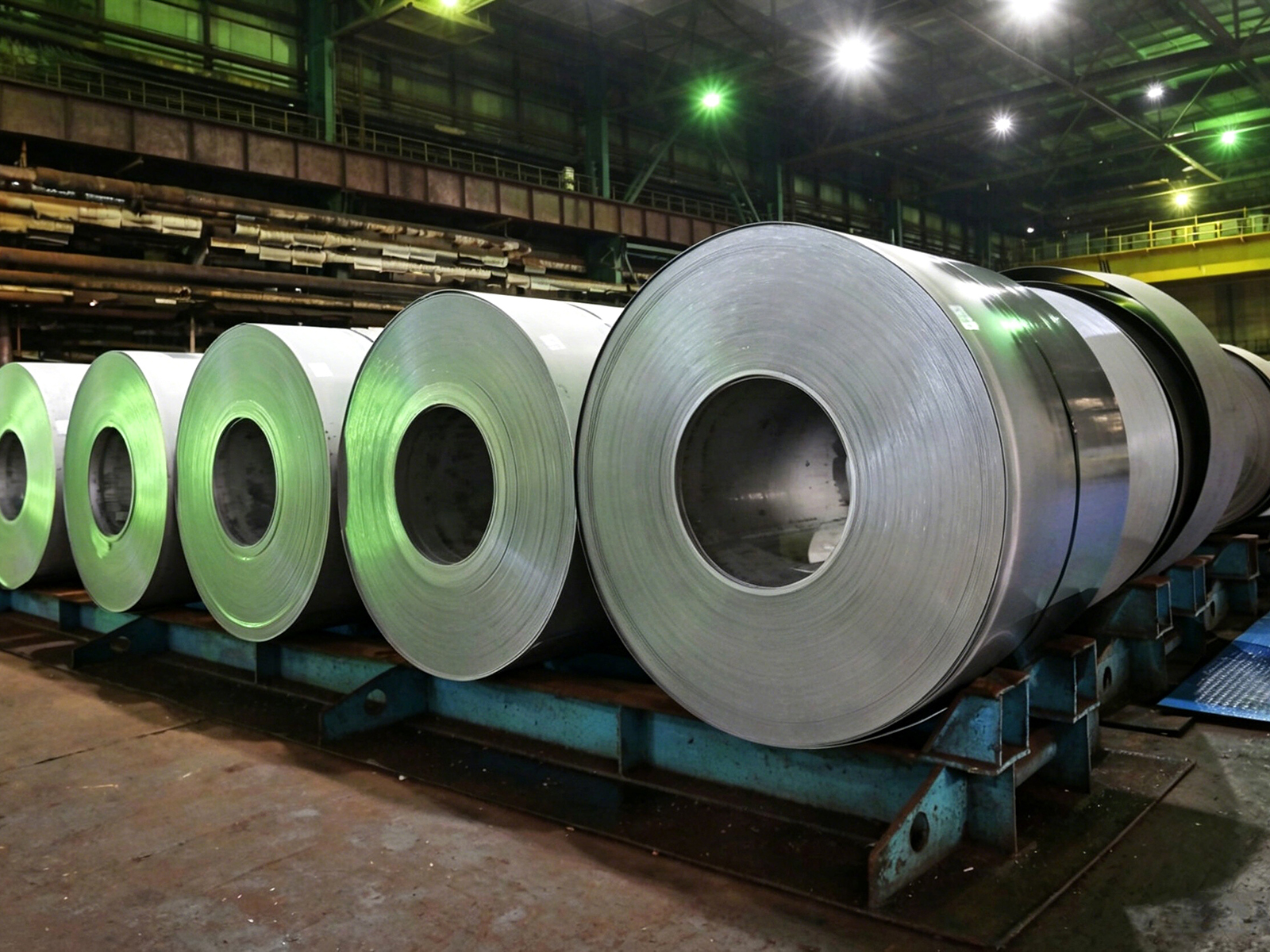
Nickel 200 foil for electrochemical components. Material selection should start with the cell chemistry, potential range, temperature, current path and fabrication method. Nickel 200 / UNS N02200 is a candidate material, not a guarantee of electrode life or electrochemical efficiency.
Separate electrical and chemical requirements
Electrical conductivity depends on temperature and material condition; a catalog value should be tied to a stated test or reference basis. Chemical stability depends on the electrolyte composition, contaminants and operating potential. These questions need separate evidence. A successful bulk material test does not prove performance of a formed, welded or coated component.
Define the thin-material specification
ASTM B162 covers Nickel 200 plate, sheet and strip. Specify thickness and tolerance, width, condition, surface, edge, joining or coating route and the applicable edition. Ask for a lot-linked certificate and any component-specific resistance, corrosion or surface test needed for acceptance.
| Question | Project input |
|---|---|
| What contacts the foil? | Electrolyte, contaminants, temperature and cleaning chemistry. |
| What carries current? | Geometry, joint design and operating current. |
| What can change in production? | Forming, welding, coating and heat exposure. |
| How is it accepted? | Drawing, certificate and agreed functional tests. |
Use the Nickel 200 conductivity guide for measurement boundaries and the foil hub for procurement. Review the foil category and send a technical RFQ. Source: ASTM B162 scope.
Frequently asked questions
Does Nickel 200 foil guarantee electrode life?
No. Validate the finished component under the actual electrochemical conditions.
Should conductivity and corrosion be one acceptance test?
No. Define separate methods and acceptance rules for each requirement.
Published by: Titanium Valleys
Technical review: General Manager of the Production Department
Quality review: Quality Inspection Department
Last reviewed: October 20, 2026