
Why Choose the Nickel 200 Grade for Commercial Pure Nickel Foil?
- Nickel 200 Nickel Foil
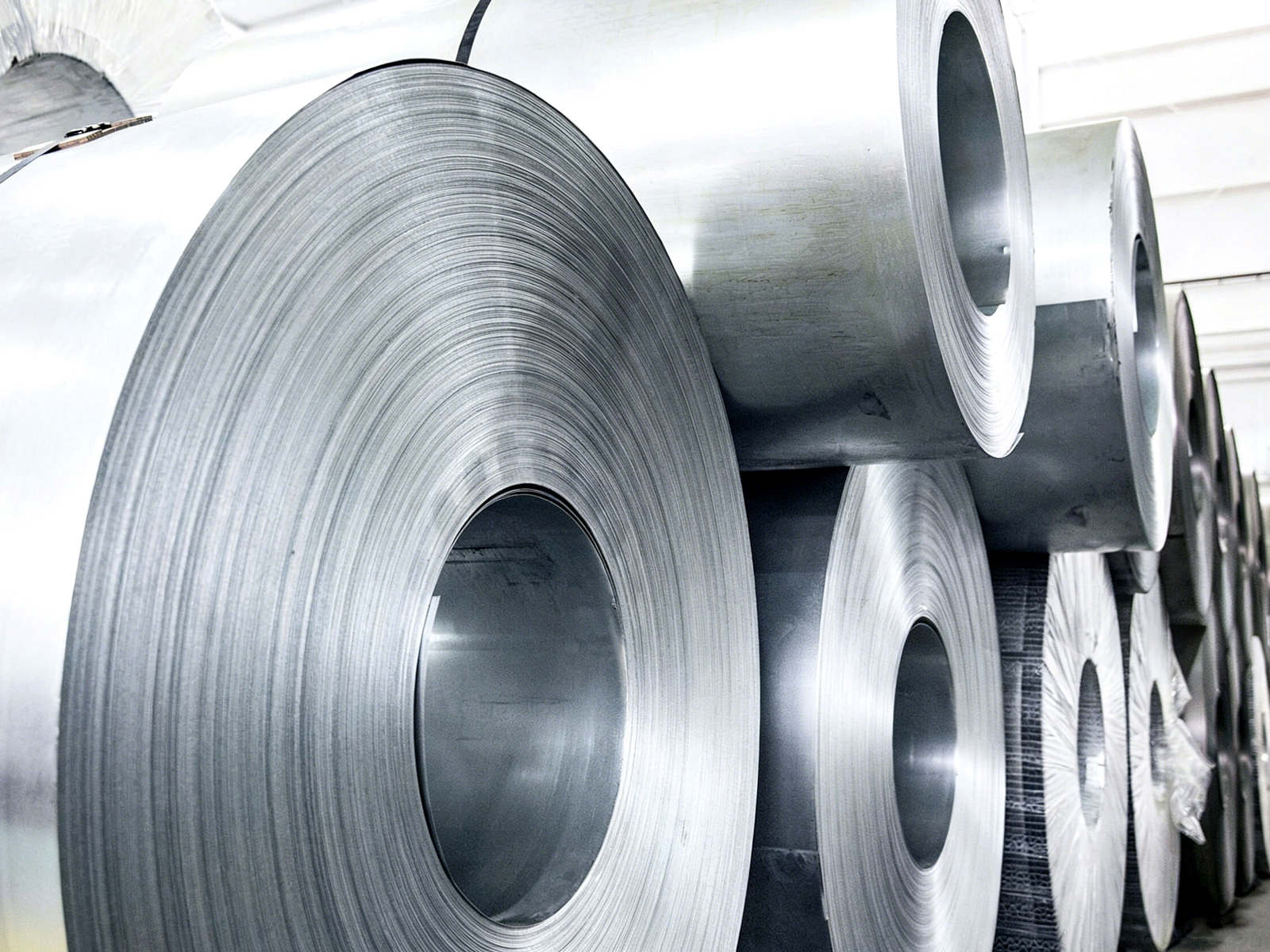
In applications such as battery current collector tabs, electrolytic electrodes, and EMI shielding layers, Nickel 200 pure nickel foil is often on the candidate list. Unlike nickel-based superalloys, Nickel 200 is commercially pure nickel whose engineering value derives primarily from the chemical composition specified by ASTM B162 UNS N02200 (Ni+Co ≥99.0%, C ≤0.15%) and the resulting conductivity stability, corrosion resistance in alkaline media, and good cold formability. Material selection should be based on grade, standard, and specific service conditions rather than an intuitive judgment based on “purity” or “alloy” alone. The following sections focus on the standard composition, performance boundaries, process control, and acceptance criteria for Nickel 200.
1. Grade Boundaries of Nickel 200: The Difference Between Commercial Pure Nickel and Alloys
(1) Relationship Between Composition and Electrical Conductivity
Per ASTM B162 UNS N02200, Nickel 200 has a minimum Ni+Co content of 99.0% and a maximum carbon content of 0.15%. This composition differs from the low-carbon specification of “Ni ≥99.6%, C ≤0.02%”, which is closer to Nickel 201/UNS N02201. If the application requires C ≤0.02%, the drawings and procurement documents should specify Nickel 201 rather than incorporating the low-carbon requirement into a Nickel 200 specification.
At room temperature, the electrical resistivity of pure nickel is approximately 6.9–10 μΩ·cm, depending on condition and impurity content. By comparison, copper is about 1.7 μΩ·cm, silver about 1.6 μΩ·cm, titanium about 42 μΩ·cm, and Ti-6Al-4V about 170 μΩ·cm. Therefore, Nickel 200 is more conductive than titanium and most stainless steels but markedly less conductive than copper and silver. In engineering, conclusions should be based on actual circuit resistance, cross-sectional area, and temperature-rise calculations rather than vague statements such as “extremely low resistance” or “remarkably superior conductivity.”
(2) Magnetic Properties: Cannot Be Described as “Weakly Magnetic”
Nickel 200 foil is a ferromagnetic material at room temperature, with a Curie temperature of approximately 358℃. Therefore, in precision instruments, medical devices, or structures sensitive to magnetic fields, it cannot be described as “weakly magnetic” on the assumption that it will not interfere with nearby sensitive components. If the application is sensitive to stray magnetic fields, actual measurements should be performed or a nonmagnetic material selected.
(3) Suitability in Electrochemical Environments
Nickel 200 foil exhibits low corrosion rates in strong alkaline media such as NaOH and KOH at ambient temperature and is commonly used for electrodes and connecting hardware in alkaline electrolysis and the chlor-alkali industry. However, its corrosion resistance must be re-evaluated in ammonia-containing, acidic, or oxidizing-ion conditions and cannot be generalized as “chemically inert.”
(4) Performance Boundary Comparison with Titanium Foil
Performance Parameter | Gr2 Titanium Foil | Gr5 Titanium Alloy Foil | Nickel 200 Foil |
Density (g/cm³) | 4.51 | 4.43 | 8.89 |
Typical Resistivity (μΩ·cm, 20℃) | ~42 | ~170 | ~7–10 |
Room-Temperature Tensile Strength (Typical) | ≥345 MPa | ≥895 MPa | Annealed ≥380 MPa; cold worked typically 500–700 MPa depending on deformation |
Alkaline Corrosion Resistance (Ambient NaOH/KOH) | Fair; corrodes faster in strong alkalis | Fair to poor | Good; relatively low corrosion rate |
Primary Application Areas | Lightweight structural and corrosion-resistant parts | High-strength structural parts | Conductive connections, alkaline electrodes, shielding parts |
As the table above shows, when the primary requirements of the application are “conductivity stability” and “corrosion resistance in alkaline media,” Nickel 200 is more suitable than titanium foil; however, if lightweighting or high strength is required, commercial pure nickel should not be the only consideration.
2. Performance Parameters and Service Boundaries of Nickel 200 Foil
(1) Mechanical Properties: Temper Designations and Acceptance Criteria
Under the ASTM B162 system, the common delivery tempers are annealed and cold worked; domestic Chinese temper designations such as M/Y should not be used. Annealed material typically meets: room-temperature tensile strength ≥380 MPa and elongation ≥40%, with specific values determined per ASTM B162 and product thickness. The tensile strength of the cold worked temper increases with the amount of cold work, with a common typical range of about 500–700 MPa and correspondingly lower elongation. Tensile testing should be performed per ASTM E8 or another method agreed between the parties, and the sampling direction, specimen type, and thickness should be specified in the purchase agreement. Values such as 370–420 MPa or 500–600 MPa should not be used directly as acceptance ranges unless the supplier and the buyer have explicitly agreed in the agreement on the corresponding thickness and temper.
(2) Dimensions and Thickness Tolerances
Standard supply thickness is generally 0.03–0.8 mm, with a width of 350–670 mm, adjustable per order. Thickness tolerance cannot be uniformly stated as ±0.001 mm across the entire range. For gauges of 0.03 mm and above, the permissible thickness deviation of ASTM B162 or the mutual agreement of both parties can be referenced; ±0.001 mm is not conventional for thicker strip. For ultra-thin foil in the 0.005–0.01 mm range, ASTM B162 usually does not apply, so the absolute tolerance, measurement method, and sampling locations must be separately agreed. ±0.001 mm for 0.005 mm foil is not high precision; in addition, the stable supply width achievable for ultra-thin gauges is typically smaller than the standard width range, so the width-to-thickness ratio and the maximum available width should be confirmed rather than directly applying the 350–670 mm full-width capability to ultra-thin gauges.
(3) Thermal Stability and High-Temperature Service Limits
The melting point of Nickel 200 is approximately 1446–1455℃, but this does not mean it is suitable for high-temperature structures or vacuum furnace linings. Nickel 200 foil may exhibit a tendency toward carbide formation/graphitization leading to embrittlement under long-term service above about 315℃. If long-term service above 315℃ is required, the low-carbon grade Nickel 201/UNS N02201 should be prioritized for evaluation. In vacuum or inert, sulfur-free environments below 315℃, Nickel 200 can maintain good stability; however, in oxidizing atmospheres, sulfur-bearing atmospheres, or high-temperature carburizing conditions, there is a clear risk of failure, and it cannot simply be described as “maintaining material stability in high-temperature and vacuum environments.”
3. Process Consistency: Key Control Points in Cold Rolling, Annealing, and Slitting
(1) Multi-Pass Cold Rolling and Intermediate Annealing
The main challenges in rolling ultra-thin nickel foil are thickness variation and work hardening. A combination of multi-pass cold rolling and intermediate annealing reduces work hardening, restores ductility, and provides more uniform deformation conditions for subsequent passes. The effectiveness of this process must be verified through process capability indices and batch thickness data, not simply concluded from “stable batch supply.”
(2) Continuous Annealing and Surface Cleanliness Control
A continuous annealing line can control the furnace zone setpoint temperature, but “±2℃” should have its reference clearly defined: for example, the soak zone setpoint temperature or a furnace temperature uniformity criterion, which does not mean that surface temperature uniformity across the full-width strip reaches the same precision. Post-annealing cleaning uses ultrasonic and alkaline washing, with the surface wetting tension or dyne-level target set at 44 dyn/cm (44 mN/m). This parameter is a surface cleanliness test and is not the intrinsic surface tension of the material. Dyne-level testing should be performed under environmental conditions agreed between both parties.
(3) Slitting and Flatness
For ultra-thin and wide foil, the key to slitting is control of edge burrs and flatness. Buyers should require suppliers to provide measured edge burr data and flatness data for typical gauges and correlate them with their own automated material-handling requirements. The automation rate cannot substitute for quality assurance; attention should be given to sampling inspection methods and nonconforming-product disposition procedures.
4. Typical Application Scenarios and Material Applicability Conditions
(1) New Energy Batteries: Tabs and Conductive Connections
In lithium battery tab and connector applications, the advantages of Nickel 200 lie in low surface resistance and good spot-weld/laser-weld compatibility. The high elongation of the annealed temper is favorable for automated winding and welding. However, before volume introduction, batch thickness tolerance, surface cleanliness, and the welding window should be confirmed rather than relying on the grade alone.
(2) Chemical and Electrolysis: Corrosion Resistance in Alkaline Environments
In chlor-alkali and alkaline water electrolysis applications, Nickel 200 foil exhibits low corrosion rates in NaOH and KOH solutions at ambient or moderate temperatures and is commonly used for electrodes, current collectors, and conductive connections. Its corrosion resistance is relative to iron-based materials; in high-temperature, high-concentration, hypochlorite-containing, or other oxidizing media, corrosion testing should be performed. Electrode purity primarily affects contaminant release and localized corrosion at the electrode/solution interface and should not be equated directly with gas product purity.
(3) Electronics and Precision Manufacturing: EMI Shielding and Micro-Stamping
EMI shielding layers require uniform thickness, clean surfaces, and uniform electrical conductivity. Nickel 200 can meet these requirements, but its room-temperature ferromagnetism may affect certain high-frequency or magnetic-field-sensitive designs. Micro-stamping relies on the ductility of the annealed temper, and springback and edge cracking should be verified during the die tryout stage.
5. Procurement Acceptance and Supplier Evaluation Essentials
(1) Acceptance Criteria and Reference Documents
Acceptance Dimension | Key Criterion | Reference Standard/Document |
Chemical Composition | Ni+Co ≥99.0%, C ≤0.15% (UNS N02200) | ASTM B162 |
Mechanical Properties | Annealed tensile strength and elongation per ASTM B162; cold worked per mutual agreement | ASTM B162 / ASTM E8 |
Thickness Tolerance | Graded by thickness; thicker gauges per ASTM B162; ultra-thin gauges per mutual agreement | ASTM B162 / Purchase Agreement |
Surface Cleanliness | Dyne level of 44 dyn/cm (44 mN/m) as a cleanliness reference | Dyne pens / supplier process specification |
Supply Temper | Annealed or cold worked | ASTM B162 |
The supplier should provide full-batch material certificates, thickness test data, and surface cleanliness sampling records. A single passing coil does not guarantee batch consistency; it is recommended to collect multi-batch data before the first volume supply.
(2) Supply Stability and Technical Support
When evaluating suppliers, check whether they can provide cold rolling, annealing, slitting, and custom cutting across multiple gauges, and whether their technical support is based on standards and test data. Annual capacity and inventory flexibility can be part of the risk assessment but should not replace a review of technical capability and quality systems.
6. Conclusion
The value of Nickel 200 pure nickel foil must be judged on the basis of its standard grade, service boundaries, and process data. It is not a “high-conductivity” or “high-temperature” material for every scenario, but it can be a reliable candidate in ambient-temperature alkaline media, conductive connection, and precision forming applications. When specifying, the composition requirements, temper definitions, and acceptance conditions of ASTM B162 UNS N02200 should be incorporated into drawings and procurement agreements.
FAQ
(1) Q1: What advantages does Nickel 200 foil offer over nickel alloy foil (such as Inconel) in conductive applications?
The resistivity of Nickel 200 is generally lower than that of most nickel-based alloys, making it suitable for electrode and connector applications with stringent requirements for conductivity uniformity. However, its conductivity is still markedly lower than copper and silver, so conductor cross-section and circuit resistance budgets must be considered during material selection. Inconel-type alloys are typically used where high-temperature strength is the priority rather than conductivity.
(2) Q2: When purchasing Nickel 200 foil, how should the annealed versus cold worked temper be selected?
The annealed temper has higher elongation, which is suitable for stamping, bending, and weld forming; the cold worked temper offers higher strength, which is suitable for structural connectors requiring some rigidity. Request the supplier to provide specific property data for the corresponding thickness and temper rather than selecting based on grade alone.
(3) Q3: Is Nickel 200 foil suitable for electrode components in hydrogen energy and water electrolysis hydrogen production scenarios?
In room-temperature or moderate-temperature KOH/NaOH solutions, Nickel 200 exhibits good resistance to alkaline corrosion and is a candidate material for electrodes and connectors in alkaline electrolyzers. However, hydrogen purity is determined primarily by the electrolyte, diaphragm/membrane electrode assembly, and system design; the purity of the electrode material can only influence side reactions and contaminant release at the electrode and cannot directly guarantee gas product purity.
Contact Us
When looking for a reliable Nickel 200 Foil manufacturer, Nickel 200 Foil supplier, or Nickel 200 Foil factory, pay attention to whether they provide standard-grade material certificates, gauge-by-gauge thickness tolerances, and batch test data. Titanium Valley offers custom nickel foil services from ultra-thin gauges to standard wide widths; specific supply widths, tolerances, and tempers are confirmed per order. Please send your inquiry to: sales@titaniumvalleys.com
References
- ASTM International. ASTM B162-19 Standard Specification for Nickel Plate, Sheet, and Strip. West Conshohocken, PA: ASTM International, 2019.
- Huang Boyun, Li Chenggong, Shi Likai, et al. (eds.). China Materials Engineering Canon, Volume 5: Nonferrous Metals Materials Engineering (Part II). Beijing: Chemical Industry Press, 2006.
- Liu Yonghui, Zhang Peifen. Principles of Metallic Corrosion. Beijing: Aviation Industry Press, 1993.
- Zhang Baohong, Cong Wenbo, Yang Ping. Electrochemical Corrosion and Protection of Metals. Beijing: Chemical Industry Press, 2005.