
What Should You Know About Understanding Commercial Pure Nickel 200 Wire and Its Characteristics?
- Pure Nickel 200 Wire
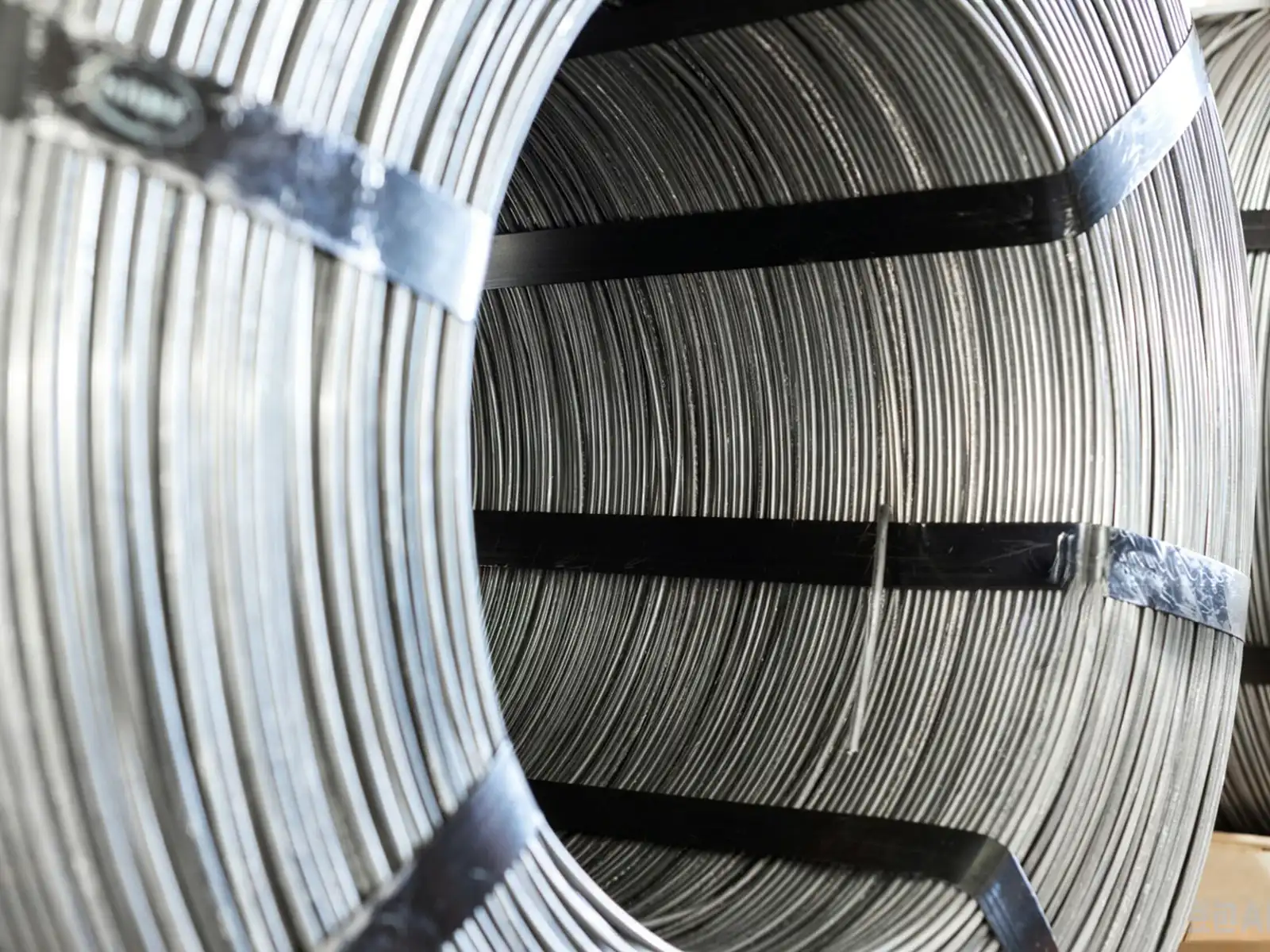
Nickel 200 Wire (commercial pure nickel wire) is a high-purity industrial metal material with a nickel content of not less than 99.5%, corresponding to the international standard UNS N02200. This material is known for its excellent resistance to alkali corrosion, outstanding electrical and thermal conductivity, and good processing ductility. It plays an irreplaceable role in chemical equipment, electronic components, medical devices, and high-temperature applications. Understanding its composition, properties, and application scenarios can help engineers and purchasing personnel make more accurate material selections, thereby enhancing equipment lifespan, reducing maintenance costs, and optimizing production efficiency.
1. What Should You Know About Material Basis and Composition Characteristics of Nickel 200 Nickel Wire?
(1) What Should You Know About Material Grades and International Corresponding Standards?
Nickel 200 has various designations in different countries and regions. In the U.S. standard, it is called Nickel 200, corresponding to the global unified number UNS N02200, while in the European standard, it is referred to as Ni99.5 or 2.4060. These standards ensure the interchangeability and traceability of the material in the global supply chain. When purchasing, referring to standards such as ASTM B161, ASTM B166, and JIS H 4551 can ensure that the product quality meets industry requirements. This standardized system provides multinational companies with a reliable quality benchmark, avoiding engineering risks caused by material differences.
(2) What Should You Know About Chemical Composition and Purity Requirements?
High purity is the core competitiveness of Nickel 200 nickel wire. The total content of nickel and cobalt needs to reach over 99.5%, while impurity elements are strictly controlled: iron content no more than 0.10%, copper no more than 0.10%, manganese and silicon each no more than 0.05%, carbon content limited within 0.10%, and sulfur and phosphorus controlled below 0.005% and 0.002% respectively. This precise composition management ensures stable performance of the material in harsh environments, especially in electrochemical and food and pharmaceutical fields where medium purity requirements are involved.
element | Ni+Co | Fe | Cu | Mn | Si | C | S |
Content (%) | ≥ 99.5 | ≤ 0.10 | ≤ 0.10 | ≤ 0.05 | ≤ 0.05 | ≤ 0.10 | ≤ 0.005 |
(3) What Should You Know About Physical Properties and Basic Parameters?
The physical properties of Nickel 200 nickel wire determine its application boundaries. The material has a density of 8.90 g/cm³, a melting temperature range of approximately 1435-1446℃, and a room temperature resistivity of about 0.096 uOhm.m (9.6×10⁻⁸ Ω·m), with specific values varying depending on temperature and material state. Its thermal conductivity reaches 70 W/(m·K). These parameters together form the theoretical basis for the material in scenarios involving electrical conduction, heat conduction, and high-temperature resistance. It is ferromagnetic, and its magnetic properties change with temperature, so special evaluation is required in applications sensitive to magnetic performance.
2. What Should You Know About Mechanical Properties and Processing Characteristics of Nickel 200 Wire?
(1) What Should You Know About Strength and Ductility in the Soft State?
Nickel 200 wire after annealing in a soft state exhibits a balanced combination of strength and ductility. The tensile strength is no less than 350 MPa, the yield strength reaches over 130 MPa, the elongation exceeds 30%, and the hardness ranges between 85-95 HB. This combination of properties allows the material to withstand certain mechanical loads while maintaining sufficient deformability. In applications requiring cold working, such as spring manufacturing, precision parts processing, and complex shape forming, this ductility significantly reduces the risk of cracking and the defect rate.
(2) What Should You Know About Multiple Pass Cold Drawing and Heat Treatment Processes?
The conversion process from nickel rods to finished nickel wire involves multiple cold drawing passes, intermediate heat treatments, and surface treatments. Each drawing operation causes work hardening of the material, and timely annealing can restore plasticity, preparing it for the next processing stage. Equipped with an Italian Danieli continuous rolling production line and drawing equipment with over 90% automation rate, it can achieve stable dimensional control and consistent performance. Precise control of the heat treatment process directly affects the mechanical properties and surface quality of the final product, and professional equipment ensures performance stability between batches.
(3) What Should You Know About Surface Condition and Dimensional Accuracy Control?
Depending on different application requirements, Nickel 200 wire can be provided in various surface conditions such as bright, semi-bright, pickled, and polished. Bright surfaces are suitable for electronic components with high requirements for appearance and cleanliness, while pickled surfaces are more suitable for subsequent welding or electroplating processes. The diameter range covers φ4mm to φ200mm, with tolerances of ± 0.01mm or even better, and straightness controlled within ≤ 1mm/m. This high-precision processing capability meets the strict material consistency requirements of precision machinery and automated production lines, reducing subsequent machining allowances and debugging time.
3. What Should You Know About Corrosion Resistance and Adaptation to Working Conditions Analysis?
(1) What Should You Know About Outstanding Performance in Alkaline Media?
The most prominent feature of Nickel 200 wire is its excellent corrosion resistance in alkaline environments. In strong alkaline solutions such as sodium hydroxide and potassium hydroxide, a dense passive film can form on the material’s surface, effectively preventing further penetration of corrosive media. This makes it the preferred material for the chlor-alkali industry, electrolysis processes, and alkaline battery manufacturing. Compared with conventional materials such as stainless steel, the service life of Nickel 200 in alkaline environments can be extended several times, significantly reducing equipment replacement frequency and downtime maintenance costs.
(2) What Should You Know About Reductive Acids and Adaptability to Seawater Environment?
Nickel 200 also exhibits good corrosion resistance in reducing acids such as dilute sulfuric acid, hydrochloric acid, and seawater environments. The material’s tolerance to chloride ions makes it suitable for marine engineering and salt spray test equipment. It should be noted that in high-temperature oxidizing acids (such as hot nitric acid), the material’s corrosion resistance decreases significantly. Sulfur-containing atmospheres above 315℃ may cause sulfur embrittlement, and strongly oxidizing chloride environments are also prone to pitting corrosion. In engineering applications, appropriate protective measures or alternative materials should be selected based on actual working conditions.
Usage environment | Corrosion resistance performance | Typical Applications |
Alkaline solution | Excellence | Chlor-alkali industry, alkaline batteries |
Reducing acid | Good | Chemical equipment, pickling installation |
Seawater salt spray | Good | Marine engineering, anti-corrosion components |
High-temperature operating conditions | Stable | Heat treatment furnaces and heating elements |
(3) What Should You Know About High-temperature Stability and Antioxidant Capacity?
In high-temperature environments, Nickel 200 maintains good mechanical strength and dimensional stability. The material can be used for long periods below 600℃ without significant microstructural changes or performance degradation. This high-temperature stability makes it suitable for fixtures, heating elements, and high-temperature fasteners in heat treatment furnaces. The material has moderate oxidation resistance in air, and the effect of the surface oxide layer should be considered when exposed to high-temperature oxidizing atmospheres for extended periods. When used in combination with vacuum or protective atmospheres, its heat resistance performance can be maximized.
4. Why Is Electrical and Thermal Conductivity Characteristics and Electrochemical Applications Important?
(1) Why Is Resistivity and Conductivity Advantages Important?
Nickel 200 has a resistivity of 6.84×10⁻⁸ Ω·m. Although slightly higher than copper (about 1.7×10⁻⁸ Ω·m), it has unique advantages in scenarios that require both corrosion resistance and electrical conductivity. In electrolytic cells, electroplating equipment, and electrochemical sensors, the material can provide reliable current transmission while resisting the corrosive effects of electrolytes. Compared to copper materials, which rapidly fail in corrosive environments, Nickel 200 can maintain long-term stable electrical performance, reducing the frequency of electrode plate replacement and production downtime losses.
(2) Why Is Thermal Conductivity and Heat Dissipation Applications Important?
The thermal conductivity of 70 W/(m·K) makes Nickel 200 an ideal choice in situations where heat conduction is required but corrosion challenges are present. In heat exchangers, condenser tubes, and thermal conductive components, the material can effectively transfer heat while resisting medium corrosion. This combination of thermal performance and corrosion resistance is especially important in chemical heat exchange equipment, preventing a decline in heat transfer efficiency and leakage risks caused by material corrosion. Combined with precise dimensional control, the material can also be used in heating elements that require accurate temperature control.
(3) Why Is Application Potential of Battery and Electrode Materials Important?
The rapid development of the battery industry has opened up new application opportunities for Nickel 200 nickel wire. The material can be used as a current collector in alkaline batteries, tabs in nickel-metal hydride batteries, and a catalyst carrier in fuel cells. Its excellent electrical conductivity, alkaline corrosion resistance, and formability allow it to meet the stringent requirements of battery manufacturing. In South Korea’s battery industry and Japan’s precision electronics sector, high-purity nickel wire has become a key material for enhancing battery performance and extending service life. The pure material composition also avoids interference from impurities in electrochemical reactions, ensuring the consistency and safety of batteries.
5. Why Is Industry Application Scenarios and Value Realization Important?
(1) What Should You Know About Core Materials of the Chemical and Chlor-alkali Industries?
In chlor-alkali production, the anodes, cathodes, and connecting wires of electrolyzers are long-term immersed in high-concentration alkaline solutions, and Nickel 200 wire has become the standard material in this field due to its excellent alkali resistance. Auxiliary equipment such as filters, heat exchanger components, and pipe supports also rely on the corrosion resistance of this material. Compared with the maintenance cost of regularly replacing ordinary materials, using Nickel 200 can extend equipment overhaul cycles to several years, greatly reducing downtime losses and labor costs. This long-lasting performance is particularly valuable in large chemical plants.
(2) Why Is Applications in the Field of Electronics and Precision Manufacturing Important?
The electronics industry has strict requirements for material purity, dimensional accuracy, and stability. Nickel 200 nickel wire is used in critical components such as transformer windings, precision resistors, battery connectors, and sensor probes. Its non-magnetic properties prevent interference with sensitive circuits, and high purity ensures consistent electrical performance. In Japan’s precision electronics and Germany’s high-end manufacturing sectors, this material has become an important part of quality assurance. The large coil supply and stable batch performance required by automated production lines reduce the frequency of material changes and debugging time, improving production efficiency.
(3) Why Is Medical Devices and Aerospace Application Expansion Important?
The medical field has special requirements for the biocompatibility, non-toxicity, and corrosion resistance of materials. Nickel 200 wire is used for guidewires, stents, precision springs, and surgical instrument parts, meeting the performance requirements of implantable and interventional medical devices. Fasteners, seals, and wiring in the aerospace field also benefit from the material’s high-temperature stability and low-temperature toughness. In the U.S. aerospace medical market, products that comply with ASTM standards and provide EN 10204 3.1 material certificates offer equipment manufacturers reliable quality assurance and regulatory compliance.
Application field | Typical products | Core values |
Chemical Chlor-Alkali | Electrolytic plates, filter screens, pipelines | Resistant to strong alkalis, long lifespan, reduced maintenance costs |
Electronics and Electrical | Transformer, resistor, battery cell | Conductive and stable, no magnetic interference, high purity |
Medical devices | Guidewire, stent, surgical instruments | Biocompatible, non-toxic and corrosion-resistant, precision machined |
Precision machinery | Springs, shafts, fasteners | Good machinability, precise dimensions, and stable performance |
High-temperature industry | Stove accessories, heating elements | Heat-resistant and stable, antioxidant, durable and long-lasting |
(4) What Should You Know About Emerging Markets and Carbon Neutrality Driving Opportunities?
With the advancement of global carbon neutrality goals, the hydrogen energy industry and clean energy technologies have created new demand scenarios for Nickel 200 nickel wire. Electrolytic water hydrogen production equipment, fuel cell components, and alkaline electrolyzers all require conductive materials that are resistant to alkali and corrosion. The updating of chemical equipment in India’s industrial upgrading process, the capacity expansion of Vietnam’s electronics manufacturing industry, and the continued demand for high-quality materials in the European and American markets together form a broad market space. The diversification of the Middle Eastern energy market also provides new application opportunities for special nickel materials.
6. What Is the Conclusion?
Nickel 200 wire, due to its high purity, excellent resistance to alkaline corrosion, good electrical and thermal conductivity, and processing plasticity, occupies an irreplaceable position in chemical, electronic, medical, and high-temperature industries. Understanding its material properties, performance limits, and applicable working conditions can help engineers make precise material choices, achieve long-term equipment operation, and optimize costs. With the development of emerging industries, this classic material is gaining new application vitality.
FAQ
Q1: What are the differences in corrosion resistance between Nickel 200 wire and stainless steel wire?
Nickel 200 has corrosion resistance far superior to stainless steel in strongly alkaline environments, making it particularly suitable for the chlor-alkali industry and alkaline electrolysis conditions. Stainless steel performs better in oxidizing acids, but may suffer intergranular corrosion in concentrated alkaline solutions. Selection should be based on a comprehensive evaluation of the type of medium, concentration, and temperature.
Q2: How to prevent sulfur brittleness of Nickel 200 wire when used at high temperatures?
Sulfur brittleness usually occurs in sulfur-containing atmospheres above 315℃. Methods to avoid it include controlling the operating temperature within a safe range, using vacuum or inert gas protection, ensuring strict control of sulfur content in raw materials and process media, and regularly inspecting the surface condition of materials.
Q3: What should be paid attention to when welding Nickel 200 wire?
The material has good welding performance, but welding under high stress conditions should be avoided to prevent cracking. It is recommended to use argon arc welding or resistance welding processes. Before welding, thoroughly clean the surface grease and oxide layer, and after welding, perform appropriate annealing to eliminate welding stress, ensuring joint strength and corrosion resistance.
7. What Should You Know About Call to Action?
Titanium Valley (Baoji Titanium Valley Titanium-Nickel-Zirconium Material Processing Co., Ltd.) is a professional manufacturer and supplier of Nickel 200 wire, equipped with advanced Italian Danieli production lines and a complete quality system, providing high-quality products that meet international standards. Whether you need standard specifications or custom processing, we can provide professional technical support and services. Welcome to contact us for samples, quotations, and technical solutions: sales@titaniumvalleys.com
References
- Davis, J.R. (2000). Nickel, Cobalt, and Their Alloys. ASM International, Materials Park, Ohio, USA.
- ASTM International (2021). “ASTM B161-21: Standard Specification for Nickel Seamless Pipes and Tubes.” West Conshohocken, Pennsylvania, USA.
- Rebak, R.B. (2010). ‘Corrosion Resistance of Nickel Alloys in Alkaline Solutions.’ Corrosion Engineering, Science and Technology, Vol. 45, No. 4, pp. 284-291.
- Special Metals Corporation (2019). High-Performance Nickel Alloy Products Manual. Huntington, West Virginia, USA.